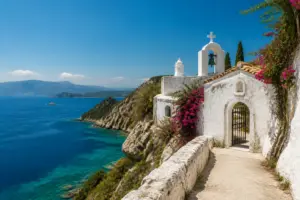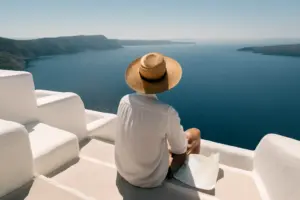
Everyone assumes a proper Greek island requires a multi-day commitment and a ferry schedule you’ll come to regret. That’s simply not true, and I figured it out standing on the packed Monastiraki platform, watching yet another tour group trudge toward the Acropolis souvenir stalls for what felt like the third time that week. A Greek friend of mine, half-amused by my exhaustion, said something like: “Why haven’t you left yet? Hydra’s ninety minutes by boat.” That one line rearranged how I planned every Athens itinerary after that. From then on, chasing Greek island day trips from Piraeus no passport became something close to a personal mission — an escape route most guidebooks only mention in passing, if they mention it at all.
Here’s the part that genuinely surprised me: Piraeus sits a mere 12 kilometers from central Athens, and a high-speed ferry ride of one to two hours can drop you onto streets with no cars, into a harbor with zero traffic, or in front of a temple built in the 5th century BC that makes the Acropolis lines feel like a rumor from another life. No visa paperwork, no passport headaches — just the Aegean and a handful of islands that feel like they belong to an entirely different country than the one you flew into.
So if you’ve carved out a single day — or even just a stretch of an afternoon — in Athens, and you’d rather taste real island life than fight Santorini’s crowds or deal with the logistics of international travel, let me walk you through the Saronic Islands. They’re Greece’s quietest open secret for day-trip escapes.
Greek Island Day Trips from Piraeus: The Setup
Let’s start with the practical stuff. Piraeus, Athens’ primary port, sits roughly 25 minutes from the city center via Metro Line 1 — and yes, the ticket really is just €1.40. The port splits into two main gates for island ferries: Gate E8, home to the Flying Dolphins fast boats, and Gate E9, run by Hellenic Seaways. Tickets can be bought online ahead of time or picked up at the port kiosks, though I’d push for booking in advance, particularly during July and August when half of Athens is fleeing the city heat by boat.
Two companies run the show on the Saronic route: Hellenic Seaways and Saronic Ferries. Both operate frequently, though summer timetables are far more generous than winter ones — so check the schedules before locking in your Athens dates. In peak season, show up 30 minutes ahead of departure; outside of that, 15 minutes will do just fine. The whole boarding process runs smoother than you’d expect.
No Passport Needed: Getting to Know the Saronic Four
The Saronic Islands come as a set of four: Aegina, Hydra, Poros, and Spetses. Each one has an entirely different personality, so pick based on what kind of day you’re after, not just which ferry happens to be leaving next.
1. Aegina: The Easiest Island to Reach
Of the four, Aegina is the most user-friendly. The ferry ride runs an hour, and weekends bring crowds of Athenians escaping the city — which tells you something important on its own. It’s busier than Hydra or Poros, sure, but the crowds are earned.
What to see: The Temple of Aphaia steals the show here. Dating to the 5th century BC, it draws a fraction of the Acropolis’s crowds and sits on a hillside with views that’ll have you reaching for your camera every few minutes. Down in the harbor town, neoclassical buildings in soft pastel shades reflect off the water, and the tavernas feel like places where the owners genuinely know their regulars.
The secret: the pistachios. Forget whatever you’ve eaten off an airport snack rack — Aegina holds a Protected Designation of Origin for its pistachios, and they earn it: buttery, deeply nutty, nothing like the mass-market version. Grab a bag from any local market. Your palate will notice the difference, and you’ll walk away with a souvenir you can actually eat.
Day trip or overnight? This one’s built for a single day. Temple, a wander through town, lunch, evening ferry back — that’s the rhythm. Three hours on the island works if you’re rushed, but five gets a lot closer to right.
2. Hydra: The Showstopper
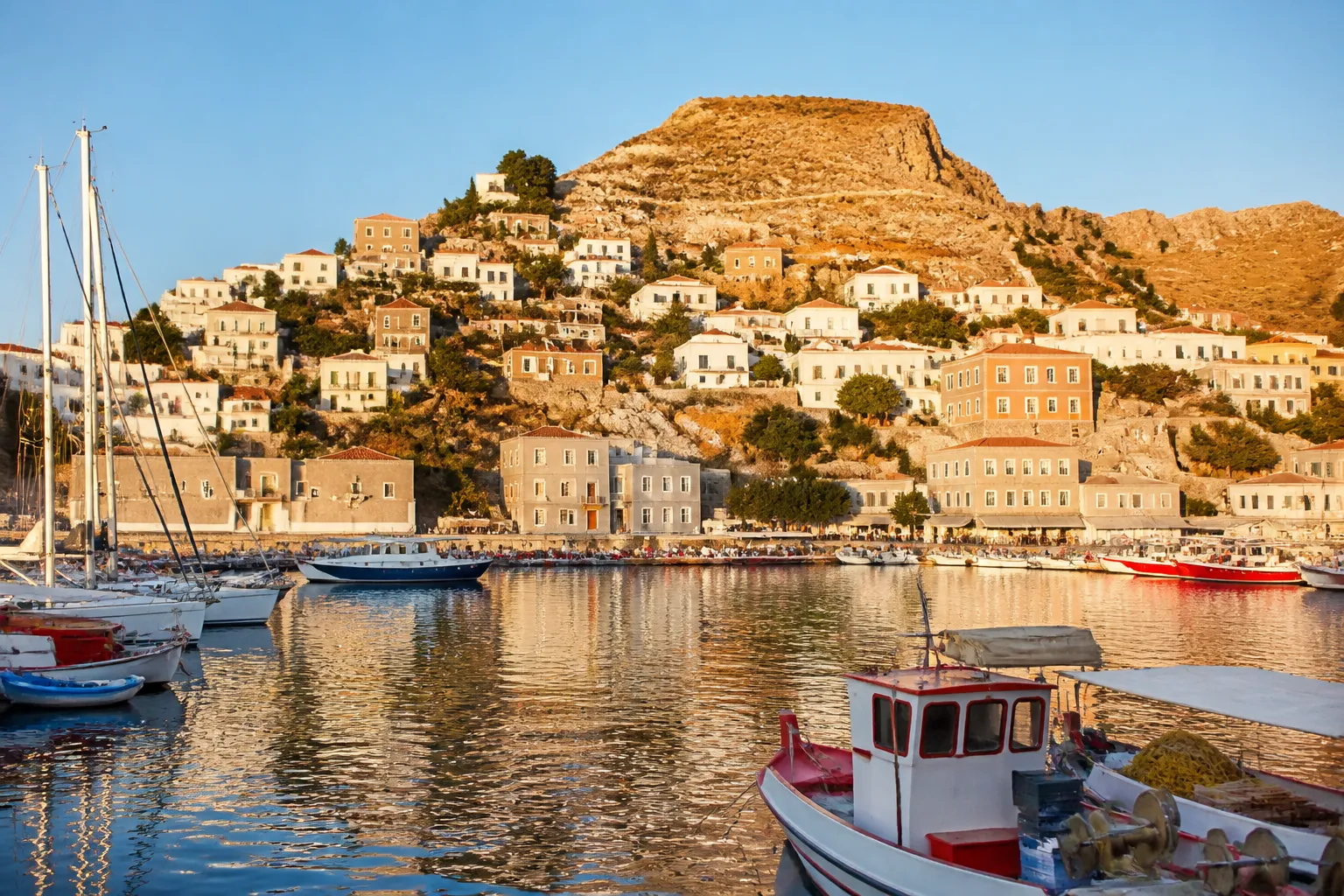
Hydra sits 1.5 to 2 hours out, and it’s the most visually striking of the bunch, no argument. No cars, no motorbikes — just donkeys, horses, the occasional handcart, and your own two feet. The instant your ferry pulls into the harbor, you’ll understand why painters and Instagram alike have claimed this place as their own.
What to do: Walk. That’s genuinely the whole plan. The narrow stone lanes practically demand it. The harbor itself, lined with superyachts moored beside traditional wooden caïques, looks almost staged. Grab lunch at a waterfront taverna — prices run higher than Aegina, but the food and the view make the case for themselves. Feeling ambitious? Walk out to Vlychos Beach or Bisti Beach, roughly 20 minutes each way, and swim in water clear enough to make you wonder why you waited this long to come.
The hidden gem: the Hydra Photography Center — worth a look if photography or art genuinely interests you. But truthfully, the real magic of Hydra is just wandering without a destination and stumbling onto a hidden courtyard, or a cat sprawled out asleep on centuries-old stone.
Day trip or overnight? You can technically manage it in a day — catch a 7 or 8 a.m. ferry out and a 5 or 6 p.m. one back — but Hydra has a way of talking you into staying longer. If an overnight fits your schedule, take it. Once the day-trippers clear out, the island shows you an entirely different side of itself.
3. Poros: Where Nobody’s in a Hurry
Poros is the laid-back one. An hour away, separated from the mainland by a strait just 370 meters wide, it has the quiet confidence of somewhere that isn’t trying to impress anyone. Climb up to the Clock Tower for views over the strait and the pine-covered slopes behind it. The town stays small and walkable, with a strong local feel — fewer tourists, more of that genuine Greek island rhythm.
What makes it special: Poros is made for slowing down. Coffee at a harborside café, a book, a swim, fresh fish, repeat as needed. It’s essentially a pause button for your itinerary. There’s no headline attraction demanding your attention here, and that’s exactly the appeal.
Day trip or overnight? Built for a full day. The hour-long ferry means you can sleep in, catch a mid-morning boat, and still have six or seven hours on solid ground.
4. Spetses: The Upscale Option
Spetses sits 2.5 hours out and carries a different mood entirely — polished neoclassical buildings, upscale beach clubs, and a crowd with noticeably deeper pockets. Like Hydra, cars are mostly banned here (barring a few authorized vehicles), which keeps that pedestrian-first, car-free atmosphere intact.
Worth your time: the Bouboulina Museum, dedicated to a female naval commander who fought in the Greek War of Independence. The beaches are stunning, and families will find the island easy to navigate for a relaxed day out. The catch: everything costs more here than on the other three, and you’ll spend longer getting there.
Day trip or overnight? If you’re making the trip, commit to a full day or stay the night. At 2.5 hours each way, a rushed day trip starts to feel like a lot of travel time for not much payoff.
Piraeus Ferry Logistics: The Stuff That Actually Matters
Time to get practical, because the dreamy island fantasy falls apart fast if you don’t handle the ferry gate correctly.
- Seasons change everything. Summer brings multiple daily departures; winter might leave you with one or two options total. Check Hellenic Seaways’ or Saronic Ferries’ sites before settling on your Athens dates.
- Book online or grab tickets at the port. Online tends to be quicker and sometimes cheaper. Port kiosks work fine too, just budget an extra 10–15 minutes.
- Get there early come summer. No exaggeration — the port turns chaotic in July and August, and ferries can genuinely oversell.
- Carry cash. Cards work at most island tavernas and shops, but not universally — smaller villages especially.
- Travel light. Cobblestone streets and uneven paths mean you’ll be hauling your own bags. A small, foldable tote earns its keep.
- Sunscreen isn’t optional. The Aegean sun bounces off the water and will do damage fast if you’re caught unprepared.
The Water Bottle That Made It Through a 90-Minute Ferry to Hydra
Day trips out of Piraeus mean constant sun, salt spray in the air, and virtually no shade once you land on the smaller islands. I found out fast that a cheap bottle doesn’t hold up — you need one that keeps water cold enough to actually want to drink when you’re roasting on a ferry deck at 2 p.m.
What works
- The insulation holds up impressively even after hours of direct Aegean sun — filled at 7 a.m. in Piraeus, it still had ice chips left by 3 p.m. on Hydra.
- The FreeSip lid stays leak-free in a packed ferry cabin or while you’re managing cobblestone streets with a day pack and a camera in both hands.
- 24 oz hits the right size for these trips — enough volume to skip constant refills at inflated tourist café prices, small enough to still leave room in a beach bag alongside your sunscreen.
What doesn’t
- The matte exterior grabs salt residue and mineral buildup from island well water fast — it won’t stay looking new if that matters to you.
- At 24 oz, you’ll want a backup bottle or a refill plan if you’re trekking inland on bigger islands like Naxos — one bottle alone won’t cover eight hours in 35°C heat.
I had a moment of panic halfway through day three when the lid mechanism felt loose after ferry saltwater mist, but it tightened right back—a genuine relief when you’re counting on your bottle as your only reliable hydration lifeline. Owala FreeSip Insulated Stainless Steel Water Bottle (24 oz, Very Dark)
Frequently Asked Questions
How far is Piraeus from central Athens by Metro?
Piraeus sits roughly 25 minutes from the city center via Metro Line 1, and the ticket costs just €1.40. The port is Athens’ primary ferry gateway, with two main gates serving island ferries: Gate E8 for Flying Dolphins fast boats and Gate E9 for Hellenic Seaways.
Which Saronic Island has the shortest ferry ride?
Aegina has the shortest ferry ride at one hour, making it the most user-friendly of the four Saronic Islands. It’s busier than Hydra or Poros on weekends when Athenians escape the city, but three hours minimum works for a rushed visit, though five hours gets closer to ideal.
Can you visit Hydra as a day trip from Athens?
Yes, technically you can manage Hydra in a day by catching a 7 or 8 a.m. ferry out and a 5 or 6 p.m. one back, though the journey takes 1.5 to 2 hours each way. However, Hydra has a reputation for convincing visitors to stay overnight once the day-trippers leave.
How long is the ferry ride to Spetses?
Spetses sits 2.5 hours out from Piraeus, making it the farthest of the four Saronic Islands. The article recommends committing to a full day or staying overnight, since the extended travel time makes a rushed day trip feel like more travel than payoff.
About This Article

Written by Elena Vasquez. Elena Vasquez is a full-time traveler and the founder of Witty Passport. Over fifteen years and more than 50 countries across six continents — including a stretch spent leading groups professionally through Southeast Asia and the remote highlands of South America — she's written the kind of destination guides she always wished existed: practical, specific, and built on real experience rather than recycled itineraries. More about this site.
Scope and limits. Elena is a full-time traveler, not a licensed travel agent or immigration adviser. Entry requirements, visa rules, and advisories change without notice — always confirm against the official government source for your destination and passport before booking.
Verify this against a primary source
Specifics change, and your situation may differ from the one described here. These are the authorities worth checking directly:
- U.S. Department of State — entry requirements and travel advisories
- CDC Travelers' Health — vaccination and health notices by destination
- TSA — current carry-on and screening rules