| GPS Coordinates | 57.2538° N, 6.2982° W (main pool area, near Glenbrittle Road) |
| Recommended Altitude Range | 50–120m for pool chain compositions; up to 250m for Cuillin backdrop wide shots (within legal limits) |
| Best Time of Day | Golden hour — 05:30–07:30 in summer; 08:30–10:00 in shoulder season before crowds arrive |
| Best Season | Late April–May and September–October (lower crowds, dramatic light, manageable wind) |
| Drone Regulations Summary | Drones are legal here under UK CAA rules. You must register with the CAA and hold a valid Flyer ID. Maximum legal altitude is 120m (400ft) AGL. No flight over uninvolved persons. The area is not within a Restricted Zone but always check NATS/Drone Assist before each flight. No special permission required for recreational or sub-250g drone flights in the Open Category. |
| Skill Level Required | Intermediate — wind management is essential; calm days are rare |
| Nearest Town | Carbost (7km); Portree (28km) |
| Parking | Paid car park at end of Glenbrittle Road — arrive before 07:00 in peak season |
Why the View From Above Shows You Something the Trail Never Will
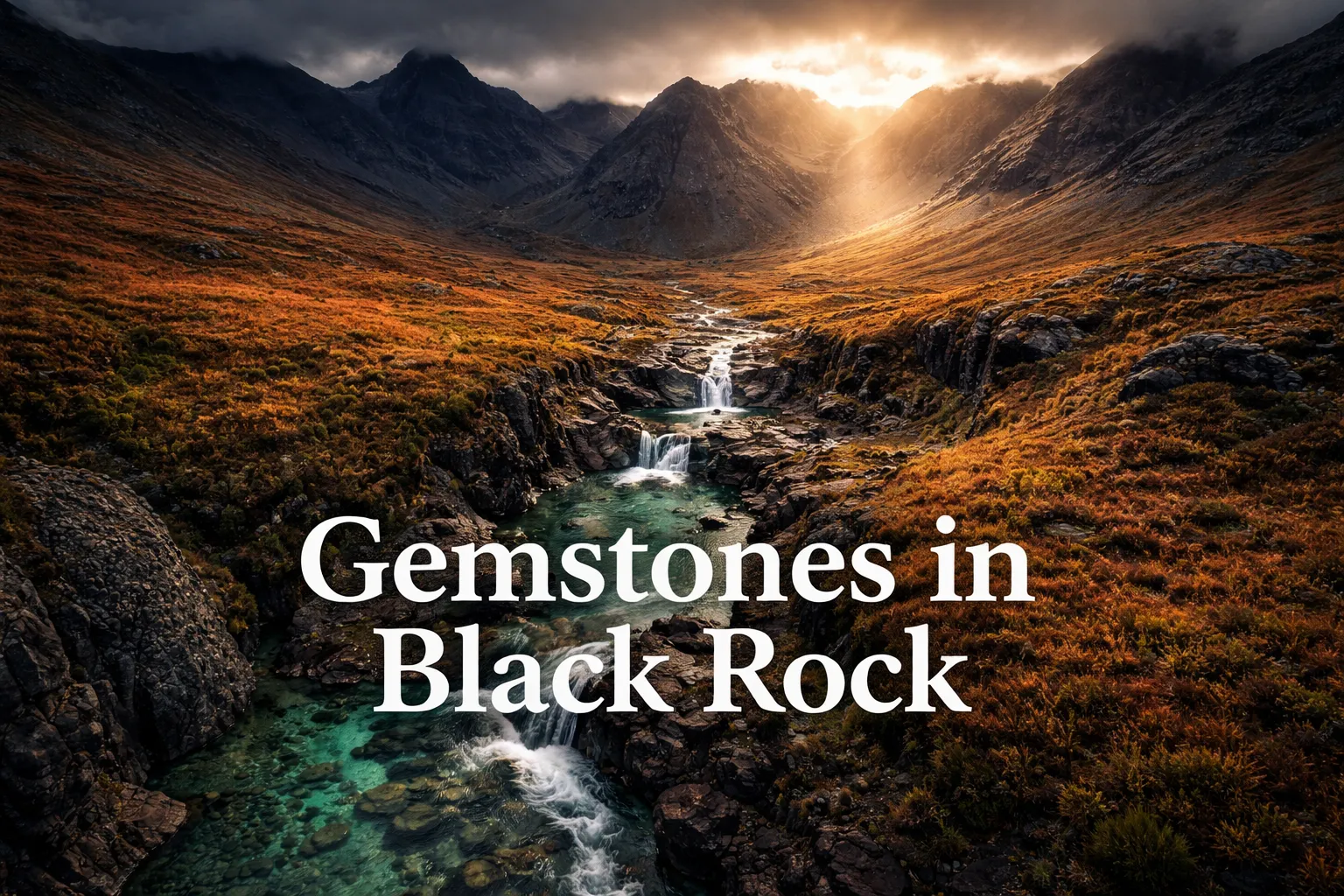
No map pin, no official parks page, no glossy listing warns you that the postcard view from the path is only a sliver of what’s actually happening at the Fairy Pools. Down at water level you’re lucky to have two or three pools in your line of sight at once — you register that the water is beautiful, but the logic of the whole system stays hidden. Climb to somewhere around 80 to 100 metres above the valley floor, though, and the entire cascade architecture snaps into a single readable frame. The Allt Coir’ a’ Mhadaidh drops roughly 200 vertical metres from the Black Cuillin corries down to the valley, feeding a chain of at least eight sizeable pools you can pick out from drone height, linked by everything from gentle slides to a genuine 5-metre plunge. Nothing shot from ground level can reproduce this, and it’s the image that defines isle of skye aerial view drone photography at this spot.
There’s also a color story here that’s genuinely worth understanding before your props start spinning. That turquoise-to-teal signature of the Fairy Pools comes from meltwater and rain filtering through ancient Torridonian quartzite and Lewisian gneiss, part of the Cuillin’s geology. The quartzite pulls the peat-brown tannins out of the water — tannins that stain most Highland streams — leaving something startlingly clear. From above, you can actually watch this color transformation happen across space: the feeder streams running into the pools carry that classic dark amber of peat water, and you can trace it fading toward clarity pool by pool. That gradual dilution simply isn’t visible from the ground — altitude is what unlocks the full chromatic sequence.
The other thing altitude gives you is context — how the pools actually sit inside the wider landscape. The Black Cuillin, among Britain’s most dramatic ranges and built from ancient gabbro and basalt, holds the western edge of the frame in near-permanent shadow, which throws the glowing water below into sharp relief. On a genuinely clear day, looking north from up high shows the whole Cuillin ridge curling around the corrie like a cupped palm, pools tucked at its base. Ground-level photography simply has no access to a composition like that.
Compositions Worth Chasing: Fairy Pools Scotland Drone Photography Shots
Straight Down Over the Pool Chain (60–80m)
Hover the drone directly over the main pool section and point the gimbal straight down, 90 degrees. At 60–80 metres you’ll get three or four pools inside one frame, joined by white-water ribbons, with the dark basalt working as a natural leading line. Call this the “gemstone” shot — it looks almost too clean to be a natural landscape. Shoot RAW and resist adding extra saturation afterward; the water is already doing the work, and over-processing is the mistake I see constantly in scotland drone photography fairy pools images posted online.
The Long Reveal South Toward the Sea (100–120m)
Push up to the legal ceiling of 120 metres and look south-southeast, following the stream’s descent toward the distant sparkle of Loch Brittle, and you capture the whole cascade system with the valley and sea loch forming the horizon. This is your establishing shot — it gives context to every close-up pool image and tells the full geographic story in one frame. Light from the northeast in early morning is best here, side-lighting the pools and adding real depth to the mountain texture behind them.
Facing the Cuillin (100m, Looking North-Northeast)
Turn the drone 180 degrees and you land on the classic Skye composition: pools filling the bottom of the frame, the black serrated Cuillin ridge dominating the upper two-thirds. You need a clear sky for this — the Cuillins sit under cloud more than 300 days a year — but when it breaks, every hour spent waiting turns out to be worth it. Late afternoon is the window, once the sun swings west and starts lighting up the ridge’s east face.
If You’ve Got Time to Detour: Old Man of Storr and the Quiraing
While you’re based on Skye, the Old Man of Storr (GPS: 57.5049° N, 6.1857° W) and the Quiraing (GPS: 57.6334° N, 6.2679° W) rank among the best drone spots scotland highlands can offer, and neither is more than 40 minutes from the Fairy Pools. The Storr’s pinnacles, flown at sunrise from the east around 80–100m, produce a landscape that looks almost otherworldly. The Quiraing’s stacked cliff formations, best caught in low, raking morning light from the west, deliver one of the most technically satisfying compositions anywhere in British aerial landscape photography.
Is Flying a Drone at the Fairy Pools Actually Legal?
Yes — flying here is entirely legal under UK Civil Aviation Authority rules, and I want to be exact about this because drone forums are full of bad information. The Fairy Pools sit outside any Restricted Zone, No-Fly Zone, or National Nature Reserve designation that would carry drone restrictions. That said, legal isn’t the same as simple. Here’s the regulatory picture without the fluff:
- CAA Registration: Every operator needs to be registered with the UK CAA, with a valid Operator ID showing on the aircraft, and every pilot needs a Flyer ID, earned by passing the CAA’s free online theory test.
- Maximum Altitude: 120 metres (400 feet) above ground level — a hard legal ceiling across all Open Category flying.
- Distance from People: Overflying uninvolved persons isn’t allowed. During July and August, the Fairy Pools path gets genuinely crowded, and that’s the real practical obstacle — you either wait for gaps or fly before the crowds show up.
- Sub-250g Drones: Anything under 250g, like the DJI Mini line, falls under the loosest end of Open Category rules, making it the smartest pick here given how much crowd management this location demands.
- Check Before Every Flight: Run the NATS Drone Assist app and the CAA’s registration portal before takeoff each time — temporary restrictions can appear with no warning.
Courtesy counts for a lot here. Hundreds of thousands of people walk through the Fairy Pools every year. Flying over walkers without their consent is both against the rules and just plain rude. The golden-hour window — getting there before the car park fills and flying within the first 90 minutes of daylight — solves the crowd issue and hands you the best light at the same time. This isn’t a nice-to-have; in summer, it’s genuinely the only way to fly here both legally and considerately.
The Weather Reality Behind Timing Your Aerial Shoot Right
I’m not going to sugarcoat Skye’s weather, because it’s the biggest single variable in skye waterfalls from above drone photography and it doesn’t get talked about honestly enough. Skye is, statistically, one of the windiest and wettest patches of Western Europe. The Broadford weather station regularly logs average wind speeds above safe drone operating thresholds, and the island sees rainfall on more than 250 days a year. I got rained out or blown off this exact location on five separate trips before finally landing my ideal conditions on the sixth.
The sane approach is building four or five days into any Skye drone itinerary and treating every single one as a possible flight day rather than pinning specific shoot dates. The most dependable windows fall in late April through May, once the worst of the Atlantic storm systems ease off before summer instability kicks in, and again through September and October, when the crowds thin out and autumn light turns everything gold. Winds under 15 mph on-site should be your baseline for anything resembling controlled flight. Pull up Windy.com, switch to the ECMWF model, and check wind at 100m altitude rather than surface level — that’s the reading that actually matters for planning.
Keeping Your Gear Dry Against Skye’s Constant Drizzle
The Fairy Pools earn every megapixel you spend on them, but Scotland’s endless mist and rain will kill your camera sensor faster than you can complain about the midges. Flying a drone over these glacial pools means fighting not just the wind but moisture that works its way into every lens seam.
Where it earns its keep
- Carry two sleeves for redundancy — one over the camera, one over the gimbal stabilizer, so multi-battery days don’t leave you exposed right when the weather turns worst
- A clear panel keeps your screen usable — you can still frame shots without pulling the cover off, which matters when Scottish fog rolls in with zero warning
- It packs down smaller than a hardshell case — fits into the same pack as your boots for the walk in to the Fairy Pools
Where it falls short
- It won’t stop moisture pooling inside during a long flight — you’ll still need to towel the drone down back at your accommodation after each session
- Big temperature swings, like a warm camera hitting cold Skye air, can fog the sleeve from the inside, so budget about 10 minutes for it to settle
For the cost of lunch at a Portree café, this 2-pack eliminates the stress of moisture damage during your shoot. and grab the protection that lets you focus on composition instead of weather paranoia.
Frequently Asked Questions
What altitude can I fly a drone at the Fairy Pools?
The maximum legal altitude is 120 meters (400 feet) above ground level under UK CAA rules. For pool chain compositions, 50–120m is recommended, while up to 250m can be used for Cuillin backdrop wide shots within legal limits.
Do I need special permission to fly a drone at Fairy Pools?
No special permission is required for recreational or sub-250g drone flights in the Open Category. However, you must register with the UK CAA, hold a valid Flyer ID, and always check NATS Drone Assist before each flight. The area is not within a Restricted Zone.
When is the best time to photograph Fairy Pools by drone?
Late April–May and September–October offer lower crowds, dramatic light, and manageable wind. Golden hour is 05:30–07:30 in summer and 08:30–10:00 in shoulder season. Arrive at the Glenbrittle Road car park before 07:00 in peak season.
What are good drone shot compositions at Fairy Pools?
Shoot straight down over the pool chain at 60–80m to capture three or four pools joined by white-water ribbons. At 120m looking south-southeast, capture the whole cascade system toward Loch Brittle. Facing north-northeast at 100m, frame pools with the Black Cuillin ridge dominating the upper two-thirds.
About This Article

Written by Elena Vasquez. Elena Vasquez is a full-time traveler and the founder of Witty Passport. Over fifteen years and more than 50 countries across six continents — including a stretch spent leading groups professionally through Southeast Asia and the remote highlands of South America — she's written the kind of destination guides she always wished existed: practical, specific, and built on real experience rather than recycled itineraries. More about this site.
Scope and limits. Elena is a full-time traveler, not a licensed travel agent or immigration adviser. Entry requirements, visa rules, and advisories change without notice — always confirm against the official government source for your destination and passport before booking.
Verify this against a primary source
Specifics change, and your situation may differ from the one described here. These are the authorities worth checking directly:
- U.S. Department of State — entry requirements and travel advisories
- CDC Travelers' Health — vaccination and health notices by destination
- TSA — current carry-on and screening rules