After our youngest left for university, the house got very quiet very fast. My partner and I looked at each other over dinner one night and said, almost simultaneously, “So… where do you actually want to go?” Portugal came up within about thirty seconds — sunny beaches, centuries of history piled into cobblestone streets, and food that makes you want to cancel your flight home. But as we started planning, one question kept stopping us in our tracks: when exactly should we go? As it turns out, Portugal is one of those rare destinations that genuinely rewards you year-round, but the right time to visit depends entirely on what kind of trip you’re after.
Spring and Fall: The Sweet Spot
If I had to pick the single best time to visit Portugal, it would be May or September. These shoulder seasons offer the goldilocks experience: warm enough that you’re comfortable in light layers and shorts, but not so scorching that you’re melting into the pavement by noon. During our trip, we spent a full week exploring Lisbon’s Alfama district in late May without once feeling like we needed to hide in an air-conditioned café just to survive the afternoon.
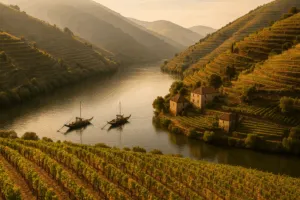
Spring (April through June) brings wildflower blooms across the countryside, lower humidity, and fewer tourists clogging the narrow streets of Porto and the Douro Valley. You’ll pay less for accommodation than in summer, and restaurant reservations are actually possible without booking three weeks ahead. Fall (September through October) delivers nearly identical conditions but with the added bonus of grape harvest season if you’re planning to visit wine country.
Summer: Beauty with Trade-Offs
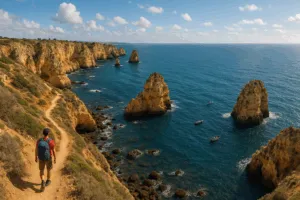
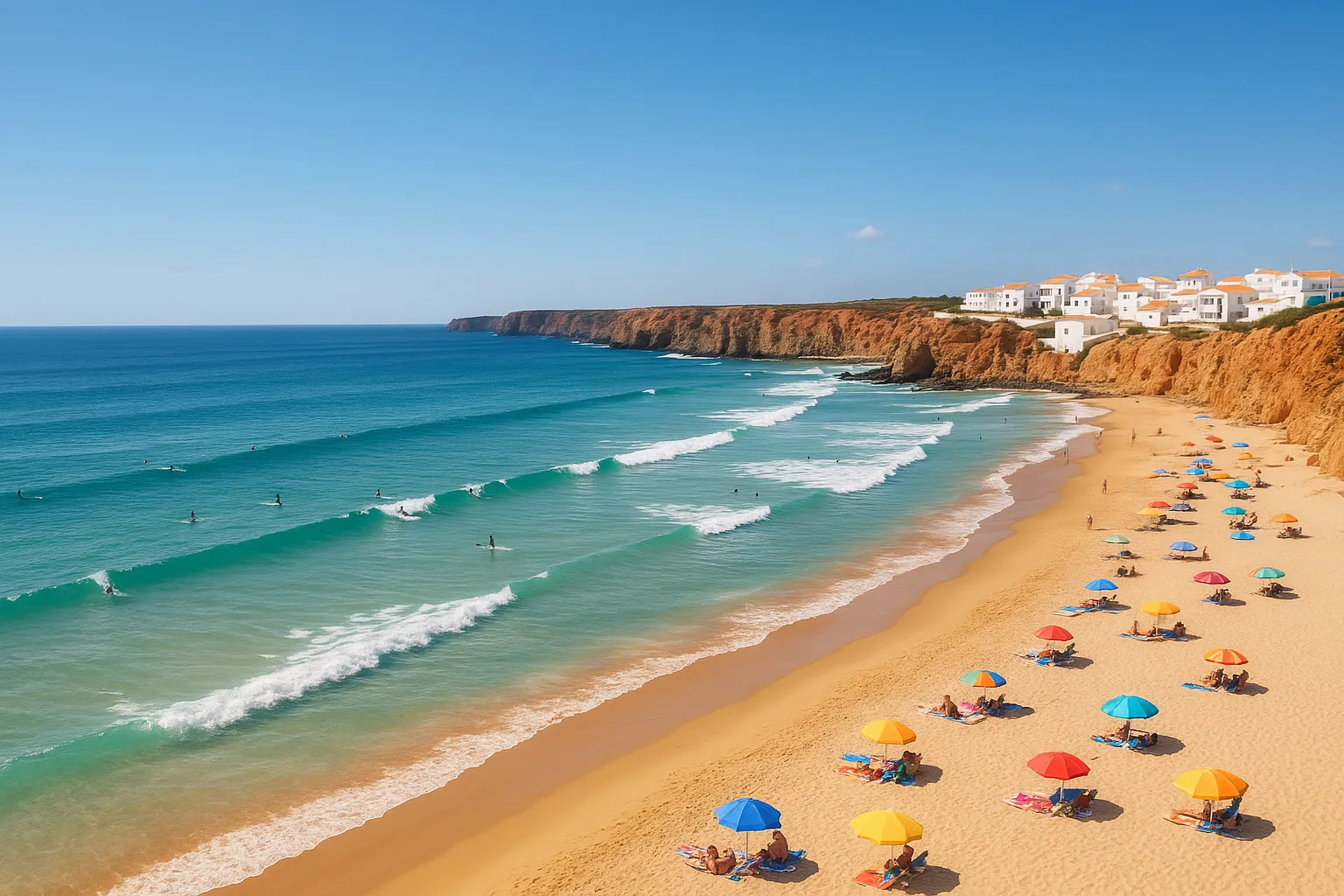
July and August are undeniably beautiful — the Algarve’s beaches are crystalline blue, and the weather is absolutely reliable. But there’s a catch: this is when Portugal’s entire tourism industry goes into overdrive. Popular attractions become shoulder-to-shoulder experiences, prices spike noticeably, and you’ll find yourself navigating crowds rather than genuinely experiencing places.
If you must travel in summer, consider visiting less-touristy areas like the Silver Coast north of Lisbon or inland regions like the Beira Interior. You’ll still get excellent weather without the Algarve beach scene feeling like a theme park.
Winter: Quiet Beauty (With Caveats)
December through February is when Portugal reveals its quieter side. Hotels and restaurants are practically empty, prices drop significantly, and you get to experience Portuguese life as locals actually live it. The trade-off is obvious: rain is common, especially in the north, and while temperatures rarely drop below freezing, days are shorter and often grey.
Winter works well if you’re interested in urban exploration (Lisbon and Porto are lovely in winter light), wine tastings, or food-focused travel. It’s less ideal if you’re dreaming of beach days or hiking long distances in mountain regions.
The Sunscreen That Survived a Week of Portuguese Sun (and My Skepticism)
Portugal in peak season means relentless sun bouncing off white-washed buildings and reflecting off the Atlantic, and I learned the hard way that “I’ll just reapply the travel-size stuff I brought” is how you end up looking like a lobster for your anniversary dinner. This became painfully obvious during our first full day in the Algarve, when I realized I’d severely underestimated the intensity of reflected sun in a place where nearly every surface is white or pale stone.
What works
- It actually stays put when you’re sweating through cobblestone walking tours and doesn’t turn your face into a greasy slip-n-slide within an hour.
- SPF 70 is serious enough that you’re not reapplying every thirty minutes like you’re at a public pool, which means less disruption to your day (and your camera roll).
- It doesn’t leave that chalky white cast on darker skin tones, which matters when you’re trying to look like yourself in photos, not a ghost.
What doesn’t
- The bottle is bulkier than the minimalist travel sunscreen I usually grab, so if you’re packing light, you’ll notice it in your beach bag.
- It’s not reef-safe, which matters if you’re planning to snorkel in the Algarve’s protected coves (pack reef-safe instead for water days).
I almost ditched it for something “better” on day three when the pump stopped working cleanly, but then I realized I hadn’t gotten burned—and that’s the whole point. Grab this Neutrogena SPF 70 sunscreen before you go.
Regional Variations Worth Knowing
Northern Portugal (Porto, Covilhã, the Douro Valley) tends to be cooler and wetter year-round compared to the Algarve in the south. If you’re visiting in April, pack a light rain jacket for the north but bring summer clothes for the south. The central region around Covilã offers a middle ground in terms of climate and crowds.
The Bottom Line
There’s genuinely no bad time to visit Portugal, only different experiences. If you want guaranteed sun, cultural immersion without overwhelming crowds, and comfortable temperatures, aim for May or September. If you’re flexible and don’t mind rain or smaller windows of sunshine, winter offers unbeatable value and authenticity. Summer is stunning but crowded and expensive. Choose based on what matters most to you—weather, solitude, or season-specific experiences—and you’ll have an unforgettable trip.
May and September are the single best times to visit Portugal. These shoulder seasons offer warm temperatures comfortable for light layers and shorts, without the extreme heat of summer. You’ll encounter fewer tourists, pay less for accommodation, and find restaurant reservations easier to secure than in peak season. Pack differently depending on region. For Northern Portugal (Porto, Covilhã, the Douro Valley), bring a light rain jacket since the north tends to be cooler and wetter year-round. For the south, pack summer clothes. The central region around Covilhã offers middle-ground conditions between north and south. Winter (December through February) works well for urban exploration, wine tastings, and food-focused travel in Lisbon and Porto, with significantly lower prices and fewer crowds. However, rain is common—especially in the north—days are shorter and often grey, and it’s less ideal if you want beach days or mountain hiking. July and August bring crowds to popular attractions, noticeably higher prices, and an overwhelming tourism industry. The Algarve’s beaches feel like a theme park. Consider visiting less-touristy areas like the Silver Coast north of Lisbon or inland regions like the Beira Interior for better experiences.Season Temperature & Weather Crowds & Prices Best For Spring (April-June) Warm, light layers and shorts comfortable, lower humidity Fewer tourists, lower accommodation prices Wildflower blooms, wine country Summer (July-August) Absolutely reliable, crystalline blue beaches Shoulder-to-shoulder crowds, noticeably higher prices Beach days (Algarve theme park feeling) Fall (September-October) Nearly identical to spring conditions Fewer tourists than summer Grape harvest season, wine country Winter (December-February) Rarely below freezing, shorter grey days, rain common Practically empty, prices drop significantly Urban exploration, wine tastings, food travel Frequently Asked Questions
Is May or September the best time to visit Portugal?
What should I pack for Portugal in April?
Is Portugal worth visiting in winter?
What are the downsides of traveling to Portugal in summer?
About This Article

Written by Elena Vasquez. Elena Vasquez is a full-time traveler and the founder of Witty Passport. Over fifteen years and more than 50 countries across six continents — including a stretch spent leading groups professionally through Southeast Asia and the remote highlands of South America — she's written the kind of destination guides she always wished existed: practical, specific, and built on real experience rather than recycled itineraries. More about this site.
Scope and limits. Elena is a full-time traveler, not a licensed travel agent or immigration adviser. Entry requirements, visa rules, and advisories change without notice — always confirm against the official government source for your destination and passport before booking.
Verify this against a primary source
Specifics change, and your situation may differ from the one described here. These are the authorities worth checking directly:
- U.S. Department of State — entry requirements and travel advisories
- CDC Travelers' Health — vaccination and health notices by destination
- TSA — current carry-on and screening rules