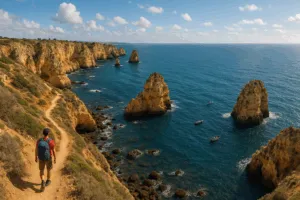
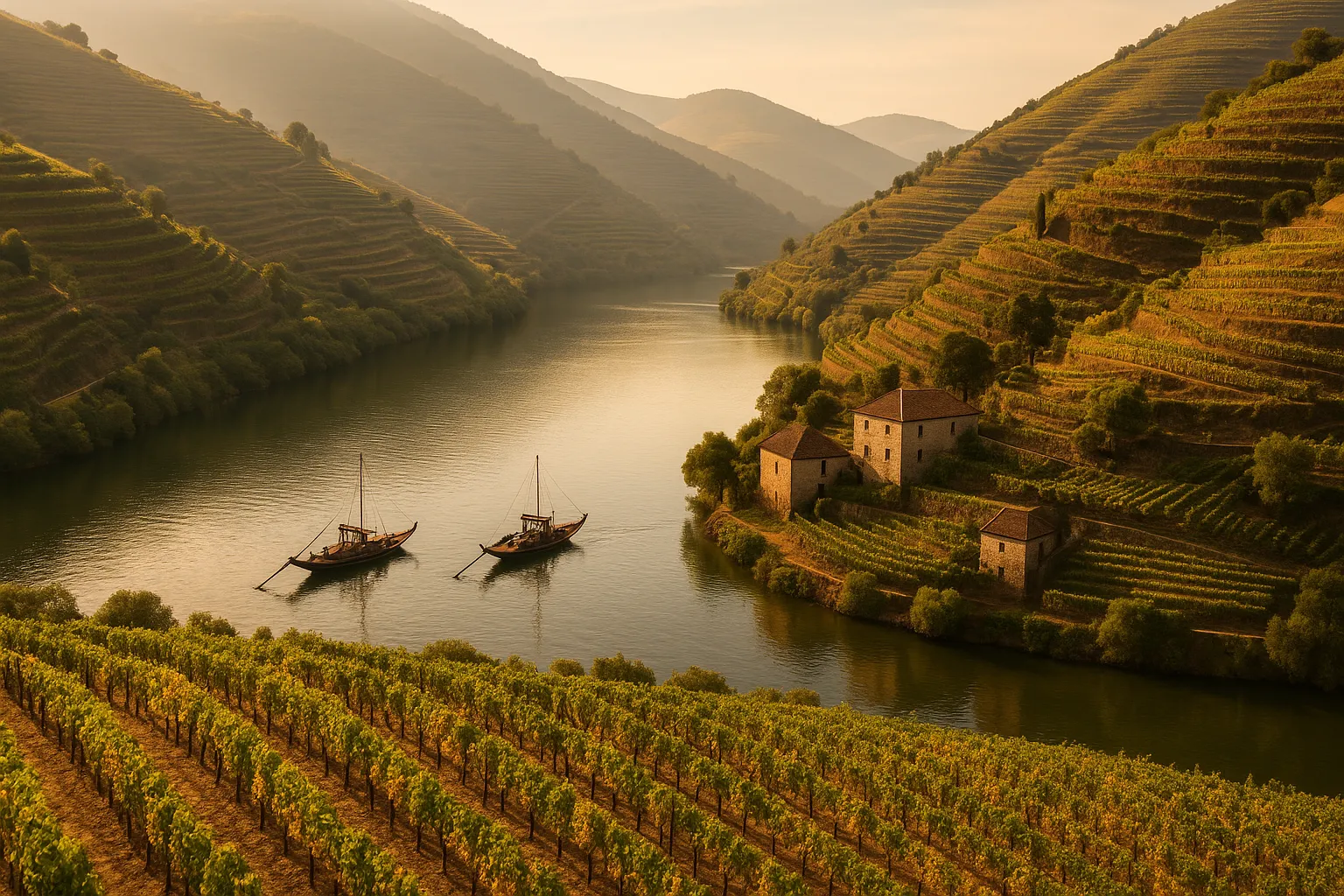
Thirty-two years old, zero gap years taken, and a two-week Portugal itinerary that came in under $1,400 all-in — that’s the math that finally got me moving after fifteen years of putting off the trip I’d promised myself at seventeen. I’d done everything in the “correct” order: high school, college, straight into a career, no detours. Then a friend casually mentioned she was flying to Portugal to spend a fortnight doing nothing but drinking wine and wandering vineyards, and I said yes before she’d even finished the sentence. What caught me off guard wasn’t the trip itself — it was how enormous that world turned out to be. Portugal isn’t just Port (we’ll get there, promise); it’s a country of wildly different landscapes, from steep terraced hillsides in the north to sun-baked plains down south, and every single region pours its own distinct story into the glass. This is the guide I wish someone had handed me before I left.
The Sunscreen I Reapplied Every Two Hours in the Douro Valley
Portugal’s wine regions sit at a latitude well south of most American wine country, and the sun bounces off those terraced hillsides with a ferocity I badly underestimated. Three days into hopping between tasting rooms, my shoulders had turned into a walking warning label — that’s when reapplying high-SPF sunscreen stopped being a nice idea and became basic survival.
Where This Sunscreen Delivers
- The lotion stays non-greasy even in the heat, so you’re not wiping a sweaty sunscreen slick into your eyes on the walk between vineyard rows
- SPF 70 genuinely holds through two full hours of walking, tasting, and stopping for photos — no mid-afternoon dread that you’ve quietly gotten scorched
- It’s light enough to toss in a day pack without noticing the extra weight, and it’s sold everywhere — even the tiny farmstand shops out in rural wine villages stock it
Where It Falls Short
- The two-hour reapplication window is non-negotiable if you’re outside that long, which means keeping it on hand and actually remembering to use it — there’s no set-it-and-forget-it version of this sunscreen
- Go heavy-handed with it and it can leave a faint white cast on darker skin tones, so finding the right amount takes a little practice
I nearly skipped reapplying on day five because I was too absorbed in a winemaker’s story about his family’s 200-year-old vineyard — and paid for it with a painful burn line where my hat brim ended. Neutrogena Sunscreen Lotion Beach Defense SPF 70 won’t fix that mistake, but it’ll prevent the next one.
Frequently Asked Questions
How much did a two-week Portugal wine trip cost you?
My two-week Portugal itinerary came in under $1,400 all-in. That covered everything for the trip, though your costs will vary depending on your travel style, accommodation choices, and how many tastings and meals you do in the wine regions.
What sunscreen do you recommend for Portuguese vineyard hiking?
I used Neutrogena Sunscreen Lotion Beach Defense SPF 70. The sun in Portugal’s wine regions bounces off terraced hillsides intensely, so high-SPF sunscreen is essential. This lotion stays non-greasy in heat and holds through two hours of walking and tasting before needing reapplication.
How often should I reapply sunscreen in the Douro Valley?
You need to reapply high-SPF sunscreen every two hours if you’re outside that long. I learned this the hard way after three days of vineyard hopping—the two-hour reapplication window is non-negotiable to prevent painful burns.
What makes Portugal’s wine regions so different from each other?
Portugal has wildly different landscapes across its wine regions, from steep terraced hillsides in the north to sun-baked plains down south. Every single region pours its own distinct story into the glass, creating vastly different wine experiences depending on where you visit.
About This Article

Written by Elena Vasquez. Elena Vasquez is a full-time traveler and the founder of Witty Passport. Over fifteen years and more than 50 countries across six continents — including a stretch spent leading groups professionally through Southeast Asia and the remote highlands of South America — she's written the kind of destination guides she always wished existed: practical, specific, and built on real experience rather than recycled itineraries. More about this site.
Scope and limits. Elena is a full-time traveler, not a licensed travel agent or immigration adviser. Entry requirements, visa rules, and advisories change without notice — always confirm against the official government source for your destination and passport before booking.
Verify this against a primary source
Specifics change, and your situation may differ from the one described here. These are the authorities worth checking directly:
- U.S. Department of State — entry requirements and travel advisories
- CDC Travelers' Health — vaccination and health notices by destination
- TSA — current carry-on and screening rules