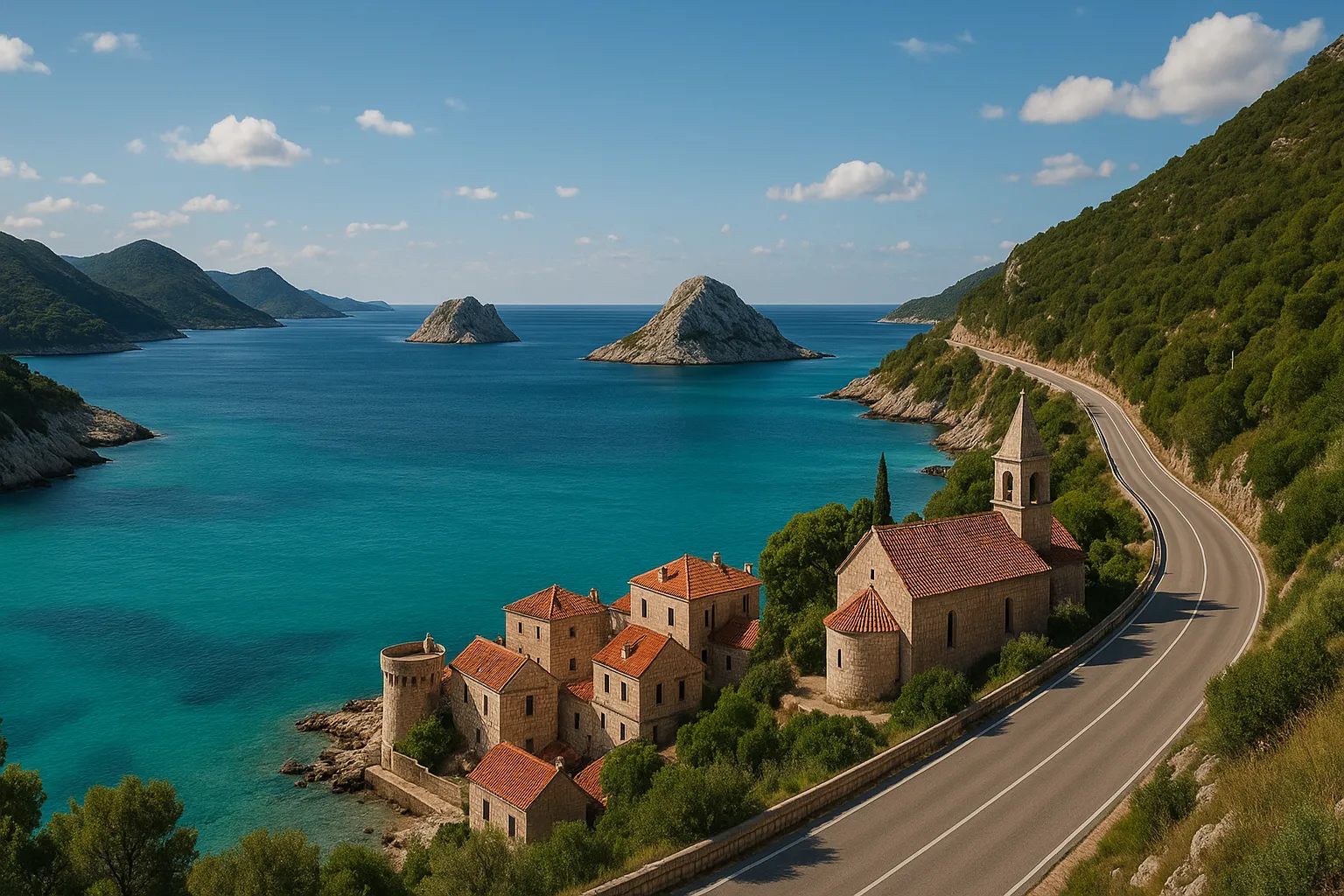
Most guidebooks describe Diocletian’s Palace in Split as a wander-through-anytime ruin that costs nothing to see — technically accurate, except the underground cellars and a handful of the best chambers charge separately, something like 45 kuna, and I watched half my tour groups miss them entirely because nobody bothered to say so. That gap between what’s written online and what’s actually true is part of why I started paying closer attention the year I quit my job with nothing else lined up. Everyone around me assumed I was unraveling. Fair enough, honestly. But the breakdown and the one-way ticket I bought — to Croatia, it turned out — were really the same event, not two separate ones. What I found there was a country of nearly absurd range: sun-soaked islands, Roman ruins still living inside daily life, a capital that refuses to quiet down before 3am, and national parks silent enough to let you hear your own thoughts again. That range is exactly why this guide moves region by region — Croatia pays off for travelers who plan with intention, and that’s what I’m laying out here.
The One Piece of Gear I Refuse to Skip on Croatia’s Rocky Beaches
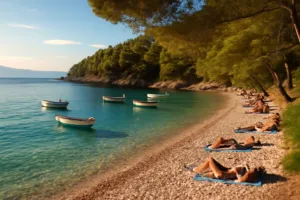
Croatia’s coastline photographs beautifully, but it’s less forgiving than it looks — most beaches are stone or pebble, and the limestone beneath the water is sharp enough to draw blood before you even register the cut. I found this out during my first week, limping back from what was meant to be a leisurely swim. Before I break down the regions, there’s one piece of gear worth mentioning up front.
Where They Held Up
- Traction stayed solid even on the slick stone at Bačvice, a beach with a reputation for being treacherous underfoot, and I never once slipped, even crossing patches crusted with barnacles.
- They compress down small enough to disappear into a daypack, which matters when you’re hopping between islands with nothing more than a carry-on.
- The mesh dries fast enough that you can slide them back on right after toweling off your feet, rather than standing around barefoot and dripping while you wait.
Where They Fell Short
- They photograph a little clunky — enough that I skipped wearing them for a few shots and instantly regretted it when my heel caught a rock.
- Sizing runs narrow, so wider feet may need to size up, which brings some heel slippage along with it while walking.
I nearly left them behind before my second island, convinced they’d clash with everything else I’d packed, but one sliced-open toe would have cost me an entire week of exploring. If you plan on actually getting into the water anywhere in Croatia, grab these water shoes.
Dalmatia: The Region That’ll Eat Your Whole Itinerary
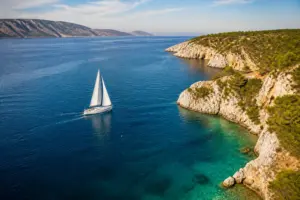
Dalmatia, the southern stretch of coast, is the postcard version of Croatia most people carry around in their heads. Dubrovnik pulls in the crowds, and rightly so, but if you’re staying longer than a couple of days, base yourself in Split instead. You get the same Adriatic pull without the constant tour buses, and it sets you up perfectly for reaching the islands.
Hvar and Vis both sit within easy day-trip range of Split. Hvar leans into nightlife and beach culture; Vis stays quieter and feels less packaged, with fewer tourists and noticeably better local food. The ferries run often enough and reliably enough that you can island-hop freely without committing a full week to any single stop.
Don’t skip Diocletian’s Palace back in Split — the ruins aren’t roped off as a museum piece but folded straight into the working city, so you’ll be walking past 1,700-year-old structures while someone’s laundry dries off a Roman column overhead. It’s an odd, genuinely moving thing to witness.
Central Dalmatia: Where the Crowds Thin Out but the Charm Doesn’t
Skip past overrun Dubrovnik and head into central Dalmatia, where towns like Zadar and Trogir hold onto their medieval feel without the cruise-ship crush. Zadar caught me off guard — the Sea Organ, a sound installation where incoming waves force air through pipes tucked beneath the pavement, is worth giving an entire evening to on its own. It sounds like the coast itself breathing.
Trogir looks almost too pretty to be real, yet it’s small enough that you can cover the whole old town on foot in about an hour. Stay for lunch, wander the marble-paved lanes, then push on to Krka or Plitvice Lakes for hiking and swims beneath the waterfalls. Both parks are genuinely stunning and each deserves a full day rather than a rushed pass-through.
Istria: The Peninsula Everyone Overlooks
Istria, tucked up in Croatia’s far north, doesn’t feel like the rest of the country at all — Italian and Austrian influence shows up everywhere, and the landscape turns into rolling green hills, truffle farms, and villages set on hilltops. If you want to step away from the coast entirely for a few days, this is the place to do it. Rovinj functions as the main draw for tourists, but push inland to somewhere like Motovun and it feels like you’ve slid back a few decades in time.
The food here more than justifies the detour: fresh pasta, local wine, and truffles folded into nearly everything, with prices that still come in well below most of Western Europe. This is the region to slow down in — take a small apartment for a while and actually cook using what you find at the market.
Logistics Worth Knowing Before You Go
Aim for late May through early June, or September into October — warm enough to swim comfortably without the cities tipping into unbearable. Travel in July or August and you’ll need to book months ahead and accept higher prices across the board. Ferry timetables also shift with the season, so confirm routes in advance if island-hopping is part of your plan.
Rent a car if your route covers more than one region; public transport works well enough but won’t give you the same freedom. And yes — pack the water shoes. I’m not exaggerating.
The underground cellars and several of the best chambers charge separately, something like 45 kuna, though the palace itself is free to wander through as it’s folded into the working city rather than roped off as a museum piece. Hvar and Vis both sit within easy day-trip range of Split. Hvar leans into nightlife and beach culture, while Vis stays quieter and feels less packaged, with fewer tourists and noticeably better local food. Aim for late May through early June, or September into October — warm enough to swim comfortably without the cities tipping into unbearable. Travel in July or August and you’ll need to book months ahead and accept higher prices across the board. Trogir is small enough that you can cover the whole old town on foot in about an hour, though the author recommends staying for lunch and wandering the marble-paved lanes before moving on to nearby parks.Frequently Asked Questions
How much does it cost to see Diocletian’s Palace cellars in Split?
Which Croatian islands can I day-trip from Split?
What’s the best time to visit Croatia to avoid crowds?
How long does it take to explore Trogir’s old town?
About This Article

Written by Elena Vasquez. Elena Vasquez is a full-time traveler and the founder of Witty Passport. Over fifteen years and more than 50 countries across six continents — including a stretch spent leading groups professionally through Southeast Asia and the remote highlands of South America — she's written the kind of destination guides she always wished existed: practical, specific, and built on real experience rather than recycled itineraries. More about this site.
Scope and limits. Elena is a full-time traveler, not a licensed travel agent or immigration adviser. Entry requirements, visa rules, and advisories change without notice — always confirm against the official government source for your destination and passport before booking.
Verify this against a primary source
Specifics change, and your situation may differ from the one described here. These are the authorities worth checking directly:
- U.S. Department of State — entry requirements and travel advisories
- CDC Travelers' Health — vaccination and health notices by destination
- TSA — current carry-on and screening rules