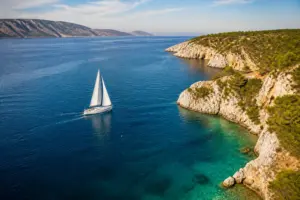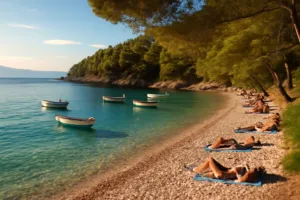
I booked this trip at 11pm on a Tuesday after a meeting where someone used the phrase “synergize our deliverables” for the third time in an hour — my corporate brain needed an escape hatch, and fast. I typed “somewhere beautiful, somewhere with good food, somewhere not here” into a search bar, and within twenty minutes I had a one-way flight to Croatia’s Istrian peninsula sitting in my inbox. What I found there — rolling green hills, medieval hilltop villages, and a food scene so rooted in honest, local ingredients it felt almost defiant — was nothing like the glossy Tuscany comparisons I’d read about beforehand. Istria is its own thing entirely: a place where Slavic soul and Italian influence have been quietly simmering together for centuries, producing world-class olive oils, prized truffles, and the kind of meals that make you forget, mercifully, what a deliverable even is.
The Real Istrian Kitchen: Beyond the Tourist Trail
Most food guides to Istria point you toward the same five restaurants in Rovinj and call it done. Don’t do that. The real food story happens in the villages — places like Grožnjan, Motovun, and Buje — where local families still cook the way their grandmothers did, and you’ll find Michelin-worthy meals served at wooden tables with no pretense whatsoever.
Start with the truffles. Istria’s white truffles are world-famous for a reason, and the best time to find them is September through November. You’ll see them shaved over pasta, risotto, and eggs at restaurants throughout the region, but the experience changes completely when you visit a truffle hunter’s kitchen. Several local guides offer visits to family homes where you can taste a five-course meal centered entirely on truffles — something you simply can’t replicate elsewhere.
The olive oils here are equally serious. The region produces some of Europe’s finest, with a peppery finish that has nothing to do with the mass-produced bottles you find at home. Visit a mill during harvest season (October through November) and you’ll understand why locals treat it like liquid gold. Many producers offer tastings paired with local cheese and bread — it’s a small investment that completely reframes how you think about cooking once you’re home.
What to Eat: The Non-Negotiables
Istrian pasta with fuži or pljukanci. These hand-rolled noodles are thicker and chewier than standard pasta, and they hold rich sauces — wild boar ragù, truffle cream, fresh seafood — in ways that matter. Order them anywhere, but taste them first at a family-run konoba (traditional tavern) in a village, not a tourist-facing spot.
Fresh seafood pasta. The Adriatic coast is minutes away, and it shows. Pasta with scallops, squid, or local fish is textbook simple and textbook excellent. Ask what came in that morning and order that.
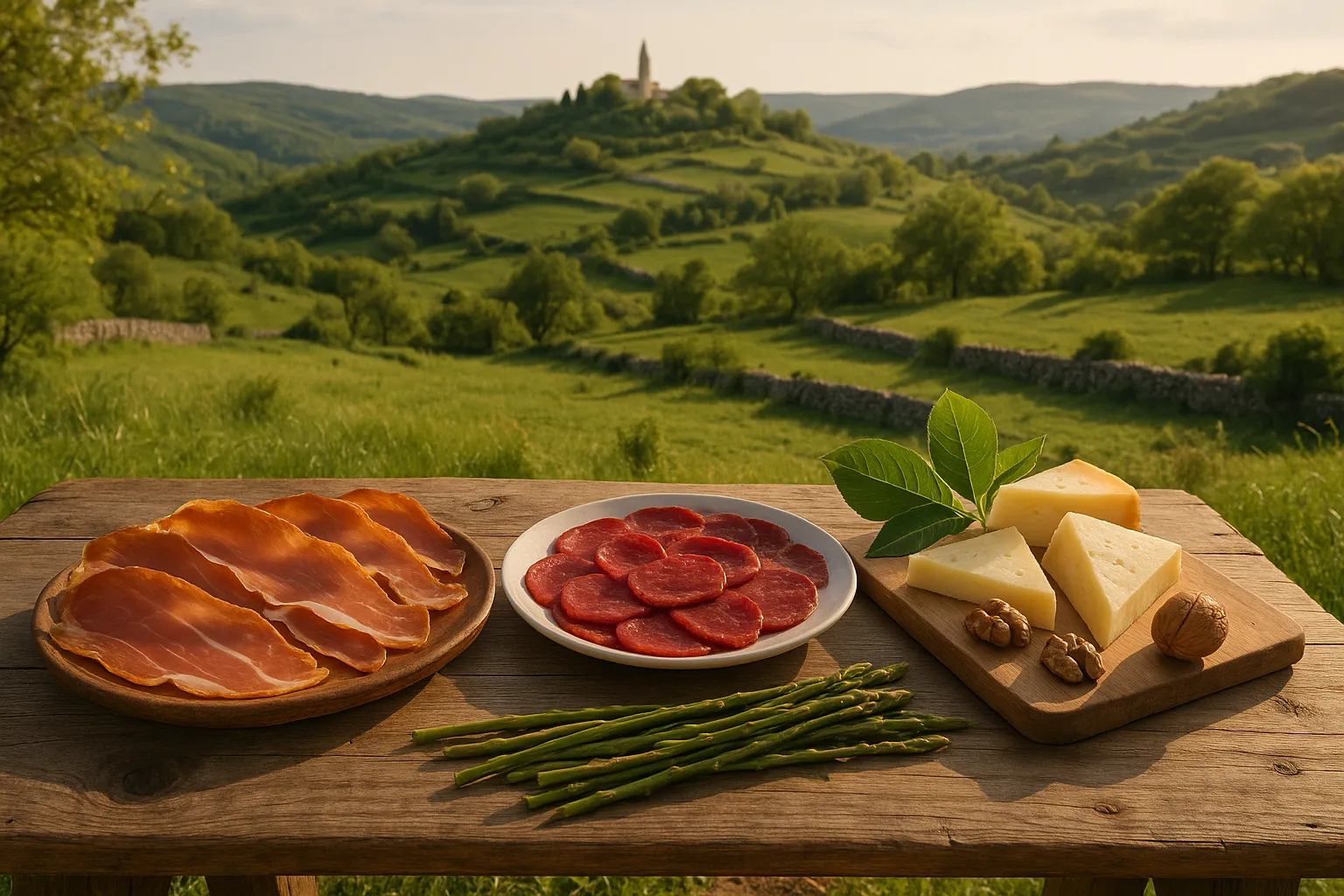
Prosciutto and cheese. San Daniele-style prosciutto from nearby is available here, but Istrian versions are equally good and far less expensive. Pair it with local cheese (try Istrian hard cheeses made from Boškarin cattle) and you have a perfect lunch.
Brodetto. This fisherman’s stew is the soul of Istrian coastal cooking — tomato-based, packed with whatever the catch was that day, traditionally served with polenta. Every family makes it slightly differently, which gives you an excuse to order it everywhere.
Why I Stopped Buying Bottled Water in Istrian Villages
Istria’s hilltop towns are gorgeous, but their convenience stores aren’t. After day two of lugging plastic bottles up medieval cobblestone streets and watching my trash pile grow while my wallet shrank, I realized I needed something that actually worked with the landscape, not against it.
What works
- The filter actually tastes like it’s doing something — I filled it from a sketchy fountain near Motovun and didn’t spend the evening regretting it.
- Light enough that carrying it all day exploring doesn’t feel like penance, but substantial enough it doesn’t collapse when you’re hiking between villages.
- Saves money fast in a region where bottled water at a café costs more than an espresso, which is saying something.
What doesn’t
- The filter needs replacing after about 100 fills, which is fine at home but leaves you stranded if you’re mid-trip and didn’t pack a spare.
- It’s slower than you’d think — impatient water drinkers will get frustrated waiting for the filter to do its job.
I nearly ditched it after day one when the flow rate felt painfully slow, but by day three I realized I was filling it from questionable sources I would have avoided otherwise — which was exactly the point. Grab a filtered water bottle before you go.
Practical Logistics: Timing Your Visit
The food calendar in Istria matters. Spring (April and May) brings fresh vegetables and lighter preparations. Summer is peak season and peak prices — beautiful, but crowded. Fall (September through November) is honestly the sweet spot: truffle season, fresh seafood still abundant, weather still warm, and fewer tourists sharing your table. Winter quiets things down significantly, though many restaurants stay open.
Book accommodations in the villages themselves, not coastal resorts. Stay in Motovun, Grožnjan, or Buzet, and you’re living where the food actually is. Walk to dinner, taste wine at a local enoteca afterward, sleep well.
White truffles are available September through November, and that’s when you’ll find them shaved over pasta, risotto, and eggs at restaurants throughout the region. Fall is also the sweet spot for visiting overall—truffle season, fresh seafood still abundant, weather still warm, and fewer tourists sharing your table. Grožnjan, Motovun, and Buje are where local families still cook the way their grandmothers did, and you’ll find Michelin-worthy meals served at wooden tables with no pretense. Book accommodations in these villages themselves, not coastal resorts, so you’re living where the food actually is. Many producers offer tastings paired with local cheese and bread during harvest season, which runs October through November. Visiting a mill during this time helps you understand why locals treat olive oil like liquid gold. Brodetto is a fisherman’s stew and the soul of Istrian coastal cooking—tomato-based, packed with whatever the catch was that day, and traditionally served with polenta. Every family makes it slightly differently, so it’s worth ordering everywhere you eat.Frequently Asked Questions
What months are best for eating fresh truffles in Istria?
Which Istrian villages have the best local food?
When can I visit Istrian olive oil mills?
What is brodetto and where do I find it?
About This Article

Written by Elena Vasquez. Elena Vasquez is a full-time traveler and the founder of Witty Passport. Over fifteen years and more than 50 countries across six continents — including a stretch spent leading groups professionally through Southeast Asia and the remote highlands of South America — she's written the kind of destination guides she always wished existed: practical, specific, and built on real experience rather than recycled itineraries. More about this site.
Scope and limits. Elena is a full-time traveler, not a licensed travel agent or immigration adviser. Entry requirements, visa rules, and advisories change without notice — always confirm against the official government source for your destination and passport before booking.
Verify this against a primary source
Specifics change, and your situation may differ from the one described here. These are the authorities worth checking directly:
- U.S. Department of State — entry requirements and travel advisories
- CDC Travelers' Health — vaccination and health notices by destination
- TSA — current carry-on and screening rules