Here’s a number that trips people up: open house windows for California LDS temples typically run just two to four weeks, then vanish entirely for years, sometimes decades, until the next renovation. That timing detail changes everything about how you should plan a visit, and it’s tied directly to what you’re allowed to wear. If you’re heading inside during one of these rare windows, aim for modest business-casual church attire. If you’re only walking the grounds or visitor center outside that window, there’s no dress requirement whatsoever. I hit this exact question while mapping out a Bay Area trip and couldn’t find a clear answer anywhere, so I’m laying it out plainly here.
| Location | Access | Dress Code | Duration |
|---|---|---|---|
| Temple interior during open house | Public (few weeks only) | Modest business-casual, knee-length+ dresses/slacks, covered shoulders, collared shirt for men | 30 to 60 minutes |
| Temple grounds | Public year-round | No dress requirement | Anytime |
| Visitor center | Public year-round | No dress requirement | Anytime |
The Real Story Behind LDS Temple Open House Attire Rules
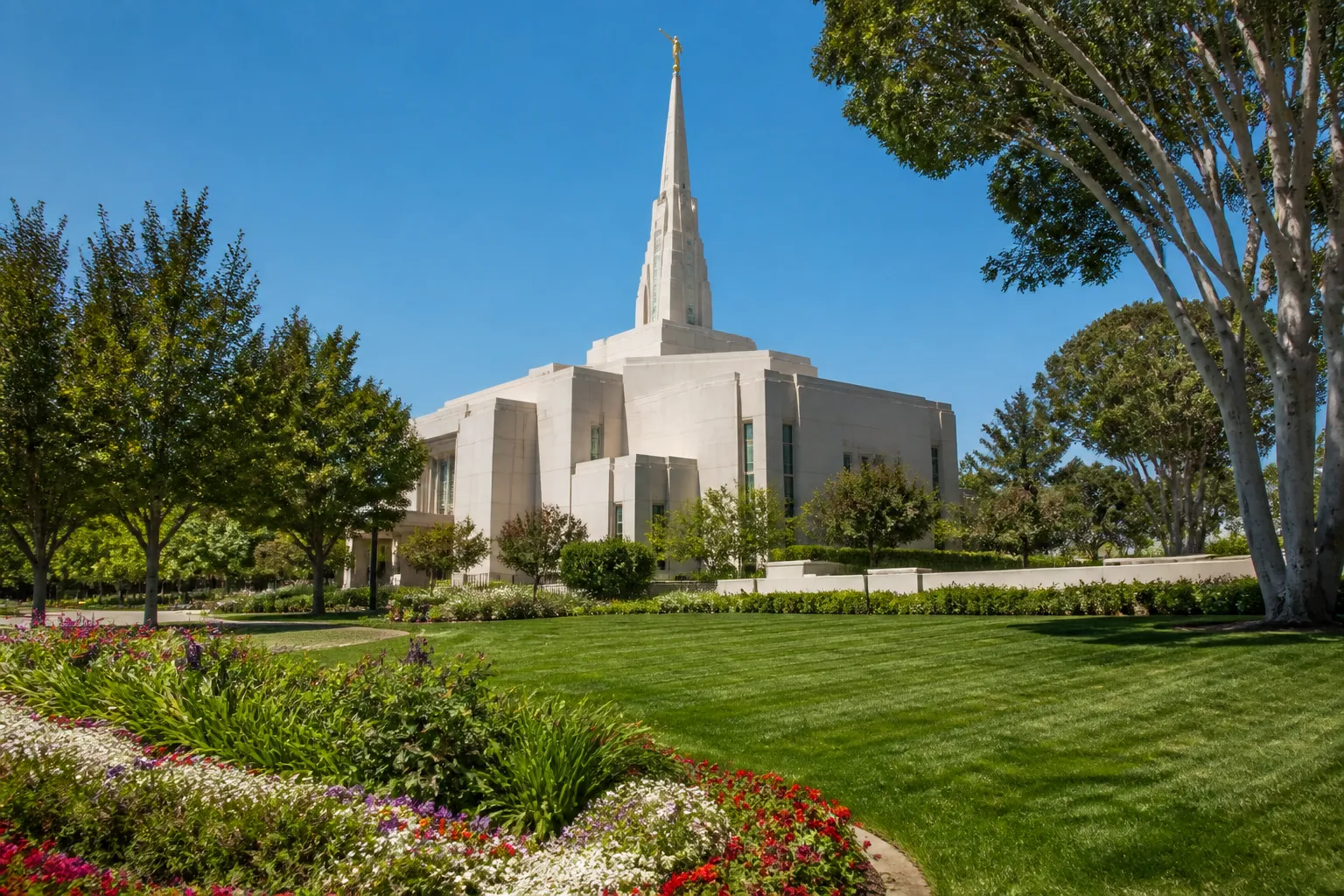
Start with the fact that surprises most visitors: California’s LDS (Church of Jesus Christ of Latter-day Saints) temples aren’t sightseeing stops in the usual sense. Once a temple is formally dedicated, entry is limited to members holding a valid recommend — everyone else is shut out. The single exception is a short public open house, usually lasting a few weeks, offered before a brand-new temple’s dedication or following a significant renovation. That narrow stretch of time is the only chance outsiders get to see the interior.
Several California temples have gone through this, including Oakland’s after its renovation work, and it keeps happening as the state adds new temples. Miss that open house window and the door stays closed — though the grounds and visitor center remain open to anyone, anytime, no ticket or invitation needed.
Let’s break down both scenarios:
Inside the temple during a public open house:
- Aim for modest business-casual — picture your best Sunday church outfit, not ceremonial robes or anything ritual-related (sacred garments and white clothing belong to members inside a dedicated, functioning temple, never to open house visitors)
- Women should go with knee-length or longer dresses and skirts, or modest dress slacks — covered shoulders, conservative necklines, and nothing sleeveless or plunging
- Men need a collared shirt paired with slacks — a tie adds polish but isn’t mandatory; steer clear of jeans and gym clothes
- Expect to slip disposable shoe covers on over your own footwear before entering — nobody removes their shoes, the booties just protect the floors
- Cameras and phones stay put — no photos allowed once you’re inside
- You’ll move through with a guided group, budget roughly 30 to 60 minutes, and the mood stays quiet and reverent throughout
On the grounds or inside the visitor center, regardless of timing:
- Nothing to worry about here — everyday casual clothing works fine
- The exterior spaces stay open to the public most of the time, and the architecture and gardens alone make the stop worthwhile
- Visitor center staff are approachable and glad to field questions, with zero pressure and zero clothing rules
The California temples most people look up: Oakland, Los Angeles, Newport Beach, Sacramento, Fresno, and San Diego all sit on grounds open to visitors. Open house timing shifts constantly — to check whether a temple near you has one scheduled, look at the official listing on churchofjesuschrist.org and search their open house announcements page. Local news outlets and community programs tend to spread the word too.
Outfit Ideas That Actually Work for a Temple Open House
For women, a modest midi or maxi dress solves nearly every problem at once — it hits at or past the knee, covers the shoulders once you add a cardigan or pick a sleeved cut, and avoids anything too tight or revealing. Pairing a blazer with a blouse and dress pants is another solid route.
If you’re looking for something that travels well and fits the modest dress requirement without feeling stuffy, a loose, relaxed midi dress is a smart pick. Something like the ANRABESS Women’s Casual Midi Dress — wrinkle-free, flowy, and hits below the knee — fits the brief perfectly, especially if you pair it with a light cardigan to cover your shoulders.
For men, a collared button-down (tucked or not, either is fine), dress slacks or chinos, and clean loafers or dress shoes will do the job. Leave the jeans, sneakers, and t-shirts at home.
A few logistics worth flagging: California’s climate swings hard depending on region, so layer with that in mind — the interior during an open house is usually air-conditioned and hushed. Visiting the Central Valley (Fresno, Sacramento) in summer means you’ll want breathable fabric that still stays fully covered. Coastal locations like Newport Beach or San Diego can turn chilly once evening hits.
Slip-Ups to Avoid and Extra Context Before You Head Out
The most common misstep: people assume the temple is tourable year-round, then arrive to discover the open house wrapped up weeks earlier. Double-check the dates before building a trip around this. These windows run short — often just two to four weeks — and they don’t get extended for latecomers.
The second misstep runs in either direction — dressing too formally or too casually. This isn’t a remove-your-shoes, cover-your-head situation you might find at religious sites elsewhere in the world, but it’s also not somewhere shorts and a tank top belong. Modest business-casual is the frame to hold in your head. When in doubt about an outfit, ask whether you’d wear it to a traditional church wedding — if the answer’s yes, you’re set.
I dig into dress codes tied to specific places and cultures more broadly in Cultural Clothing Expectations: How to Dress Appropriately When Traveling Internationally and What to Wear When Traveling: A Global Guide to Cultural Dress Expectations — worth a read if you’re navigating religious or cultural sites beyond this one.
One last thing: the whole open house experience is warm and pressure-free. The staff you’ll meet are friendly, informative, and there’s zero expectation that you’re a member or thinking about joining.
Once you understand the context, nailing the dress code for a California temple tour isn’t complicated — modest, covered, and respectful covers it. If an open house lines up with your travel plans, lock in the dates early, dress accordingly, and you’ll walk away having seen one of the state’s more architecturally impressive religious buildings from the inside.
Frequently Asked Questions
How long do California LDS temple open houses typically last?
Open house windows for California LDS temples typically run just two to four weeks, then vanish entirely for years, sometimes decades, until the next renovation. Miss that window and the door stays closed to the public, though grounds and visitor centers remain open to anyone.
What should women wear inside an LDS temple during open house?
Women should wear knee-length or longer dresses and skirts, or modest dress slacks, with covered shoulders and conservative necklines. Nothing sleeveless or plunging is appropriate. A modest midi or maxi dress paired with a cardigan works well, or a blazer with a blouse and dress pants.
Can I take photos inside a California LDS temple open house?
No, cameras and phones are not allowed once you’re inside the temple during an open house. You’ll move through with a guided group for roughly 30 to 60 minutes in a quiet, reverent atmosphere.
What’s the dress code for California LDS temple grounds and visitor centers?
There is no dress requirement for the grounds or visitor center outside of open house windows. Everyday casual clothing works fine, and these exterior spaces stay open to the public most of the time.
About This Article

Written by Elena Vasquez. Elena Vasquez is a full-time traveler and the founder of Witty Passport. Over fifteen years and more than 50 countries across six continents — including a stretch spent leading groups professionally through Southeast Asia and the remote highlands of South America — she's written the kind of destination guides she always wished existed: practical, specific, and built on real experience rather than recycled itineraries. More about this site.
Scope and limits. Elena is a full-time traveler, not a licensed travel agent or immigration adviser. Entry requirements, visa rules, and advisories change without notice — always confirm against the official government source for your destination and passport before booking.
Verify this against a primary source
Specifics change, and your situation may differ from the one described here. These are the authorities worth checking directly:
- U.S. Department of State — entry requirements and travel advisories
- CDC Travelers' Health — vaccination and health notices by destination
- TSA — current carry-on and screening rules