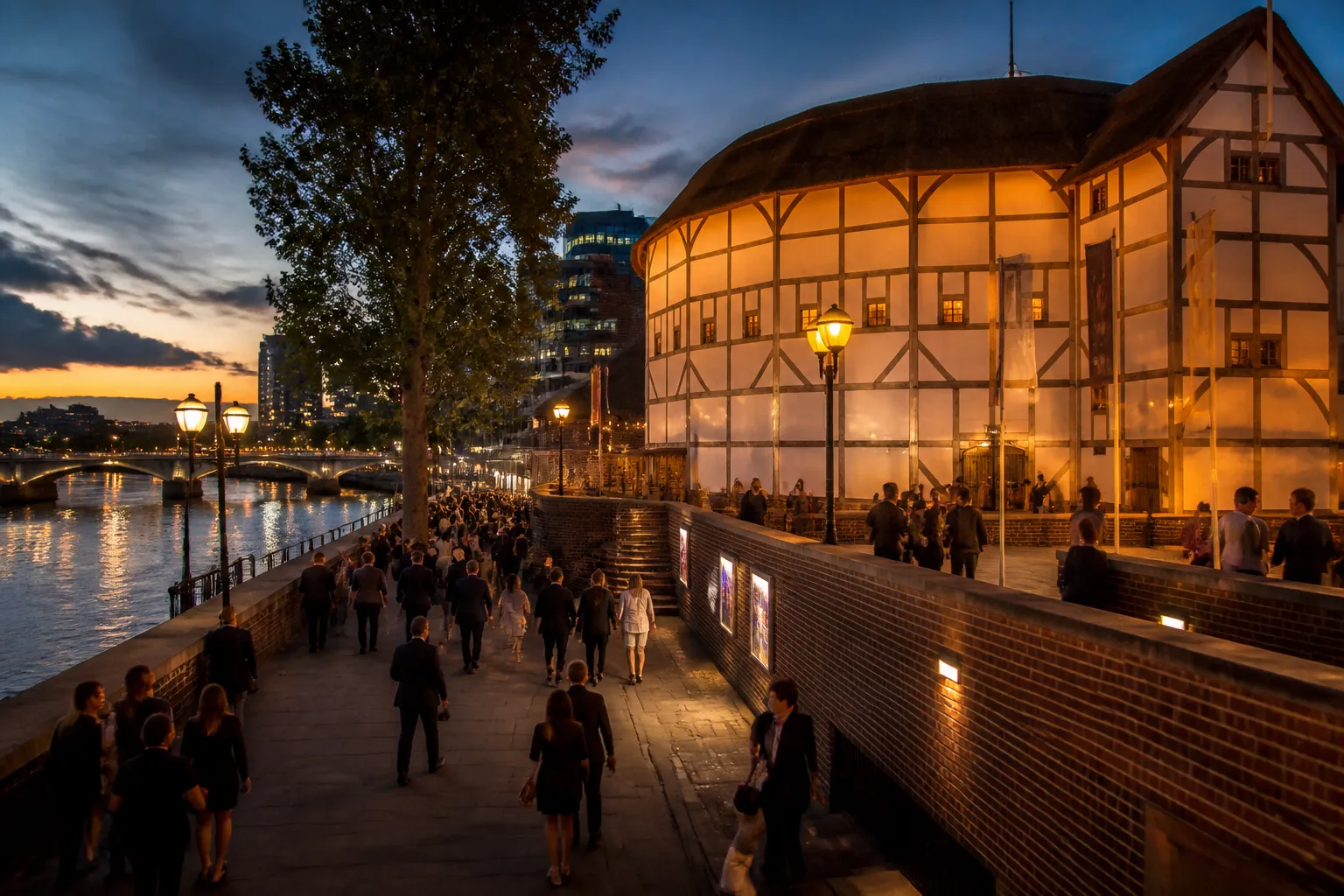
Rain needling sideways off the Thames, I’m planted outside Shakespeare’s Globe watching the evening crowd sort itself into wildly different tribes as showtime approaches. Blazers and pressed trousers file past jeans and trainers. One woman glides by dressed for a black-tie fundraiser. Meanwhile a couple of visitors near the back of the groundling queue are muttering to each other, clearly rattled about whether they’ve gotten this whole thing wrong. Watching that scene unfold, it hit me that what to wear at Shakespeare’s Globe Theatre London trips people up far more than it should — and this particular venue is only the beginning of that confusion.
Heritage sites, historic playhouses, and cultural landmarks tend to carry these unspoken rules about clothing that nobody actually explains to visitors. Temples call for modesty — that much everyone’s absorbed. Opera houses want polish — also common knowledge. But a 400-year-old open-air theater in London? Temple Square in Salt Lake City? The scattered constellation of UNESCO World Heritage Sites across the planet? Most people end up guessing wrong in one direction or the other, and occasionally manage both extremes in a single outfit.
I’ve lived this exact scenario myself, standing outside a museum somewhere in southeast Asia, sweating through a cardigan I couldn’t decide I needed, thumbing through patchy wifi trying to Google the rules. Since then I’ve done the digging, pulled together answers that actually hold up, and I’m laying it all out here — whether you’re headed to a Shakespeare comedy on a Thursday night or a sacred site on the other side of the world.
What to Wear at Shakespeare’s Globe Theatre London: The No-Nonsense Answer
Let’s clear this up right away: there’s no official dress code at the Globe Theatre London. None. The theater’s website is silent on the matter, and staff will simply tell you to wear whatever suits you. Which is helpful in theory and useless in practice, so here’s the actual breakdown by ticket type — because your experience shifts enormously depending on whether you’re sitting or standing.
Groundling Tickets: Lean Into the Mess
Grab a groundling standing ticket (£5–£10, the cheapest way in) and you’ll spend the full two to three hours on your feet in the open-air “yard.” That’s the point, historically speaking — groundlings were the working crowd of Shakespeare’s day, standing, snacking, drinking, and shouting things at the actors. Today’s groundlings carry on the tradition faithfully.
Priority one here is footwear you’ve already broken in. Worn-in sneakers, supportive flats, anything that can handle standing for hours without a complaint. Skip heels unless yours are a genuine exception to the rule (they usually aren’t). You’ll be crammed on cobblestones and hard-packed dirt among hundreds of others, and by Act III your feet will be the ones staging a protest.
Bring layers. London’s weather does whatever it wants, and the Globe has zero shelter from it. Even on a mild afternoon, tuck a light layer into your bag — a cardigan, a packable jacket, a travel blazer. Rain is entirely possible, and if it comes, you’ll get wet. Umbrellas show up with plenty of groundlings, though they lose their usefulness once you’re wedged shoulder-to-shoulder with strangers. Something water-resistant or quick-drying earns its keep here. Basically: wear clothes you won’t mourn if they get scuffed or damp.
And really, keep it casual. Jeans, comfortable pants, a t-shirt, a simple dress — anything you’d already wear wandering London for the day does the job. That’s the whole appeal of groundling tickets: the mood is loose and interactive. Nobody’s trying to look sharp down there; they’re trying to have a good time and be part of something that’s been happening for four centuries.
Seated Gallery Tickets: Smart Casual Is the Sweet Spot
Spring for seated gallery tickets (£20–£55) and you’re on wooden benches beneath the covered galleries. It’s more pleasant than it sounds, though here’s a tip worth taking: rent a cushion at the entrance (roughly £3). Those benches were built for a different century, and even a slim cushion changes the equation dramatically over a three-hour show.
With seated tickets, you’ve got room to dress it up a notch — smart casual territory. A simple dress with a light layer thrown on for warmth and coverage, tailored pants with a blouse, a skirt paired with a sweater, dark jeans and a button-down. This feels more like an evening out than a daytime wander, so leaning slightly toward “dinner reservation” rather than “sightseeing” makes sense. Still, nobody’s expecting formalwear — no blazer-and-tie requirement here — and you’ll spot everything from relaxed to polished in the same row, all perfectly at home.
The one non-negotiable for seated tickets? Layers, plus something waterproof on top. The gallery roof covers you, but the sides are wide open. A packable rain jacket or a light travel blazer isn’t optional — it’s essential.
Globe Theatre London Dress Code: The Stuff That Actually Counts
Technically, the Globe theatre London dress code boils down to “wear whatever.” But the real question isn’t formality — it’s practicality. Weather runs the show here. You’re sitting in an open-air amphitheater in a city where the sky can flip from mild to drizzling in a matter of minutes.
Here’s what belongs in your bag:
- Shoes that are already broken in and genuinely comfortable. This one isn’t up for debate.
- A packable, lightweight layer (think travel cardigan or blazer).
- A compact umbrella or water-resistant jacket because London drizzle is basically guaranteed.
- Something you won’t mind if it gets a little wet — a groundling reality.
- A small crossbody bag or purse for your essentials — crowded venues are prime pickpocket territory.
Honestly, what you bring matters more than what you wear. Show up half an hour ahead of time to check out the museum tucked beneath the theater — it’s genuinely well done, an immersive dive into the original Globe’s history. Rent that cushion if you’re in the gallery. And if you’re standing with the groundlings, plenty of people pack a small picnic since the Globe permits outside food in the yard — fittingly true to the venue’s roots.
Temple Square, Salt Lake City: Reverence Without Overanalyzing It
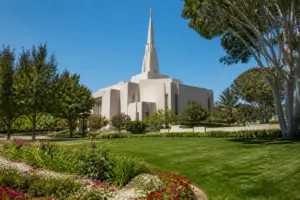
Switching venues entirely now — Temple Square in Salt Lake City, headquarters of The Church of Jesus Christ of Latter-day Saints. This is a living, active religious site, and that changes the expectations completely.
First, the access rules. The Salt Lake Temple itself stays closed to non-members — entry is limited to members carrying a current temple recommend. Visitors, though, have plenty to do: wander the grounds, catch free organ recitals inside the historic Tabernacle, browse the Family History Library (no cost, and it’s one of the largest genealogical archives anywhere), and tour the Beehive House, Brigham Young’s carefully preserved former residence. All of it is worth carving out time for.
Dressing for Temple Square: The Real Rules
When it comes to how to dress on Temple Square, the unspoken standard is “modest, respectful.” It’s not nearly as strict as some religious sites (no headscarves, no full-coverage requirement), but it’s a step up from what you’d throw on for a casual day downtown.
The specifics:
- Shorts: Knee-length or longer earns approval (not mandatory, but preferred). Shorter shorts won’t get you turned away on the grounds, but expect a glance or two.
- Sleeveless tops: No issue outdoors on the grounds, but stepping into the Visitors’ Center, the Tabernacle, or any event calls for covered shoulders. A light cardigan or shawl tucked into your bag solves this instantly.
- Neckline: Stay modest — no deep plunges.
- General feel: Business casual or smart casual — the kind of outfit you’d choose for a nice dinner or a professional gathering.
What matters here is respect, not a checklist of restrictions. Nobody expects you to dress like a member of the congregation, but acknowledging you’re standing in a sacred space carries weight. Picture the middle ground between “outfit for a museum” and “outfit for a temple ceremony” — that’s exactly where you want to land.
UNESCO World Heritage Sites and Cultural Landmarks: One Strategy That Actually Works Everywhere
Plenty of travelers assume there’s a single, official UNESCO World Heritage Site dress code out there somewhere. There isn’t. UNESCO status recognizes cultural, historical, or natural significance — it has nothing to do with clothing rules. What you should wear depends entirely on what kind of site you’re actually visiting.
Here’s how it breaks down:
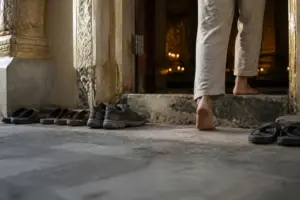
- Active religious UNESCO sites (Angkor Wat in Cambodia, the Meteora Monasteries in Greece, Borobudur in Indonesia, sacred zones in Mecca or Jerusalem): Match whatever the local religious tradition expects. Covered shoulders and knees is the standard baseline nearly everywhere.
- Secular or historical UNESCO sites (Machu Picchu, the Grand Canyon, Stonehenge, the Acropolis): No dress rules beyond common sense for the terrain and weather. Hiking boots when you’re hiking, sunscreen and a hat when the sun’s brutal.
- Mixed-use sites (Dubrovnik’s Old Town, Morocco’s medinas, historic city centers generally): Respect the surrounding culture, which usually translates to modest clothing in more conservative regions.
My go-to fallback: cover shoulders and knees anywhere religious or traditionally conservative. You can always shed a layer if it turns out you didn’t need it. Taking off a cardigan is a lot simpler than explaining why you rolled up to a sacred site in a bikini top.
When you’re not sure, search “[site name] dress code” before you leave home. Most major UNESCO sites publish visitor guidance online. Failing that, watch for posted signs at the entrance or just ask someone at the visitor center — they field this question constantly and won’t think twice about it.
The Blazer That Kept Me From Looking Like I’d Stumbled in Off the Sidewalk
The Globe’s dress code is genuinely a free-for-all, and I found out the hard way that rolling up in jeans while half the crowd’s dressed for an evening out creates this weird self-consciousness that undercuts a three-hour Shakespeare performance. A lightweight blazer closes that gap nicely — polished enough to look deliberate, breathable enough that you won’t roast in a packed theater.
What worked
- Layers cleanly over whatever’s underneath, letting you dial the formality up or down depending on the crowd without ducking into a theater bathroom to change.
- Light enough that you’re not sweating through wool once the Globe’s total lack of air conditioning kicks in by Act II.
- Holds its shape well enough to actually look good in the inevitable photos outside the theater — no sad, shapeless draping.
What didn’t
- The seams began loosening after roughly six wears, which is annoying if you’re a regular theater-goer or hoping to rewear it across a longer stay in London.
- It creases almost the moment it’s folded into a bag or suitcase, which kind of undermines the whole “looking put-together” goal unless you’re packing an iron too.
I almost left it in my hotel room on opening night because I thought I was overthinking the whole “appropriate attire” question—until I walked into the theater and realized I’d made exactly the right call. If you’re torn about what to wear to the Globe, grab the PJ PAUL JONES Lightweight Blazer Jacket for Men and stop second-guessing yourself.
Frequently Asked Questions
What should I wear if I buy groundling tickets at Shakespeare’s Globe?
Wear comfortable, broken-in footwear—sneakers or supportive flats—since you’ll stand for two to three hours on cobblestones and hard-packed dirt. Bring layers and something water-resistant because the open-air yard has zero shelter from London’s unpredictable weather. Keep it casual: jeans, comfortable pants, a t-shirt, or a simple dress you wouldn’t mind getting scuffed or damp.
Do I need to cover my shoulders at Temple Square in Salt Lake City?
Sleeveless tops are fine outdoors on the grounds, but you’ll need covered shoulders when entering the Visitors’ Center, the Tabernacle, or any event. Tuck a light cardigan or shawl into your bag to solve this instantly. The overall standard is modest, respectful dress—business casual or smart casual, like an outfit for a nice dinner or professional gathering.
What’s the official dress code at Shakespeare’s Globe Theatre London?
There is no official dress code at the Globe Theatre London. The theater’s website is silent on the matter, and staff will tell you to wear whatever suits you. What you should wear depends on your ticket type and practical considerations like weather, footwear comfort, and whether you’re standing or sitting.
What do I wear to UNESCO World Heritage Sites with religious significance?
Match whatever the local religious tradition expects. At active religious sites like Angkor Wat in Cambodia, the Meteora Monasteries in Greece, Borobudur in Indonesia, and sacred zones in Mecca or Jerusalem, covered shoulders and knees is the standard baseline nearly everywhere. Search the site name and “dress code” before you leave home, or ask at the visitor center.
About This Article

Written by Elena Vasquez. Elena Vasquez is a full-time traveler and the founder of Witty Passport. Over fifteen years and more than 50 countries across six continents — including a stretch spent leading groups professionally through Southeast Asia and the remote highlands of South America — she's written the kind of destination guides she always wished existed: practical, specific, and built on real experience rather than recycled itineraries. More about this site.
Scope and limits. Elena is a full-time traveler, not a licensed travel agent or immigration adviser. Entry requirements, visa rules, and advisories change without notice — always confirm against the official government source for your destination and passport before booking.
Verify this against a primary source
Specifics change, and your situation may differ from the one described here. These are the authorities worth checking directly:
- U.S. Department of State — entry requirements and travel advisories
- CDC Travelers' Health — vaccination and health notices by destination
- TSA — current carry-on and screening rules