Understanding Cultural Clothing Expectations
I’d never traveled alone before this trip. The thought honestly terrified me — no one to split decisions with, no one to blame if something went sideways. That was also exactly the point. What I hadn’t fully prepared for, though, was how much what I packed would matter — not just for comfort, but for how I was received, welcomed, and sometimes even turned away. Traveling internationally means stepping into worlds with their own rules around dress and modesty, and understanding those cultural clothing expectations before you go can be the difference between blending in respectfully and accidentally causing offence.
Research and Preparation
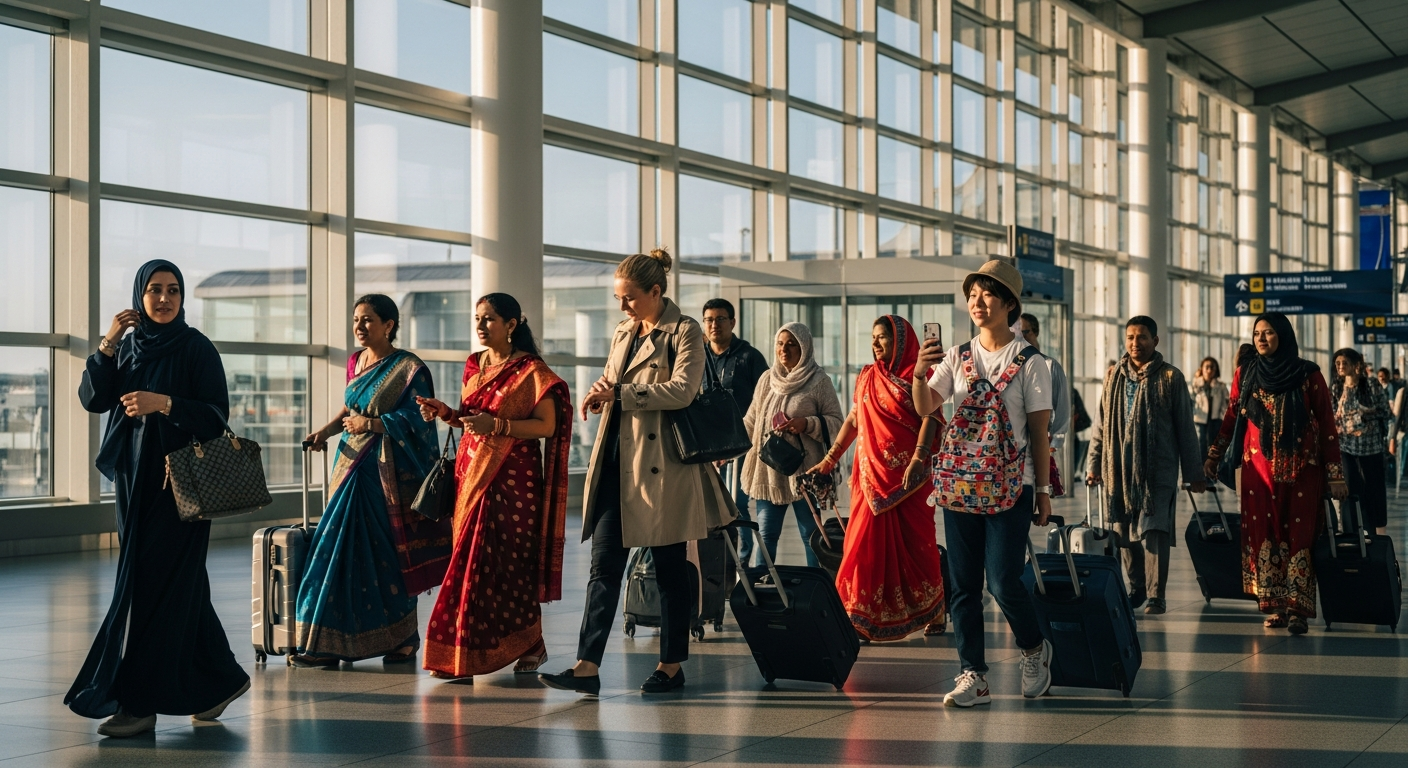
Begin by researching the country’s dress code norms. Different cultures have varying expectations regarding attire, especially concerning modesty levels. For example, in many Middle Eastern countries, covering your shoulders and knees is considered respectful. In contrast, European countries might have more relaxed norms. Understanding these differences is vital.
What I Recommend
Before you pack anything, grab The Travel Book. It’s become my pre-trip bible for understanding cultural norms, dress codes, and what’s actually expected in different regions. I’ve saved myself from countless fashion faux pas just by flipping through the relevant country pages before arrival.
The Ekouaer Lounge Women pieces have been my go-to base layers for dressing modestly in conservative destinations. They’re loose enough to respect local norms while still being comfortable enough to actually wear all day without feeling suffocated by the fabric.
I never travel without a Happyluxe Travel Shawl anymore. It’s the ultimate cultural clothing hack—drape it over your shoulders in temples, mosques, and conservative neighborhoods, or wrap it around your waist on the beach. One piece solves half your modest-dressing problems.
A lightweight Boho Chic Pareo belongs in every traveler’s suitcase. It’s versatile enough to layer over outfits in religious sites, serve as a beach cover-up, or even work as an impromptu skirt when you need to respect local dress codes on the fly.
The KICZOY Women Flowy pants have saved me countless times in destinations where tight clothing isn’t appreciated. They’re breathable, cover your legs appropriately, and somehow manage to look stylish rather than like you’re trying too hard to blend in.
For male travelers, a quality Men’s Athletic T-Shirt that’s neutral in color and modest in fit is honestly your safest bet across most cultures. It’s inoffensive, practical, and paired with the right bottoms, works nearly everywhere.
COPYLEAF Wide Pants are my favorite for traveling through Southeast Asia and the Middle East where both modesty and comfort matter equally. The wide cut keeps you cool and culturally appropriate without looking like you’re wearing pajamas (even though sometimes you kind of are).
I pack Yincro Womens Lightweight layers for every trip now. They’re perfect for adding coverage quickly when you realize your outfit isn’t quite appropriate for where you’re going, and they pack down to almost nothing in your luggage.
The Simier Fariry Womens collection has been a lifesaver for creating modest silhouettes while traveling in conservative regions. The cuts are forgiving, the fabrics breathe well in hot climates, and nothing screams “clueless tourist” quite like wearing something that actually respects local customs.
Leveraging Travel Guides for Dress Code Intelligence
Travel guides remain invaluable resources for understanding local dress expectations. Popular guidebooks like Lonely Planet and Fodor’s dedicate sections to cultural etiquette. Moreover, they include specific wardrobe recommendations for various settings. For instance, these guides often highlight whether shorts are acceptable in religious sites. They also indicate if beachwear is appropriate beyond coastal areas.
Digital versions of travel guides offer real-time updates. Consequently, you’ll access the most current cultural norms. Furthermore, many include photographs showing typical local attire. These visual references help you gauge appropriate clothing choices effectively.
Tapping Into Online Forum Communities
Online travel forums provide authentic, recent experiences from fellow travelers. Websites like TripAdvisor and Lonely Planet’s Thorn Tree feature active discussion boards. Additionally, Reddit’s travel communities offer candid advice about dress codes worldwide. Travelers share specific examples of what worked or failed during their trips.
For example, forum members frequently discuss temple dress requirements in Southeast Asia. Meanwhile, others detail business casual expectations in European cities. These firsthand accounts reveal nuances that official sources might overlook. However, remember to verify information across multiple forum posts. Individual experiences can vary based on specific circumstances and locations.
Official Resources and Cultural Organizations
Government tourism websites deliver authoritative guidance on cultural expectations. Therefore, they should be your first stop for official dress regulations. Embassy websites often include cultural orientation sections for visitors. These pages outline respectful attire for government buildings and public spaces.
Cultural associations and heritage organizations provide deeper context. For instance, Islamic cultural centers explain modest dress principles across different Muslim-majority countries. Similarly, Buddhist organizations clarify appropriate temple attire beyond basic guidelines. Consequently, these specialized resources help you understand the reasoning behind dress codes. This knowledge enables more thoughtful packing decisions for your journey.
Packing the Right Clothes
Mastering Fabric Choices for Every Climate
Selecting the right materials is crucial for travel comfort. In tropical destinations, prioritize breathable, natural fibers like linen and cotton. These fabrics allow air to circulate freely against your skin. Consequently, you stay cooler even during periods of high humidity. However, avoid heavy denim in regions like Southeast Asia. Thick fabrics take too long to dry after sudden rain showers.
Instead, consider high-tech synthetics for active itineraries. Moisture-wicking blends pull sweat away from the body efficiently. Furthermore, they are wrinkle-resistant and pack down very small. Thus, they are perfect for maximizing suitcase space.
The Strategic Art of Layering
Layering is essential when visiting regions with fluctuating temperatures. Many desert locations feature scorching days and freezing nights. Therefore, you must build your outfit from the base up. Start with a lightweight, moisture-wicking tank or tee. Merino wool is an excellent choice for this base layer. It naturally resists odors and regulates body temperature.
Next, add an insulating mid-layer, such as a fleece or sweater. Finally, top it off with a windproof or waterproof outer shell. This three-part strategy prepares you for any weather scenario. Additionally, layers help you adjust to indoor environments. You can easily remove a jacket when entering a heated museum.
Building a Versatile Capsule Wardrobe
Embracing a capsule wardrobe simplifies packing significantly. Focus on neutral colors like black, navy, charcoal, or beige. As a result, every top will match every bottom in your bag. You can create weeks of unique outfits with just ten items. Moreover, versatile clothing adapts to different social settings effortlessly.
Here are examples of versatile pairings:
- The Maxi Dress: Works for beach days or formal dinners.
- Tailored Trousers: Suitable for hiking or visiting upscale restaurants.
- Button-Down Shirt: Wear it open over a tee or buttoned up.
Consequently, you look appropriate whether you are sightseeing or dining out. This approach also prevents overpacking heavy bags.
The Scarf: Your Ultimate Travel Tool
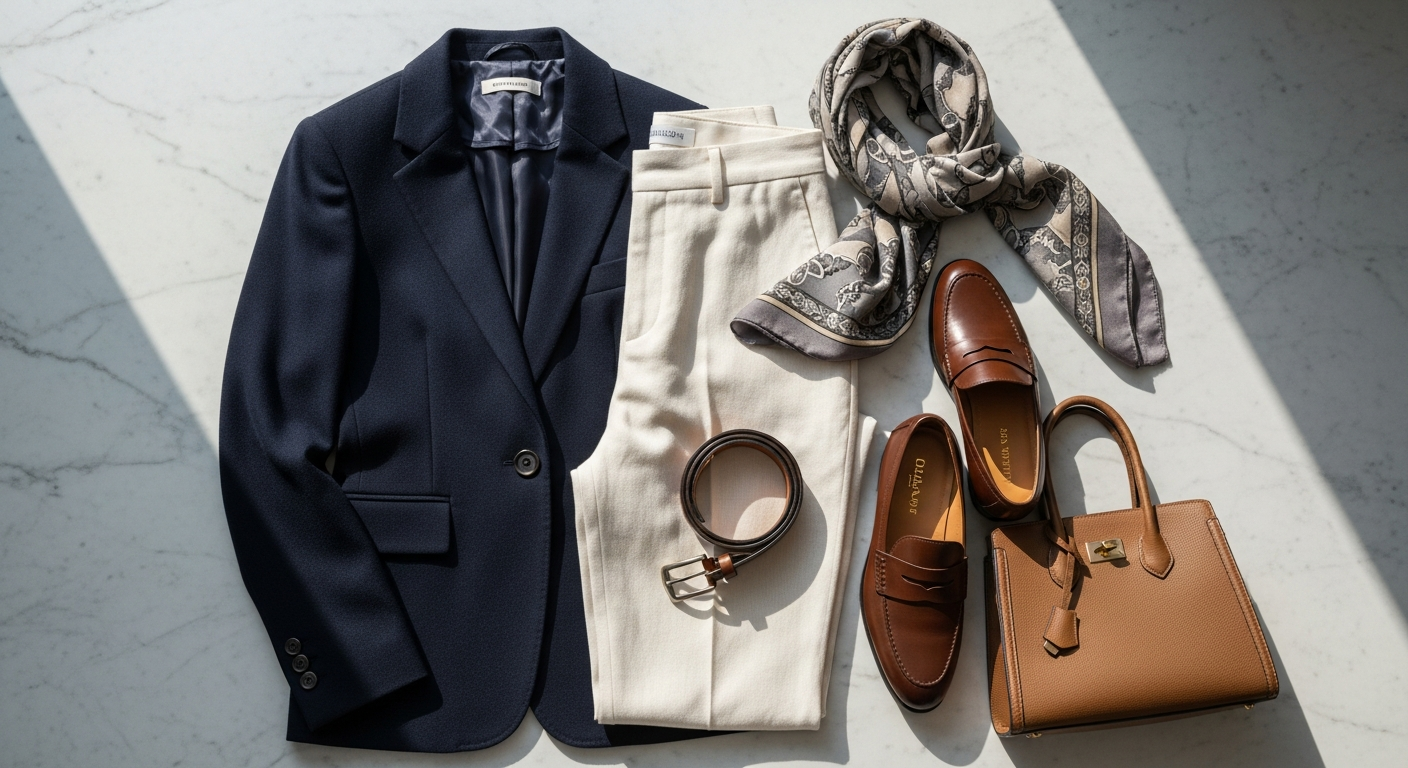
Never underestimate the utility of a large, lightweight scarf. This accessory is arguably the most valuable item in your luggage. Primarily, it ensures respect for local customs at religious sites. Many temples and churches require covered shoulders, heads, or knees. Simply drape the scarf over yourself before entering these sacred spaces.
Furthermore, a scarf serves multiple practical functions beyond modesty. It acts as a blanket on freezing airplanes or buses. In dusty environments, it protects your face and mouth. Meanwhile, on coastal trips, it doubles as a stylish sarong. Therefore, always keep one accessible in your day bag.
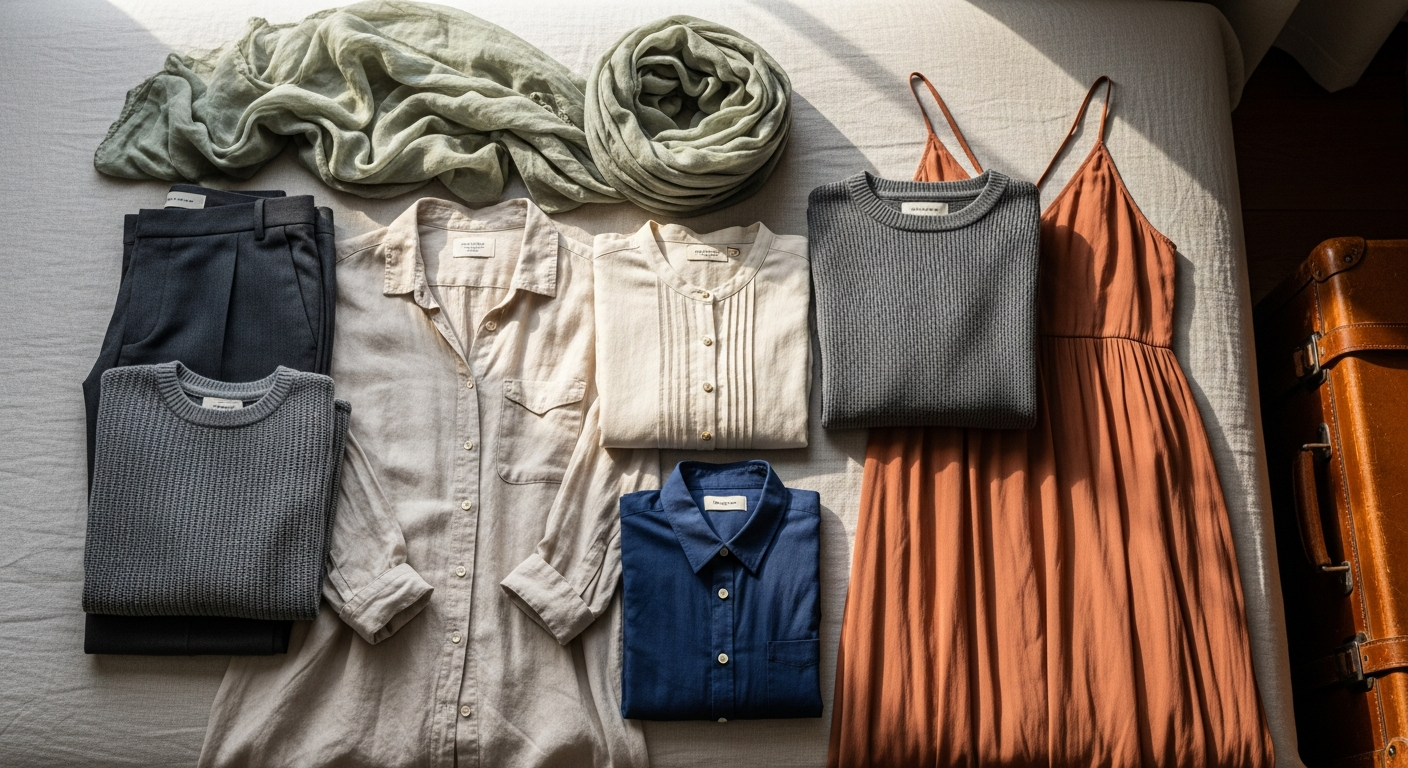
When selecting clothing, prioritize comfort and practicality. For instance, choose breathable materials for humid areas. However, do not compromise style. You can maintain your personal style while respecting local customs. Opt for neutral colors and avoid flashy prints that may draw attention.
Dressing for Religious Sites
Religious sites often have stricter dress codes. For example, many temples, mosques, and churches require visitors to cover their heads and wear modest attire. Carry a shawl or scarf in your day bag for such occasions. It’s a simple solution for unexpected visits to religious sites.
Respect these customs even if they differ from your beliefs. Following the dress codes shows respect for the culture and enhances your visit. Some sites offer clothing for visitors, but bringing your own ensures you are prepared.
Navigating Local Fashion Nuances
Observe locals to understand everyday fashion. While you do not need to mimic local styles exactly, taking cues can help you dress appropriately. In some cultures, wearing local attire can be seen as a sign of respect and appreciation.
Understanding Cultural Appropriation in Travel Attire
Cultural appropriation occurs when travelers adopt traditional garments without understanding their meaning. This practice can offend local communities deeply. Moreover, it can trivialize sacred or ceremonial clothing items. The line between appreciation and appropriation often feels blurry to visitors.
However, understanding context makes all the difference. For example, wearing a Native American war bonnet as a costume shows disrespect. These headdresses represent earned honors within tribal communities. Similarly, donning a Japanese kimono for a photo opportunity can be problematic. The garment carries centuries of cultural significance and specific wearing protocols.
Questions to Ask Before Wearing Traditional Clothing
Before purchasing or wearing traditional attire, consider these important questions:
- Is this garment sacred or ceremonial? Religious items should never become fashion statements.
- Am I perpetuating stereotypes? Some clothing choices reinforce harmful cultural caricatures.
- Did I purchase from local artisans? Supporting authentic creators shows genuine respect.
- Do locals welcome visitors wearing these items? Community attitudes vary significantly.
- Have I learned proper wearing techniques? Incorrect styling can demonstrate ignorance.
Furthermore, research the garment’s history and cultural context thoroughly. Read accounts from community members themselves. Additionally, observe how locals wear these items in daily life.
Respectful Ways to Engage with Traditional Dress
Many cultures actively welcome visitors participating in traditional dress experiences. For instance, Japanese tea ceremonies often provide kimonos for guests. Thai temples sometimes offer appropriate covering garments for tourists. These situations include proper guidance and context.
Therefore, seek out culturally-sanctioned opportunities for authentic experiences. Local guides can explain significance and appropriate usage. Meanwhile, cultural centers often host educational workshops about traditional clothing. These venues provide safe spaces for learning and participation.
In contrast, avoid purchasing mass-produced “ethnic” costumes from party stores. These items typically mock rather than honor cultural traditions. Consequently, they perpetuate stereotypes and disrespect heritage communities.
Safety and Harassment Reduction
Appropriate clothing choices can contribute to safety. In some regions, dressing modestly can reduce the risk of harassment. This is particularly important for solo female travelers. Choosing garments that blend with local styles can minimize unwanted attention.
Moreover, many cultures have specific norms for gender interactions. Adhering to these norms, including through clothing, can prevent uncomfortable situations. Being aware of these social cues is essential for a smooth travel experience.
The Role of Headscarves
Cultural Significance of Headscarves
Headscarves hold deep religious and cultural meaning across numerous societies worldwide. For example, Muslim women wear the hijab as an expression of modesty and faith. Meanwhile, Orthodox Jewish women often don the tichel after marriage. In India, the dupatta serves both practical and ceremonial purposes. Additionally, Eastern European babushkas represent tradition and heritage. These garments symbolize identity, spirituality, and respect within their communities.
Learning Proper Wearing Techniques
Understanding the correct draping methods demonstrates cultural sensitivity and awareness. Different regions employ distinct folding and wrapping styles. Therefore, research before your trip proves essential. Turkish styles differ significantly from Indonesian techniques. Furthermore, Gulf Arab methods vary from North African approaches. Each style carries its own cultural context and significance.
Regional Variations and Styles
Middle Eastern techniques typically involve rectangular scarves draped over the head. Conversely, Southeast Asian styles often incorporate elaborate pins and brooches. In contrast, African wrapping methods create stunning sculptural shapes. Moreover, South Asian dupattas drape loosely over shoulders and head. European styles tend toward simpler, more practical arrangements. Consequently, travelers should identify their destination’s specific customs.
Online Resources and Guidance
Numerous video tutorials provide step-by-step instructions for various headscarf styles. For instance, YouTube channels offer demonstrations from cultural practitioners themselves. Additionally, travel blogs feature written guides with accompanying photographs. However, ensure your sources come from authentic cultural representatives. Furthermore, many cultural centers provide workshops for respectful learning. These resources help travelers avoid inadvertent disrespect or cultural appropriation.
Practical Considerations
Fabric choice matters significantly when wearing headscarves in different climates. Lightweight cotton works well in tropical regions. Meanwhile, silk provides elegance for formal occasions. Moreover, jersey fabrics offer comfort and easy manipulation. Therefore, pack versatile options for various situations during your travels.
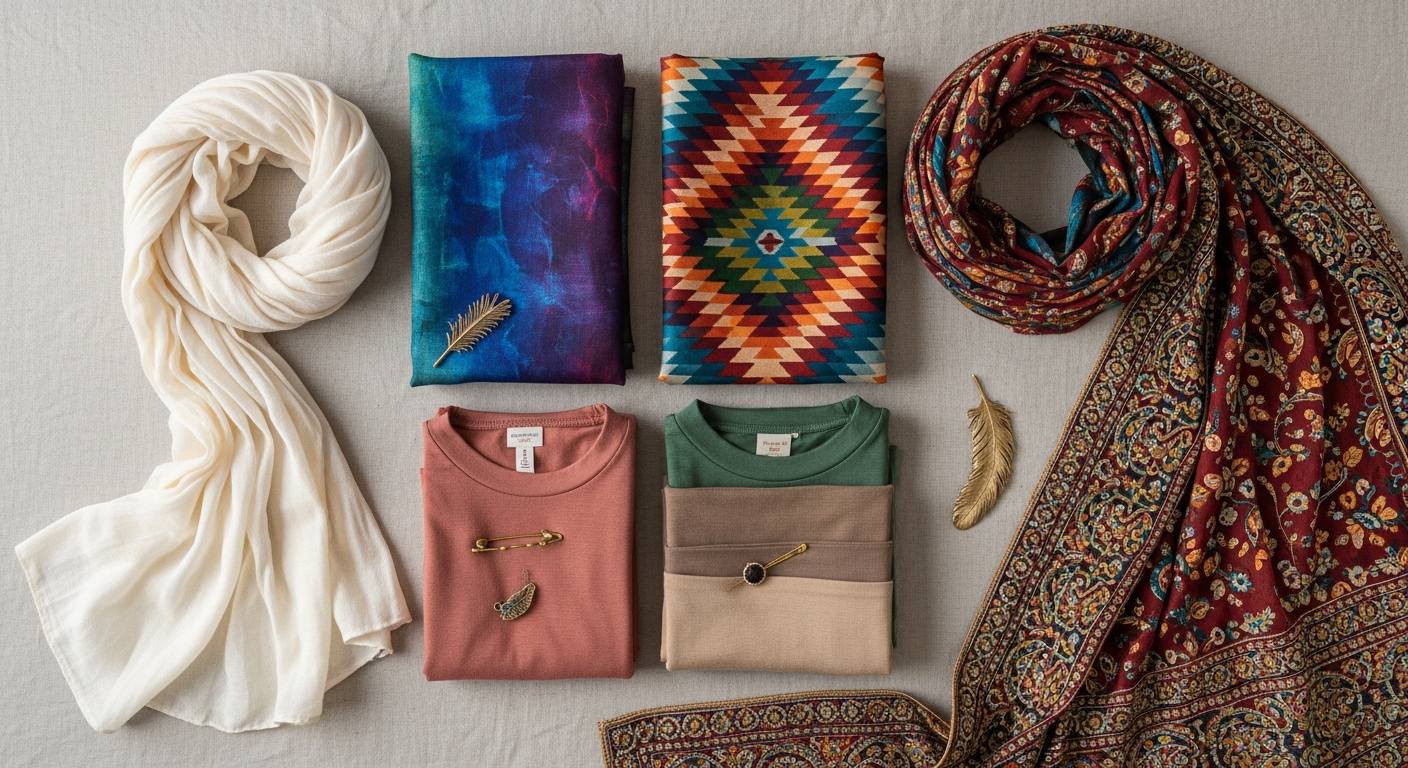
When traveling to countries where headscarves are customary, having one with you is advisable. It allows you to adapt quickly to different settings, such as religious sites or traditional ceremonies.
Conclusion
Dressing appropriately when traveling internationally is not just about following rules. It’s about showing respect and embracing the culture you are visiting. By understanding cultural clothing expectations, you can enhance your travel experience and deepen your cultural appreciation.
The Power of Pre-Trip Research
Thorough preparation begins long before you board the plane. First, dive deep into destination-specific guides to understand the nuances. Dress codes vary significantly by region and religion. For instance, what works in casual Spain might be inappropriate in conservative Morocco. Consequently, reading current travel blogs is essential for real-time advice. They often highlight specific expectations for tourists.
Furthermore, check the requirements for specific landmarks you plan to visit. Many religious sites enforce strict rules regarding skin exposure. Therefore, knowing these details prevents awkward situations at the entrance. It also saves you from being denied entry to iconic locations. Ultimately, knowledge is your best tool for respectful travel.
Strategies for Smart Packing
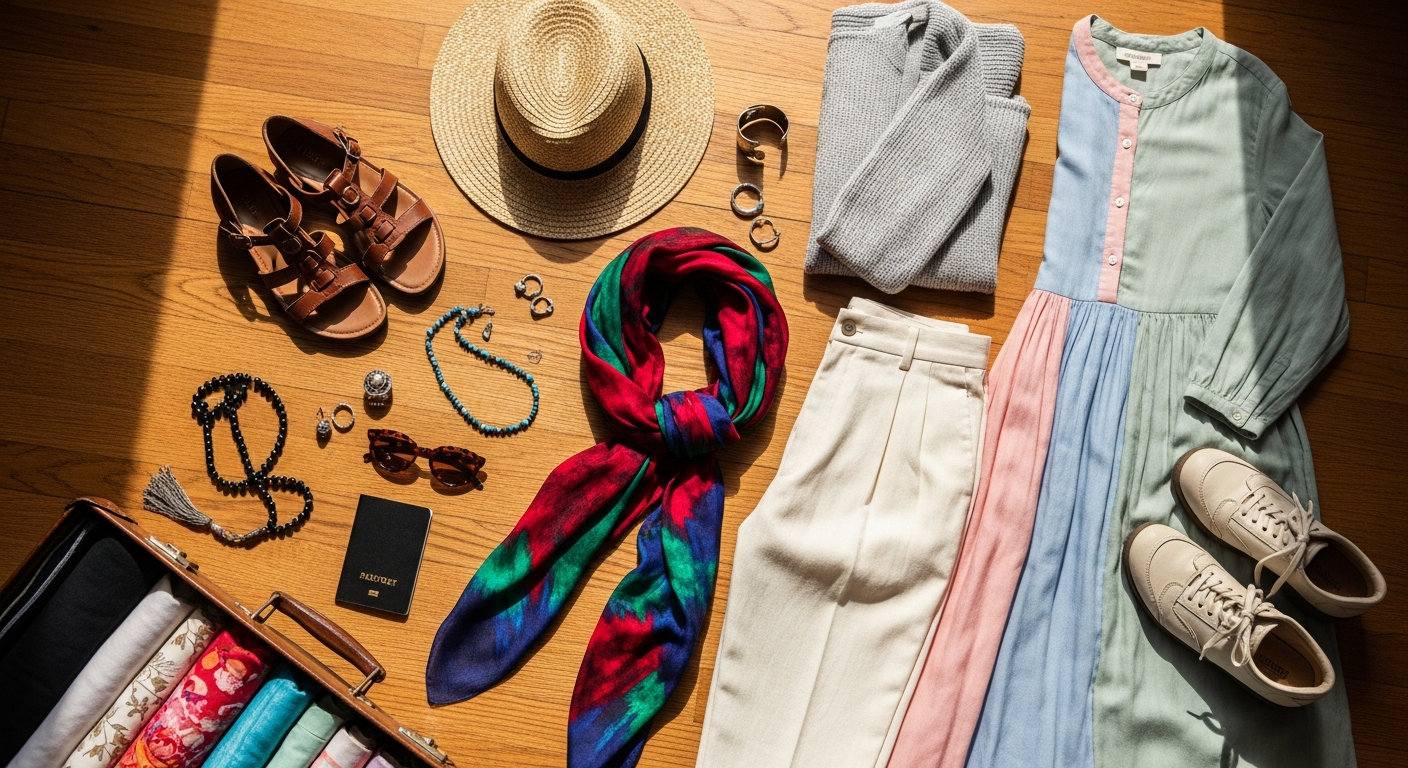
Smart packing is your best defense against cultural faux pas. Specifically, focus on versatility when selecting your wardrobe. Ideally, your suitcase should contain items that layer easily.
Consider including these essentials:
- Lightweight Scarves: A pashmina can instantly cover bare shoulders or heads when needed.
- Breathable Long Layers: Linen trousers offer modesty without causing overheating in hot climates.
- Closed-Toe Shoes: These are often required for temples and offer better protection.
Additionally, choose fabrics that are easy to wash and dry. This way, you can pack less while maintaining a neat appearance. Moreover, neutral colors help you blend in with the local crowd. As a result, you draw less attention to yourself as a tourist.
Navigating Local Norms
Understanding the universal definition of modesty helps immensely. Generally, keeping shoulders and knees covered is a safe bet globally. However, definitions can change based on the specific setting. Beach towns usually have much more relaxed rules. In contrast, rural villages often expect more conservative dress from visitors.
Therefore, observe the locals closely upon arrival. If they avoid shorts or tank tops, you should too. This mimicry shows deep respect for their community standards. Besides, it signals that you are observant and considerate. Consequently, locals are more likely to engage with you positively.
The Impact of Cultural Sensitivity
Your clothing choices communicate volumes before you even speak. Indeed, dressing appropriately signals a genuine willingness to engage with the culture. Locals often respond much warmer to respectful visitors. As a result, you may be invited into authentic experiences unavailable to others.
Conversely, ignoring dress codes can create invisible barriers. It might even be perceived as arrogance or ignorance. Thus, prioritizing their comfort over your fashion leads to deeper connections. Travel Guide Finally, this mindset transforms a simple vacation into a meaningful cultural exchange.
*As an Amazon Associate, I earn from qualifying purchases.