Discovering Norway’s Natural Majesty
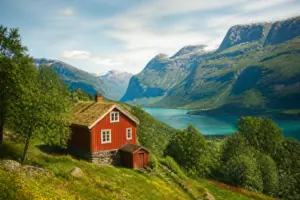
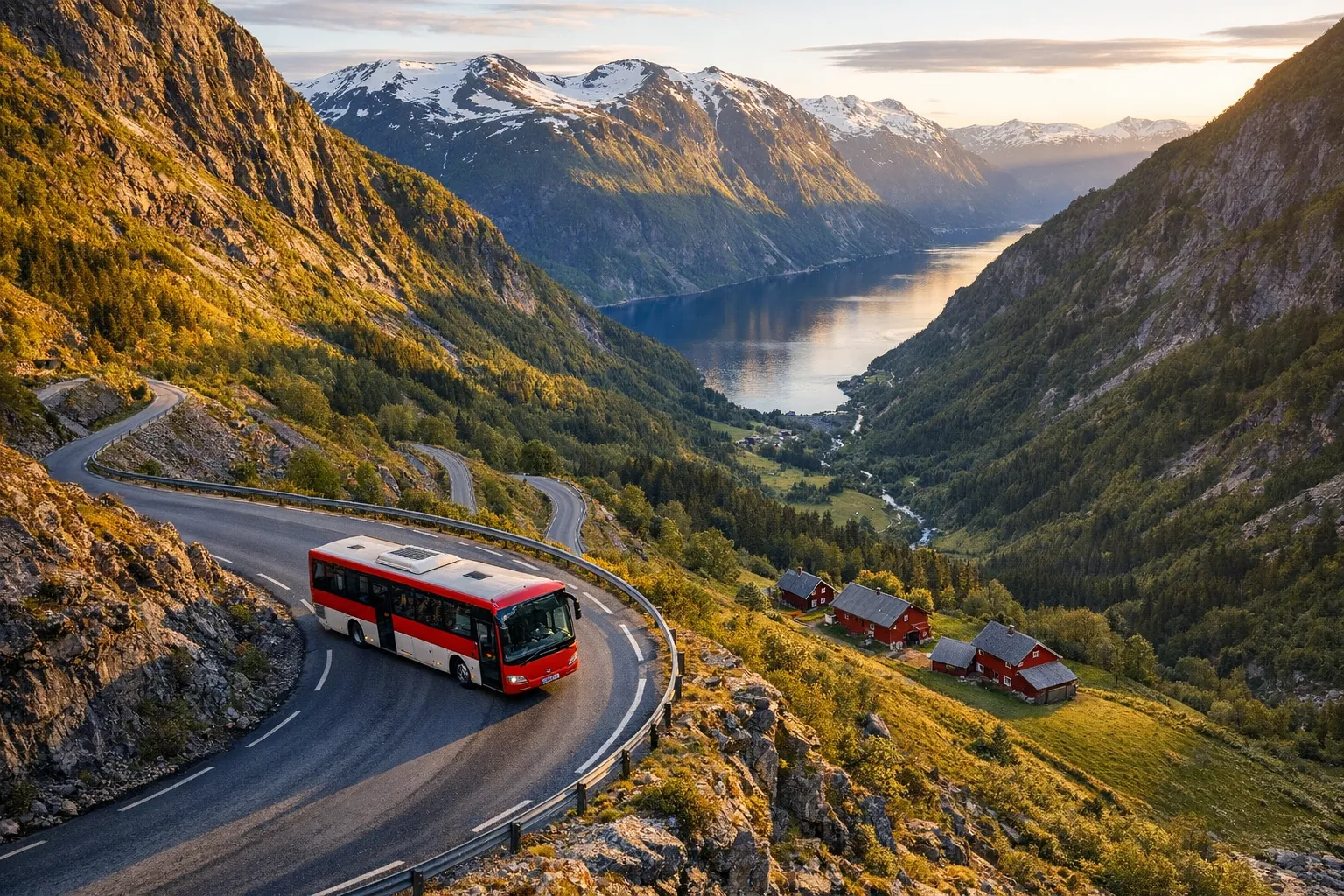
“Just rent whatever car’s cheapest and figure out the roads as you go” — that’s what a fellow teacher told me before my first trip to rural Norway, and it’s the kind of advice that sounds fine in a staffroom and falls apart the moment you’re white-knuckling a hairpin turn with a fjord drop-off on one side. The school year had just ended, I’d sat alone in my classroom for twenty minutes soaking up the silence, and by the time I got home I already had flights pulled up. That’s what summers off are for. This particular one pointed me toward rural Norway, where the peaks shoot straight up from the water, glaciers hang above fjords that look almost too old to be real, and the valleys go a green so saturated it seems photoshopped. I was chasing landscapes as far removed from fluorescent lighting and lesson plans as I could get, and what I found was better than scenery — it was the kind of silence that actually carries weight.
Why Rural Norway Deserves a Spot on Your Itinerary
Most visitors cycle through the same handful of famous stops: Lofoten, the well-worn fjord cruise routes, the villages every Instagram feed has already shown you. Rural Norway operates on different terms entirely. It’s what opens up once you rent a car and start following valleys that never made it onto a tourism brochure. It’s trails where hours pass without another hiker in sight, villages small enough that people actually stop to chat, and scenery dramatic enough to make you second-guess what your eyes are showing you.
I gave three weeks to the quieter corners — the Sognefjord region, the smaller valleys tucked into Hordaland, and a string of remote mountain passes. The roads and services haven’t disappeared just because the crowds have; Norway still functions like Norway everywhere you go. What’s missing is the conveyor-belt feeling, which means the experience stays honest rather than staged.
Setting Expectations: What Rural Norway Actually Involves
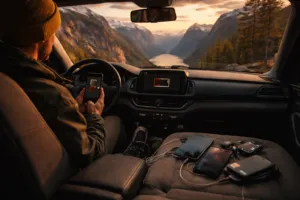
Go in knowing that rural Norway plays tricks with distance. A route that looks like a quick hop on the map can eat up double the time once you’re winding through mountain switchbacks. Two villages might sit 45 minutes apart despite looking adjacent on a screen. Fuel stops aren’t a nice-to-have out here — treat every gas station as essential, not optional. Cell coverage shows up in patches, not blankets, which either feels freeing or unsettling depending on how you handle silence.
There’s a reason summer — June through August — gets crowned the prime window. Roads stay open, daylight barely quits up north, and the high trails are finally free of snow. Shoulder months thin out the crowds but gamble with the weather. Winter turns the whole trip into something else altogether — gorgeous, sure, but far less forgiving. If you want the easiest version of this trip, aim for late June into early August.
Lock down your rooms well before you land. Mountain lodges and guesthouses in rural areas book solid, and last-minute options thin out fast. I found this out the rough way, scrambling for a bed near Flåm on a Friday night with nothing available. Camping, on the other hand, is cheap and genuinely good if you’ve got the right gear — Norway’s “friluftsloven,” the freedom-to-roam law, lets you wild camp within certain limits, which opens up far more territory than you’d expect.
Photographing Norway’s Fjords Without Overspending on Gear
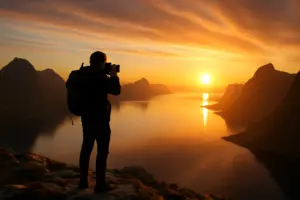
Rural Norway isn’t gentle on equipment — you need a camera that holds up at 3,000 feet in weather that changes its mind constantly. I wanted something light enough for full-day hikes, durable enough to survive a sudden downpour, and sharp enough to actually capture those impossible greens and glacier blues instead of flattening them.
Where it delivered
- Light enough to haul through eight-hour mountain stretches without your shoulders filing a complaint, yet it still feels solid enough for framing thousand-meter cliff faces.
- The battery outlasted long gaps between villages — shooting from sunrise until nearly midnight during midsummer never once left me stranded without power.
- Autofocus locked onto moving water and wildlife without the usual hunting, which counts for a lot when you’re racing to catch an eagle over a fjord.
Where it fell short
- Weather-sealing is solid but not bulletproof — a real downpour near Geirangerfjord had me babying the camera, and I ended up stuffing it into a dry bag more than once.
- The menu system takes some getting used to; I lost time fumbling through settings in the field when I should’ve been shooting, particularly in the dim light of shaded valleys.
There was one morning I almost didn’t bring it on an unmarked trail climb because it was forecast to be wet, and I nearly talked myself into just using my phone—but those photos from that hike are the ones I actually print. Grab this mirrorless camera if you’re serious about rural landscape work.
Practical Groundwork for Planning Your Rural Norway Trip
Get your lodging locked in early — three months out isn’t overkill for summer travel here. Rent a car, since public transit in these rural stretches works fine as long as you’re in no rush and don’t mind long waits. Grab offline maps before you leave any town with reliable signal. Pack layers no matter the season; mountain weather turns on a dime even in July. And bring a solid headlamp if hiking’s on the agenda — though during midsummer, real darkness barely shows up.
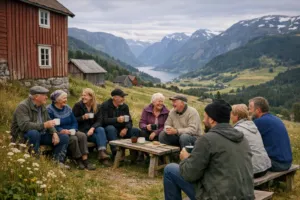
Strike up conversations with locals whenever you can. They know about trails no guidebook mentions and can tell you what the weather’s actually doing right now, not what some outdated website claimed. Some of my strongest hikes came out of chats with guesthouse owners and grocery clerks, not research.
Rural Norway pays off when you slow down. This isn’t a checklist trip — it’s one built around actually being present. The moments that matter most — spotting an eagle, catching perfect light hit the glacier, trading words with a farmer along the road — never show up on a schedule. They surface once you’ve stopped hurrying.
Frequently Asked Questions
How much longer do drives take in rural Norway than maps suggest?
Drives take roughly double the time once you’re winding through mountain switchbacks. Two villages might sit 45 minutes apart despite looking adjacent on a screen, so build extra time into your itinerary to account for the terrain.
What are the best months to visit rural Norway?
Summer from June through August is the prime window when roads stay open, daylight barely quits up north, and high trails are free of snow. Shoulder months thin out crowds but gamble with weather, while winter turns the trip into something far less forgiving.
Can you wild camp in rural Norway?
Yes. Norway’s friluftsloven, the freedom-to-roam law, lets you wild camp within certain limits, which opens up far more territory than you’d expect. Camping is cheap and genuinely good if you’ve got the right gear.
How early should I book accommodations for summer travel?
Lock down your rooms three months out for summer travel. Mountain lodges and guesthouses in rural areas book solid, and last-minute options thin out fast, as the author discovered scrambling for a bed near Flåm on a Friday night.
About This Article

Written by Elena Vasquez. Elena Vasquez is a full-time traveler and the founder of Witty Passport. Over fifteen years and more than 50 countries across six continents — including a stretch spent leading groups professionally through Southeast Asia and the remote highlands of South America — she's written the kind of destination guides she always wished existed: practical, specific, and built on real experience rather than recycled itineraries. More about this site.
Scope and limits. Elena is a full-time traveler, not a licensed travel agent or immigration adviser. Entry requirements, visa rules, and advisories change without notice — always confirm against the official government source for your destination and passport before booking.
Verify this against a primary source
Specifics change, and your situation may differ from the one described here. These are the authorities worth checking directly:
- U.S. Department of State — entry requirements and travel advisories
- CDC Travelers' Health — vaccination and health notices by destination
- TSA — current carry-on and screening rules