What Cultural Clothing Expectations Actually Involve
The assumption most people carry into their first solo trip is that plain common sense will steer them right on what to wear — pack modestly, avoid anything flashy, done. Mine didn’t hold up nearly that easily. This was, in fact, my first trip traveling completely alone, and the idea alone had unsettled me for weeks — no travel partner to weigh a decision with, no one else to share the blame when a plan collapsed. That solitude was the whole reason I’d booked it. What caught me off guard wasn’t the loneliness, though — it was realizing how much the contents of my suitcase shaped every interaction that followed, from how warmly a shopkeeper greeted me to whether I got waved through a doorway at all. I eventually turned that learning curve into a country-by-country breakdown of what’s actually expected where. Consider this the unpolished companion piece — the specific ways I got it wrong, laid out so you don’t have to repeat them.
The Dress Code Mistakes I’ve Genuinely Made
Mistake 1: Treating “Business Casual” Like a Fixed Standard
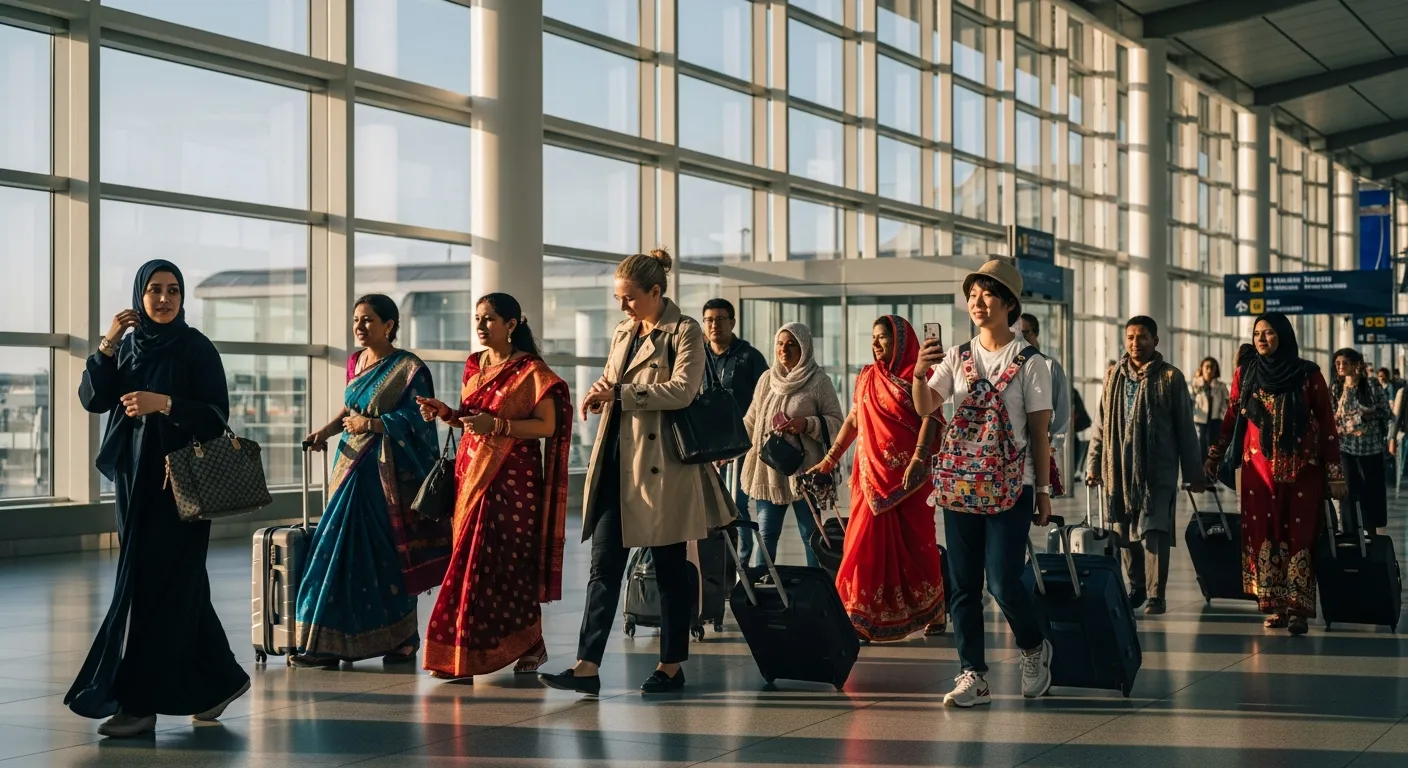
Early on, I assumed “business casual” translated the same way no matter which country I landed in. Wrong assumption, and an expensive one. I showed up to a government office in a conservative Muslim-majority country wearing knee-length shorts and a sleeveless top, genuinely believing I’d covered myself sufficiently. The receptionist’s silence — the kind that lingers a beat too long — corrected me fast. Nobody turned me away at the door, but the tension was immediate, and it shaped the rest of that exchange.
Mistake 2: Bringing Only One “Dressy” Outfit as My Safety Net
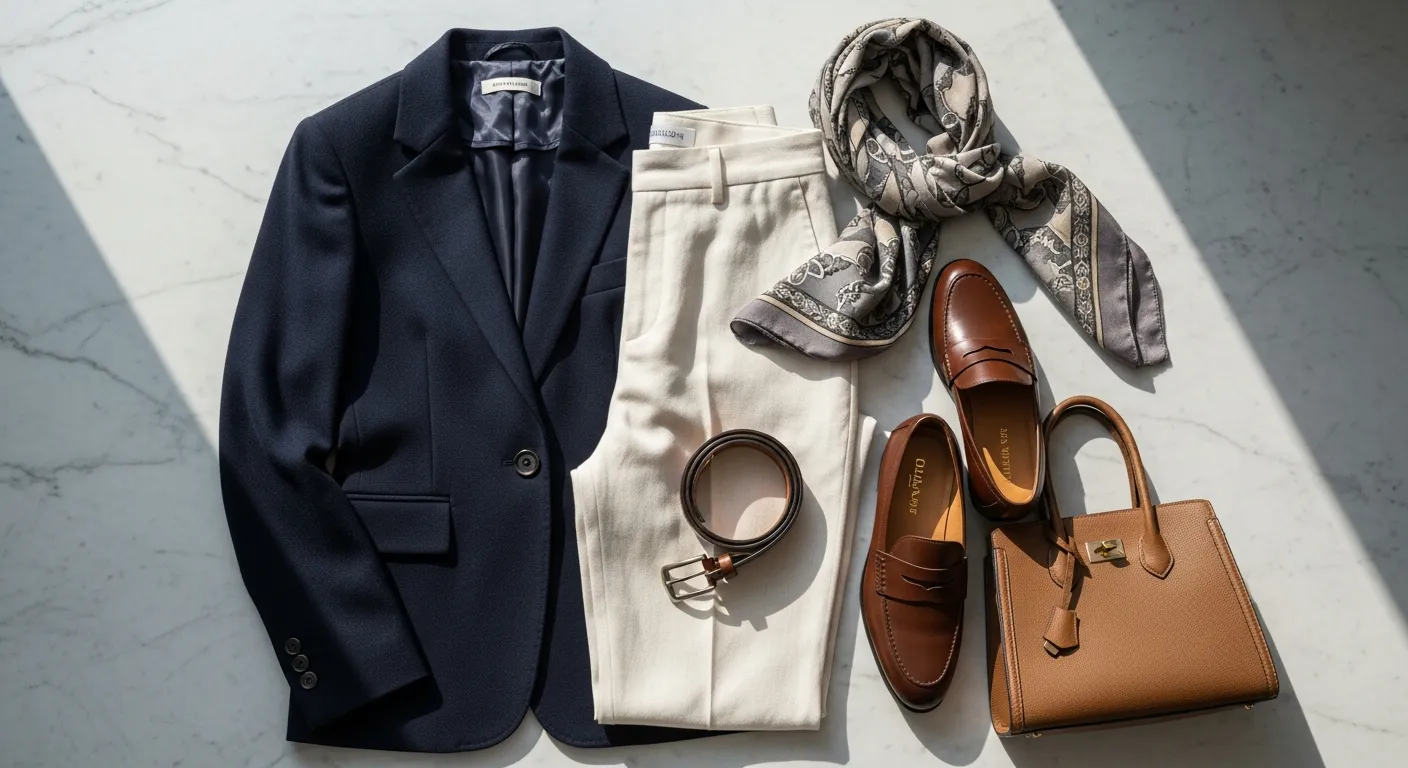
What I hadn’t factored in was that “formal” in plenty of cultures means full coverage in muted tones — not the little black dress I’d hopefully tucked into my bag as my sole fallback. When an actual formal occasion arrived, what I’d packed turned out to be formal in entirely the wrong register. These days I travel with a few options built to respect local expectations without feeling like a costume.
Mistake 3: Assuming I’d Have Warning Before Needing a Backup Layer
My working theory was that I’d clock a stricter dress code coming and have time to adapt. That theory didn’t survive contact with reality. Once you’re already on the ground, tracking down clothing that satisfies both your own comfort and local expectations on short notice is far harder than it sounds — which is exactly why packing ahead beats scrambling to shop later.
Mistake 4: Not Realizing Norms Could Shift Every Few Blocks
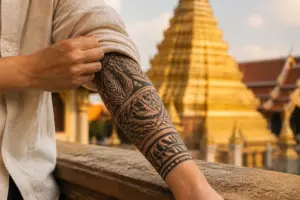
Southeast Asia taught me this one the confusing way: a beach town would barely register a bikini, and twenty minutes later, in that same outfit, I’d be standing at a temple gate as the obviously unwelcome exception. The real variable wasn’t country-to-country — it was street-to-street, sometimes within a single afternoon: beach, market, temple, back to back to back.
Mistake 5: Believing Coverage Alone Was the Whole Equation
Shoulders and knees covered felt like mission accomplished — until I noticed how much a snug cut, bold nail color, or visible jewelry could draw stares in more conservative pockets, even with every inch of skin technically hidden. Modesty isn’t purely about hemline length; it’s about how much attention your silhouette pulls.
The One Fix That Solved Most of This
By the time mistake three had repeated itself in yet another country, I finally added the one item that would’ve prevented most of this list from ever happening: a lightweight travel shawl. It’s spared me plenty of awkward standoffs, made blending in far easier, and given me more confidence stepping into unfamiliar cultural settings — all for a sliver of the packing space a full spare outfit would demand.
Where it delivers
- It compresses down to almost nothing, so it doesn’t eat into luggage space already claimed by toiletries, shoes, and your one “presentable” outfit.
- You can drape it on in under five seconds the moment you clock a dress code stricter than your guidebook promised — no pins, no fussy wrapping required.
- It moonlights as a blanket on overnight buses, a beach wrap, and even makeshift head covering at religious sites, so one piece of fabric replaces four.
- The better travel shawls resist wrinkling and dry fast, which matters a lot when you’re rinsing clothes in a hostel sink between stops.
Where it falls short
- The edges start fraying after months of heavy rotation, particularly if you’re scrubbing it in hostel sinks with harsh soap.
- In brutally hot, humid climates, any extra layer feels stifling, and you’ll grumble about carrying it even when you genuinely need it.
- Cheaper versions sometimes don’t offer real coverage for truly conservative settings — quality outweighs price here.
I nearly abandoned mine in Vietnam because the heat was punishing, but I’m glad I held onto it — I needed it the second I walked into a temple complex. Grab Happyluxe Travel Shawl before your next trip.
Other Items That Made the Cut
Past the shawl, I now keep one pair of lightweight long pants and a pair of slip-on shoes (flip-flops don’t count) packed for the exact reason mistake three drilled into me — cultural expectations show up without warning, and they don’t wait for you to find a shop. For the region-by-region packing detail, this guide goes further than I will here.
Staying Respectful Without Disappearing Into It
None of this asks you to erase your personal style — it’s about reading a room before you’re standing inside it. Every single mistake on this list taught me the same thing: locals register the effort, not flawless execution. That effort is exactly what shifts a trip from something you watch from the outside to something you actually get to be part of.
Avoid knee-length shorts and sleeveless tops. The article describes showing up in this exact outfit creating immediate tension with a receptionist. Instead, prioritize full coverage in muted tones—the article emphasizes that “formal” in many cultures means full coverage in conservative colors, not minimal clothing. Not reliably. The author packed a little black dress as her sole formal fallback, but discovered it was formal in entirely the wrong register for many cultures. Today she travels with multiple options built to respect local expectations, rather than relying on a single dressy piece. A lightweight travel shawl solved most problems for the author. It compresses to almost nothing, drapes on in under five seconds, and moonlights as a blanket, beach wrap, or makeshift head covering at religious sites. Quality versions resist wrinkling and dry fast when hand-washed. Dress codes shift dramatically within the same area. In Southeast Asia, a beach town might barely register a bikini, but twenty minutes later at a temple gate in the same outfit, you’d be the obviously unwelcome exception. Norms vary street-to-street, sometimes within a single afternoon.Mistake What Went Wrong Better Approach Treating ‘Business Casual’ as Universal Wore knee-length shorts and sleeveless top to government office in conservative Muslim-majority country; created tension Prioritize full coverage in muted tones Only One ‘Dressy’ Outfit Little black dress was formal in wrong register for many cultures Travel with multiple options respecting local expectations No Backup Layers Packed No time to shop for appropriate clothing once on the ground Pack backup layers before departure Norms Shift Within Same Area Beach town accepted bikini; temple gate twenty minutes later did not Read dress codes location-to-location, not country-to-country Coverage Alone Insufficient Snug cut, bold nail color, visible jewelry drew stares despite full coverage Modesty includes silhouette and how much attention clothing pulls Frequently Asked Questions
What should I wear to a government office in a conservative Muslim-majority country?
Can a little black dress work as a formal backup outfit when traveling?
What single item prevents most cultural dress code mistakes while traveling?
Do dress codes change within Southeast Asia cities or stay consistent?
About This Article

Written by Elena Vasquez. Elena Vasquez is a full-time traveler and the founder of Witty Passport. Over fifteen years and more than 50 countries across six continents — including a stretch spent leading groups professionally through Southeast Asia and the remote highlands of South America — she's written the kind of destination guides she always wished existed: practical, specific, and built on real experience rather than recycled itineraries. More about this site.
Scope and limits. Elena is a full-time traveler, not a licensed travel agent or immigration adviser. Entry requirements, visa rules, and advisories change without notice — always confirm against the official government source for your destination and passport before booking.
Verify this against a primary source
Specifics change, and your situation may differ from the one described here. These are the authorities worth checking directly:
- U.S. Department of State — entry requirements and travel advisories
- CDC Travelers' Health — vaccination and health notices by destination
- TSA — current carry-on and screening rules