A woman in one of my Yucatán groups once refused to step past the resort’s security gate for three straight days, convinced that any excursion beyond the pool bar was asking for trouble — meanwhile the rest of us were eating tacos al pastor two blocks away without a single hitch. That memory resurfaced years later when I finally planned a solo trip through Mexico with no group roster and no co-guide backing me up, no one to split the decisions with or blame if things went wrong. That absence of a safety net was the entire appeal, honestly. So I picked Mexico — a country plenty of people dismiss as “too risky” based on nothing but headlines — and what I got instead was vivid culture, jaw-dropping scenery, and a trip that genuinely reshaped how I think about travel. Millions of people pass through every year without a single problem, and if you pick the right places and plan with some sense, you’ll be one of them too.
The Safest Destinations in Mexico for Solo Travelers
Mexico isn’t one uniform risk category, and the first real step to traveling here well is recognizing how much regions differ from each other. The corridors built entirely around tourism — the places whose economies live or die on visitor confidence — tend to come with solid security presence and dependable infrastructure.
Playa del Carmen and the Riviera Maya are dense tourist zones backed by resort security teams, tourist police, and functioning emergency services. Beaches get patrolled, restaurants operate under regulation, and thousands of solo travelers pass through every month without a single issue. Petty theft happens in the crowds, sure — same as any busy destination — but violent crime aimed at tourists is statistically uncommon here.
Oaxaca City has become a magnet for travelers chasing genuine culture, colonial-era streets, and a food scene that gives Mexico City a real run for its money. Its historic center is easy to walk, well-lit at night, and clearly maintained with visitors in mind. Local guides will steer you toward the neighborhoods worth wandering and quietly tell you which ones lose their appeal once the sun goes down.
San Miguel de Allende in Guanajuato reads more like a calm hillside town than any kind of tourist trap — expat communities, dependable services for visitors, and a real sense that neighbors look out for each other. I ran into several solo women there who’d extended their stays by weeks after arriving.
Puerto Vallarta on the Pacific side pairs resort-level infrastructure with a still-authentic Mexican feel. The malecón, that long waterfront promenade, stays busy with locals and travelers alike well into the evening, and that constant foot traffic alone gives it a safe, lived-in energy.
What ties these destinations together: economies that depend on visitors feeling safe, taxi systems that actually function, tourist info centers, and hospitality staff who speak English. None of that guarantees nothing will ever go wrong, but it does mean the support structure is there the moment you need it.
How I Quit Treating My Passport Like a Ticking Time Bomb
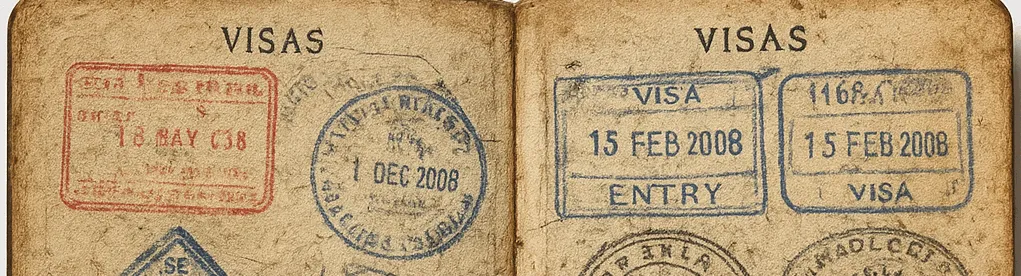
Traveling solo through Mexico means your documents are, in the most literal sense, your lifeline — and the worst-case scenario is your passport getting skimmed in a packed market or ruined by heat and sweat before you even notice. An RFID-blocking holder turned into something I stopped consciously thinking about, which meant I could actually be present in a place instead of running mental security checks every few minutes.
What worked in practice
- Thin enough to slide into a crossbody bag pocket without the telltale bulge that basically announces “important documents in here” to every vendor nearby
- The RFID shielding earns its keep in packed colonial-town squares and ferry terminals, exactly where you have no idea who’s standing close enough behind you
- Kept my passport bone-dry through those sudden afternoon downpours that hit Mexico’s coastal towns out of nowhere — I’ve seen friends dig soaked documents out of their bags after being caught off guard
Where it fell short
- It feels almost too thin the first time you handle it, enough that I doubted anything this lightweight could actually block or protect much
- If you’re the type who wants your passport instantly reachable (understandable), this tacks one more fumbling step onto an already tense border crossing
I almost ditched it at Playa del Carmen because I convinced myself I was being paranoid, but getting my documents skimmed is a paranoia I’d rather keep. Pick up an RFID-blocking passport holder and move on with your trip.
Safety Habits Worth Actually Keeping
Gear helps at the margins, but how you act matters far more. This is what held up in practice, trip after trip:
- Register with your embassy: Five minutes online, and now someone official knows where you are if something goes sideways. Feels excessive right up until it’s the exact thing that helps.
- Loop one person into your route: Not a public post — one person back home you trust. Send a text on hotel arrival, before any long haul between towns, and check in every couple of days. That’s not overthinking it; it’s just standard solo-travel practice.
- Stick to legit taxis or ride-share apps: Get Uber set up before you land. If you’re paying cash, use a sitio — an official taxi stand — instead of flagging something down off the curb. A few extra pesos for an app ride buys you a trail if anything goes wrong.
- Don’t broadcast money: Skip the flashy jewelry, don’t flash cash in the open, and keep your phone put away and secure. Good advice everywhere, but it counts double when you’re clearly traveling alone.
- Mind your surroundings after dark: Mexico doesn’t flip a switch into “dangerous” once the sun sets, but solo travelers should still favor busy, well-lit streets. Ask whoever’s at your hotel desk which areas are genuinely fine at night and which ones locals themselves steer clear of.
The Bigger Danger Is Sitting This One Out
The part that caught me off guard: the odds of something going wrong turned out lower than the odds of letting fear talk me out of an experience that ended up changing me. Millions travel through Mexico each year, and the overwhelming majority get exactly the trip they were hoping for. Smart destination choices, sensible precautions, and basic situational awareness tilt the odds firmly in your favor.
Mexico isn’t “too risky” — it just asks for a bit of actual thought instead of assumptions borrowed from headlines. Go. Bring that RFID holder along. Keep your head up. Then let yourself actually enjoy the whole reason you came.
Frequently Asked Questions
Which Mexican destinations are safest for solo travelers?
Playa del Carmen and the Riviera Maya have dense tourism infrastructure with resort security, tourist police, and functioning emergency services. Oaxaca City offers a well-lit, walkable historic center. San Miguel de Allende in Guanajuato feels like a calm hillside town with expat communities and solid visitor services. Puerto Vallarta pairs resort infrastructure with authentic Mexican character and a busy malecón that stays active into evening.
What safety habits matter most when traveling solo in Mexico?
Register with your embassy online beforehand. Loop one trusted person back home into your route and check in every couple of days. Use legitimate taxis or ride-share apps like Uber instead of flagging cabs off the street. Avoid broadcasting money or wearing flashy jewelry. After dark, stick to busy, well-lit streets and ask your hotel which neighborhoods locals genuinely avoid at night.
Should I use an RFID-blocking passport holder in Mexico?
Yes. An RFID-blocking holder protects against document skimming in crowded markets and ferry terminals while keeping your passport dry during sudden afternoon downpours common in Mexico’s coastal towns. It slides into a crossbody bag without creating a visible bulge that signals valuables to vendors nearby.
How many people travel through Mexico safely each year?
Millions of people pass through Mexico every year without a single problem. The overwhelming majority get exactly the trip they were hoping for when they choose smart destinations, take sensible precautions, and maintain basic situational awareness.
About This Article

Written by Elena Vasquez. Elena Vasquez is a full-time traveler and the founder of Witty Passport. Over fifteen years and more than 50 countries across six continents — including a stretch spent leading groups professionally through Southeast Asia and the remote highlands of South America — she's written the kind of destination guides she always wished existed: practical, specific, and built on real experience rather than recycled itineraries. More about this site.
Scope and limits. Elena is a full-time traveler, not a licensed travel agent or immigration adviser. Entry requirements, visa rules, and advisories change without notice — always confirm against the official government source for your destination and passport before booking.
Verify this against a primary source
Specifics change, and your situation may differ from the one described here. These are the authorities worth checking directly:
- U.S. Department of State — entry requirements and travel advisories
- CDC Travelers' Health — vaccination and health notices by destination
- TSA — current carry-on and screening rules