Skip to content
OpenAI Playground interface showing text generation example from November 2025 the witty passport

  • Home
  • About Us
  • Contact Us
OpenAI Playground interface showing text generation example from November 2025
the witty passport

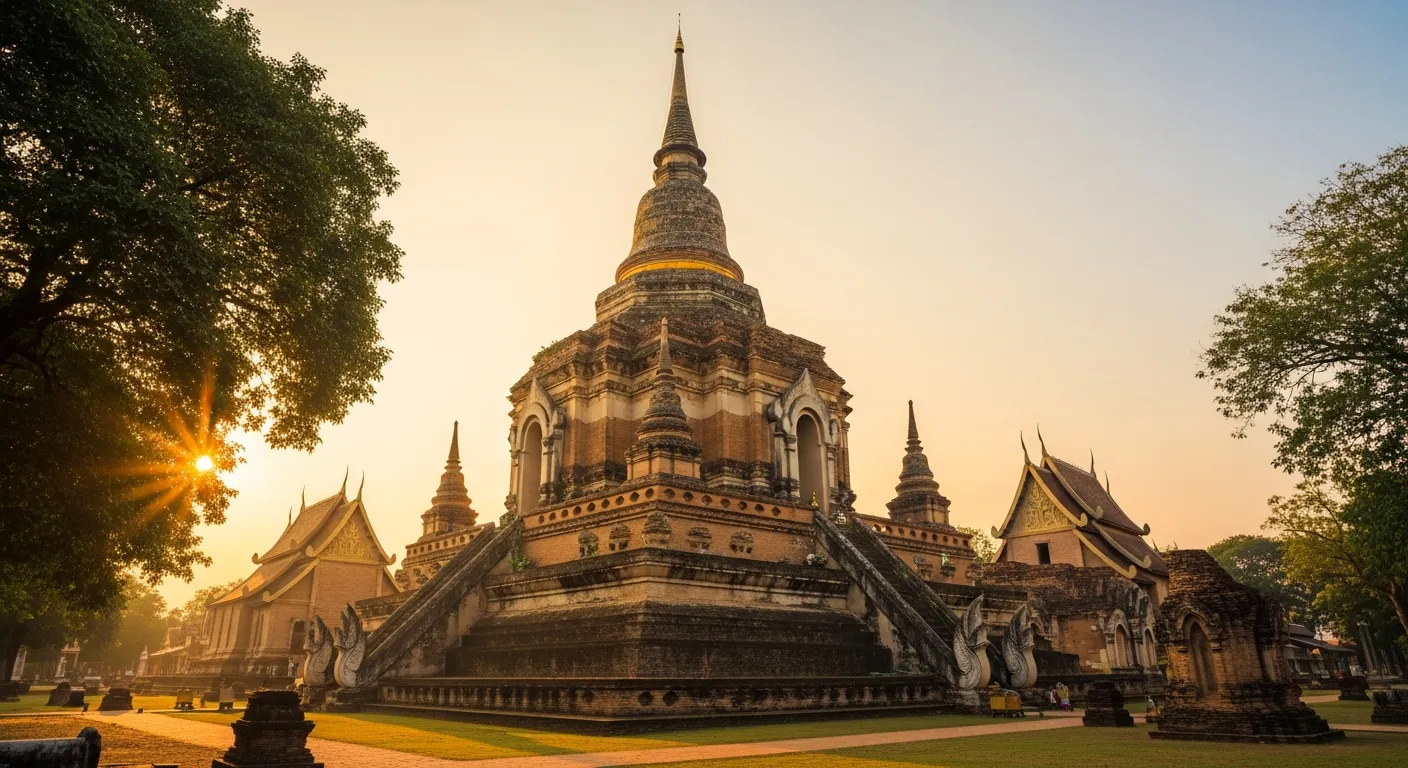
Ancient Buddhist temple complex with weathered stone chedi tower rising majestically against golden sunrise sky in northern Thailand. Traditional Lanna architecture features intricate carved details, aged brick and stone construction, with smaller stupas surrounding the main towering structure. WarmSave

Planning Your Dream Thailand Trip: A Comprehensive Guide

Posted on November 14, 2025May 27, 2026 By lucybamaboo

I quit my career in finance to become a landscape photographer, and before I started that new chapter, I gave myself one month: no meetings, no performance reviews, no deliverables — just go somewhere that would remind me why I made the switch. Thailand wasn’t a calculated choice so much as a gut feeling, the kind that pulls you toward golden temples catching the morning light, limestone cliffs rising out of turquoise water, and street markets so alive with color and noise they almost feel staged. I came back with 4,000 photographs, a renewed sense of purpose, and the hard-won knowledge that planning a month in Thailand is equal parts thrilling and genuinely complicated. So I put together everything I wish I’d known — the itinerary decisions, the regional trade-offs, the timing, the logistics — into this practical, experience-first guide so you can spend less time second-guessing and more time actually being there.

What I Recommend

Thailand’s heat and humidity are no joke, and I learned the hard way that sunscreen isn’t optional—it’s survival. Neutrogena Sunscreen Lotion Beach Defense SPF 70 is my go-to because it actually stays on when you’re sweating through temple visits and beach days, and it won’t leave you looking like a greasy tourist disaster.

You’ll be doing a lot of walking in Thailand—from navigating Bangkok’s chaotic markets to exploring temple grounds in Chiang Mai—so comfortable footwear matters more than you’d think. A solid pair of closed-toe walking shoes will save your feet during long days of exploration, and they’re also more respectful when entering sacred spaces than flip-flops.

Thailand’s tap water isn’t safe for tourists to drink, but buying plastic bottles constantly is wasteful and expensive. A filtered water bottle lets you refill at guesthouses and restaurants while knowing your water is actually safe, which means more money for pad thai and fewer trips hunting down convenience stores.

I can’t stress enough how important it is to respect Thai culture, especially when visiting temples and sacred sites—many require covered shoulders and knees. Pack some lightweight modest clothing before you go, because trying to find appropriate options in tourist areas will eat up time and money you’d rather spend actually exploring.

A good daypack is essential for getting around Thailand without lugging your entire suitcase everywhere. The AOTIAN Mini Lightweight Backpack is compact enough that you won’t look like you’re moving in, durable enough to handle Southeast Asian adventures, and actually comfortable for hours of market hopping and temple touring.

As an Amazon Associate, I earn from qualifying purchases.

I Got Splashed by a Monk’s Longtail Boat at 5AM and I’d Do It Again Immediately

Our guide, Niran, had the kind of calm energy that makes you trust someone completely within about thirty seconds. He was waiting at the dock before dawn with two paper cups of Thai iced coffee, which immediately earned my loyalty for life. We climbed into the longtail boat as Bangkok was still half-asleep, the klongs shrouded in a low mist that smelled like river mud, incense, and something frying nearby — because someone in Bangkok is always frying something nearby, no matter the hour. Niran explained as we pulled away from the dock that Bangkok’s canal network once earned it the nickname “Venice of the East,” and that in the 19th century the klongs were the city’s main highways, with floating markets, floating homes, and floating everything else. Most of those canals were paved over for roads in the 1960s development boom, he said, which is why the few that remain feel like a secret the city is still keeping. Stilted wooden houses lined the banks, laundry hanging between them, children waving from doorways like we were mildly interesting television.

The funny moment came midway through, at the floating flower market — a riot of marigold garlands and jasmine strings that Thai Buddhists use for merit offerings. Niran had just told us that marigolds are so central to Thai Buddhist culture that they’re sometimes called the “flower of the gods,” when I leaned over the edge to get a closer photo and my sunglasses slid cleanly off my face and into the canal. Gone. The flower vendor next to us laughed so hard she had to hold onto her boat. Niran, to his enormous credit, did not laugh. He simply said, “The klong has accepted your offering,” and handed me a spare pair from under his seat like this happened every single week. (It probably does.) We ended at a riverside temple where monks were chanting morning prayers — low, resonant, and completely indifferent to our boat quietly drifting past. Niran told us the temple dated to the Ayutthaya period, making it over 300 years old, and that alms-giving at dawn is one of the most important daily rituals in Theravada Buddhism, the branch practiced by over 90% of Thais. I sat there with borrowed sunglasses, river-damp jeans, and genuinely no desire to be anywhere else on earth.

If this sounds like your kind of morning — and honestly, why wouldn’t it be — I’d strongly recommend locking something like this in before your trip. You can browse similar Thailand tours on Viator to find guided klong experiences at various price points, including private options if you’d rather not share your sunglasses disaster with strangers. Book early; the good ones fill up fast, especially for the sunrise slots.

Pre-Trip Essentials: Getting Ready

Proper planning before you leave ensures a smooth and stress-free vacation. This first stage involves understanding the best time to go, checking visa rules, and preparing for a healthy trip. Getting these details right sets the foundation for a fantastic adventure.

When to Visit Thailand

Choosing the right time to visit is key to a great trip. Thailand’s climate varies, but it generally has three seasons. The cool, dry season runs from November to February. It offers pleasant temperatures and lower humidity. Consequently, this is the peak tourist season with higher prices and bigger crowds.

The hot season lasts from March to May. Temperatures can soar, especially in April. This is a great time for beach lovers who enjoy the heat. Finally, the rainy season spans from June to October. While you can expect daily downpours, they are often brief. The rain also brings lush green landscapes and fewer crowds. For example, visiting during the shoulder months like October or March can offer a good balance of weather and price.

. Travel Guide

Visas and Entry Requirements

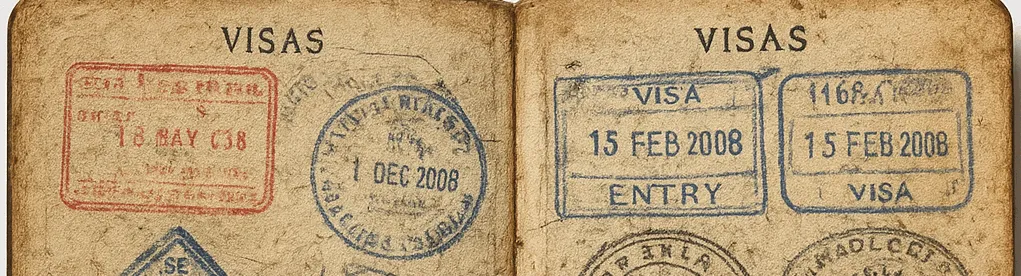
Navigating visa rules is a crucial first step. Many nationalities can enter Thailand for up to 30 days without a visa. This is known as a visa exemption. However, you must always check the latest requirements with an official source. Official Thai embassy or consulate websites provide the most accurate information. Source

If you plan to stay longer, you will likely need to apply for a tourist visa in advance. These rules can change, so verifying them before you book is essential. Ensure your passport has at least six months of validity remaining from your date of entry. This is a strict requirement for most international travel.

Health and Safety Precautions

Your health is your top priority while traveling. Before your trip, consult your doctor or a travel clinic. They can advise on recommended vaccinations for Thailand. Additionally, while malaria risk is low in most tourist areas, mosquito-borne illnesses like dengue fever are present. Therefore, using insect repellent is a smart precaution.

Stick to bottled or filtered water to avoid stomach issues. Be adventurous with street food, but choose popular, busy stalls. This indicates fresh ingredients and high turnover. Furthermore, get comprehensive travel insurance. It should cover medical emergencies, trip cancellations, and lost luggage for peace of mind. Thailand’s Regions – Tourism Authority of Thailand

Exploring Thailand’s Diverse Regions

Thailand is a country of incredible diversity, with distinct regions that each offer a unique experience. From the urban energy of the central plains to the serene mountains of the north and the idyllic islands of the south, there is something for every type of traveler.

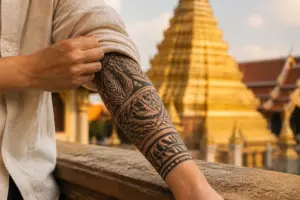
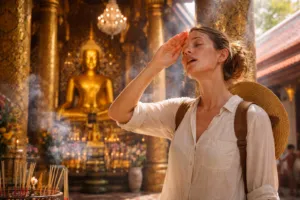
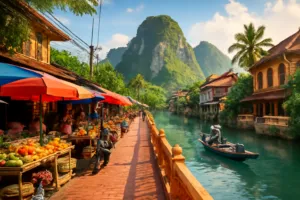
A stunning collage showcasing four distinct Thai landscapes and cultural scenes. The first panel displays an ornate golden temple complex with intricate spires and traditional architecture gleaming in bright sunlight. The second shows a serene Buddhist temple perched on a misty mountainside surround

. Bangkok Travel Guide – Lonely Planet

The Bustling Heart: Central Thailand

Central Thailand is the country’s historical and modern hub. It is home to the sprawling metropolis of Bangkok. The capital city is a whirlwind of activity. You can explore ornate temples, cruise along the Chao Phraya River, and dive into world-class shopping malls.

Key attractions in and around Bangkok include:

  • The Grand Palace: A dazzling complex of sacred buildings that once housed the kings of Siam.
  • Wat Pho and Wat Arun: Iconic temples known for the Reclining Buddha and their riverside spires.
  • Floating Markets: Experience a traditional way of life at markets like Damnoen Saduak or the more local Amphawa.
  • Ayutthaya: The former capital of Siam, now a UNESCO World Heritage site with impressive temple ruins.

Bangkok’s energy is infectious. The city offers everything from luxury hotels to budget-friendly hostels. Its street food scene is legendary, providing delicious and cheap meals on almost every corner. Chiang Mai Travel Guide – Lonely Planet

The Cultural North: Northern Thailand

For a different pace, head to Northern Thailand. This region is known for its misty mountains, rich culture, and cooler climate. Chiang Mai is the area’s main city. It serves as a perfect base for exploring the surrounding nature and history. Many travelers find it more relaxed than Bangkok.

In the north, you can immerse yourself in unique activities. For instance, you can visit ethical elephant sanctuaries. These places focus on animal welfare rather than entertainment. You can also take a Thai cooking class to learn the secrets of local cuisine. The region is also home to hundreds of ancient temples, including the stunning Wat Phra That Doi Suthep, which overlooks Chiang Mai from a mountaintop. Further north, the city of Chiang Rai offers sights like the unique White Temple (Wat Rong Khun). This area is perfect for trekking and enjoying a slower way of life.

The Island Paradise: Southern Thailand

Southern Thailand is world-famous for its spectacular beaches and islands. The region is split by a peninsula, creating two distinct coastal areas. On the west (Andaman Sea) side, you will find Phuket, Krabi, and the Phi Phi Islands. These areas are known for their dramatic limestone karsts rising from turquoise waters. Activities here include island hopping, rock climbing, and diving.

On the east (Gulf of Thailand) side, you have islands like Koh Samui, Koh Phangan, and Koh Tao. This area is famous for its palm-fringed beaches and vibrant nightlife. Koh Phangan hosts the legendary Full Moon Party. Meanwhile, Koh Tao is a premier destination for scuba diving certification. Whether you seek relaxation on a quiet beach or adventure in the sea, Southern Thailand delivers an unforgettable coastal escape.

Practical Tips for Your Trip

Getting Around Thailand

Traveling within Thailand is both affordable and efficient. For long distances, domestic flights are a quick option. Airlines like AirAsia and Nok Air offer competitive prices. The train network is another great way to see the country. Overnight trains, for example, are a popular way to travel from Bangkok to Chiang Mai.

Buses connect nearly every town and city. They are the most common mode of transport for locals and budget travelers. In cities, you have many choices. Bangkok has the modern BTS Skytrain and MRT subway. In most places, you can hire a taxi or use a ride-sharing app like Grab. For a truly local experience, hop on a tuk-tuk for short distances, but be sure to agree on the price beforehand.

Savoring Thai Cuisine

Thai food is a highlight for many visitors. The cuisine perfectly balances sweet, sour, salty, and spicy flavors. Do not leave without trying some classic dishes. Pad Thai (stir-fried noodles), Green Curry, and Tom Yum Goong (spicy shrimp soup) are essential.

Street food is a huge part of the culture. You can find delicious and cheap meals everywhere. Look for stalls with long lines of locals—it’s usually a sign of quality. Be open to trying new things. From mango sticky rice for dessert to savory grilled meats, your taste buds are in for a treat.

A bustling Thai street food market at golden hour with colorful food stalls lining a narrow alley, steam rising from grills cooking satay skewers and other meats, vendors in aprons serving customers from large metal pots and woks. Long queues of local Thai people waiting at popular stalls, with hang

Staying Safe and Respectful

Thailand is generally a safe country for tourists. However, it’s always wise to take common-sense precautions. Keep your valuables secure and be aware of your surroundings, especially in crowded areas.

Respect for local culture is very important. When visiting temples, you must dress modestly. This means covering your shoulders and knees. Also, the royal family is highly revered in Thailand. You should never make disrespectful comments about them. A friendly smile and a polite “sawasdee” (hello) will go a long way in your interactions with the wonderful Thai people.

In summary, a little planning goes a long way. By choosing your season, understanding the regions, and embracing the culture, you are ready for an incredible journey. Thailand’s magic awaits.

Thailand plannerthailandtrips

Post navigation

Previous post
Next post

Recent Posts

  • Vienna Coffee House Culture: The Only Guide You Need
  • Kraków Pierogi Festival: Your Ultimate August Guide
  • Best New Year’s Eve Food Festivals Worth Traveling For
  • Best Christmas Food Festivals in December Worth Traveling For
  • Mexico Food Festivals Worth Traveling For This November

Archives

  • May 2026 (31)
  • April 2026 (15)
  • March 2026 (4)
  • February 2026 (4)
  • January 2026 (14)
  • November 2025 (57)

Categories

  • Australia
  • Bora Bora
  • Costa Rica
  • Croatia
  • Dubai
  • Foodie
  • France
  • Grand Canyon
  • Greece
  • Iceland
  • Italy
  • Japan
  • Jordan
  • Maldives
  • Mexico
  • Norway
  • Portugal
  • South Africa
  • Thailand
  • Travel Tips
  • Uncategorized
  • Terms of Service
  • Privacy Policy
© 2026 the witty passport