Waiting for the right travel companion versus just booking the flight alone — one gets you to Rome, the other keeps you stuck at home scrolling itineraries. Solo travel wasn’t something I’d tried before this trip, and the idea genuinely unsettled me: no one to weigh options with, no one else to blame when plans unraveled. That uncertainty was actually the draw. So I set aside three days for Rome, reminded myself the city had outlasted millennia of upheaval and could probably handle one nervous American, and went. The result was a whirlwind of gelato breaks and wandering down streets older than most countries — and below is the exact plan I wish someone had handed me the moment I stepped off the plane.
| Day | Primary Sites | Time Allocation | Key Tip |
|---|---|---|---|
| Day One | Colosseum, Roman Forum, Pantheon | 8:30 AM start | Arrive early before tour groups |
| Day Two | Vatican Museums, Sistine Chapel, St. Peter’s dome | Full day, 3+ hours museums | Skip-the-line ticket recommended |
| Day Three | Trastevere, Spanish Steps, Jewish Ghetto, Testaccio | Flexible/unscheduled | Drift and explore neighborhoods |
Day One: The Icons (And Why You Should Start Early)
Get there early — genuinely early, ahead of the tour groups. Reserve your Colosseum entry online and target an 8:30 AM slot. Going at 9 instead of noon isn’t a minor upgrade; it’s a completely different experience. You’ll actually be looking at the arena itself instead of a wall of shoulders and selfie sticks.
From the Colosseum, head straight into the Roman Forum — one ticket covers both sites. Give yourself two hours to wander the ruins, read the signage, and rest on stones that Caesar’s contemporaries once crossed. No photo or guidebook prepares you for how strange and quiet that feeling actually is.
Don’t rush lunch. Find a modest café near the Forum, order a panini and a cappuccino, and take your time. This is the moment solo travel really shows its value — you eat what you want, when you want, with nobody to negotiate with.
Wrap up day one at the Pantheon right before the sun drops. Watching light pour through the oculus makes the walk there completely worthwhile. For dinner, skip anything with a direct view of the Pantheon — those places are coasting on tourists, not quality — and head one street over instead. Let curiosity and your own feet decide the rest.
Day Two: Vatican City, Where Your Senses Get Overloaded
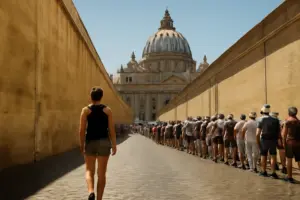
Give the Vatican an entire day — it doesn’t work as a half-day stop. Buy a skip-the-line ticket covering St. Peter’s Basilica and the Vatican Museums ahead of time. It runs pricier than simply showing up and waiting, and it’s still the smarter move. You’ll sidestep queues that can eat hours and have actual time left to take everything in.
Begin in the Vatican Museums and move through the collections without treating it as a race. The common error is bolting straight to the Sistine Chapel and considering the visit complete. Resist that urge. Everything leading up to it — the Map Room, the Raphael Rooms, the tapestry halls — deserves attention. Budget at least three hours.
Nothing quite prepares you for the Sistine Chapel. Stand at its center, look straight up, and give Michelangelo’s ceiling a real minute to register. There will be a crowd around you. Guards will hush anyone reaching for a camera. None of that dulls how striking it is.
If your knees are up for it, tackle St. Peter’s dome — 551 steps, tight and spiraling most of the way, leading to what might be Rome’s single best view. The Tiber, the rooftops stretching outward, the whole layout of the city becomes obvious in a way street level never shows you.
Day Three: Slower Streets and Real Neighborhoods
Loosen the schedule for your last day. Let it be about drifting — Trastevere’s cobbled lanes, the Spanish Steps caught early before the tour buses arrive, the Jewish Ghetto, Testaccio. Choose two or three areas and allow yourself to get pleasantly lost in them. These unplanned stretches tend to stick with you longer than the checklist stops.
Duck into a church nobody’s blogging about. Rome holds more than 900 of them, and the average visitor manages maybe three. Push open whatever door happens to be unlocked, take a seat, and let the history settle in while everyone else rushes past outside.
The Sunscreen Mistake I Made Wandering Rome’s Sun-Baked Piazzas
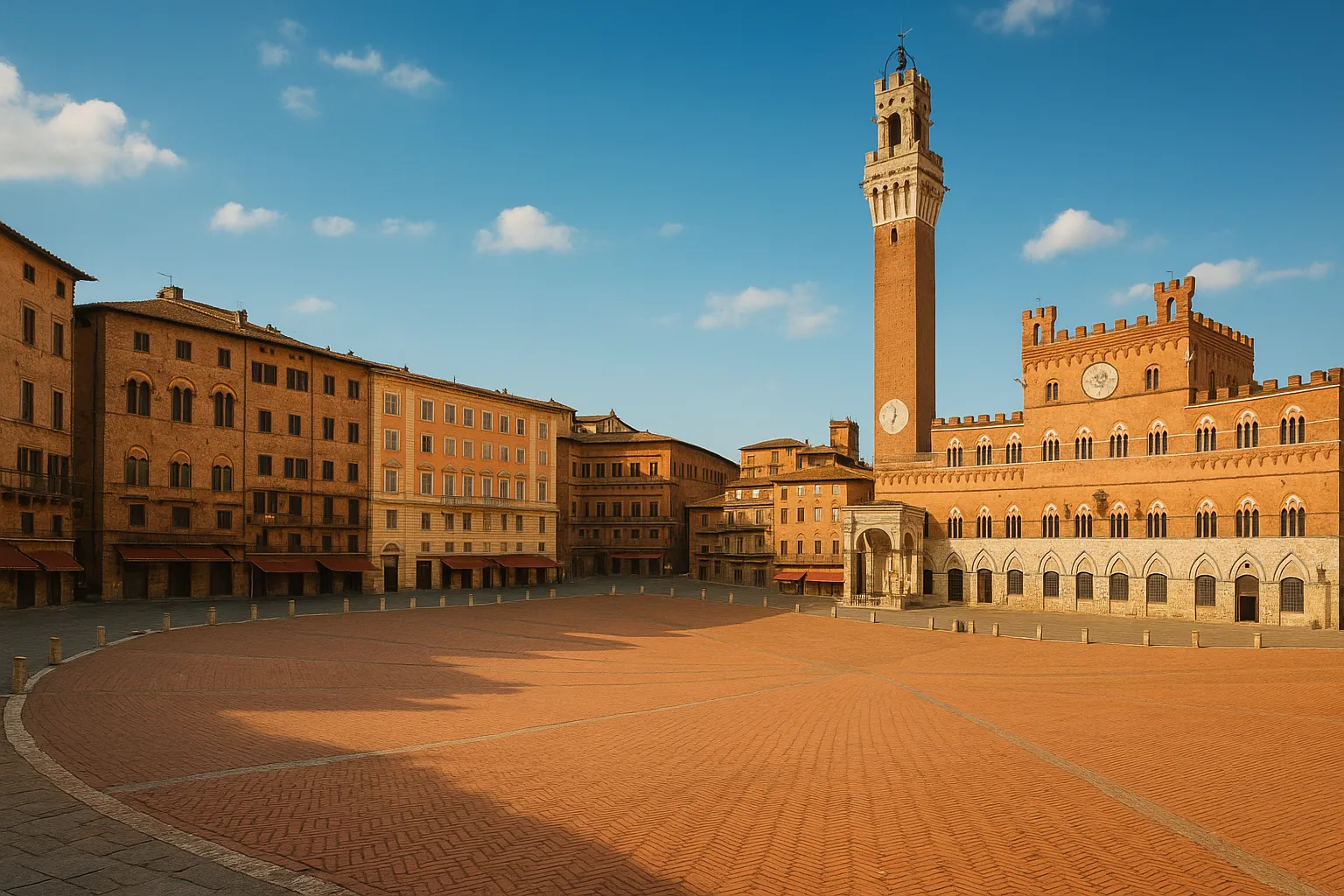
Roman summers don’t ease up — the piazzas offer basically no shade, and you can easily spend hours at the Colosseum or the Forum without registering how badly you’re burning. I found this out the hard way, showing up to day two looking like an overcooked lobster.
The upside
- SPF 70 kept its grip through sweat, gelato drips, and splashing my face at every fountain, without demanding a reapplication every 90 minutes.
- Unlike a lot of European sunscreens, it doesn’t leave you greasy — no walking around Rome looking like you lost a fight with a jar of coconut oil.
- The lotion goes on quickly enough that reapplying before ducking into the next museum doesn’t cost you 20 minutes of fumbling.
The downside
- Most Italian pharmacies don’t stock it, so you’re either bringing it from home or tracking down an English-speaking pharmacy in the centro — which undercuts the whole point of packing light.
- The bottle is bigger than the travel-size stuff, and since TSA won’t let it fly in your carry-on, it ends up adding bulk to checked luggage instead.
I almost skipped it on day three when my shoulders were already screaming, thinking surely I’d made it through the worst — then I remembered how I’d sat in the Sistine Chapel the afternoon before with a burning neck, barely able to look up. Neutrogena Sunscreen Lotion Beach Defense SPF 70 would have saved me from that small but miserable regret.
Logistics Worth Knowing If You’re Traveling Solo
If several museums are on your list, grab a Roma Pass. It covers three days, includes entry to two museums, and knocks the price down on additional ones. Pick it up at the airport as soon as you land — one fewer decision to juggle while everything else still feels new.
Don’t be intimidated by the metro or buses. Rome’s transit system is dependable, inexpensive, and nobody there is going to side-eye you for squinting at a route map. Download an offline version of Google Maps before you land — your phone becomes essential once you’re navigating solo.
Push dinner later than feels natural. Locals rarely sit down before 8 or 9 PM, which throws off your rhythm at first. By your second night, it clicks — the streets cool off, the crowds thin out, and the whole city feels more like itself.
Frequently Asked Questions
What time should I arrive at the Colosseum in Rome?
Target an 8:30 AM slot by reserving your entry online ahead of time. Arriving at 8:30 instead of noon makes a completely different experience — you’ll actually see the arena instead of crowds of shoulders and selfie sticks.
How many steps are in St. Peter’s dome climb?
The climb to St. Peter’s dome involves 551 steps, tight and spiraling most of the way. If your knees can handle it, the view from the top might be Rome’s single best perspective of the city.
Should I budget a full day for the Vatican Museums?
Yes, give the Vatican an entire day — it doesn’t work as a half-day stop. Budget at least three hours for the museums alone, resisting the common error of bolting straight to the Sistine Chapel without exploring the Map Room, Raphael Rooms, and tapestry halls first.
What time do Romans typically eat dinner?
Locals rarely sit down for dinner before 8 or 9 PM. Push your dinner later than feels natural at first — by your second night it clicks, the streets cool off, crowds thin out, and the whole city feels more like itself.
About This Article

Written by Elena Vasquez. Elena Vasquez is a full-time traveler and the founder of Witty Passport. Over fifteen years and more than 50 countries across six continents — including a stretch spent leading groups professionally through Southeast Asia and the remote highlands of South America — she's written the kind of destination guides she always wished existed: practical, specific, and built on real experience rather than recycled itineraries. More about this site.
Scope and limits. Elena is a full-time traveler, not a licensed travel agent or immigration adviser. Entry requirements, visa rules, and advisories change without notice — always confirm against the official government source for your destination and passport before booking.
Verify this against a primary source
Specifics change, and your situation may differ from the one described here. These are the authorities worth checking directly:
- U.S. Department of State — entry requirements and travel advisories
- CDC Travelers' Health — vaccination and health notices by destination
- TSA — current carry-on and screening rules