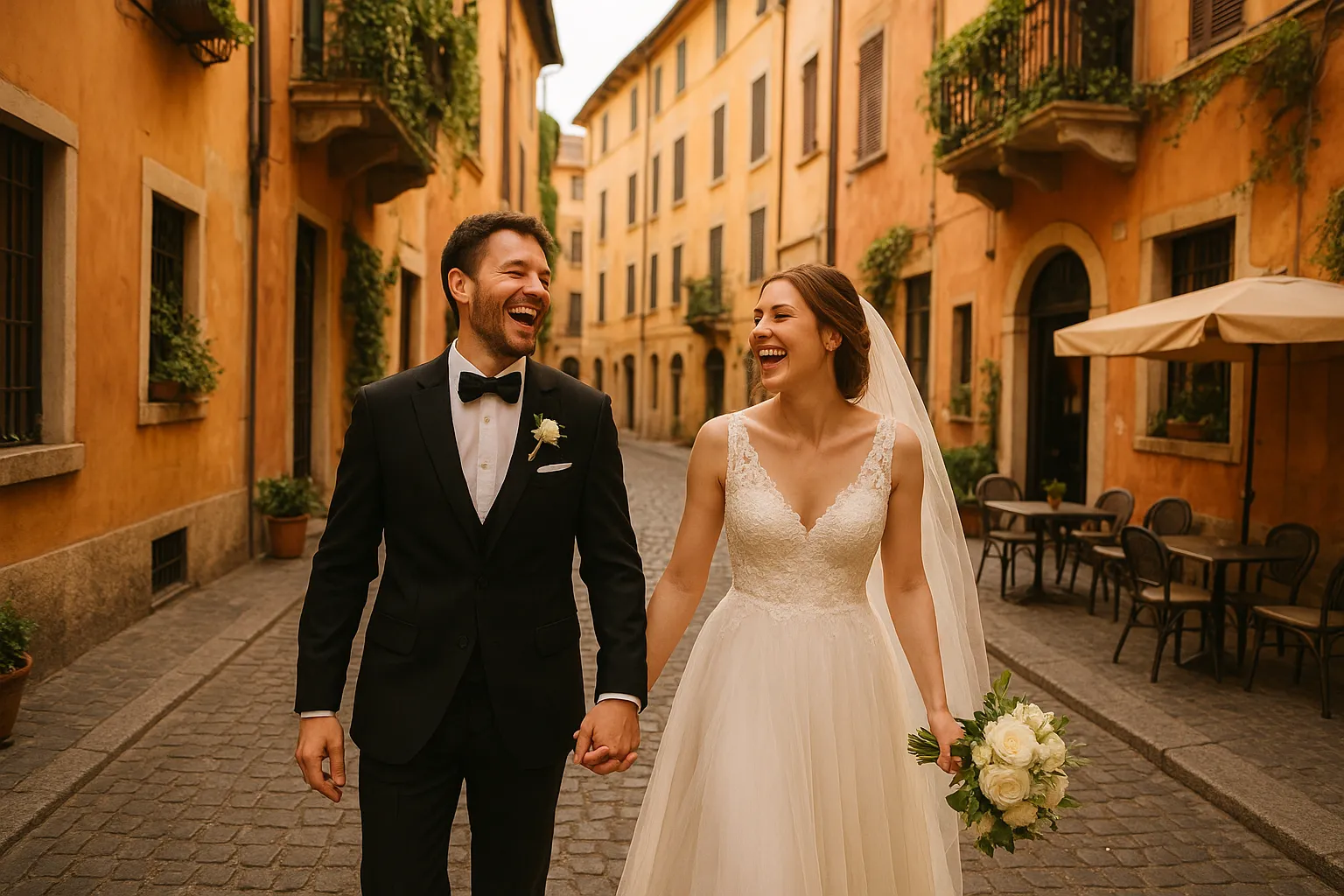
Two hundred and eleven dollars — that’s the number that flashed across a fare alert one Thursday afternoon, low enough that letting it slide felt like a mistake I’d regret. By the next morning I’d bought the ticket without booking a single hotel or mapping out a single day, and that gamble turned into the smartest move of the whole trip. The ten days that followed mixed ruins and golden-hour glasses of wine in roughly equal measure, split between the cobblestone sprawl of Rome and the impossibly green folds of the Tuscan hills. I’ve since turned that improvised wandering into something closer to an actual itinerary, because this part of Italy rewards a little structure — winging it entirely leaves too much on the table. If you’re planning a honeymoon, or just craving the specific romance that only la dolce vita can hand you, this is the route I’d repeat without hesitation.
Settling Into Rome: Days 1–5
Give Rome no less than five full days before you even think about heading north. That might feel excessive when you’re carving a ten-day trip in half, but this isn’t a city you check off in a weekend — it demands time to wander the centro storico without a destination, to stumble on a piazza you never planned to see, to sit still at a café long enough to watch the light shift.
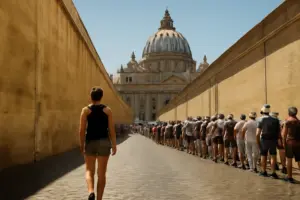
Land, drop your bags at a hotel near the Spanish Steps or Campo de’ Fiori, and let your first day move slowly. If you can drag yourself out early, walk to the Colosseum at dawn — the light is unreal and the tour groups haven’t shown up yet. Give the Vatican an entire day of its own. It will be crowded, no way around that, but go anyway. Buy your tickets online ahead of time to dodge the worst of the line, and if history isn’t your thing, bring in a guide — it turns the whole visit from exhausting into something that actually sticks with you.
Save the middle stretch of your stay for the spots that don’t need advance tickets — the Pantheon, the Trevi Fountain (best after sunset or past 8 p.m., when the crowds thin out), Castel Sant’Angelo. Eat wherever the locals eat, and steer clear of any place advertising “authentic Italian cuisine” in five languages on a sandwich board. Walk the Tiber as the light turns gold. This is the point where the trip stops being sightseeing and starts feeling like romance.
Heading Into Tuscany: Days 6–10
Pick up a rental car in Rome — you’ll want the independence in Tuscany — and point it north toward the Val d’Orcia or the Crete Senesi. The drive itself is half the point: cypress trees lining the road, towns perched on hilltops, vineyards stretching out toward nothing but horizon. Stop somewhere small for lunch. Talk to whoever’s running the place. This, more than any monument, is the reason you made the trip.
Choose a home base like Montepulciano, Pienza, or San Quirico d’Orcia. An agriturismo — a working farm renting out rooms — is worth the search if you can find one. Mornings start with roosters instead of alarms, breakfast happens on a terrace overlooking the hills, and the owners tend to know things no guidebook will tell you. Fill your days with wine tastings, aimless walks through medieval town centers, and photos of the exact view you’ve already scrolled past a hundred times on Instagram (it genuinely does look that good in person). Sign up for a cooking class if that’s your speed, or do absolutely nothing — both are valid ways to spend an afternoon here.
Why Neutrogena SPF 70 Earned a Permanent Spot in My Bag on the Tuscan Hills
Golden hour among the Tuscan hills sounds like poetry until you’re six hours into direct sun with zero shade, and that Mediterranean light bounces off ochre stone hard enough to punish skin that wasn’t built for it. I found this out the painful way, burning straight through the third day of the trip.
What works
- It genuinely holds its ground through a sweaty, 90-degree vineyard walk, unlike spray sunscreens that vanish and leave you with nothing but false confidence.
- Because it’s a lotion, reapplying doesn’t leave you looking like you’ve been dunked in oil — a real concern when sunset photos are on the agenda.
- SPF 70 gives you enough real protection that you’re not stuck reapplying every 45 minutes when gelato has claimed all your attention instead.
What doesn’t
- Full absorption takes a good 10 minutes, so expect a chalky white sheen to linger longer than you’d like if you’re rushing off to see the Duomo.
- One tube won’t cover a full trip once you’re honest about how often you’re reapplying — bring two, or resign yourself to a bit of afternoon shine.
I almost skipped it on day four purely out of vanity, tired of the white cast, and paid for that decision with a sunburn that turned that evening’s dinner reservation into a genuinely painful experience. Neutrogena Sunscreen Lotion Beach Defense SPF 70 became a non-negotiable part of my routine from that point on.
Logistics That Actually Make or Break This Trip
Lock in your hotels and dinner reservations well ahead of time, particularly if you’re traveling during peak season. The best restaurants book up fast, and treating a spontaneous walk-in as your main plan — rather than a lucky backup — is a good way to end up disappointed. Pick up a handful of basic Italian phrases before you go; locals notice the effort, even when your accent is rough around the edges.
On getting around: trains connecting Rome and Tuscany run smoothly and offer genuinely scenic views, but a rental car buys you the freedom to explore the countryside on your own schedule. If Italian roads intimidate you, lean on the trains instead and bring in local guides once you’re out in the regions.
Set aside money for wine tastings — figure roughly 15 to 20 euros per person at most estates, often with a few bottles thrown in if you decide to buy. Vineyards offering tastings are scattered across these hills, and skipping them on a honeymoon isn’t really an option. Keep it casual, and book morning tastings around 10 a.m. if you want to still be sober enough to enjoy lunch afterward.
Give Rome no less than five full days before heading north. The city demands time to wander the centro storico without a destination, to stumble on unexpected piazzas, and to sit at a café long enough to watch the light shift. This isn’t a place you can check off in a weekend. Visit the Trevi Fountain best after sunset or past 8 p.m., when the crowds thin out. This timing lets you experience the fountain with fewer tour groups and creates a more romantic atmosphere for your honeymoon visit. Wine tastings at most Tuscan estates cost roughly 15 to 20 euros per person, and often include a few bottles if you decide to buy. Book morning tastings around 10 a.m. if you want to still be sober enough to enjoy lunch afterward. Yes, pick up a rental car in Rome to explore Tuscany on your own schedule. A car buys you the freedom to drive through the countryside and stop in small towns, though trains connecting Rome and Tuscany run smoothly if you’d prefer not to drive.Destination Days Recommended Best Transportation Cost Detail Rome 5 full days Walk/local transit Hotels near Spanish Steps or Campo de’ Fiori Tuscany 5 days Rental car from Rome Wine tastings 15–20 euros per person Trevi Fountain Evening visit Walk Best after sunset or past 8 p.m. Wine tastings Morning (10 a.m.) Rental car Often includes bottles with purchase Frequently Asked Questions
How many days should I spend in Rome on a honeymoon?
What time should I visit the Trevi Fountain in Rome?
How much do Tuscan wine tastings cost per person?
Should I rent a car to explore Tuscany?
About This Article

Written by Elena Vasquez. Elena Vasquez is a full-time traveler and the founder of Witty Passport. Over fifteen years and more than 50 countries across six continents — including a stretch spent leading groups professionally through Southeast Asia and the remote highlands of South America — she's written the kind of destination guides she always wished existed: practical, specific, and built on real experience rather than recycled itineraries. More about this site.
Scope and limits. Elena is a full-time traveler, not a licensed travel agent or immigration adviser. Entry requirements, visa rules, and advisories change without notice — always confirm against the official government source for your destination and passport before booking.
Verify this against a primary source
Specifics change, and your situation may differ from the one described here. These are the authorities worth checking directly:
- U.S. Department of State — entry requirements and travel advisories
- CDC Travelers' Health — vaccination and health notices by destination
- TSA — current carry-on and screening rules