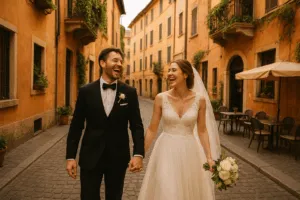
Every “SPF 30 will do just fine” line in a packing guide is setting you up to burn — I’ll get to that disaster in a minute. What actually took effort wasn’t sunscreen, though; it was getting all of us in the same city after six years of “we should all go somewhere together” talk, four canceled attempts, and two weddings that kept jumping the queue. Eventually we stopped discussing it and just booked flights, and Rome came out as the one place nobody argued against. Something about the Eternal City just fits a fresh start — streets that have absorbed centuries of romance, Bernini fountains practically designed for lingering, rooftop bars where the skyline looks arranged for you specifically. Whether you’re the couple on your honeymoon or the friend group finally making good on a promise, this itinerary mixes the must-see landmarks with the quieter, more personal moments so Rome gets the time it’s actually owed.
Day One and Two: Hitting the Icons the Right Way
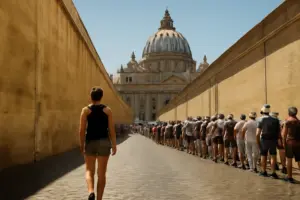
Front-load the big sights, but time your arrival carefully. The Colosseum unlocks its gates at 8:30 AM, and getting there within the first half hour still leaves you room to breathe before the tour groups flood in. Reserve tickets online beforehand — the walk-up line is genuinely brutal, and there are better ways to spend a honeymoon morning than roasting for ninety minutes waiting to get in.
From there, walk directly into the Roman Forum. Don’t blow through it. Claim a seat on a crumbling stretch of wall, give it twenty quiet minutes, and let two thousand years of history actually sink in. Grab lunch at one of the smaller trattorias along Via dei Fori Imperiali — steer clear of anywhere flashing a laminated photo menu, and look instead for the tables full of locals.
Save the afternoon for the Pantheon. Time it for dusk, when the marble shifts into a warm honey color and — usually close to 6 PM — the crowd thins out just enough that you can stand beneath the oculus and feel small in the best way possible. Admission is free, which somehow still feels like you’re getting away with something.
On day two, get Vatican City done early. The lines will still be long, but the Sistine Chapel at 8 AM has almost nothing in common with the Sistine Chapel at noon. Set aside a minimum of three hours for the Vatican Museums unless you’re planning to sprint through like you’re chasing a boarding call. If the budget allows, book a skip-the-line guide — it’s an added cost, but it spares you the mental fatigue you’ll need for the art itself.
Sunscreen I Reapplied Every Two Hours (and Burned Anyway)
Rome in the summer shows no mercy — the light bounces straight back up off the pale marble and travertine like the whole city’s one giant reflector, and six hours of open plazas will pass before you notice your neck has turned the color of a ripe tomato. I learned this at the Trevi Fountain, where my SPF 30 turned out to mean “SPF, hypothetically.”
What works
- SPF strong enough (70) that you’re not gambling with your skin in a city where you already read as an easy target for pickpockets
- A water-resistant formula that actually holds up through sweaty cobblestone walking and gelato breaks instead of rinsing off after your first espresso
- No chalky white residue, which matters when you’re snapping a thousand photos at the Colosseum and don’t want to look washed-out in every single one
What doesn’t
- It’s heavier than expected, and in 32°C heat it starts to feel like sunscreen-flavored cement — reapplying turns into a genuinely sweaty, gritty task
- You’ll still need to reapply every couple of hours if you want to avoid looking boiled, which means carrying the bottle everywhere and timing bathroom stops away from the tourist-trap cafés
By the middle of day two I nearly abandoned it altogether — the texture felt ridiculous in that heat — right up until I noticed everyone around me nursing real sunburns and looking miserable for it. Grab a bottle of quality sunscreen like Neutrogena Beach Defense SPF 70 before you land.
Day Three and Four: The Neighborhoods That Feel Lived-In
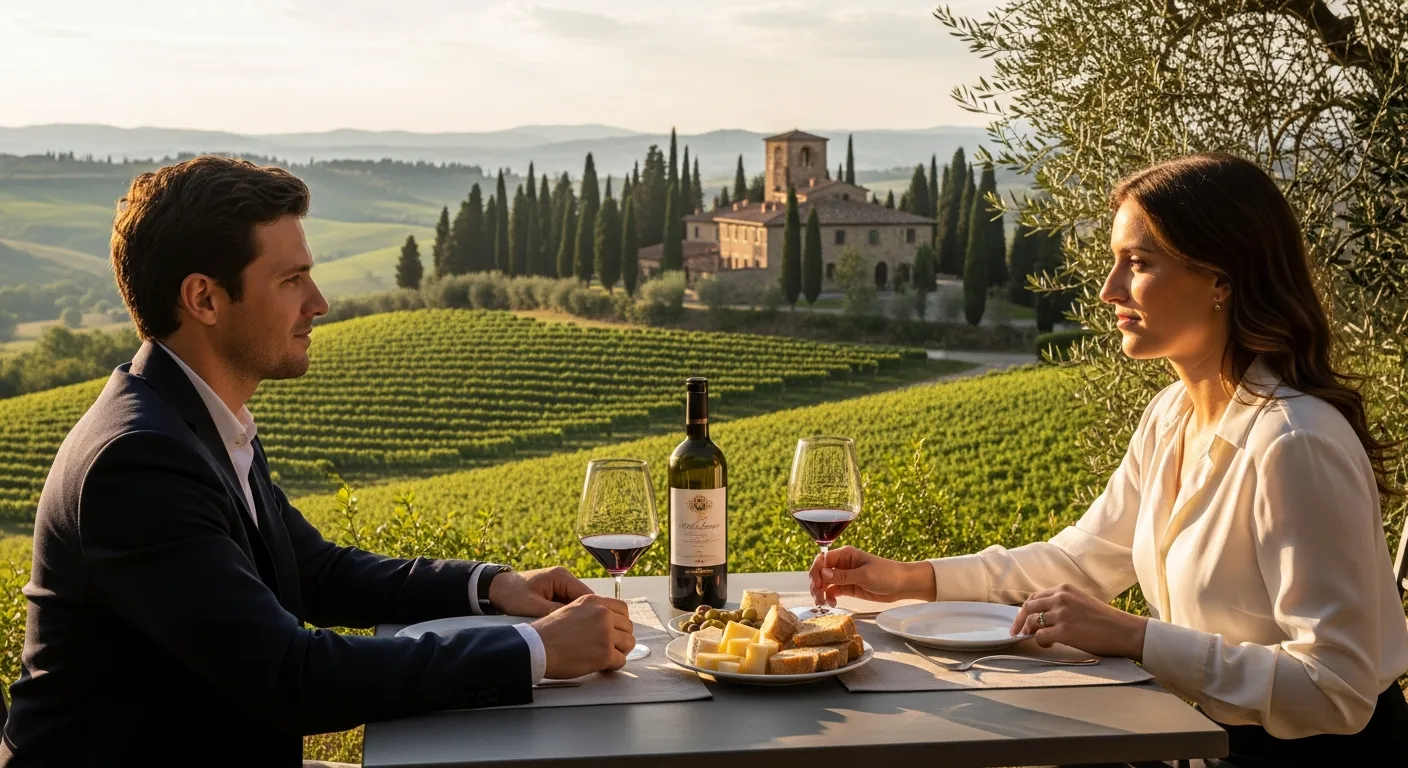
Put the guidebook down for a day and wander Trastevere without a plan. Cross the Tiber on the Ponte Sisto footbridge right as the light goes gold — it’s a tourist favorite, but it earns that reputation honestly. Drift through the narrow lanes, order cacio e pepe somewhere with no English menu in sight, and actually sit at a table instead of eating standing up over a trash bin with a plastic fork.
Give an evening to Testaccio, the neighborhood that still feels genuinely Roman rather than polished for visitors. Meals run cheaper, the wine is better, and the people around you are actual Romans, not couples in matching “Roma” t-shirts. Stop by the Testaccio Market during the day — it’s a full sensory overload of produce stalls, housewares, and the kind of chaos that reminds you this is a real, working city.
Day Five: The Quieter Side of Rome
By this point the major sights are behind you. Spend the day at Villa Borghese Gardens, renting bikes if your legs can take it. Picnic up on Pincio Hill with the whole city laid out beneath you. Visit the Galleria Borghese if you managed to lock in tickets ahead of time — reservations are required, but the effort pays off.
Late in the afternoon, catch the Spanish Steps at sunset, then have dinner at a small restaurant tucked into one of the nearby streets. This is the point where you finally talk to each other instead of checking your phone for the next reservation.
Practical Notes for the Honeymoon
Base yourselves in a central neighborhood like Monti or Campo dei Fiori rather than booking right next to the famous sites — you’ll spend less and sleep better, since tourists won’t be shouting under your window at midnight. Grab a Roma Pass for public transport and museum discounts. Pick up three polite Italian phrases; it genuinely changes how people treat you. Push dinner past 8 PM — restaurants don’t really open before then, and squeezing in a meal at 6 undercuts the entire point of being in Rome.
Above all: slow down. Rome rewards people who linger, not people checking off a list. The moments you’ll actually remember won’t happen at the famous fountains — they’ll be at 2 AM on some ordinary side street, splitting pizza al taglio with the person you just married, finally getting why nobody argued about choosing this city.
| Location | Opening Time | Crowd Level | Recommendation |
|---|---|---|---|
| Colosseum | 8:30 AM | Light within first half hour | Reserve tickets online |
| Sistine Chapel | 8 AM | Almost empty | Vastly different from noon |
| Pantheon | Close to 6 PM (dusk) | Thins out | Free admission |
| Testaccio neighborhood | Daytime (market) | Authentic locals | Cheaper meals, better wine |
Frequently Asked Questions
What time should I arrive at the Colosseum in Rome?
The Colosseum opens at 8:30 AM. Arriving within the first half hour leaves you room to breathe before tour groups arrive. Reserve tickets online beforehand, since the walk-up line is genuinely brutal and can take ninety minutes.
How long do I need for the Vatican Museums and Sistine Chapel?
Set aside a minimum of three hours for the Vatican Museums unless you’re planning to sprint through. The Sistine Chapel at 8 AM has almost nothing in common with the experience at noon, so aim for an early start to avoid the worst crowds.
What sunscreen SPF do I need for Rome’s summer sun?
Use SPF 70 or stronger—SPF 30 doesn’t offer adequate protection. Rome’s marble and travertine reflect light like a giant reflector, bouncing it straight back at you. Choose a water-resistant formula and reapply every couple of hours to avoid sunburn.
Which Rome neighborhoods feel authentically local, not touristy?
Testaccio still feels genuinely Roman rather than polished for visitors. Meals run cheaper, the wine is better, and you’ll find actual Romans instead of tourists in matching t-shirts. The Testaccio Market during the day offers full sensory chaos of a working city.
About This Article

Written by Elena Vasquez. Elena Vasquez is a full-time traveler and the founder of Witty Passport. Over fifteen years and more than 50 countries across six continents — including a stretch spent leading groups professionally through Southeast Asia and the remote highlands of South America — she's written the kind of destination guides she always wished existed: practical, specific, and built on real experience rather than recycled itineraries. More about this site.
Scope and limits. Elena is a full-time traveler, not a licensed travel agent or immigration adviser. Entry requirements, visa rules, and advisories change without notice — always confirm against the official government source for your destination and passport before booking.
Verify this against a primary source
Specifics change, and your situation may differ from the one described here. These are the authorities worth checking directly:
- U.S. Department of State — entry requirements and travel advisories
- CDC Travelers' Health — vaccination and health notices by destination
- TSA — current carry-on and screening rules