My boots stopped a few feet from a drop-off with zero guardrail, and my partner’s hand clamped onto my arm like she expected me to keep walking anyway. We’d landed here for our tenth anniversary — I’d skipped the usual dinner-and-jewelry routine and just asked what she actually wanted. Her answer: somewhere we’ve never been, somewhere that feels like a story we haven’t told yet. Staring down into a gap so enormous it scrambles your entire sense of scale, we realized the real decision wasn’t whether to come here — it was which edge of this thing to stand on. The famous, buzzing South Rim, or the remote, wilder North Rim. Same billion-year-old rock formation, two entirely different vacations — and getting this choice wrong turns your dream trip into an afternoon stuck circling a packed parking lot. So here’s exactly what separates the two, so you land on the rim that actually fits the trip you’re trying to have.
Below, I’ll walk through how each side stacks up on access, crowds, scenery, and things to actually do at each rim. By the end, you’ll have enough to pick the one that suits how you actually like to travel.
The Postcard Version: Grand Canyon South Rim
The Grand Canyon South Rim – National Park Service is the version you’ve already seen a hundred times without realizing it — in films, on postcards, in every friend’s vacation photos. It’s the busier, more built-out half of the park by a wide margin. Grand Canyon Village hugs the rim itself, packed with hotels, restaurants, and shops within walking distance of the edge. That setup makes it the smart pick for anyone visiting for the first time or traveling with kids. Some of the most jaw-dropping overlooks require nothing more than parking your car or hopping off a shuttle.
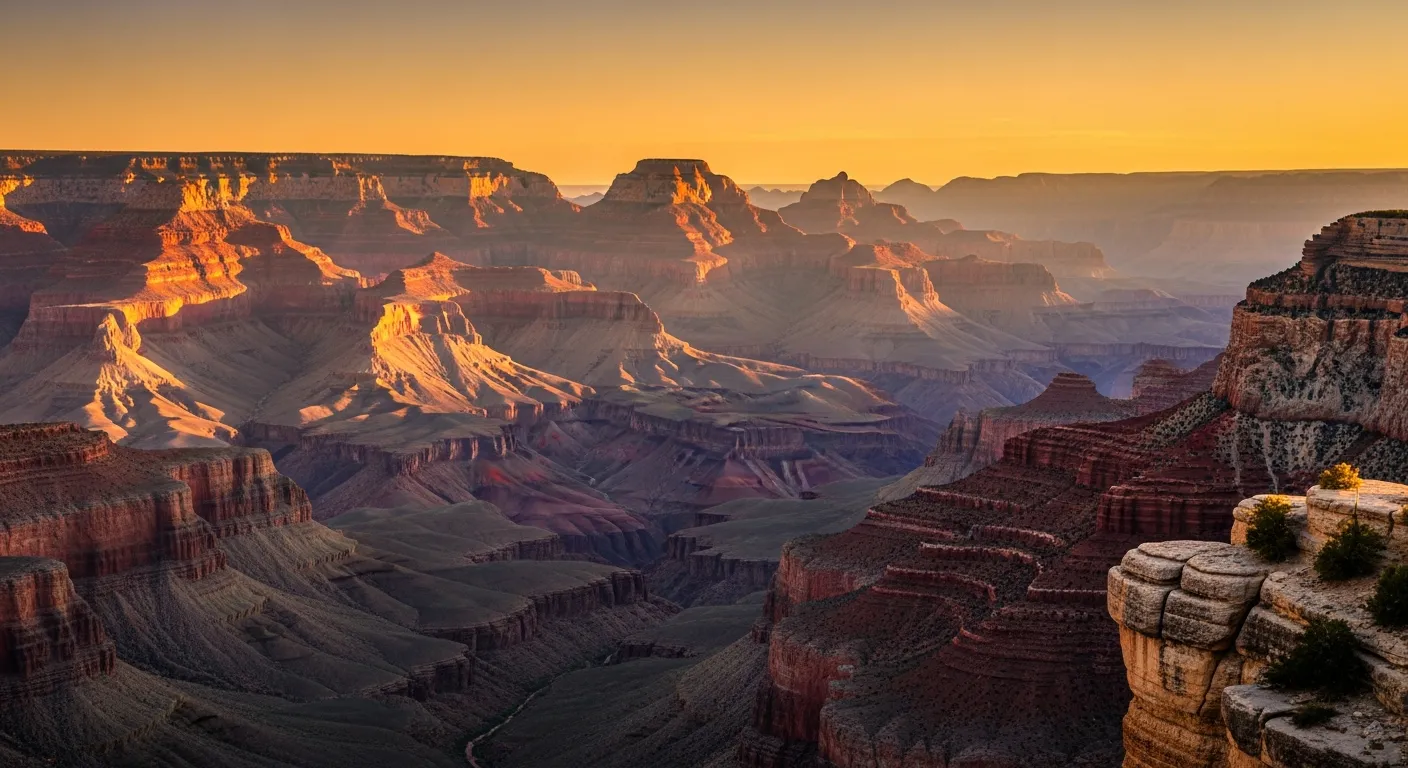
Past the initial jaw-drop, the South Rim turns out to be a genuinely well-thought-out place to visit — practical without sacrificing any of the scenery. Let’s get into how to actually make the most of your time here.
The Standout Viewpoints and What Makes Each One Worth It
Nearly any spot along the rim will stop you in your tracks, but a handful of specific overlooks have earned their reputation for good reason — they’re worth more than a quick photo stop:
- Mather Point: This is usually where visitors get their first real look at the canyon — it’s easy to reach and delivers that sweeping, textbook view of just how massive the whole thing is. Show up for sunrise or sunset and watch the color shift dramatically across the rock layers.
- Yavapai Point & Geology Museum: This one’s less about the photo and more about the “how did this even form” question. The Yavapai Geology Museum sits right there with big windows framing the canyon, plus exhibits breaking down the geological layers and the forces that carved this thing over millions of years. Great stop if you want the science alongside the view.
- Hopi Point: Widely considered one of the top spots for catching sunset, Hopi Point juts out further than most, giving you close to a full 270-degree view. Since it faces west, you get to watch the sun drop and set the whole canyon on fire in orange and red. During busy months, you can only reach it by shuttle, which keeps the crowd manageable.
- Worth Seeking Out Beyond the Obvious: Don’t skip Maricopa Point, which looks down on the Colorado River and old mining relics, or Powell Point, a memorial honoring explorer John Wesley Powell — both an easy shuttle ride away. Each stop shifts the angle just enough to make it worth the extra fifteen minutes.
Getting Around Without a Car: The Shuttle System
One of the smartest things about the South Rim is its free shuttle network, which runs like clockwork. It’s not just a nice extra — it’s central to how the park manages both crowds and impact on the landscape.
- Why It Actually Matters:
- No More Parking Panic: You won’t waste twenty minutes circling a lot at every overlook, especially in high season. The shuttle just drops you at the door.
- Less Traffic on the Roads: Because private cars are kept off certain stretches (Hermit Road being the big one, most of the year), the park stays noticeably calmer and less clogged.
- Better for the Environment: Fewer engines running means cleaner air and less strain on the park’s ecosystem overall.
- How the Routes Break Down:
- Kaibab Rim Route (Orange): Links the Visitor Center to Mather Point, Yavapai Point, and the South Kaibab Trailhead.
- Village Route (Blue): Covers the lodges, campgrounds, the market, and the main Visitor Center.
- Hermit Road Route (Red): This is the one you’ll use most. It hits nine unbelievable viewpoints along the 7-mile stretch out to Hermit’s Rest. Private cars aren’t allowed on Hermit Road for most of the year (usually March 1 through November 30), so the shuttle is genuinely your only way to reach these western viewpoints.
- A Few Practical Notes: Buses run often, from early morning well into the evening. Grab a free map at the entrance gate or Visitor Center — it lays out every route, stop, and rough travel time. All buses are wheelchair-accessible and can hold two bikes.
Open All Year: The South Rim’s Biggest Perk
Unlike its higher, harder-to-reach sibling, the South Rim of Grand Canyon National Park stays open every single day of the year. That constant availability gives travelers a lot of room to work with:
- Works With Any Schedule: Summer trip or a quiet winter escape — the South Rim handles both. You won’t have to worry about seasonal closures blocking your way to the main attractions.
- Services Keep Running: Some businesses trim their hours during slower winter months, but the essentials — visitor centers, lodging, food, general stores — stay open, so your visit stays comfortable no matter the season.
- Easier to Plan Around: Because access never shuts off, you can pick your travel dates purely around personal preference, crowd size, or a specific seasonal experience, like catching snow on the rim in winter.
Winter Here Is Gentler Than You’d Expect
Sitting at a lower average elevation than the North Rim — roughly 7,000 feet versus 8,000-plus — the South Rim gets noticeably milder winters, which works in your favor:
- Softer Winter Conditions: Snow does show up and it’s gorgeous when it does, but the South Rim avoids the brutal cold and heavy accumulation the North Rim deals with. Roads here typically stay plowed and open, so winter travel is realistic.
- A Different Kind of Beautiful: Winter visits offer something you simply won’t see any other time of year — those deep red and orange canyon walls dusted in fresh snow, making for photos you can’t get in July. The air tends to be sharp and clear, which only sharpens the whole view.
- Way Fewer People Around: Winter also means a dramatic drop in visitor numbers, so you get a calmer, more personal experience with the canyon. Popular overlooks that are shoulder-to-shoulder in July can feel practically empty — a rare thing here. Just layer up and check the forecast before you go.
Things to Do and Amenities on the South Rim
There’s no shortage of ways to spend your time on the South Rim. North Rim – Grand Canyon National Park (U.S. National Park Service) The paved Rim Trail is perfect for an easy, unhurried walk. If you want something more demanding, the Bright Angel Trail and South Kaibab Trail both drop straight down into the canyon. Ranger talks, on-site museums, and visitor centers give you plenty of ways to learn about the geology and history behind what you’re looking at, no matter your age. And with the sheer number of amenities packed in here, you’ll find everything from sit-down restaurants to souvenir shops without needing to leave the area.
Off the Beaten Path: The Grand Canyon North Rim
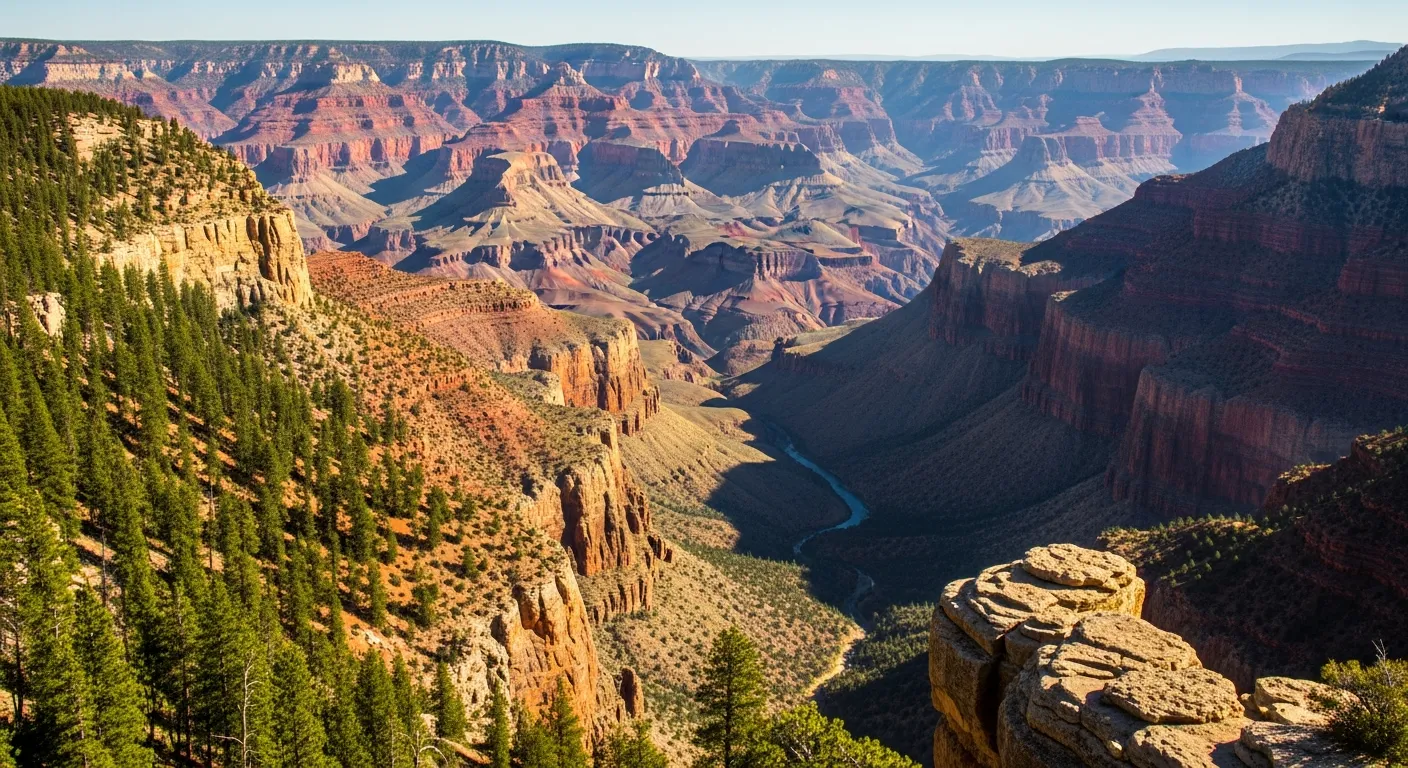
If quiet and wilderness are what you’re after, head for the North Rim instead. It sits more than 1,000 feet higher than its southern counterpart, which changes the entire environment around it. Ponderosa pine and aspen forests blanket the landscape here, making it feel noticeably cooler and more alpine. The whole place has a quieter, more reflective mood to it ��� a world away from the buzz of the South Rim.
Getting to the North Rim comes with its own set of hurdles, mostly tied to how isolated it is and how short its open season runs. This is not a spot you can plan casually — it takes real forethought.
Getting There: Not a Quick Trip
Getting to the North Rim takes real commitment — the drive alone is far longer than what it takes to reach the South Rim. This isn’t a quick day trip; treat it as its own road-trip adventure:
- Long Hauls Behind the Wheel: Some drives run several hours through gorgeous, sparsely populated parts of Arizona and Utah. From Las Vegas, budget about 5-6 hours (roughly 260 miles). From Phoenix, it stretches to 7-8 hours (over 350 miles). Even Flagstaff, which sits close to the South Rim, still means a 4-hour drive (over 200 miles) looping around the canyon’s eastern side.
- No Nearby Airport: There’s no major airport close to the North Rim. Most people fly into a bigger city — Las Vegas (LAS) or Phoenix (PHX) — then rent a car for the long drive that follows.
- What the Road Itself Is Like: The final stretch, Highway 67 out of Jacob Lake, is a well-kept but narrow two-lane road winding through forest — gorgeous scenery, but it demands your full attention while driving.
A Narrow Window: When You Can Actually Visit
The biggest catch with the North Rim is its short operating season. Unlike the South Rim’s year-round access, this side of the canyon is only open for a limited stretch each year:
- Snow Shuts It Down: Because it sits around 8,000 feet, the North Rim gets buried in serious winter snowfall, making Highway 67 unsafe to drive. That forces the Park Service to close the road and all services from mid-October to mid-May. Exact dates shift depending on that year’s weather, so double-check the official NPS site before you go.
- What This Means for Your Trip: Every visitor for the entire year has to squeeze their trip into roughly five or six months. That naturally means heavier demand on the limited lodging and services, especially in the peak summer stretch.
Bare-Bones Amenities, But That’s the Point
The North Rim leans into raw natural beauty rather than convenience. Come prepared for far fewer services than you’d find elsewhere:
- Where to Stay:
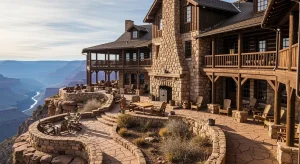
- Grand Canyon Lodge North Rim: This is the only hotel-style option actually inside the park on this rim. It offers everything from simple cabins to motel-style rooms, and every one of them books up fast.
- North Rim Campground: The sole developed campground on this side, with a limited number of sites that vanish quickly once booking opens.
- Backcountry Camping: If you’re up for it, backcountry permits exist, but they demand serious planning and the ability to be fully self-sufficient out there.
- Food: Nearly everything runs through the Grand Canyon Lodge — a main dining room, a deli, and a saloon. Book the dining room ahead of time; it’s essentially mandatory during busy stretches.
- Supplies: There’s a small general store for the basics — some groceries, souvenirs, essentials — but don’t expect supermarket prices or selection. Pack any specific food, medication, or gear you know you’ll need before you arrive.
- Gas: Gas stations thin out fast on the way in. Top off your tank in Jacob Lake or another nearby town before making that final push into the park.
The One Rule That Actually Matters: Book Early
Between the long drive, the short season, and the limited services, booking early isn’t optional — it’s the difference between a great trip and a wasted drive:
- Lodging and Campground Bookings: Reserve the Grand Canyon Lodge or the North Rim Campground 6 to 12 months out, especially for peak summer (June through August). These spots disappear almost the moment reservations open.
- Dinner Reservations: Lock in your table at the Lodge Dining Room the moment your room is confirmed.
- Sort Your Logistics Early: Plan your route, know where you’ll stop for gas, and consider bringing a cooler stocked with food and drinks. Look into any hikes or activities you want to fit in ahead of time.
- Stay Flexible Anyway: Even with careful planning, be ready for weather to throw things off, especially near the start and end of the season (late spring and early fall).
Handle the planning side properly and you’ll get to actually soak in the solitude and scenery that make the North Rim worth all the extra effort.
What Makes the North Rim Worth the Trip
The scenery from the North Rim – Grand Canyon National Park hits differently. A lot of visitors describe it as more intimate — you feel the canyon’s depth in a way that’s harder to grasp from the busier side. Key overlooks include Bright Angel Point, Point Imperial, and Cape Royal, and they tend to be far less crowded, which makes for a much more personal moment with the view. Trails like the North Kaibab Trail and the Transept Trail take you through dense forest and along dramatic edges, and they’re genuinely tough. Make the effort to get out here, and the North Rim pays you back for it.
Side by Side: Comparing the Two Rims Directly
Which rim is right for you comes down to what you actually care about on this trip. Grand Canyon National Park – Plan Your Visit Here’s how they measure up against each other on the factors that matter most.
Getting There and Crowd Levels
Reaching the South Rim is far simpler. Source It’s a shorter drive from major cities like Phoenix and Las Vegas. The North Rim, meanwhile, sits a remote 4-hour drive from the South Rim — despite the two being only about 10 miles apart in a straight line. That gap in ease of access shows up directly in crowd size. The South Rim pulls in the overwhelming majority of park visitors — around 90% of the roughly five million people who visit each year. As a result, the North Rim stays noticeably quieter and far less crowded.
Grand Canyon National Park – Climate and Weather
Weather and Seasonal Access
The South Rim stays open all 365 days of the year. Its lower elevation means hot summers and fairly mild winters, though snow does happen occasionally. The North Rim’s higher elevation shrinks its visiting window considerably — it generally opens mid-May and shuts down again by mid-October. Summers up there run cooler and more comfortable than on the South Rim, which makes it a solid escape from desert heat. Either way, check the official park website before heading out to confirm current road and facility conditions.
Where to Stay and What Services Are Available
On the amenities front, the Grand Canyon National Park – South Rim vs North Rim comparison isn’t close. The South Rim has multiple lodges, hotels, campgrounds, plus a solid range of restaurants and shops right inside the park, with the nearby town of Tusayan adding even more choices. The North Rim, by contrast, offers very little — the historic Grand Canyon Lodge is the only hotel, and rooms there often book out a year ahead. Add one campground and a small visitor center, and that’s essentially it. Visiting the North Rim means being ready to handle more on your own.
Bottom Line: Which Rim Fits Your Trip?
In the end, the right rim comes down to your travel style and what you’re actually hoping to get out of the canyon.
Go with the Grand Canyon North Rim – National Park Service if:
- This is your first Grand Canyon visit.
- You’re traveling with family or working with tight time.
- You want easy access to the iconic views plus plenty of amenities nearby.
- Your trip falls in winter or spring.
Go with the North Rim if:
- You’re chasing quiet and want to get away from the crowds.
- You’re a serious hiker looking for something rugged.
- You like cooler air and forested surroundings.
- You’ve already done the South Rim and want a fresh angle on the canyon.
| Attribute | South Rim | North Rim |
|---|---|---|
| Year-Round Access | Open all 365 days | Mid-May to mid-October |
| Elevation | ~7,000 feet | ~8,000+ feet |
| Drive from Las Vegas | ~5-6 hours (260 miles) | ~5-6 hours (260 miles) |
| Drive from Phoenix | ~3-4 hours | ~7-8 hours (350+ miles) |
| Visitor Percentage | ~90% of 5 million annually | ~10% of 5 million annually |
| Lodging Options | Multiple hotels, lodges, campgrounds | One historic lodge, one campground |
| Winter Conditions | Mild, snow occasional | Heavy snow, road closed |
| Shuttle System | Free network (Kaibab, Village, Hermit routes) | No shuttle system mentioned |
Why a Real Paper Map Matters on the North Rim
The North Rim just doesn’t have the same infrastructure the South does — there’s no sprawling visitor center, far fewer marked overlooks, and cell service that exists more in theory than in practice. We found this out the hard way trying to navigate between viewpoints on our phones, ending up backtracking through the dust not once but twice.
What actually holds up
- Tough and waterproof enough to get shoved in a pack, dropped on rock, and caught in a sudden desert downpour without the print smearing or the paper falling apart.
- Detailed enough to cover both rims and actually show the differences in trail networks, elevation shifts, and why the North Rim ends up feeling so much more remote than the South.
- Still works after your phone dies three miles into a seven-mile hike — and it will die, because sun plus exertion in Arizona drains batteries faster than you’d expect.
Where it falls short
- Refolding it correctly takes practice and gets old fast, and the creases will start to give out if you’re unfolding and refolding it daily over a longer trip.
- It has no idea the North Rim closes mid-October through mid-May — you’ll still need to call ahead or check the NPS site yourself before driving six hours toward locked gates.
I almost ditched it at the trailhead because it felt like “old travel” when we had our phones, but by hour two when my partner’s battery hit 4%, I was genuinely grateful I’d brought it. Grab the Grand Canyon, North and South Rims National Geographic Trails Illustrated Map before you go.
Frequently Asked Questions
How far is the North Rim from the South Rim by car?
The North Rim sits a remote 4-hour drive from the South Rim, despite the two being only about 10 miles apart in a straight line. The long drive reflects the North Rim’s isolation and the need to loop around the canyon’s eastern side to reach it.
When is the North Rim of the Grand Canyon open?
The North Rim generally opens mid-May and shuts down again by mid-October. Exact dates shift depending on that year’s weather, so you should double-check the official NPS site before you go, as snow at around 8,000 feet makes Highway 67 unsafe to drive during winter months.
What percentage of Grand Canyon visitors go to the South Rim?
The South Rim pulls in the overwhelming majority of park visitors — around 90% of the roughly five million people who visit each year. The North Rim stays noticeably quieter and far less crowded as a result.
How far is Las Vegas from the North Rim by car?
From Las Vegas, budget about 5-6 hours for the roughly 260-mile drive to reach the North Rim. There’s no major airport close to the North Rim, so most people fly into Las Vegas or Phoenix and then rent a car for the long drive that follows.
About This Article

Written by Elena Vasquez. Elena Vasquez is a full-time traveler and the founder of Witty Passport. Over fifteen years and more than 50 countries across six continents — including a stretch spent leading groups professionally through Southeast Asia and the remote highlands of South America — she's written the kind of destination guides she always wished existed: practical, specific, and built on real experience rather than recycled itineraries. More about this site.
Scope and limits. Elena is a full-time traveler, not a licensed travel agent or immigration adviser. Entry requirements, visa rules, and advisories change without notice — always confirm against the official government source for your destination and passport before booking.
Verify this against a primary source
Specifics change, and your situation may differ from the one described here. These are the authorities worth checking directly:
- U.S. Department of State — entry requirements and travel advisories
- CDC Travelers' Health — vaccination and health notices by destination
- TSA — current carry-on and screening rules