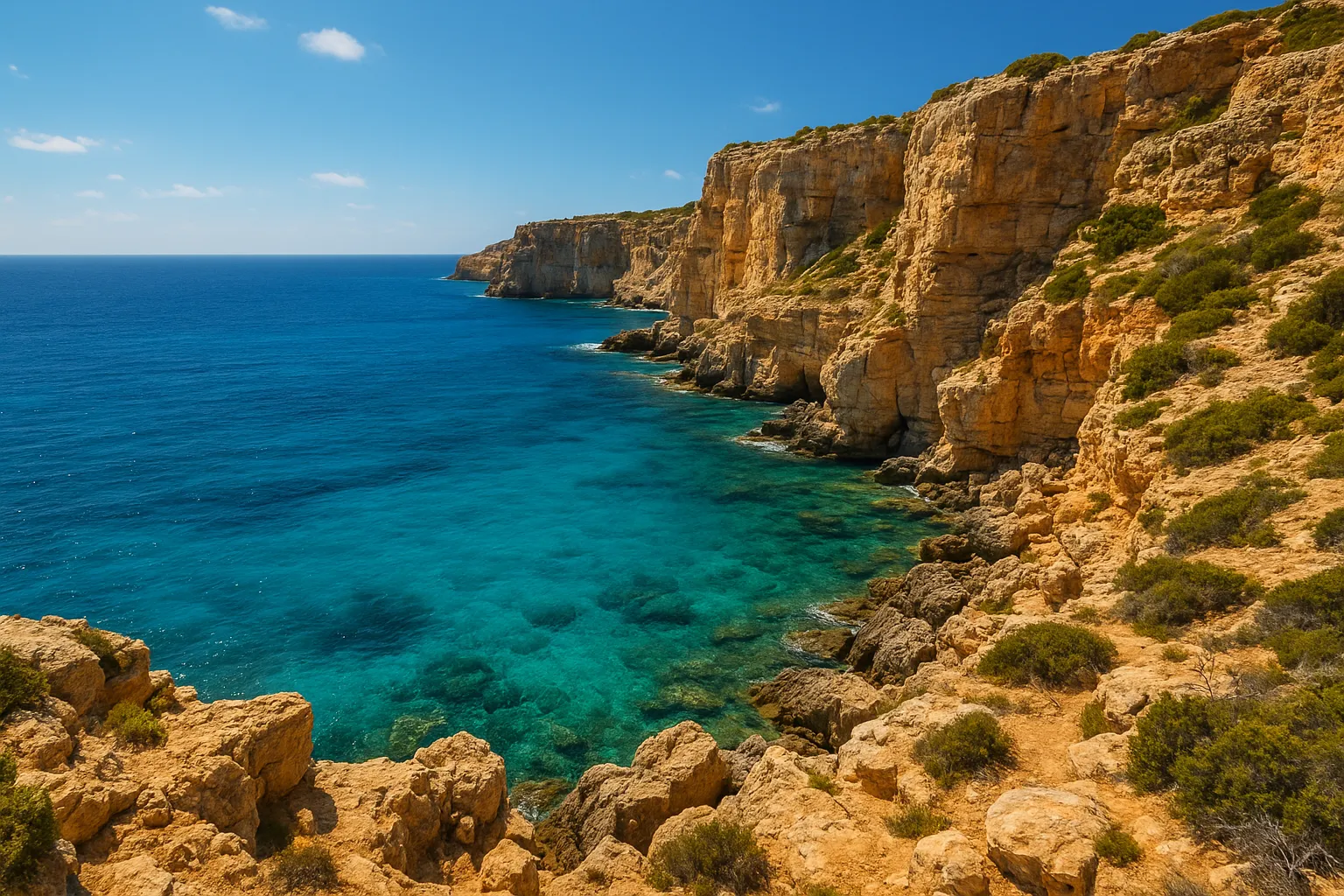
Zoom into Biševo on any map and you’ll spot a dot in the Adriatic with a cave icon next to it — what that map won’t show you is the two-boat, two-island relay it actually takes to get there, or the fact that no ferry timetable warns you when the light inside is even worth the trip. Croatia’s Blue Cave, or Modra Špilja, had been sitting on my someday list for years, bumped again and again by things that felt more urgent, until two years of staring at the same four walls convinced me there was no more “someday” left to wait for. So I worked through that list from the top, and this cave, tucked onto a speck of an island off the Dalmatian coast, was it. The second our boat slid through that low, narrow opening and the whole chamber flared into an impossible blue, I understood exactly why it had stuck with me for so long — and exactly how much time I’d burned off waiting for things to settle first. Everything that follows is what I wish someone had handed me before I went: the timing, the actual logistics of getting there, and what tends to go wrong once the summer crowds show up.
The Journey Itself: More Steps Than the Name Suggests
Nothing about reaching the Blue Cave is a single, straight shot. There’s no direct road, no one ticket that drops you at the entrance. The cave sits on the island of Biševo, out in the Adriatic, which means stitching together two separate legs: a ferry over to the larger island of Vis from either Split or Hvar (Split to Vis takes roughly two hours), followed by a private boat booked in Vis town that covers the final 15 to 20 minutes to Biševo by speedboat.
I didn’t lock in my Vis-to-Biševo boat until the afternoon before I went, and I got away with it — during peak months, the well-known operators fill their slots weeks out. Whoever you book through, ask two specific things: what size is the boat, and how long does the tour actually run. Smaller boats tend to flex their timing and give you better shots; the bigger group boats push people through faster. Either way, you’re trading comfort against exclusivity.
The Split-to-Vis ferry runs all year, but the schedule shifts hard by season — summer brings several sailings a day, while winter can drop to just a few a week. Build a spare day into your plan somewhere; weather delays and blown connections happen often enough that you shouldn’t count on everything running on time.
When to Go: The Hours Summer Crowds Miss Entirely
Here’s the part most guides leave out: the cave’s signature electric-blue glow actually peaks around the middle of the day, roughly 11 a.m. to 2 p.m., when the sun sits high enough to drive light through the underwater entrance directly. That color isn’t a trick of lighting — it’s sunlight passing through the seawater and bouncing off pale limestone, which is what gives the whole space its strange, glowing look.
The stretch to avoid is mid-July through August, when boats arrive one after another and you end up spending more time stuck in a line of tourists than actually taking in the cave. I went in early June and had long stretches — ten, fifteen minutes at a time — with the whole place to myself. A completely different trip.
If peak season is all you’ve got, take the earliest boats out of Vis, before 8 a.m., or the late-afternoon slots after 4 p.m. — fewer boats tend to show up at either edge of the day. The light won’t be quite as dramatic, but for plenty of travelers, fewer people is a fair trade for slightly softer glow.
Why I Won’t Cross Biševo’s Shoreline Without Water Shoes Again
Getting to the cave means picking your way across Biševo’s sharp limestone and the slick spots where the boat lands — terrain that looks fine from the deck and turns into a real problem fast, the kind that has you limping back to the boat with torn-up toes and a pair of sneakers headed for the trash.
Where they earn their keep
- The grip actually catches on slick, algae-covered rock, where ordinary shoes turn the whole walk into an ice rink.
- Light enough to toss in a daypack without eating up space, and small enough to fold down into the tight storage compartments on a speedboat.
- You can step off the boat directly onto jagged limestone without flinching, which means your attention stays on the cave instead of on your feet.
Where they fall short
- They take a strangely long time to dry out, which is a pain when you’re island-hopping and stuck packing them still damp.
- Sizing runs small — I went up a full size and still needed thick socks, which sort of defeats the whole lightweight idea.
Halfway through the trip I nearly gave up on them, convinced that real travelers just tough it out barefoot — one step onto a razor-edged rock fixed that idea immediately. Grab a pair of water shoes for rocky shores before you go.
Packing List: What to Carry and What to Skip
The crossing to Biševo takes about 20 minutes, but it’s open water in an open speedboat with zero cover. Bring sunscreen, and put on more once you’re actually inside the cave — the water bounces UV straight back up onto your face. A waterproof phone case or a GoPro isn’t optional if you want usable photos; regular cameras fog up quickly in the cave’s damp air.
Leave behind anything you’d hate to lose. The crew will tell you storage on board is secure, and I still kept everything valuable on my body regardless. The spray on that ride is constant, and things do shift around when nobody’s keeping an eye on them.
So, Was It Worth It: Yes, Completely
Did two years of waiting pay off? Completely. Did the tangled logistics, the early ferry, and the sore feet earn their place? Without a doubt. The cave lives up to every bit of its reputation — it’s still one of the strangest, most beautiful spaces I’ve ever stood inside. Stop coming up with reasons to wait. Book the ferry and go.
Frequently Asked Questions
How do you get to Croatia’s Blue Cave on Biševo?
You need two separate legs: a ferry from Split or Hvar to the island of Vis (Split to Vis takes roughly two hours), then a private speedboat from Vis town for the final 15 to 20 minutes to Biševo. Book your Vis-to-Biševo boat in advance, especially during peak months when operators fill slots weeks ahead.
What time of day is best to see the Blue Cave’s blue glow?
The cave’s signature electric-blue glow peaks around the middle of the day, roughly 11 a.m. to 2 p.m., when the sun sits high enough to drive light through the underwater entrance. If visiting mid-July through August, take the earliest boats out before 8 a.m. or late-afternoon slots after 4 p.m. to avoid crowds.
What month did Elena visit the Blue Cave?
Elena visited in early June and had long stretches—ten, fifteen minutes at a time—with the whole place to herself. This contrasts sharply with mid-July through August, when boats arrive one after another and crowds create significant delays.
What should you wear for visiting Biševo’s shoreline?
Wear water shoes designed for rocky shores. The terrain consists of sharp limestone and slick, algae-covered rock where ordinary shoes turn the walk into an ice rink. Water shoes grip effectively and let you step directly onto jagged limestone without flinching, keeping your attention on the cave itself.
About This Article

Written by Elena Vasquez. Elena Vasquez is a full-time traveler and the founder of Witty Passport. Over fifteen years and more than 50 countries across six continents — including a stretch spent leading groups professionally through Southeast Asia and the remote highlands of South America — she's written the kind of destination guides she always wished existed: practical, specific, and built on real experience rather than recycled itineraries. More about this site.
Scope and limits. Elena is a full-time traveler, not a licensed travel agent or immigration adviser. Entry requirements, visa rules, and advisories change without notice — always confirm against the official government source for your destination and passport before booking.
Verify this against a primary source
Specifics change, and your situation may differ from the one described here. These are the authorities worth checking directly:
- U.S. Department of State — entry requirements and travel advisories
- CDC Travelers' Health — vaccination and health notices by destination
- TSA — current carry-on and screening rules