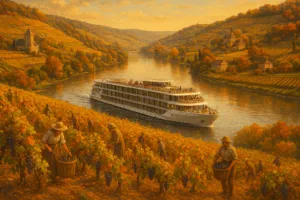
Don’t wait for the “perfect time” to use that passport — mine sat empty in a drawer for two years while I kept promising myself “soon,” until a friend finally called me out over dinner and refused to let it slide. We had flights booked before the check arrived. I didn’t sleep a wink before that trip. That one reckless decision is how I ended up gliding through Bordeaux and Burgundy on a slow-moving boat, wine in hand, watching vineyard slopes catch the last gold light of the day from my cabin window. If wine is your thing and “soon” has become your default answer too, here’s the real picture of what a French river cruise actually delivers — because this is the trip that finally gave that passport a purpose.
What Makes a French River Cruise the Ideal Trip for Wine Drinkers
There’s something almost too easy about it: you unpack a single time, and the wine country comes to you instead. Most of these itineraries trace the Saône and Rhône, docking in the towns wine lovers actually dream about. Compare that to touring by car, where you’re repacking bags and switching hotel keys nightly and burning daylight on logistics — on a river cruise, your cabin never moves while everything outside the window does.
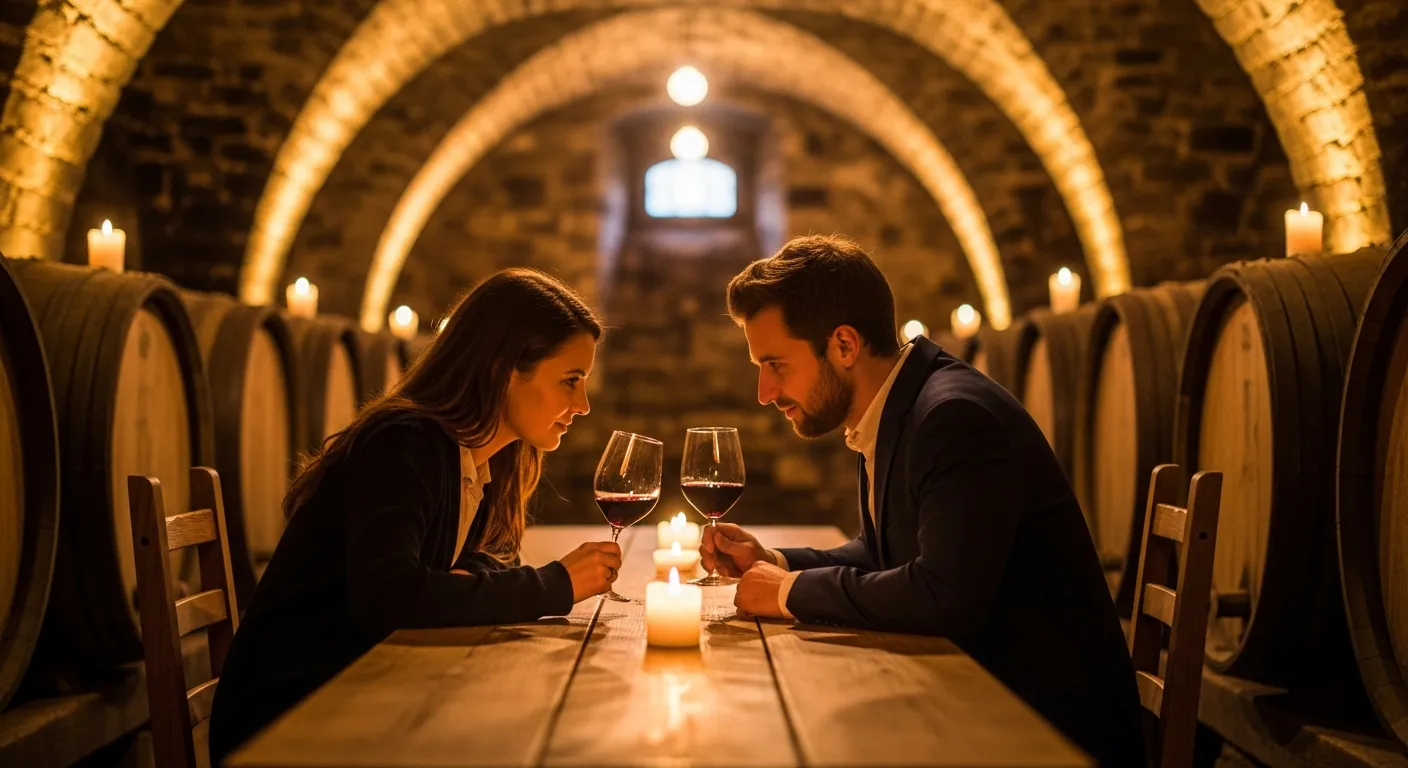
Trips generally run 7 to 10 days, packed with daily outings to family-run vineyards, UNESCO-recognized towns, and cellars that have been pouring wine since the Renaissance. You’ll pass through Dijon, Beaune, and villages so small their headcount barely edges out the number of bottles aging underground nearby. The whole format hands you guided tastings led by people who actually know the region, so you’re never left guessing your way through unfamiliar wine country — and every night ends back in your own cabin, no driving required.
What caught me off guard was how personal it all felt. These boats top out around 100 to 200 passengers — nothing like the floating resorts of ocean cruising. That scale means dining rooms full of familiar faces, wine talk that starts up on its own, and a crew that’s got your cabin number and go-to drink memorized by the third day.
The Phrase Book That Kept Me From Getting Served Liver at Every Stop
These cruises drop you into tiny French towns again and again, places where English is more courtesy than reality and menus read like elegant riddles. I found this out the hard way at my first dinner in Burgundy, walking in with nothing but bravado and French I hadn’t touched since a high school classroom two years earlier.
Here’s the truth about eating in rural France: the best restaurants tend to run entirely in French. Staff assume you follow along. Translated menus are rare. And guess wrong on a dish, and you’re staring down organ meat while forcing a smile. It’s a more common trap than people expect.
What actually helps
- Small enough for a pocket or bag, so it actually makes it to dinner with you instead of staying behind in the cabin like you promised yourself it wouldn’t
- Covers the essentials — asking what’s in a dish, requesting the wine list without ordering it by accident, turning down the liver without offending anyone
- Phonetic spellings mean you won’t butcher the word for “bathroom,” which matters more than you’d think in a village of 200 people
- Gives you real wine questions to ask — “Is this from a nearby vineyard?” or “What goes with this course?” — the kind that turn a quiet dinner into a conversation
Where it falls short
- The text is small enough that reading it by candlelight feels like squinting at evidence, and flipping through it openly marks you as exactly the tourist you are
- Useless the moment a server answers in fast, unfiltered French that bears no resemblance to what you rehearsed, leaving you stuck in a conversation you can’t finish
- Won’t cover local dialects or regional slang — none of that shows up in any guidebook
I nearly abandoned mine on day two, sure my smile and hand gestures could carry the whole trip — until I realized I’d just complimented the waiter’s socks instead of asking about the wine pairing. Do yourself a favor and grab a French phrase book before you fly out.
Logistics Worth Knowing Before You Board
Past the phrase book, a handful of small things make the whole trip run smoother. Pack in layers — mornings and evenings on the river stay cool even mid-summer. Bring shoes built for walking, since vineyard visits often mean uneven, unpaved ground. A small daypack earns its keep too, holding bottles and water without making you look like you’ve relocated permanently.
If your schedule allows it, aim for late September into early October. The weather’s still generous, the summer crowds have cleared out, and you’ll land right in harvest season, when the vineyards and cellars are genuinely humming with activity. Spring has its own charm, but autumn feels like you’ve been let in on the actual work of winemaking instead of watching a polished performance.
Above all, don’t rush it. Try to squeeze the maximum out of every hour and the whole trip starts to feel frantic. The real payoff is just standing on your cabin deck, glass in hand, watching vineyards slide by with nowhere else you need to be. That’s really the entire point.
Most French river cruises tracing the Saône and Rhône run 7 to 10 days, with daily outings to family-run vineyards, UNESCO-recognized towns, and historic cellars. You unpack once and your cabin stays in place while the wine country moves past your window each day. These boats top out around 100 to 200 passengers, which is far smaller than ocean cruising ships. That scale means dining rooms full of familiar faces, wine conversations that start naturally, and crew members who know your cabin number and preferred drink by day three. Late September into early October offers generous weather, cleared summer crowds, and harvest season activity in vineyards and cellars. Spring has charm too, but autumn lets you witness the actual work of winemaking rather than a polished performance. Pack in layers since mornings and evenings on the river stay cool even mid-summer. Bring shoes built for walking because vineyard visits often mean uneven, unpaved ground. A small daypack holds bottles and water without making you look permanently relocated.Frequently Asked Questions
How many days does a typical French river cruise last?
How many passengers are on these French river cruise boats?
What’s the best time of year to cruise Bordeaux and Burgundy?
What should I pack for a French river wine cruise?
About This Article

Written by Elena Vasquez. Elena Vasquez is a full-time traveler and the founder of Witty Passport. Over fifteen years and more than 50 countries across six continents — including a stretch spent leading groups professionally through Southeast Asia and the remote highlands of South America — she's written the kind of destination guides she always wished existed: practical, specific, and built on real experience rather than recycled itineraries. More about this site.
Scope and limits. Elena is a full-time traveler, not a licensed travel agent or immigration adviser. Entry requirements, visa rules, and advisories change without notice — always confirm against the official government source for your destination and passport before booking.
Verify this against a primary source
Specifics change, and your situation may differ from the one described here. These are the authorities worth checking directly:
- U.S. Department of State — entry requirements and travel advisories
- CDC Travelers' Health — vaccination and health notices by destination
- TSA — current carry-on and screening rules