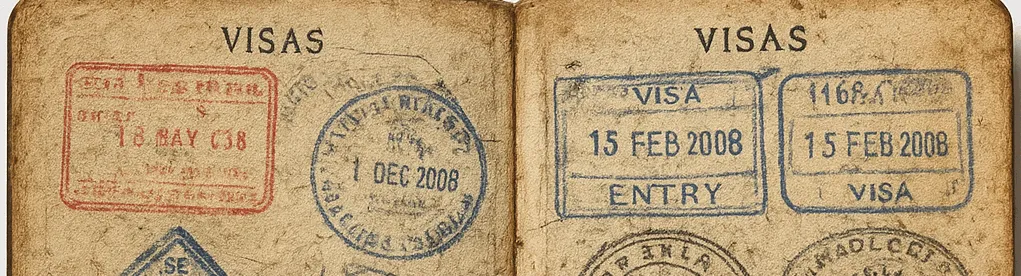
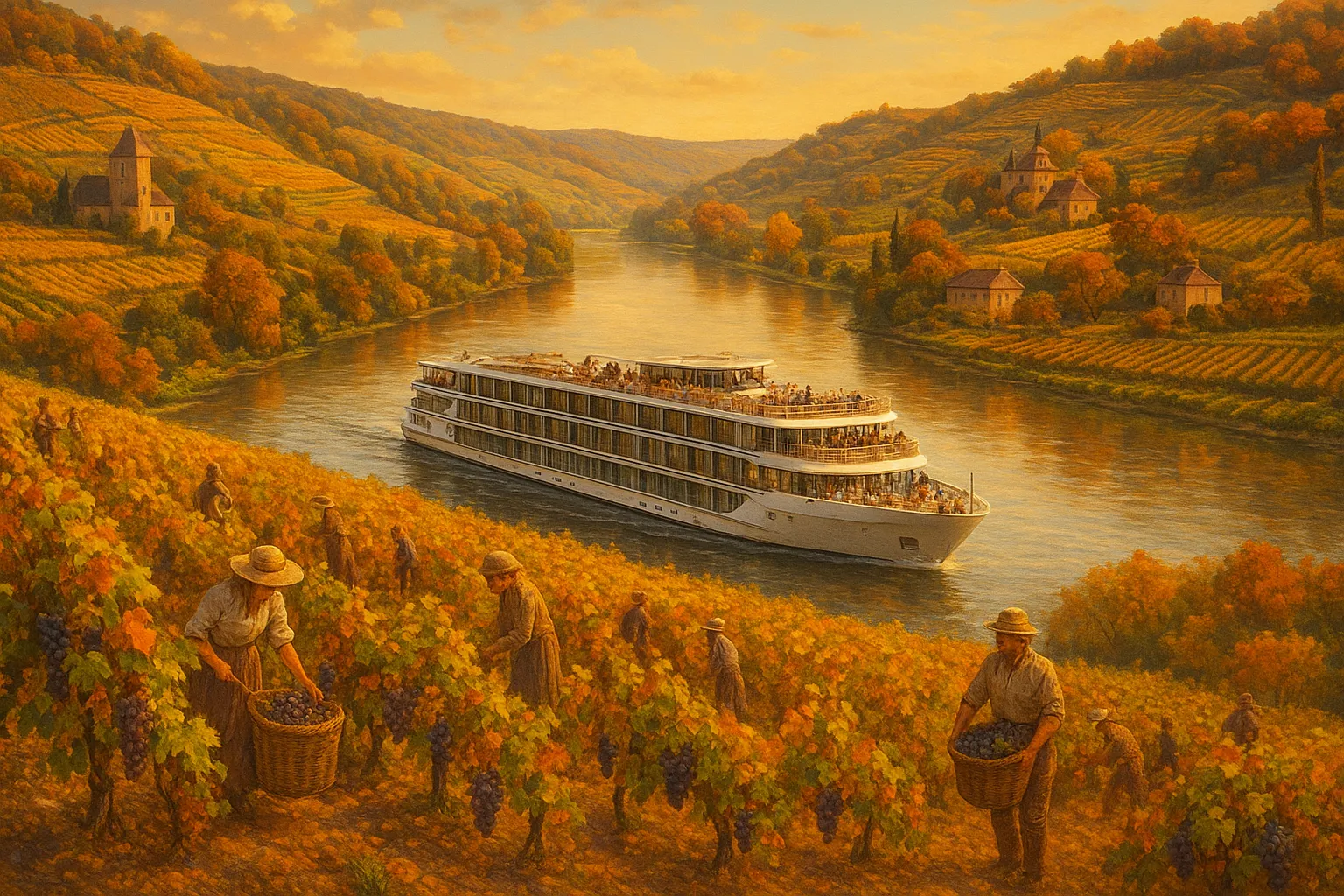
Touring France’s vineyards by car versus watching them slide past from a riverboat deck isn’t really a contest — the boat wins, and it took me an embarrassingly long two years of a blank passport sitting in a drawer to figure that out. A friend finally called me out over dinner for always saying “soon,” and we had flights booked before the check even arrived. I barely slept that night. Days later I was drifting along a sun-drenched river in France, a glass of locally-produced Burgundy in hand, watching ancient castles slip past rolling vineyard hills from the deck of a riverboat — and it hit me right then that this was the trip I’d been putting off all along. A river cruise through France’s vineyard regions doesn’t compare to anything else: it clears away the usual travel logistics and sets you down inside the slow, sensory heart of French wine culture, one river bend at a time.
What Actually Makes a River Cruise the Smart Way to See Wine Country
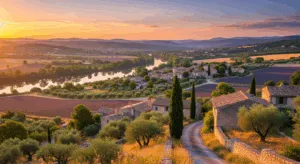
Going in, I figured a wine river cruise would basically be a floating hotel that happened to stop at a few vineyards now and then. Turned out I was only partly right — the actual experience is a lot more refined than that. These cruises usually run through the Loire Valley, along Burgundy’s Saône and Yonne rivers, or down the Rhine through Alsace — stretches of France that a car simply can’t cover in full. You open your eyes each morning in a fresh wine region without ever touching a suitcase. Nobody’s worrying about driving after a tasting. Instead of navigating alone, you’re surrounded by other people who love wine as much as you do. And the river does a lot of the storytelling itself: medieval towns appear around every curve, vineyards climb the slopes in tidy rows, and the connection between land and bottle becomes obvious in a way maps never show you.
Most itineraries run somewhere between seven and fourteen days and bundle in shore excursions, tastings, and meals built from local ingredients. Nothing about the schedule feels rushed. You’re not racing from stop to stop — you’re gliding into each one.
The Small Phrase Book That Kept Me From Accidentally Ordering a Plate of Eels
Cruising through French wine country means near-constant contact with locals — winery staff, the crew onboard, servers at dinner — and my leftover high-school French collapsed the second I stepped off the boat. A pocket-sized phrase book turned into an actual lifeline once menus, wine lists, and casual conversation all started flying at native speed.
Where it earns its keep
- It’s small enough to slide into a jacket pocket during shore excursions, so it’s actually on you when you need it — unlike my phone, which died mid-tasting at a chateau.
- The wine and food sections spared me a few disasters — I could ask what was actually in a dish instead of gambling on the menu.
- Locals noticeably warm up when they see you’ve tried; it opens doors, and occasionally cellars, that a translation app on its own won’t.
Where it comes up short
- Some phrases feel stiff or weirdly specific — asking where the bathroom is is simple enough, but pressing a winemaker on the finer points of terroir is still beyond what’s in the book.
- Pronunciation will still trip you up, and people will often switch to English partway through your attempt — a relief, honestly, but also a small hit to the ego.
I nearly walked off the riverboat and left mine behind after dinner on day three, and the panic that followed was real — a guidebook is replaceable, sure, but this thing had become my confidence in translated form. French phrase book
Packing Extras That Go Beyond the Obvious
You’d think a river cruise means light packing across the board, and mostly that’s true — but wine tourism throws in a few extra requirements. Bring shoes built for walking on vineyard tours (that gravel is trickier underfoot than it looks), something like a cardigan or light blazer for tastings and dinners at the wineries, and a small notebook. Every wine region has its own stories, and I kept scribbling down producer names, flavor notes, and recommendations rather than betting on my memory. By the third region, those notes had become genuinely irreplaceable.
Sunscreen and a hat matter more than people expect. You’re out on the water for hours, and the glare off the surface amplifies UV exposure. Keeping a reusable water bottle on hand helps you stay hydrated between tastings — an obvious move in theory that I somehow still managed to skip.
Where the Real Value Sits: Tastings Without the Sales Push
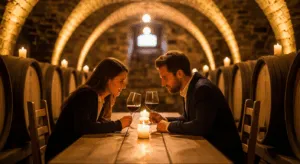
The thing that caught me off guard most was how differently tastings feel in this format. A standard wine tour has you sprinting between appointments, scribbling notes under pressure, and feeling nudged to buy at every stop. On a river cruise, the tastings are usually included, unhurried, and guided by onboard staff or local experts more interested in teaching you than selling to you. I ended up enjoying more of the wines I tried and understood far more about how they’re made than any self-guided tour would have taught me.
The Loire Valley by itself turns out over four hundred million bottles a year across a staggering number of appellations, and having a guide walk you through that makes the variety make sense instead of overwhelming you. Taste a Sancerre, get the explanation of why its limestone soil matters, and suddenly it clicks why the Pouilly-Fumé from the next village over — barely thirty kilometers away — tastes completely different.
The Less Glamorous Truth About the Food Onboard
Cruise cuisine is a mixed bag depending entirely on the operator. Some kitchens turn out regional dishes fresh each day; others lean on predictable hotel-style menus. Look into your specific cruise line and check recent reviews before you commit. The better cruises weave wine pairings into meals with real intention rather than just for show. My own trip included a dinner I still think about, in a small Burgundy town just off the boat, where the chef pulled ingredients straight from farms and vineyards you could practically see from the table. It cost extra, but it had an authenticity that meals served on the ship never quite matched.
So, Is It Worth Booking?
A river cruise through France’s wine regions works because it fixes the real problem with wine travel: getting fully into the culture without logistics eating up the whole trip. You taste widely, pick up knowledge from people who actually know the region, eat well, and watch the landscape explain every bottle you drink. It moves slower than a land tour and feels far less solitary than traveling on your own. And somehow, cruising toward the next wine region with a glass in hand and nothing to do until morning, the whole point of travel comes into focus: sometimes you just have to let the passport lead, drop the “soon,” and go.
Frequently Asked Questions
What wine regions does a French river cruise typically cover?
River cruises usually run through the Loire Valley, along Burgundy’s Saône and Yonne rivers, or down the Rhine through Alsace. These stretches let you wake in fresh wine regions without packing a suitcase, and you experience the connection between land and bottle as you drift past medieval towns and vineyard slopes.
How long do wine river cruises through France typically last?
Most itineraries run somewhere between seven and fourteen days. They bundle in shore excursions, tastings, and meals built from local ingredients, and nothing about the schedule feels rushed—you’re gliding into each stop rather than racing between them.
What should I pack for a French wine river cruise?
Bring shoes built for walking on vineyard tours, a cardigan or light blazer for tastings and dinners, and a small notebook for producer names and flavor notes. Sunscreen and a hat matter more than expected due to water glare, and a reusable water bottle keeps you hydrated between tastings.
How many bottles does the Loire Valley produce annually?
The Loire Valley turns out over four hundred million bottles a year across a staggering number of appellations. Having a guide walk you through that variety makes it make sense instead of overwhelming you, especially when comparing nearby regions like Sancerre and Pouilly-Fumé, which are barely thirty kilometers apart.
About This Article

Written by Elena Vasquez. Elena Vasquez is a full-time traveler and the founder of Witty Passport. Over fifteen years and more than 50 countries across six continents — including a stretch spent leading groups professionally through Southeast Asia and the remote highlands of South America — she's written the kind of destination guides she always wished existed: practical, specific, and built on real experience rather than recycled itineraries. More about this site.
Scope and limits. Elena is a full-time traveler, not a licensed travel agent or immigration adviser. Entry requirements, visa rules, and advisories change without notice — always confirm against the official government source for your destination and passport before booking.
Verify this against a primary source
Specifics change, and your situation may differ from the one described here. These are the authorities worth checking directly:
- U.S. Department of State — entry requirements and travel advisories
- CDC Travelers' Health — vaccination and health notices by destination
- TSA — current carry-on and screening rules