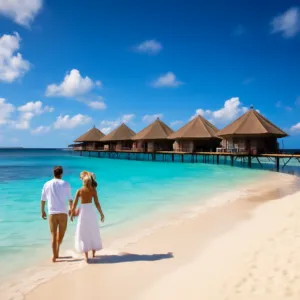
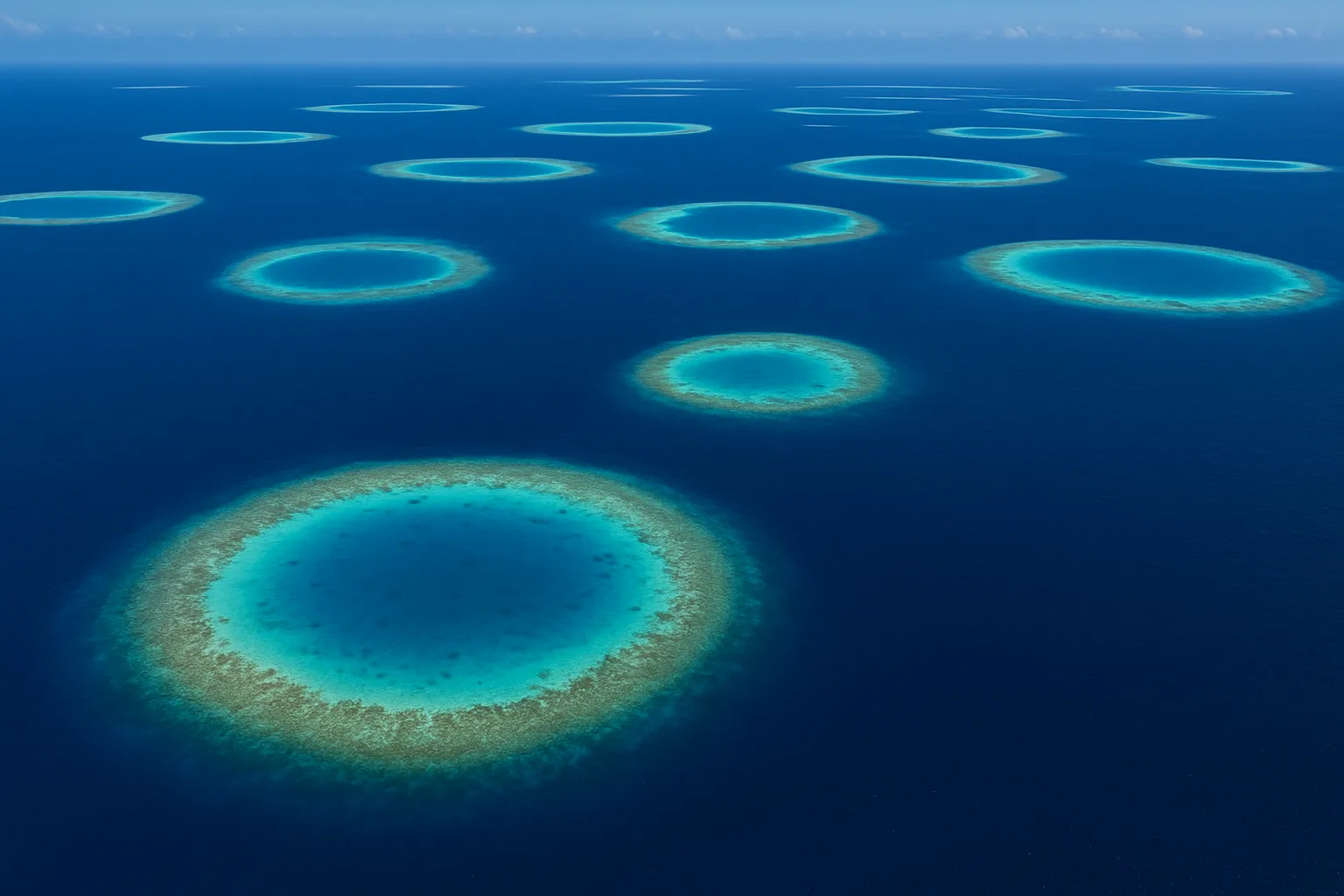
What does it actually take to turn those Maldives photos you’ve scrolled past a thousand times into a trip you can pull off yourself? Honestly, less than you’d think — and I found that out the hard way after a February so grey it felt lodged behind my eyeballs. I wanted sun, heat, and a stretch of weeks where winter belonged to somebody else, and the Maldives kept nagging at me until I finally caved and bought the ticket. When I arrived, I ended up staring down through water so absurdly turquoise it looked like someone had cranked the saturation, watching fish glide under the glass panel of my overwater villa as if the entire ocean had just decided to show up and wait for me. It’s one of those destinations that sounds like a cliché right up until you’re standing in it, and only then do you get why people drive themselves half-mad trying to nail the perfect itinerary. So if you’re slogging through a long, dark stretch of winter and daydreaming about those exact shots, here’s the rundown — the islands worth building your trip around, the resorts that justify the price tag, and the activities that prove this place is far more than a pretty backdrop for photos.
The Camera That Actually Survived My Snorkeling Disasters in the Maldives
Roughly 99% of the Maldives is water, and I naively assumed my phone would be fine for quick underwater shots. It took nearly losing it off the side of a dhoni, plus a memory card full of blurry, salt-streaked nothing, before I finally spent the money on gear actually designed for that kind of punishment.
Where it earns its keep
- The 4K clips of coral beds and reef fish match what your eyes are actually seeing, instead of the murky, color-drained footage your phone spits out even a meter underwater.
- You stop babying it entirely — I hooked it to my snorkel vest, let it get dunked over and over, and just rinsed it in fresh water without worrying for a second.
- The charge holds up through an entire morning of snorkeling and hopping between islands, so you’re never forced to pick between filming the moment and having enough power to find your way back.
Where it falls short
- It’s bulkier and heavier than you’d expect, and once you’re trying to fit it into a small daypack alongside sunscreen, snacks, and a towel, space runs out fast.
- The menu takes some getting used to, and in the middle of a manta ray sighting, fumbling around trying to switch over to video mode eats up seconds you don’t have.
I nearly left it in a resort bathroom on day three and had a genuine panic—the thought of losing footage of the house reef at sunset actually hurt. If you’re serious about remembering the Maldives as it actually looks, grab a quality action camera with 4K capability and waterproof housing.
Frequently Asked Questions
What camera gear do you recommend for Maldives snorkeling?
A quality action camera with 4K capability and waterproof housing is essential. Phone cameras fail underwater—I nearly lost mine off a dhoni and got only blurry, salt-streaked footage. A proper action camera captures coral beds and reef fish in 4K that matches what your eyes see, survives repeated dunking, and holds charge through an entire morning of snorkeling.
Can you snorkel in the Maldives with just a smartphone?
Not reliably. Even a meter underwater, phones produce murky, color-drained footage and risk water damage. I learned this the hard way with a memory card full of blurry shots and nearly lost my phone off a dhoni entirely. A waterproof action camera is worth the investment for clear underwater photos.
How long does an action camera battery last snorkeling?
A quality action camera holds charge through an entire morning of snorkeling and hopping between islands. This means you won’t be forced to choose between filming moments and having enough power to navigate back to your resort or boat.
What are the downsides of action cameras in the Maldives?
They’re bulkier and heavier than expected, making daypack space tight alongside sunscreen, snacks, and towels. The menu takes adjustment, and switching between modes during wildlife moments like manta ray sightings costs precious seconds. They’re also easy to accidentally leave behind in resort bathrooms.
About This Article

Written by Elena Vasquez. Elena Vasquez is a full-time traveler and the founder of Witty Passport. Over fifteen years and more than 50 countries across six continents — including a stretch spent leading groups professionally through Southeast Asia and the remote highlands of South America — she's written the kind of destination guides she always wished existed: practical, specific, and built on real experience rather than recycled itineraries. More about this site.
Scope and limits. Elena is a full-time traveler, not a licensed travel agent or immigration adviser. Entry requirements, visa rules, and advisories change without notice — always confirm against the official government source for your destination and passport before booking.
Verify this against a primary source
Specifics change, and your situation may differ from the one described here. These are the authorities worth checking directly:
- U.S. Department of State — entry requirements and travel advisories
- CDC Travelers' Health — vaccination and health notices by destination
- TSA — current carry-on and screening rules