The Headphones That Turned 13-Hour Nightmares Into Survivable Flights
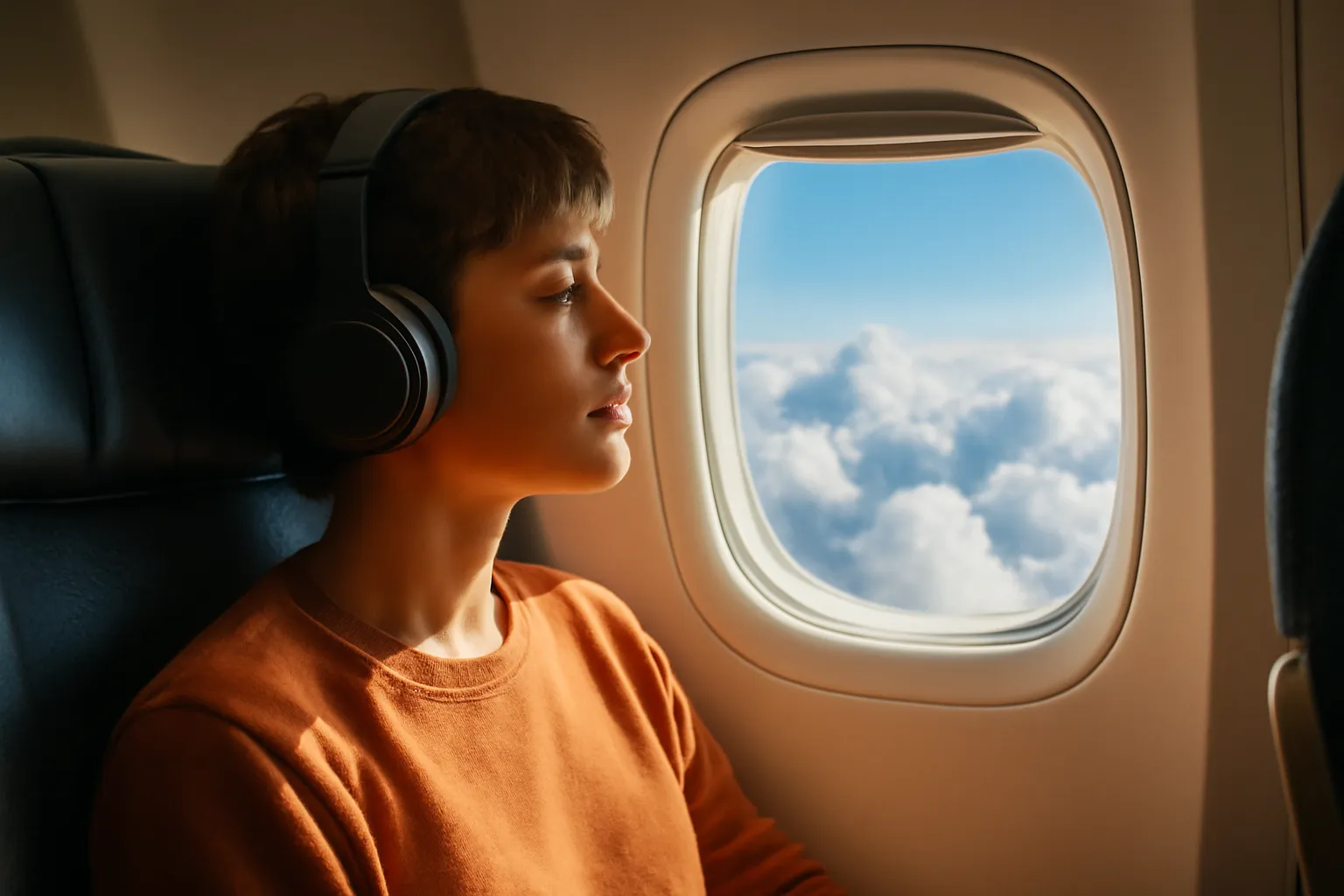
What actually gets you through a 13-hour flight without arriving as a hollowed-out version of yourself? After 47 long-haul sectors, I can tell you it isn’t the extra legroom or the sleeping pill — it’s a decent pair of noise-cancelling headphones, full stop. Strapped into a metal tube with a chorus of snorers and a toddler who’s decided the cabin is his personal percussion section, the right headphones are the only real border you get to control.
Why Flight Noise Is Actually Your Enemy
People tend to file airplane noise under “loud” and move on, but it’s a sneakier problem than that. Jet engines hum at a frequency that wears down your brain in a way ordinary noise doesn’t — it’s a slow drain, not a shock. Layer in a screaming kid, the snoring section forming behind Row 12, and a beverage cart that sounds like it’s steered by someone who got their license this morning, and you’ve built a textbook recipe for sleep deprivation at 35,000 feet.
I’ve logged enough hours in economy to know that dollar-store earplugs and standard headphones don’t stand a chance against this. That low, grinding engine drone punches straight through ordinary noise isolation, and somewhere around hour eight of a 14-hour haul, your brain is visibly losing the fight to process it all. Active noise cancellation — the tech that fires off inverse sound waves to physically cancel the noise coming in — is really the only thing that works.
What Works
- The noise cancellation genuinely kills that shrill air-vent whine — the one pitch that seems purpose-built to sabotage human sleep. I’ve run this test on Lagos to London, Bangkok to Sydney, and every route in between, and the silence is real, not just a volume knob turned down.
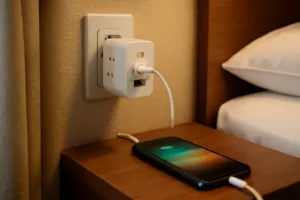
- One charge outlasts back-to-back long-haul flights, so you’re not hunting for a USB cable during a layover or, worse, going deaf and unprotected while the battery tops up.
- They’re comfortable enough to actually fall asleep in — no vice-grip feeling on your ears after eight hours. I’ve woken up mid-flight still wearing them, and that’s about as strong an endorsement as I can give.
- Music and movies sound genuinely great through these. On the rare flight where I want sound instead of silence, the clarity is sharp enough to make me forget I’m sealed in a metal tube seven miles up.
- Ambient mode lets a flight attendant or your row mate get a word in without you having to yank the headphones off — handy for the occasional moment you need to rejoin society.
What Doesn’t
- They cost enough that airport security still puts me on edge — I’ve had to pull them off, get patted down, and put them back on while a TSA agent watched like I was wiring something dangerous.
- The touch controls betray you the moment you’re half-asleep and just want to pause a podcast — I’ve triggered Alexa by accident more than once, which is excruciating in a silent cabin.
- They eat up space in your carry-on, so if you pack light, you’ll need to make room. They don’t collapse down to nothing, though the case that comes with them is a reasonable size.
The Reality Check
I won’t pretend it’s been flawless — on one 14-hour leg the left earcup started crackling and I braced for the sinking feeling of having blown money on a pair that would die mid-trip. A basic restart fixed it, and it hasn’t happened since. If you’re racking up serious flight hours, Sony WH-1000XM5 Premium Noise Canceling Headphones, Auto NC Optimizer, 30-Hour Battery, Alexa Voice Control, Black earns its price tag many times over.
How to Actually Use Them on a Flight
Buying them isn’t enough on its own — here’s what actually makes them work in practice:
- Switch them on before you even board. Get noise cancellation running the moment you’re at the gate. Your brain eases into the quiet instead of getting blindsided by it once the engines spool up for takeoff.
- Load your content before you leave the ground. Don’t gamble on plane WiFi or spotty Bluetooth — have your podcasts, audiobooks, and movies already downloaded before boarding.
- Charge them fully beforehand. The 30-hour battery sounds bulletproof, but don’t tempt fate. A dead pair of headphones is worse than none at all fifteen hours into a flight.
- Pack the cable that comes with them. USB-C ports are common enough now, but bring the actual cable anyway in case you need a fast top-up between connections.
The Verdict
Forty-seven flights in, and these headphones have earned a spot next to my passport on the list of things I don’t fly without. They’re not cheap, and they won’t make a middle seat one inch wider, but they turn a flight from something merely endured into something actually bearable. If you fly often, that gap is worth paying for.
The Sony WH-1000XM5 Premium Noise Canceling Headphones have a 30-hour battery that outlasts back-to-back long-haul flights on a single charge. This means you won’t need to hunt for a USB cable during a layover or risk going without noise protection while the battery tops up. Active noise cancellation genuinely works on long-haul flights by firing off inverse sound waves to physically cancel incoming noise. The technology kills the shrill air-vent whine and the low grinding engine drone that punches through ordinary noise isolation, making flights from places like Lagos to London actually bearable. Yes, the Sony WH-1000XM5 are comfortable enough to fall asleep in without a vice-grip feeling on your ears after eight hours. Many travelers have woken up mid-flight still wearing them, which demonstrates their comfort for extended wear during sleep. Switch on the headphones before boarding and get noise cancellation running the moment you’re at the gate so your brain eases into the quiet. Also charge them fully beforehand and load podcasts, audiobooks, and movies before leaving the ground instead of gambling on plane WiFi.Frequently Asked Questions
How long do Sony WH-1000XM5 headphones last on a single charge?
Do noise-cancelling headphones work on long international flights?
Can you sleep wearing noise-cancelling headphones on a plane?
What should you do before boarding a flight with noise-cancelling headphones?
About This Article

Written by Elena Vasquez. Elena Vasquez is a full-time traveler and the founder of Witty Passport. Over fifteen years and more than 50 countries across six continents — including a stretch spent leading groups professionally through Southeast Asia and the remote highlands of South America — she's written the kind of destination guides she always wished existed: practical, specific, and built on real experience rather than recycled itineraries. More about this site.
Scope and limits. Elena is a full-time traveler, not a licensed travel agent or immigration adviser. Entry requirements, visa rules, and advisories change without notice — always confirm against the official government source for your destination and passport before booking.
Verify this against a primary source
Specifics change, and your situation may differ from the one described here. These are the authorities worth checking directly:
- U.S. Department of State — entry requirements and travel advisories
- CDC Travelers' Health — vaccination and health notices by destination
- TSA — current carry-on and screening rules