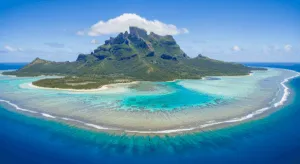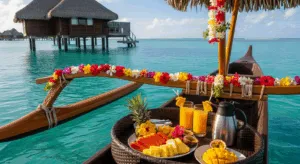

One month with no meetings, no performance reviews, and nothing due to anyone — that was the deal I made with myself after leaving a finance career behind to chase landscape photography full-time, and Bora Bora is where that month ended up going. The island had been sitting at the top of my list for years, those turquoise shades and jagged volcanic silhouettes staring back at me from my screensaver long before I ever booked a flight, but every time I ran the numbers, the total read more like a quarterly earnings report than a travel budget. Once I actually committed and went, the truth came out: the island’s reputation as a billionaire-only destination is mostly exaggeration. Plan it right and you can still get the lagoons, the local culture, and even a night or two of that overwater-bungalow fantasy without a bill that would send your old CFO into cardiac arrest. Everything below is what I figured out the hard way, so you can skip that part.
| Sunscreen Type | Water Resistance | Reapplication Needed | Reef Safe |
|---|---|---|---|
| Mineral (SPF 30) | Survives repeated water dunking | Not every hour | Yes |
| Chemical | Washes off quickly | Every hour | No |
The Sunscreen That Survived Bora Bora’s Reef (And Actually Stayed On)
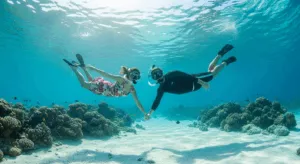
The lagoon in Bora Bora will burn through every bottle of sunscreen you own. With hours in the water, constant snorkeling, and equatorial sun bouncing straight off white sand and bright turquoise shallows, you need a formula that survives more than a few minutes in the water and doesn’t poison the coral you’re floating over.
Where it delivers
- A biodegradable formula spares you the side-eye from reef guides when you’re suiting up for a lagoon excursion — and in a protected marine zone, that side-eye is warranted.
- Mineral formulas outlast chemical ones once you’ve dunked your head underwater a dozen times chasing fish for a photo — the water-resistance label isn’t just a sales pitch.
- SPF 30 covers you fine under equatorial sun without the thick white-cast look that turns every vacation photo into a ghost sighting.
Where it falls short
- Mineral sunscreen goes on thicker and can leave a chalky film if you don’t work it in fully — I spent a good 20 minutes looking like I’d been rolled in flour.
- Given Bora Bora’s prices, even a solid sunscreen starts to feel like a splurge, and full lagoon days will eat through your supply faster than you’d expect.
I almost ditched it halfway through my trip for a cheaper drugstore option (the budget mentality dies hard), but after one afternoon without it, I understood why the reef tour operators actually care. STREAM 2 SEA SPF 30 Mineral Sunscreen Biodegradable
Frequently Asked Questions
What sunscreen should I bring to Bora Bora for snorkeling?
Bring a biodegradable mineral sunscreen like STREAM 2 SEA SPF 30 Mineral Sunscreen Biodegradable. Mineral formulas outlast chemical ones in water and won’t upset reef guides in the protected marine zone. SPF 30 covers you fine under equatorial sun without leaving a thick white cast on photos.
Why do reef guides care about which sunscreen you wear?
Reef guides prefer biodegradable sunscreen because chemical formulas poison the coral you’re floating over. In Bora Bora’s protected marine zone, using reef-safe sunscreen shows respect for the marine environment and avoids the justified side-eye from tour operators.
How long does mineral sunscreen last in Bora Bora’s lagoon?
Mineral sunscreen survives repeated water dunking far better than chemical formulas. Once switched to mineral, you won’t need to reapply every hour like you would with conventional sunscreen during full lagoon days in Bora Bora’s equatorial conditions.
Can you visit Bora Bora without spending like a billionaire?
Yes. While Bora Bora has a reputation as a billionaire-only destination, that’s mostly exaggeration. With proper planning, you can experience the lagoons, local culture, and even overwater bungalows without a bill that breaks your budget.
About This Article

Written by Elena Vasquez. Elena Vasquez is a full-time traveler and the founder of Witty Passport. Over fifteen years and more than 50 countries across six continents — including a stretch spent leading groups professionally through Southeast Asia and the remote highlands of South America — she's written the kind of destination guides she always wished existed: practical, specific, and built on real experience rather than recycled itineraries. More about this site.
Scope and limits. Elena is a full-time traveler, not a licensed travel agent or immigration adviser. Entry requirements, visa rules, and advisories change without notice — always confirm against the official government source for your destination and passport before booking.
Verify this against a primary source
Specifics change, and your situation may differ from the one described here. These are the authorities worth checking directly:
- U.S. Department of State — entry requirements and travel advisories
- CDC Travelers' Health — vaccination and health notices by destination
- TSA — current carry-on and screening rules