I booked this trip at 11pm on a Tuesday after a meeting where someone used the phrase “synergize our deliverables” for the third time in an hour — my corporate brain needed an escape hatch, and fast. I typed “somewhere beautiful, somewhere with good food, somewhere not here” into a search bar, and within twenty minutes I had a one-way flight to Croatia’s Istrian peninsula sitting in my inbox. What I found there — rolling green hills, medieval hilltop villages, and a food scene so rooted in honest, local ingredients it felt almost defiant — was nothing like the glossy Tuscany comparisons I’d read about beforehand. Istria is its own thing entirely: a place where Slavic soul and Italian influence have been quietly simmering together for centuries, producing world-class olive oils, prized truffles, and the kind of meals that make you forget, mercifully, what a deliverable even is.
What I Recommend
When you’re spending long days exploring Istria’s coastal towns and vineyard-dotted countryside, a filtered water bottle becomes your best friend. The Mediterranean sun is no joke, and staying hydrated while you’re hopping between truffle markets and wine tastings keeps your energy up for the real adventure—the food. I never leave without one, especially in summer when you’re walking the cobblestone streets of Rovinj between meals.
Pack a waterproof daypack backpack for those spontaneous beach breaks between restaurant visits. After a heavy lunch of fresh seafood pasta, you’ll want to wade into the Adriatic to cool off, and a good waterproof pack keeps your camera, phone, and valuables safe while you’re swimming. It’s also perfect for carrying home those bottles of local wine and jars of Istrian truffles you’ll inevitably want to buy.
I can’t overstate how much you’ll need quality high SPF sunscreen in Istria—the Adriatic reflects the sun like a mirror, and trust me, a sunburn will ruin your ability to enjoy those al fresco dinners. Waterproof sunscreen means you can actually spend time on the rocky beaches without worrying about reapplying constantly, and your skin will thank you when you’re back home showing off your glow instead of your burns.
Comfortable walking shoes are essential for navigating Istria’s charming but unforgiving stone streets and countryside paths that lead to hidden konobas (traditional restaurants). Your feet will be doing serious mileage as you wander from one culinary discovery to the next, and good shoes mean you won’t be limping back to your hotel before the evening wine bar scene even begins.
As an Amazon Associate, I earn from qualifying purchases.
This guide will walk you through the essential tastes of Istria. We will explore the key ingredients that define its cuisine. You will discover traditional dishes you simply cannot miss. Finally, we will point you to the best places to experience this gastronomic magic firsthand.
The Roots of Istrian Cuisine
Istrian food is a story of its landscape. Locals call it terra magica, or magical land. The cuisine is split into two distinct personalities: the coast and the interior. Along the sparkling Adriatic coast, menus feature fresh seafood. Think grilled fish, scampi, and oysters pulled straight from the sea. Venture inland, and the food becomes heartier. Here, you will find rich pastas, cured meats, and savory meat dishes.
History has also seasoned Istrian cooking. The Romans planted the first olive groves and vineyards. The Venetians introduced new ingredients and culinary techniques. The Austro-Hungarian Empire left its mark with comforting stews and pastries. This layered heritage created a diverse and delicious culinary tapestry. Today, Istrian chefs proudly celebrate these traditions. They use time-honored recipes while embracing modern, creative approaches. Travel Guide
Earth’s Hidden Treasure: Istrian Truffles
The dense forests of the Mirna River Valley hide one of the world’s most coveted ingredients: truffles. Istria is famous for both its pungent black truffles and the highly prized white truffle. Local hunters, aided by specially trained dogs, forage for these treasures year-round. Finding them is a skill passed down through generations. This tradition is a core part of the region’s cultural identity.
Visitors can experience the hunt themselves by joining a guided tour. Afterward, you can enjoy a meal where truffles take center stage. The most classic Istrian truffle dish is fuži (a local quill-shaped pasta) or pljukanci (hand-rolled pasta) served with a simple sauce and generous shavings of fresh truffle. Chefs also incorporate them into scrambled eggs, steaks, and even ice cream. The earthy, intoxicating aroma is unforgettable.
Liquid Gold: Award-Winning Olive Oil
Forget what you know about supermarket olive oil. Istrian extra virgin olive oil is in a league of its own. The peninsula’s unique microclimate and rich soil create ideal conditions for growing olives. Local producers, often small family-run operations, use a mix of ancient knowledge and modern technology to craft exceptional oils. Their dedication to quality has earned international acclaim. The prestigious Flos Olei guide has named Istria the world’s best region for extra virgin olive oil for multiple consecutive years.
Many producers have tasting rooms where you can learn about the process. You can sample different varietals, from the peppery Buža to the fruity Istarska Bjelica. A tasting is an essential Istrian experience. It will change the way you think about this fundamental Mediterranean ingredient. You will learn to recognize the signs of high-quality oil: a vibrant green color, a fresh grassy aroma, and a pleasant peppery finish.
The Adriatic’s Bounty: Fresh Seafood
With its long coastline, Istria naturally excels at seafood. The clean, clear waters of the Adriatic Sea provide an abundance of fish, mollusks, and crustaceans. Every coastal town has restaurants serving the day’s catch. Simplicity is key. Chefs often prepare fish na gradele (grilled over an open fire) with just a drizzle of olive oil, garlic, and parsley. This method lets the seafood’s natural freshness shine.
Don’t miss the scallops from Novigrad or the famous oysters from the Lim Fjord. This protected channel is renowned for its shellfish farming. Another local specialty is brodet, a hearty fish stew traditionally made by fishermen from a mix of different fish. It is typically served with creamy polenta. Enjoying a seafood platter by the harbor in a town like Rovinj or Poreč is a perfect way to spend an evening.
Must-Try Istrian Specialties
Beyond the big three, Istria offers a wide array of delicious foods. When you visit, be sure to seek out these local delicacies:
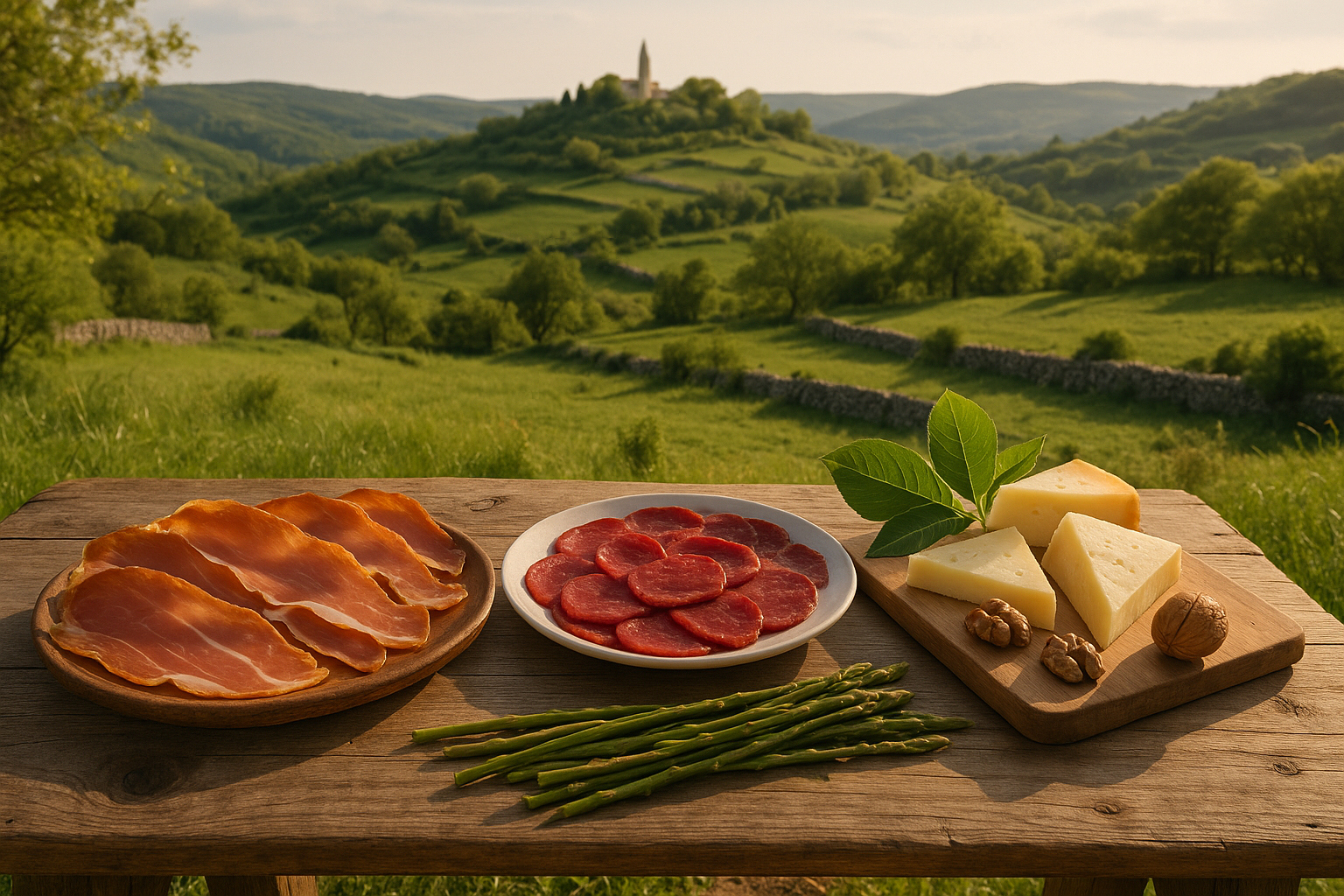
- Istarski Pršut: This is Istrian prosciutto. It is a dry-cured ham that differs from its Italian counterpart. It is not smoked and is dried by the region’s unique winds, giving it a distinct, savory flavor.
- Boškarin: The Boškarin is a native Istrian ox. Once used for farm work, this magnificent animal is now a protected gourmet delicacy. Its lean, flavorful meat is often served as carpaccio, steak, or in rich pasta sauces.
- Local Cheeses: Explore the world of Istrian cheeses. You can find cow, sheep, and goat milk cheeses, some aged in walnut leaves or infused with truffles.
- Wild Asparagus: In the spring, locals forage for wild asparagus. This thin, slightly bitter vegetable is a seasonal treat, often served in frittatas or with pasta.
- Local Wines: Istrian cuisine pairs perfectly with its local wines. The two main native grapes are Malvasia Istriana (a fresh, aromatic white) and Teran (a robust, earthy red).