This is the complete guide to the Meteora monastery dress code — everything you need to know before you visit one of Greece’s most iconic UNESCO World Heritage Sites. Whether you’re planning your first trip or returning for another look at these breathtaking cliff-top monasteries, getting your clothing right is essential to ensure you’re actually allowed inside.
All 6 active Meteora monasteries enforce a strict dress code for Meteora monasteries, and while the rules follow the same general principles, there are slight variations between individual sites — particularly around what’s accepted for men versus women, and whether wraps or skirts are provided at the entrance. Understanding these differences ahead of time saves you from an awkward turn-away at the gate.
This guide covers everything: what to wear, what your ideal Meteora outfit looks like across different seasons, what clothing is available to borrow or buy on-site, and practical tips to make sure the Meteora dress code never gets in the way of your visit. Read on for the full breakdown.
We eloped on a Tuesday with three friends and a bottle of champagne, telling ourselves the real trip would come later. “Later” arrived 18 months after our wedding when we finally stopped waiting for the perfect time — and somehow, we ended up standing at the base of the Meteora rock pillars in central Greece, necks craned back, completely speechless. Those ancient monasteries balanced impossibly on the summits felt like the universe rewarding our patience. But before you can step inside these sacred spaces and feel that magic for yourself, there’s one thing every visitor needs to know: the dress code is non-negotiable, and while the rules are consistent across all six monasteries, understanding the practical details for each site will make your visit far smoother.
What I Recommend
When you’re navigating multiple monasteries across Meteora—some strict, some more relaxed—you’ll want your important documents organized and protected. An RFID-blocking passport holder keeps your ID and travel papers safe from both pickpockets and electronic skimming, which is especially useful when you’re moving between sites and staying in hostels.
A travel document organizer has been a lifesaver for me on multi-monastery visits. I keep my dress code notes, monastery opening hours, and photography permissions all in one place so I’m never caught off-guard about what’s appropriate at each location.
Greece runs on 220V outlets, so a travel adapter is non-negotiable. You’ll need to charge your phone, camera, and any other essentials between monastery visits, and having the right adapter saves you from expensive last-minute purchases at tourist shops.
Staying connected while you’re figuring out monastery logistics is worth its weight in gold, and an European SIM card gives you reliable data for maps, translation apps, and checking updated dress codes before you arrive at each site.
You’ll be spending hours walking between monasteries and snapping photos, so a portable power bank keeps your phone alive throughout the day. Trust me, you don’t want your camera dying right when you’ve found the perfect light in a monastery courtyard.
A good travel guidebook for Greece gives you the deeper context on Meteora’s history and each monastery’s significance. While you’re respecting dress codes and taking photos, it helps to understand the spiritual weight of these places you’re visiting.
A phrase book in Greek comes in handy when you’re asking monks about dress code exceptions or trying to understand posted rules that aren’t in English. A little effort in the local language goes a long way in these sacred spaces.
The Greek sun is absolutely merciless, especially when you’re climbing around rocky monastery sites all day. Neutrogena Sunscreen Lotion Beach Defense SPF 70 is my go-to because it doesn’t leave you feeling greasy under long pants and sleeves that you’ll be wearing to respect dress codes.
You’ll be spending hours exposed to intense sun while navigating Meteora, so a wide brim sun hat is practical and honestly, it’s also a respectful accessory when you’re visiting religious sites. It keeps you cool and shaded while adhering to the modest aesthetic these monasteries appreciate.
UV protection sunglasses protect your eyes during long days of walking and climbing while you’re photographing these stunning sites. The glare off the stone monasteries and surrounding valleys is brutal, so good sunglasses are a genuine necessity, not just an accessory.
A quick dry beach towel is surprisingly useful when you’re carrying limited luggage between monasteries. It’s lightweight, dries fast, and much more practical than a bulky regular towel when you’re moving between accommodation.
If you’re planning to spend any time near the Piniós River or local swimming spots between monastery visits, a dry bag keeps your phone, camera, and change of clothes safe and separate from the rest of your gear.
Packing cubes have been game-changers for my monastery-hopping trips. They let me organize different outfit combinations—knowing exactly which cube has my long pants, which has my collared shirts—so I’m never scrambling to meet dress codes.
Compression bags are lifesavers when you’re packing modest clothing for multiple days. They compress your layers and longer garments down so they don’t take up your entire luggage, leaving room for everything else you need.
The paths between and around Meteora’s monasteries are rocky and uneven, so proper walking shoes are essential. You need something sturdy with good grip that you can also wear with longer pants—sneakers or trail shoes beat sandals when you’re navigating archaeological terrain.
For the casual strolls between sites and down to local villages, comfortable walking sandals are my preferred option. Make sure they have good arch support though—these aren’t flip-flops, they’re proper walking sandals that’ll keep your feet happy all day.
You’ll be climbing stairs and walking for hours in the hot Greek sun, so a filtered water bottle is genuinely crucial. It lets you refill from monastery fountains and local sources without worrying about stomach issues, and you’ll actually stay hydrated instead of buying overpriced bottled water at every turn.
A Bluetooth luggage tracker gives you peace of mind when you’re moving between different monasteries and accommodations. It’s small enough to slip into your bag and has saved me more than once when I’ve momentarily lost track of my luggage between sites.
A travel first aid kit is worth carrying when you’re navigating uneven monastery grounds and remote areas. You’ll have basic supplies for blisters, minor cuts, and headaches without having to find a pharmacy in a small village.
If you’re serious about capturing the majesty of these monasteries, a portable phone tripod lets you set up shots and self-portraits without constantly holding your phone or asking strangers. It’s especially handy for those golden-hour monastery photos where lighting is everything.
You’ll be taking hundreds of photos at Meteora, so a portable camera battery charger ensures you don’t miss any shots because your equipment died halfway through the day. Monuments this stunning deserve to be documented fully, and you won’t regret having backup power.
A light collared dress shirt in a neutral color is the MVP of monastery visiting. It meets dress code requirements for even the strictest sites, dries quickly if you sweat through it (and you will), and actually looks decent in photos.
As an Amazon Associate, I earn from qualifying purchases.
Far from being an arbitrary set of rules, the expectation for appropriate attire at Meteora’s sacred monasteries is deeply rooted in centuries of Orthodox Christian tradition and a profound respect for the divine. It’s an invitation to step into a different realm, one where spiritual contemplation takes precedence, and visitors are asked to honor that sanctity through their presentation.
This principle of modesty is a universal guideline, applying equally to all genders, and serves several key purposes:
- Honoring the Monastic Community: These monasteries are not merely historical sites; they are active places of worship and homes to monks and nuns who dedicate their lives to prayer and spiritual devotion. Your respectful attire acknowledges their way of life and the sacred nature of their environment.
- Maintaining a Solemn Atmosphere: The dress code helps preserve the serene and reverent ambiance essential for spiritual reflection. Disruptive or overly casual clothing can inadvertently detract from this solemnity, both for fellow visitors and the monastic residents.
- Respect for Religious Customs: It’s a gesture of cultural sensitivity, demonstrating an understanding and appreciation for the deeply held beliefs and practices of the Greek Orthodox Church.
What Modesty Entails: Practical Guidelines
While simple in concept, understanding the specifics can enhance your visit. The core idea is to cover shoulders and knees, and avoid clothing that is overly revealing or casual.
For Women:
- Shoulders: Must be fully covered. Sleeveless tops, spaghetti straps, and off-the-shoulder garments are generally not permitted. A T-shirt, blouse, or dress with sleeves is ideal.
- Legs: Knees must be covered. Long skirts, dresses, or trousers (pants) are appropriate. Shorts, mini-skirts, or capris that expose the knees are not acceptable.
- Necklines: Avoid low-cut or plunging necklines.
- Provided Wraps: Many monasteries, particularly the most visited ones like Great Meteoron and Varlaam, offer skirts and shawls at the entrance for visitors who are not dressed appropriately. While convenient, it’s always better to arrive prepared to avoid delays and queues.
For Men:
- Shoulders: Must be covered. Tank tops, sleeveless shirts, or muscle shirts are not allowed. A T-shirt or collared shirt is appropriate.
- Legs: Knees must be covered. Long trousers (pants) are required. Shorts, even those reaching the knee, are generally not permitted.
General Considerations for All Visitors:
- Footwear: While not strictly enforced beyond general respect, avoid overly casual footwear like flip-flops if possible. Comfortable walking shoes are recommended given the terrain and steps.
- Fabric and Fit: Choose clothing made of respectful fabrics. Avoid overly tight or transparent garments.
- Children: While there’s often more leniency for very young children, teenagers and older children are expected to adhere to the same guidelines.
By embracing this simple yet significant aspect of visiting Meteora, you not only comply with the rules but also deepen your connection to these extraordinary spiritual landmarks, allowing for a more authentic and respectful experience. It’s a small act of preparation that yields a richer, more meaningful journey into the heart of Greece’s monastic marvels.
The Universal Rules for All Monasteries
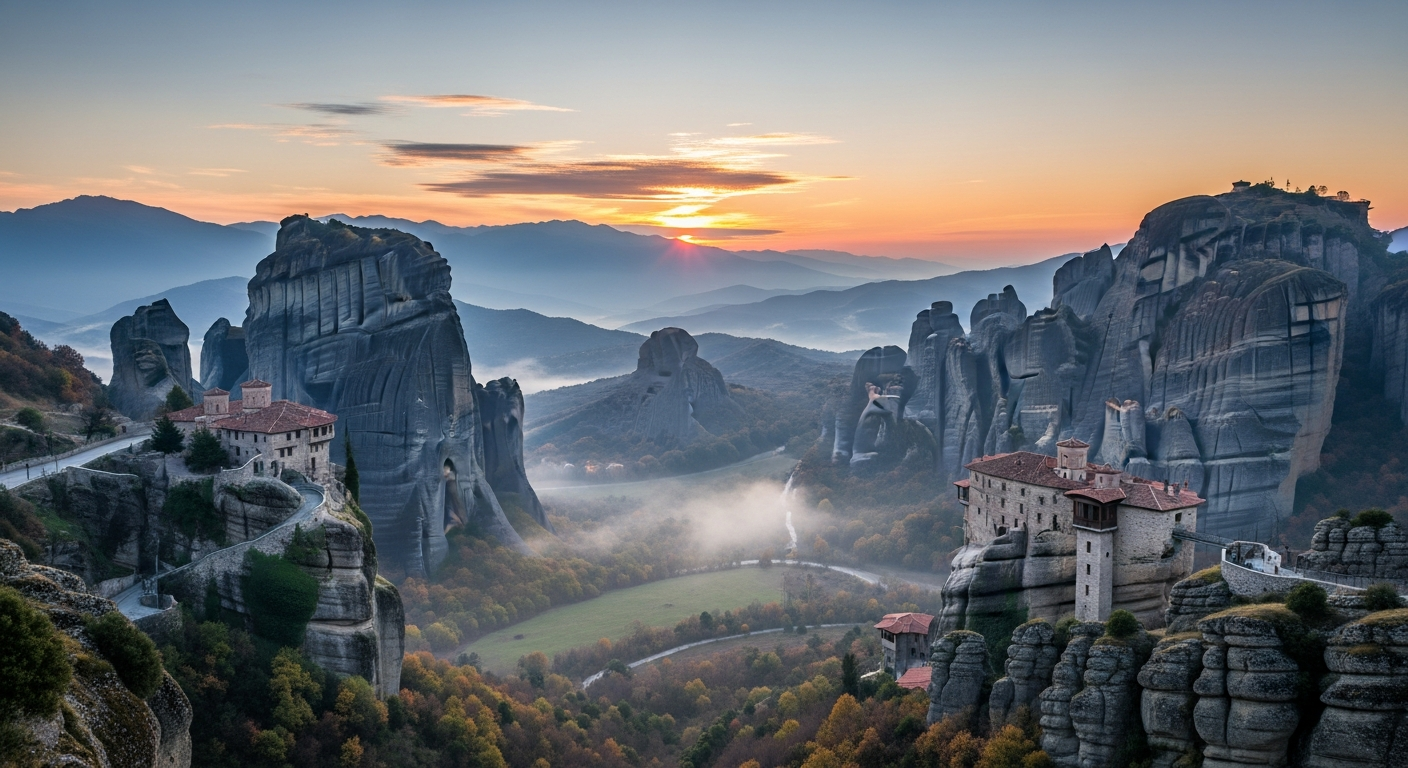
Every monastery in Meteora enforces the same core dress code. The rules are not flexible, so you should prepare in advance. Adherence ensures you can enter without any issues.
For women, the guidelines are specific. You must wear a long skirt, dress, or wrap that covers your knees. Trousers, leggings, and shorts of any length are not permitted. Additionally, you must cover your shoulders. Sleeveless tops, tank tops, and spaghetti straps are forbidden. A simple t-shirt or a blouse with sleeves is perfectly acceptable.
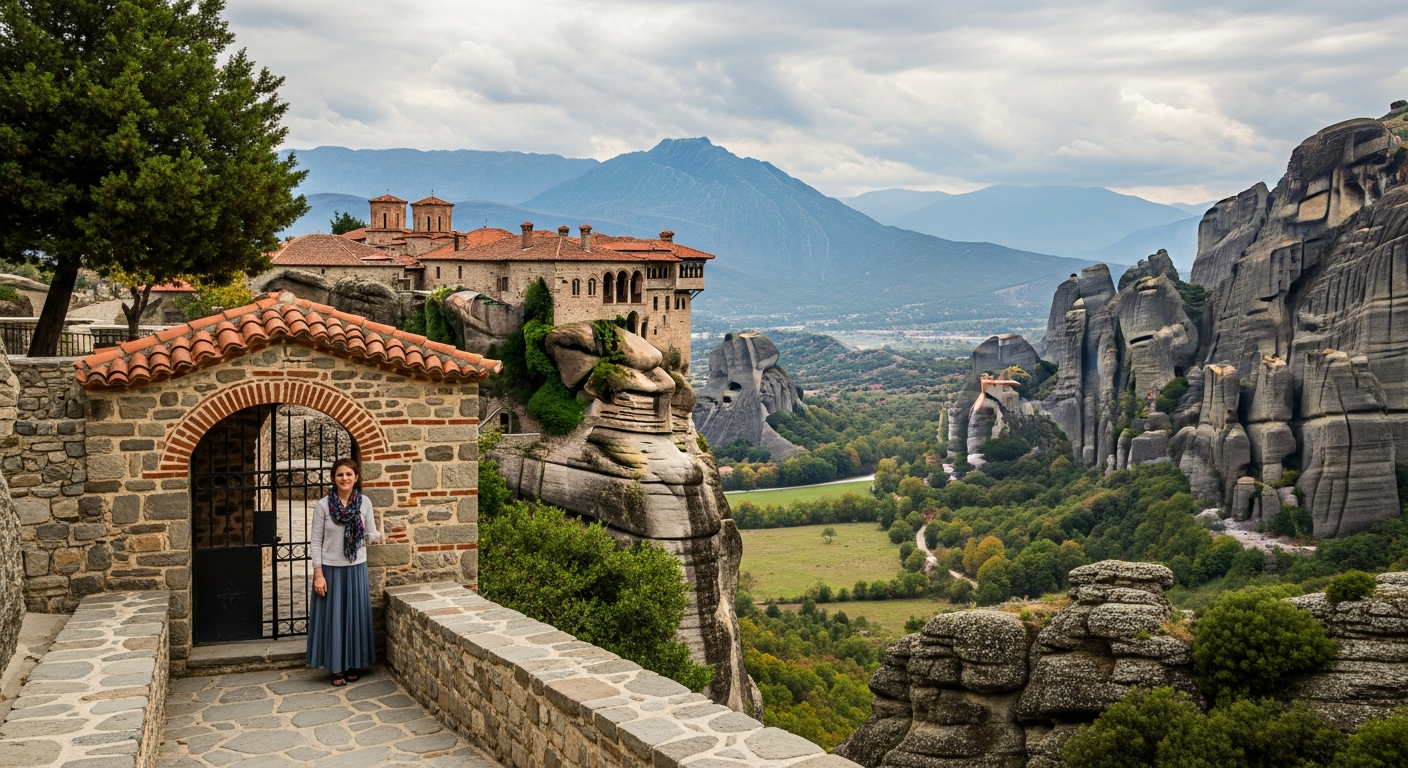
For men, the rules are slightly different but equally important. Meteora Monasteries – Official Greece Tourism You must wear long trousers. Shorts are not allowed, regardless of their length. Your shoulders must also be covered, so sleeveless shirts and tank tops are prohibited. A standard short-sleeved shirt is the perfect choice for a comfortable and respectful visit.
Why This Dress Code Matters
The dress code is not meant to inconvenience tourists. Instead, it is a sign of respect for Orthodox Christian traditions. Monasteries are active places of prayer and worship, not just tourist attractions. The monks and nuns dedicate their lives to faith within these walls. By dressing modestly, visitors show their understanding and respect for the sanctity of the space. This simple act helps maintain the spiritual environment that makes Meteora so unique. Following these guidelines contributes to a peaceful experience for everyone, from pilgrims to casual visitors.
A Practical Guide for Each Monastery
While the dress code is universal, the experience of visiting each monastery can differ slightly. Knowing what to expect at the entrance of each one helps you plan your day better. Most monasteries provide wraps for those who arrive unprepared, but availability and convenience can vary.
The Great Meteoron Monastery
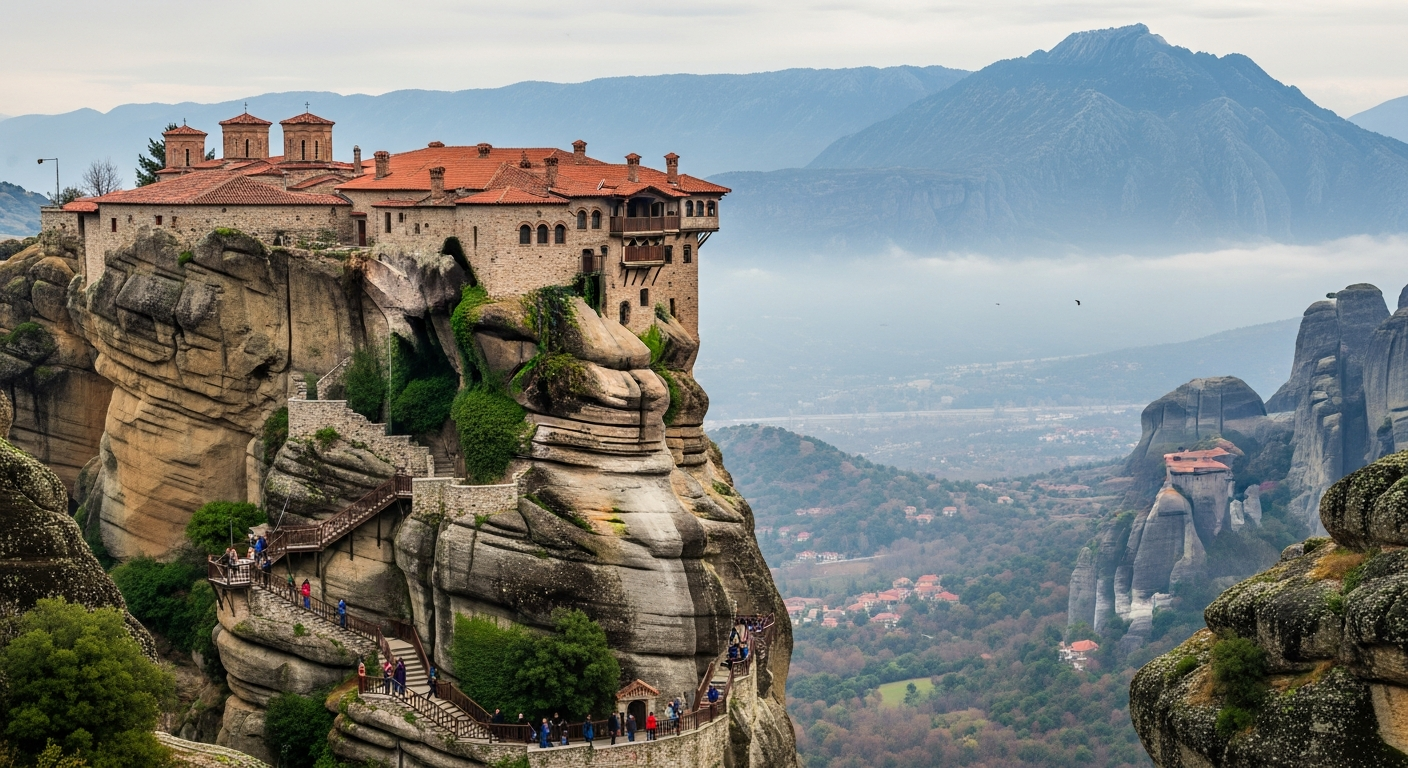
As the largest and oldest monastery, the Great Meteoron attracts the most visitors. Consequently, the entrance can become very busy, especially during peak season. Staff provide wraps and skirts near the ticket office for those who need them. However, to save time and avoid waiting in a queue, we recommend bringing your own shawl or skirt. This allows you to enter more quickly and begin exploring this historic site.
Varlaam Monastery
Varlaam is the second-largest monastery and is also very popular. Similar to the Great Meteoron, it offers communal wraps for visitors. You can find them in a large bin at the entrance. The staff are diligent about enforcing the dress code here. Having your own covering is a good idea, but the provided options are readily available if you forget.
Meteora – Lonely Planet
Roussanou Monastery (St. Barbara)
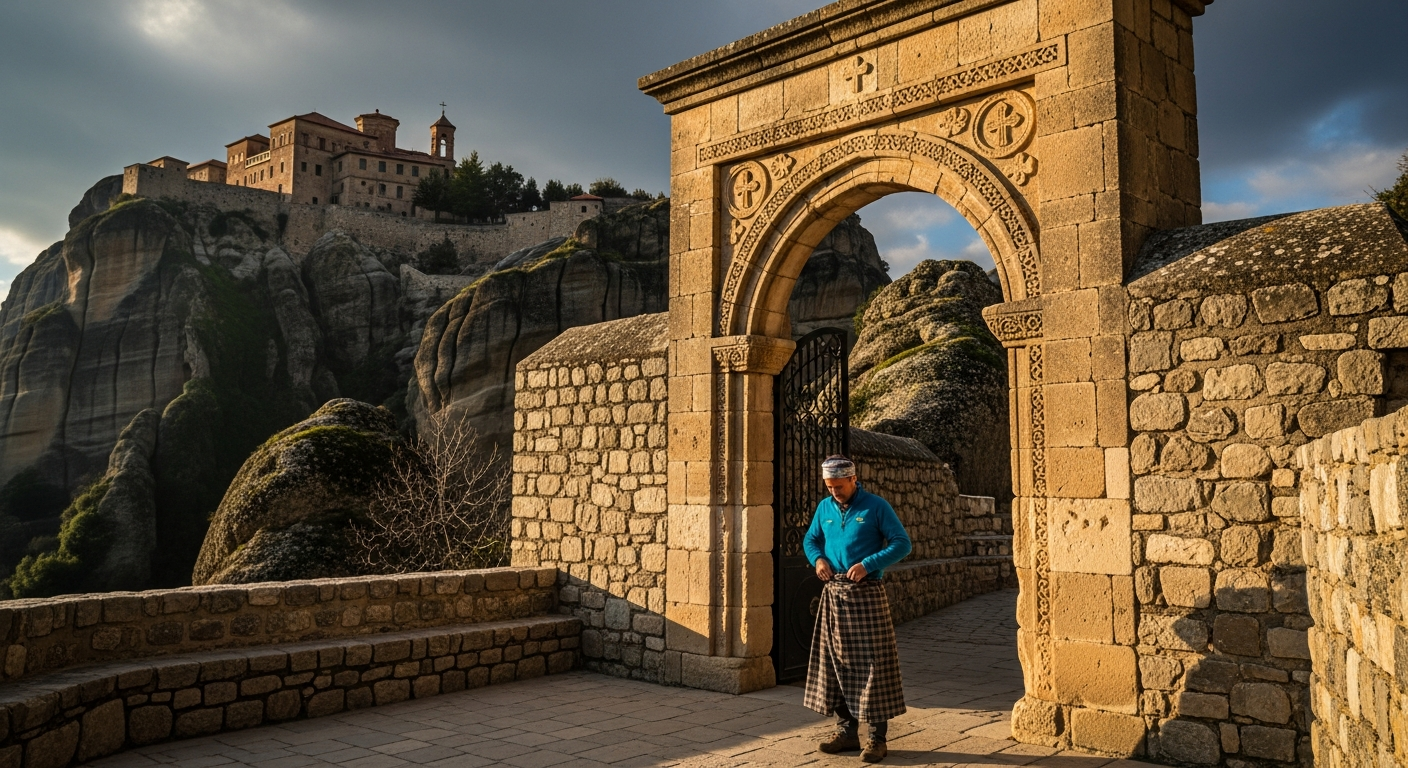
Nuns operate the beautiful Roussanou Monastery. It offers stunning views and is known for its accessibility. The nuns are very kind but also firm about the Meteora Monasteries Dress Code and Visiting Guidelines – Lonely Planet. They provide skirts and shawls at the entrance for all who need them. Because this monastery is smaller, the process is usually quick and straightforward.
St. Stephen’s Monastery
St. Stephen’s is the most accessible monastery, with no steep steps to climb. This makes it a popular choice for many visitors. Like Roussanou, it is a convent run by nuns who ensure the dress code is respected. They offer plenty of wraps and skirts for visitors, making it easy to cover up if you arrive unprepared. Its easy access means it can get crowded, so having your own covering is still a convenient option.
Holy Trinity Monastery
Famous for its appearance in a James Bond film, the Holy Trinity Monastery requires a strenuous climb. The long staircase and cable car ride are part of the adventure. Because of the difficult access, you definitely want to arrive prepared. Forgetting your covering would mean a long trip back down. While they do provide wraps, it is far better to bring your own for this particular visit.
St. Nicholas Anapafsas Monastery
Perched dramatically on its solitary rock pillar, this particular monastery offers a uniquely intimate and profound experience for visitors. Unlike some of its larger counterparts, its more compact design and stunning, isolated location create an immediate sense of reverence and closeness to the monastic way of life.
Adhering to the Meteora Dress Code: What You Need to Know
While the monastery itself is smaller, the Meteora dress code remains consistently applied across all active monasteries. Understanding and respecting these guidelines is paramount for a seamless and meaningful visit:
- For Women:
- Shoulders must be completely covered. This means no sleeveless tops, tank tops, or spaghetti straps.
- Skirts or dresses must extend below the knee. Trousers, shorts, and capris are generally not permitted for women.
- For Men:
- Long trousers are required. Shorts of any length are considered inappropriate.
- Shoulders must be covered. Sleeveless shirts or tank tops are not allowed.
These guidelines are not merely arbitrary rules but are deeply rooted in the sacred traditions of the Greek Orthodox Church, reflecting a commitment to modesty and respect within holy spaces.
Convenience at Your Fingertips: Wraps and Shawls
Recognizing that many travelers may not arrive fully prepared, this monastery, like others, offers a helpful solution:
- Complimentary Wraps: At the entrance, visitors will find a selection of wraps and long skirts available for loan. These are typically simple, practical garments designed to cover bare shoulders and legs.
- Easy Access: This thoughtful provision ensures that everyone has the opportunity to enter and experience the monastery, even if their personal attire doesn’t strictly meet the requirements.
- A Small Gesture: While usually free, visitors often find it courteous to return the wraps promptly after their visit.
The Intimate Atmosphere Amplifies Respect
The monastery’s smaller footprint and breathtaking setting on a narrow rock pillar contribute significantly to its intimate atmosphere. Within these more confined, sacred walls, the act of adhering to the dress code feels even more meaningful:
- It fosters a deeper connection to the spiritual sanctity of the space.
- It demonstrates a personal commitment to honoring the monks’ traditions and their centuries-old way of life.
- It ensures a more harmonious environment for all visitors, free from distractions or perceived disrespect.
Beyond the Rules: Acknowledging Monastic Appreciation
The monks who call these ancient cloisters home genuinely appreciate the effort visitors make to respect their sacred space. This adherence is seen as more than just following a rule; it’s an acknowledgment of the profound spiritual heritage of Meteora.
- Mutual Respect: Your mindful attire signals an understanding and reverence for their monastic community.
- Positive Experience: Adhering to the code helps maintain the solemnity and peacefulness of the monastery, enhancing the experience for both residents and guests alike.
- A Welcome Gesture: A properly dressed visitor is a welcome visitor, contributing to the serene and contemplative atmosphere that defines the extraordinary monasteries of Meteora.
What to Pack: Your Dress Code Checklist
Planning your outfit in advance removes any stress from your visit. Meteora Monasteries – Official Greek Travel Pages A little preparation ensures you are comfortable, cool, and compliant with the rules.
Recommended for Women:
- A long, lightweight skirt or maxi dress: This is the easiest option. A flowing skirt will keep you cool in the Greek sun.
- A large scarf or pashmina: This is a versatile item. You can use it to cover your shoulders or tie it around your waist as a makeshift skirt over shorts or pants.
- A loose-fitting t-shirt or blouse: Choose something with short or long sleeves to keep your shoulders covered.
Recommended for Men:
- Lightweight trousers: Linen or cotton pants are ideal for staying cool and comfortable. Meteora Monasteries – Lonely Planet * A short-sleeved shirt: A simple t-shirt or polo shirt is perfect.
- Shorts, miniskirts, or short dresses.
- Tank tops, sleeveless shirts, or crop tops.
- Leggings or tight-fitting athletic wear.
Visitor preparedness varies, but local guides often note that many tourists rely on the provided wraps.
Beyond Clothing: General Monastery Etiquette
Respect at Meteora Monasteries – UNESCO World Heritage Centre goes beyond your attire. To fully appreciate the serene atmosphere, you should follow a few additional guidelines. First, speak in a quiet and respectful tone. These are active places of worship, and loud conversations can be disruptive. Furthermore, check the rules on photography before you enter. Most monasteries prohibit flash photography inside the chapels to protect the ancient frescoes. Finally, always be mindful of the monks and nuns. Avoid taking their pictures without permission and give them space as they go about their daily lives. By following these simple etiquette tips, you contribute to the peaceful and sacred environment of Meteora.