

We eloped on a Tuesday with three friends and a bottle of champagne, telling ourselves the real trip would come later. “Later” arrived 18 months after our wedding when we finally stopped waiting for the perfect time and booked two weeks in Rome. What we found there had nothing to do with the glossy images we’d pinned to a vision board — it was messier, louder, and so much more delicious than we ever expected. The tourist traps near the Colosseum nearly derailed us on day one, but once a neighbor pointed us down a side street toward a place with no English menu and plastic chairs, we understood what this city was actually about. This guide is everything we wish we’d known before that first meal — how to eat like a real Roman, from a perfect morning cappuccino standing at a bar to a late-night gelato that will quietly ruin every other gelato for the rest of your life.
What I Recommend
When you’re navigating Rome’s winding streets to find that hidden trattoria, a reliable travel adapter keeps your phone charged so you can actually use Google Maps (or at least pretend you know where you’re going). I’ve learned the hard way that European outlets are no joke, and nothing ruins a culinary adventure faster than a dead battery.
Grab a European SIM card before you arrive so you can stay connected without racking up international roaming charges. Trust me, you’ll want to be able to call ahead to restaurants, share your food photos with envy-stricken friends back home, and ask locals for directions when you inevitably get lost in Trastevere.
A good travel guidebook is invaluable for understanding Rome’s food culture beyond what any blog post (including this one!) can offer. I always pack a solid reference guide to read up on the history of cacio e pepe or the neighborhoods worth exploring for authentic eats.
Don’t underestimate the Italian sun, especially if you’re spending your days wandering between food markets and outdoor dining spots. Neutrogena Sunscreen Lotion Beach Defense SPF 70 won’t ruin your appetite or feel greasy under the Tuscan heat, and it’s compact enough to toss in your bag for reapplication after meals.
Pack an inflatable travel neck pillow for your flight to Rome so you actually arrive rested and ready to eat your way through the city. There’s nothing worse than being too exhausted to appreciate a perfect plate of pasta carbonara.
The 8-Person Pasta Class That Made Me Actually Understand Roman Food
I’d already written off cooking classes as tourist traps until I found myself elbow-deep in cacio e pepe dough in a Prati apartment with seven other people and a 70-year-old nonna named Giuliana who absolutely judged my technique. I booked both that class and a Trastevere evening food tour through KKday specifically because every other platform I checked — GetYourGuide, Viator — only listed large-group versions with 20-plus people. KKday had the same experiences capped at eight to ten guests, which meant Giuliana actually watched me add the pasta water and sighed in a way that felt genuinely personal.
The food tour came in around €65 and hit six stops including a suppli spot that had no English signage whatsoever, which felt like a reasonable proof of concept. Booking was straightforward — mobile voucher, no printer required, confirmation within a few hours. If you’re building out a Rome itinerary and want experiences that don’t feel like you’re being processed through a conveyor belt, it’s worth checking KKday before you default to the bigger names.
As an Amazon Associate, I earn from qualifying purchases.
Understanding Authentic Roman Food
Roman cuisine, or cucina romana, is beautifully straightforward. It relies on fresh, seasonal ingredients from the surrounding Lazio region. Chefs build dishes around a few high-quality components. This food is not complicated; it is profound. You will find hearty, flavorful dishes rooted in peasant traditions, known as cucina povera. This means chefs waste nothing and transform simple ingredients into masterpieces.
Key ingredients include guanciale (cured pork jowl), Pecorino Romano cheese, seasonal vegetables like artichokes, and fresh pasta. Unlike in other parts of Italy, butter and cream rarely appear. Instead, Romans favor olive oil and animal fats for richness. Understanding this philosophy is the first step to appreciating an authentic meal. The emphasis on simplicity and quality is a core tenet of Italian food culture. Source. Roman Breakfast: A Guide to Starting Your Day in Rome
Starting Your Day: La Colazione
A Roman breakfast is a quick, stand-up affair. Locals typically head to their neighborhood bar (which is a café, not a pub). They order a cappuccino or an espresso and a pastry, known as a cornetto. You eat it standing at the counter. Sitting at a table often costs extra, so do as the Romans do and enjoy your coffee at the bar.
The cornetto is Italy’s version of a croissant. It can be plain (semplice), or filled with cream (crema), jam (marmellata), or chocolate (cioccolato). This simple ritual fuels the city. It is an essential cultural experience. Forget the big, American-style breakfast. Embrace the elegant simplicity of a coffee and pastry to start your day authentically.
Midday Meals: Pizza, Pasta, and Panini
Lunch in Rome offers a variety of delicious options, from a quick slice on the go to a leisurely sit-down meal. Your choice depends on your schedule and appetite. Both paths lead to incredible food if you know where to look.
The Joy of Pizza al Taglio
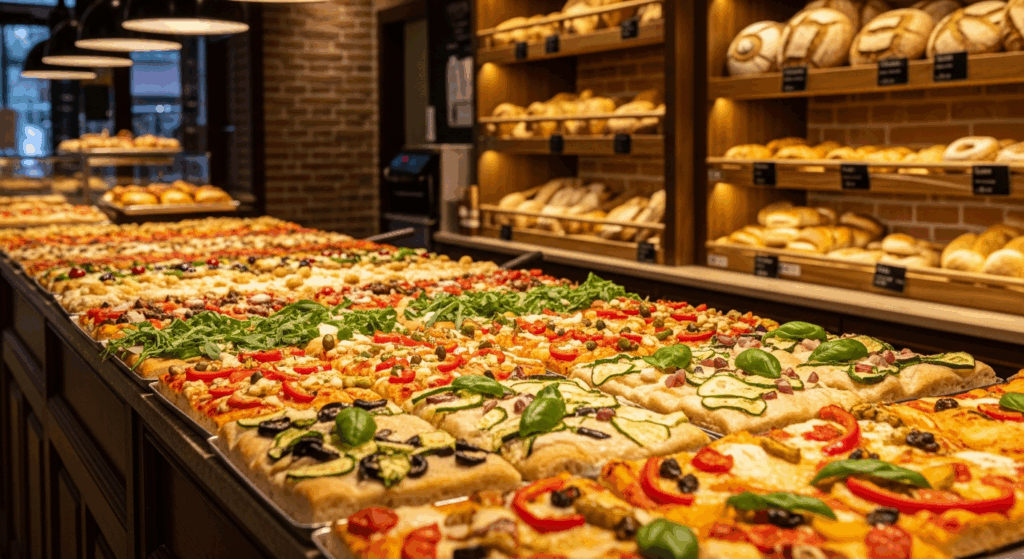
Pizza al taglio, or pizza by the slice, is a Roman institution. Unlike round Neapolitan pizzas, these are baked in large rectangular trays. You choose your toppings, and the vendor cuts a piece for you with scissors. They weigh the slice to determine the price. This makes it a perfect, affordable, and fast lunch.
Toppings range from the simple pizza bianca (olive oil and salt) and pizza rossa (tomato sauce) to more elaborate combinations with prosciutto, mushrooms, or seasonal vegetables. Look for bakeries (forni) or dedicated pizzerias with long counters displaying the different options. It’s a fantastic way to sample multiple flavors without committing to a whole pie. Pizza al taglio in Rome
. Best Trattorias in Rome – Rick Steves Travel Guide
The Classic Trattoria Experience
For a more substantial lunch, find a traditional trattoria or osteria. These family-run eateries serve classic Roman dishes in a rustic, welcoming atmosphere. Here, you can dive into Rome’s legendary pasta dishes. While all four are beloved, local tastes often vary. For example, some surveys suggest a slight preference for the rich flavors of Carbonara and Amatriciana over the others. The 4 Classic Roman Pasta Dishes You Must Try – Walks of Italy
. The Four Classic Roman Pasta Dishes – Lonely Planet
Here are the four pastas you absolutely must try:
- Carbonara: A rich sauce of egg yolks, guanciale, Pecorino Romano, and black pepper. Authentic carbonara never contains cream.
- Cacio e Pepe: A masterpiece of simplicity. It features Pecorino Romano cheese, black pepper, and starchy pasta water to create a creamy sauce.
- Amatriciana: A savory tomato sauce with guanciale and a hint of chili, finished with Pecorino Romano.
- Gricia: Often called the ancestor of Amatriciana. It is essentially Amatriciana without the tomatoes, focusing on the delicious combination of guanciale and pecorino. The Best Pasta in Rome: Where to Eat Carbonara, Cacio e Pepe & More
A Roman Dinner: Taking Your Time
Dinner, or cena, is a more prolonged and social affair. Romans typically eat late, often starting around 8:30 PM or later. While pasta is still a popular choice, dinner is also a time to explore main courses, known as secondi. These dishes showcase classic Roman butchery and cooking techniques.
Look for Saltimbocca alla Romana, which features thin veal cutlets topped with prosciutto and sage, cooked in white wine. Another classic is Coda alla Vaccinara, a hearty oxtail stew braised for hours in a tomato and vegetable sauce. For side dishes, or contorni, try the seasonal vegetables. Carciofi alla Romana (braised artichokes) and Carciofi alla Giudia (deep-fried artichokes) are local specialties you cannot miss when they are in season. Traditional Roman Cuisine – Lonely Planet
Essential Dinner Tips
Making a reservation is highly recommended, especially for popular restaurants or on weekends. Many authentic spots are small and fill up quickly. Also, remember that water and bread are not always free. You will usually be asked if you want still (naturale) or sparkling (frizzante) water, and a small cover charge (coperto) that includes bread is common. Best Gelato in Rome: A Local’s Guide to Authentic Gelaterias
Finding Authentic Gelato
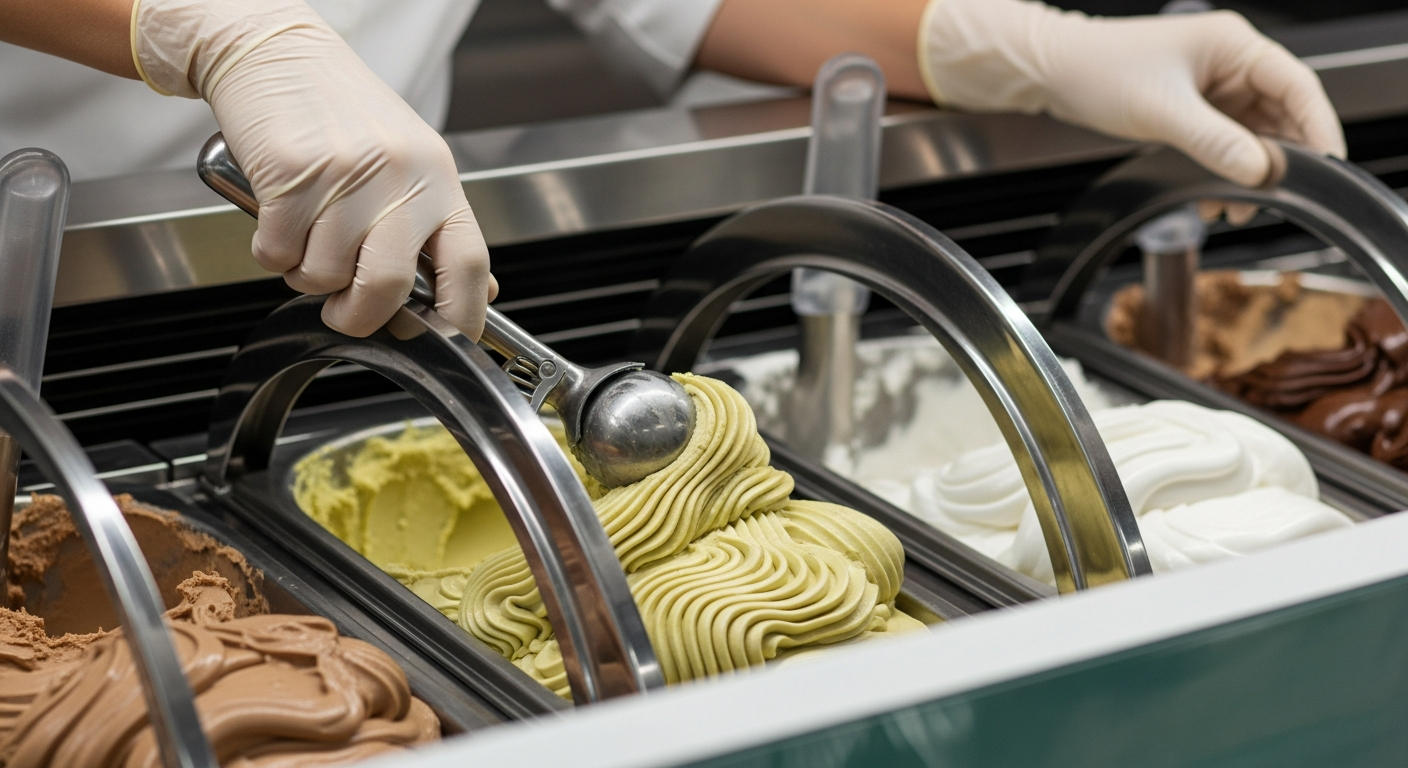
No trip to Rome is complete without gelato. However, not all gelato is created equal. To avoid tourist traps, look for a few key signs of quality. First, check the colors. Artisanal gelato made with natural ingredients will have muted, natural colors. For instance, pistachio should be a pale green-brown, not a bright, artificial green. Lemon should be white, not bright yellow.
Second, observe how the gelato is stored. The best gelaterie keep their product in covered metal containers. Avoid places where the gelato is piled high in fluffy mounds. This display technique requires emulsifiers and a higher temperature, which compromises the texture and flavor. Finally, look for seasonal fruit flavors. A shop offering strawberry gelato in December is likely using artificial flavorings. How to Find the Best Gelato in Rome: A Local’s Guide
. How to Avoid Tourist Traps in Rome – Complete Guide
How to Avoid Tourist Traps
Finding authentic food is the ultimate goal. Here are a few simple rules to help you dine like a local.
- Check the Menu: If the menu is translated into six different languages and features pictures for every dish, it is likely targeting tourists. A menu primarily in Italian is a much better sign.
- Location Matters: Restaurants located directly on the main piazza in front of a major monument often rely on location, not quality. Walk just a few blocks away from the main attractions. You will find better food at more reasonable prices.
- Look for Locals: Peek inside. Is the restaurant filled with Italian speakers, or is it exclusively tourists? If locals are eating there, it is a strong endorsement of the food’s quality and authenticity.
- Avoid Pushy Hosts: A restaurant with a host outside trying to lure you in is a major red flag. Good restaurants do not need to solicit customers from the street; their reputation speaks for itself. Eating in Rome – Rick Steves Europe