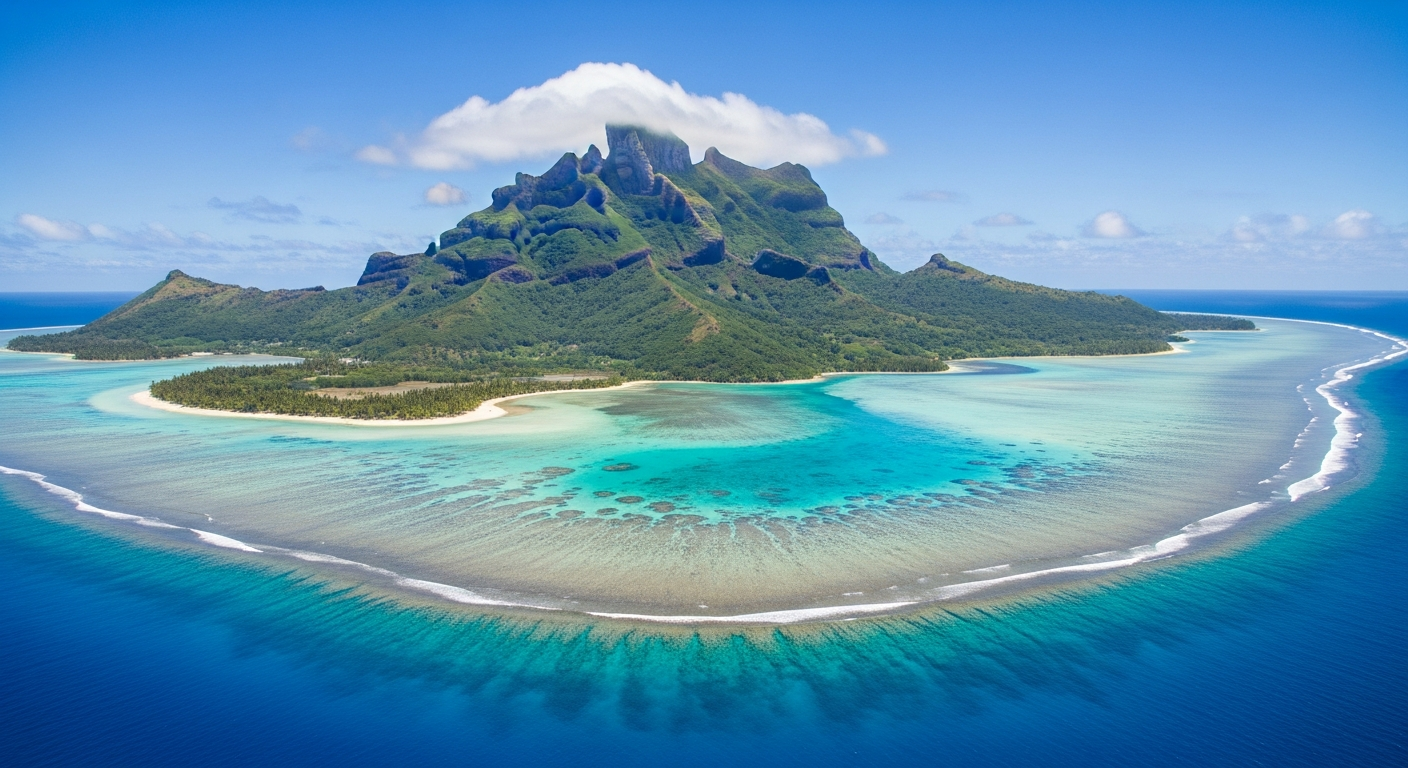
I booked this trip at 11pm on a Tuesday after a meeting where someone used the phrase “synergize our deliverables” for the third time in an hour — my corporate brain needed an escape hatch, fast. Within twenty minutes I had a one-way search pulled up for Bora Bora, French Polynesia, and within twenty more I had committed to the kind of overwater bungalow where colorful fish drift lazily beneath a glass floor panel while you drink your morning coffee. I won’t pretend the planning process was effortless — getting to this tiny island in the South Pacific takes real logistics — but the payoff of waking up suspended over that impossible shade of turquoise is, without question, worth every spreadsheet. This guide is everything I wish I’d had on that Tuesday night: a clear, practical breakdown of how to actually pull off a trip to the jewel of the South Pacific, from budgeting and flights to the best experiences once you’re there.
What I Recommend
Bora Bora’s sun is no joke—I learned this the hard way on my first visit. Stream 2 Sea’s biodegradable reef-safe sunscreen is my go-to because it actually protects your skin without damaging the coral you came to admire. The formula is non-greasy (which matters in tropical humidity) and it won’t leave you feeling like a greased-up tourist.
You’ll be snorkeling, swimming, and wading through lagoons constantly in Bora Bora, which is why UV-protection sunglasses are essential. The water reflects the sun intensely, and protecting your eyes during all those underwater adventures will save you from serious discomfort later. I never leave home without a solid pair.
A waterproof phone pouch is genuinely non-negotiable for Bora Bora—you’ll want your phone for photos during boat tours and lagoon swims, but saltwater and sand are phone assassins. The two-pack is perfect because one goes on your person and the other stays at your bungalow as backup.
Those beautiful turquoise waters hide sharp coral and rocky areas, so water shoes with good grip will protect your feet and let you explore without worry. Trust me, a coral cut can derail your entire trip faster than any flight delay.
Finally, pack packing cubes to maximize luggage space for beach gear and souvenirs—Bora Bora is worth bringing home some memories, and these compress everything efficiently without the wrinkles. They’ve saved me from overweight luggage fees more times than I can count.
As an Amazon Associate, I earn from qualifying purchases.
The Time I Screamed Into My Snorkel While a Blacktip Reef Shark Swam Directly Under Me
Our guide, Manutea, had the kind of calm that only comes from spending your entire life on the water. Within five minutes of pushing off from shore in the outrigger canoe, he was already pointing out coral formations below us through water so clear it looked fake — like someone had poured blue Gatorade over a fish tank. He explained that the lagoon we were paddling through has been a sacred resource for Polynesians for over a thousand years, and that the motu we’d be lunching on later was once used by ancient Tahitians to dry fish and store food between fishing voyages. The more he talked, the more I realized I’d been completely underestimating this place. Then he handed me a snorkel mask and told me to jump in near the eagle rays, and all that cultural appreciation dissolved into pure adrenaline.
The rays were extraordinary — silent, wingspan-wide, gliding past like they owned the place (they do). The blacktip reef sharks were smaller than I expected, maybe four feet long, and genuinely unbothered by our presence. Manutea told us the sharks are so accustomed to humans that they’ve been studied as a kind of barometer for lagoon health — if they stop showing up, something’s wrong with the ecosystem. Interesting! Educational! And then one drifted directly under me and I made a noise that I can only describe as a goose being sat on, audible through my snorkel, which the entire group heard because sound travels in water. Manutea didn’t even try to hide his grin. Midway through the stingray feeding — which was soft and surreal, like petting a wet velvet pancake — he was still doing an impression of me. Fair enough, honestly. The stingrays, he mentioned, are fed by hand so regularly that they’ve become a kind of unofficial welcome committee for the lagoon.
Lunch on the motu was grilled fish, fresh fruit, and rice eaten barefoot on white sand with nothing around you but water in every direction. It should feel touristy. It doesn’t. If you want to do something similar, browse similar Bora Bora tours on Viator — look for anything that combines snorkeling, stingray feeding, and a motu lunch, and make sure your guide has Manutea’s energy. That combo is the single best half-day you can spend here, screaming into snorkels included.
When is the Best Time to Visit?
Timing your trip to Bora Bora is crucial for the best experience. The island has two main seasons: the dry season and the wet season. The dry season, which runs from May to October, is widely considered the best time to go. During these months, you can expect sunny skies, lower humidity, and pleasant temperatures. This makes it perfect for snorkeling, sunbathing, and exploring the island. However, this is also the peak tourist season. Therefore, you should book flights and accommodations well in advance to secure better prices.
Conversely, the wet season lasts from November to April. This period sees more rainfall, higher humidity, and a greater chance of storms. While you might find better deals on travel, the weather can be unpredictable. January and February typically experience the most rain. If you don’t mind occasional showers and want to save money, the shoulder months of April, May, and November offer a great balance. They provide good weather with fewer crowds than the peak summer months.
. Getting to Bora Bora – Air Tahiti Nui Official Guide
Getting to Your Island Paradise
Reaching Bora Bora requires a bit of a journey, but the destination is worth every mile. Most international travelers first fly into Faa’a International Airport (PPT) in Papeete, on the main island of Tahiti. Major airlines like Air France, Air Tahiti Nui, and United Airlines offer direct flights from cities like Los Angeles, San Francisco, and Paris. From Papeete, you will take a short, scenic domestic flight to Bora Bora Airport (BOB). Air Tahiti operates these inter-island flights frequently throughout the day.
Pro Travel Tip
When booking your flight from Tahiti to Bora Bora, try to get a seat on the left side of the plane. This vantage point often provides the most breathtaking first views of Bora Bora’s iconic lagoon and Mount Otemanu as you descend. It’s a photo opportunity you won’t want to miss. The flight itself is an incredible part of the experience, offering stunning aerial perspectives of the surrounding atolls and islands. Finally, upon arrival at the Bora Bora airport, which is on its own small islet (motu), your resort will typically arrange a boat transfer to take you to your final destination.
Essential Travel Information
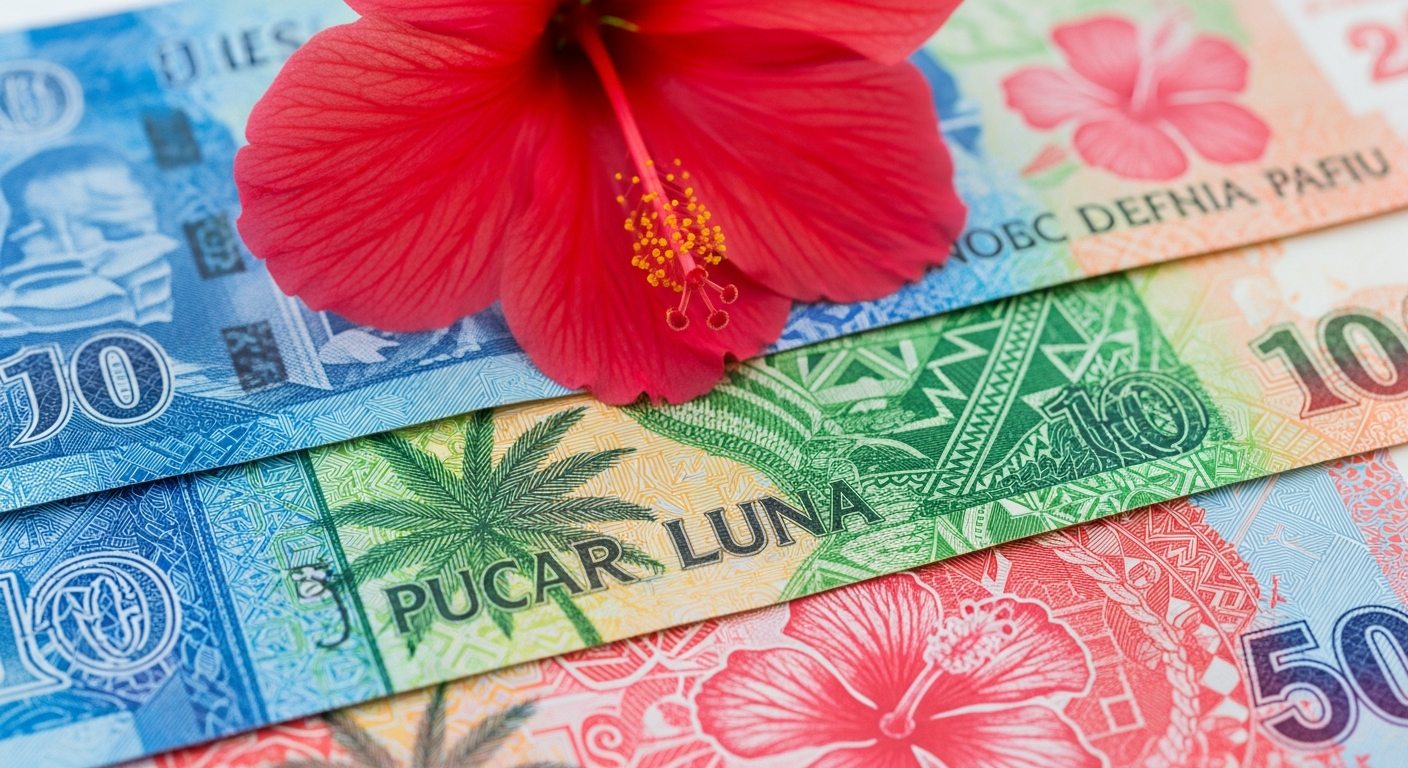
Before you pack your bags, you should know a few practical details. Bora Bora is part of French Polynesia, an overseas collectivity of France. Therefore, the official currency is the French Pacific Franc (XPF). While US dollars and Euros are sometimes accepted in major resorts, it is wise to use the local currency for better exchange rates, especially in smaller shops and restaurants. You can exchange money at the airport or withdraw XPF from ATMs in the main town of Vaitape.
The official languages are French and Tahitian. However, English is widely spoken in hotels, restaurants, and tourist areas, so communication is generally easy for visitors. Regarding entry requirements, citizens of the United States, Canada, and the European Union do not need a visa for stays up to 90 days. Always check the latest visa regulations for your specific nationality before traveling, as rules can change. Source
Where to Stay: From Ultimate Luxury to Charming Pensions
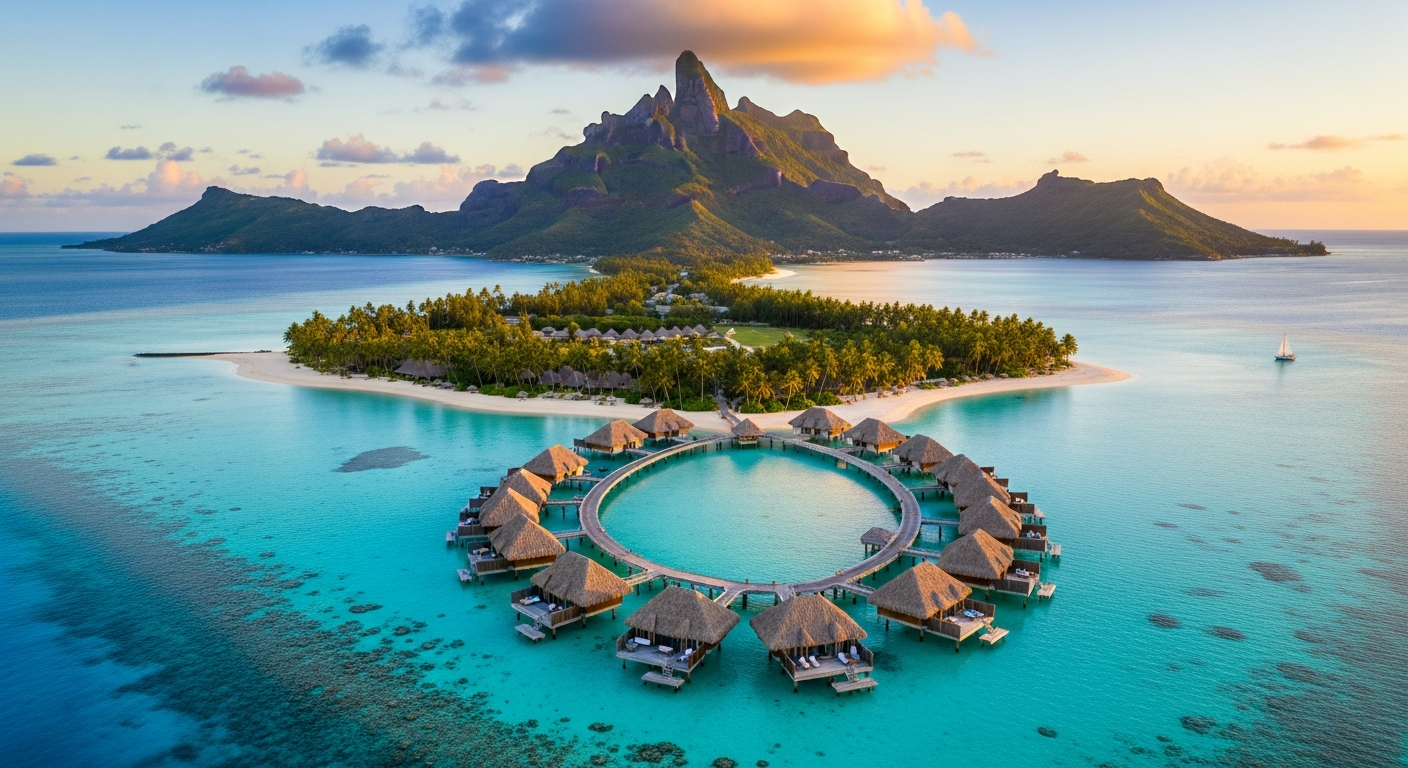
Bora Bora is famous for its luxurious accommodations, particularly the iconic overwater bungalows. These stilted huts offer direct access to the lagoon, private decks, and often feature glass floor panels for viewing marine life. Resorts like The St. Regis, Four Seasons, and Conrad Bora Bora Nui define this luxury experience. They provide world-class service, gourmet dining, and stunning spas. For a truly unforgettable romantic getaway or honeymoon, an overwater bungalow is the ultimate splurge.
Beyond the Bungalow
If an overwater bungalow isn’t in your budget, don’t worry. The island offers other fantastic options. Many resorts also have beautiful beachfront villas or garden suites that provide a luxurious stay at a slightly lower price point. For more budget-conscious travelers, exploring local guesthouses, known as pensions, is a great choice. These family-run accommodations offer a more authentic Polynesian experience. You can find them on the main island, providing a chance to interact with locals and explore Vaitape village. Additionally, vacation rentals are becoming more popular, offering kitchens and more space for families or groups.
Must-Do Activities in Bora Bora
While relaxation is a primary goal, Bora Bora offers a wealth of adventure. The lagoon is the star of the show. You absolutely must explore its underwater world. Countless tour operators offer snorkeling and diving excursions. You can swim with graceful manta rays, friendly reef sharks, and a vibrant array of tropical fish in the famous Coral Gardens. Many tours include a traditional motu picnic, where you can enjoy fresh, grilled seafood on a secluded islet.
Land and Culture
Beyond the water, Bora Bora Island Guide – Lonely Planet’s main island has plenty to discover. You can rent a car or scooter to circumnavigate the 20-mile coastal road. For a more rugged adventure, take a 4×4 tour into the island’s lush interior. These tours often take you to historical sites and viewpoints offering panoramic vistas of the lagoon. Hiking is another popular activity. While climbing the sheer cliffs of Mount Otemanu is reserved for expert climbers, a guided hike up the smaller Mount Pahia offers incredible rewards. Finally, immerse yourself in the local culture by visiting Vaitape, browsing the market for black pearls and vanilla, and enjoying a traditional Polynesian dance show.