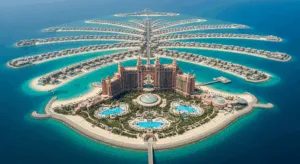
Here’s the myth I want to dismantle right away: Dubai is not one glittering hotel strip with a skyline photo op attached, and treating it that way is the single costliest assumption first-timers bring with them. I know because I made every “responsible” choice in life — high school, college, straight into a career — and didn’t stop to ask why I’d wanted to see the world since I was 17 until I hit 32. Dubai became one of the first places I quit *planning to visit* and actually booked, and nothing braced me for a city where centuries-old souks sit literally in the shadow of the planet’s tallest building. What became obvious fast is that Dubai splinters into a dozen distinct neighborhoods, each running its own rhythm, price bracket, and personality — and your choice of base changes the entire shape of the trip. Below, I’ve broken down the areas worth actually considering, matched to the kind of trip you’re hoping to have.
Why Neighborhood Choice Matters in Dubai
The classic rookie move is booking whatever hotel comes up cheapest without a second thought to where it sits on the map. Given how Dubai sprawls, that shortcut backfires — not only on your wallet but on your energy and your schedule. This is a city covering roughly 2,000 square kilometers, where two neighborhoods that appear neighborly on Google Maps can actually be a 45-minute haul apart by car or Metro. My own first two days were spent shuttling by taxi between spots I’d assumed were an easy stroll, torching both cash and precious vacation hours in the process.
Each area covered here serves an entirely different traveler. Certain neighborhoods cater to tight budgets, others to travelers who want five-star everything. Some drop you steps from the sand, others near the museums and old quarters. Some let you ditch transit altogether and walk, while others demand you master the Metro or lean on rideshares. Understand what each district is actually *built for*, and the decision practically makes itself.
Why You’ll Burn Through Your Phone Battery Faster in Dubai (And What Actually Helps)
Combine unforgiving sun, constant back-and-forth navigation between far-flung districts, and the fact that Dubai’s standout moments almost all happen outside, and you get a city that drains phones faster than anywhere else I’ve traveled. I discovered this the rough way partway through my first day — dead GPS, dead phone, stranded in a souk with zero clue how to find my hotel again.
It only gets worse once you’re bouncing between several neighborhoods in the same day. Your phone is juggling GPS, maps, ride-hailing apps, translation, and photos all at once — frequently in 40-degree heat that forces the battery to work overtime just to keep functioning at all.
What works
- It genuinely carries enough charge to survive a full day of hopping between neighborhoods without needing an outlet — I squeezed two complete phone charges out of a single battery.
- Compact enough that it won’t bulk up a daypack, which counts for something when you’re covering Old Town and the Marina in the same stretch.
- Charges fast enough that a 20-minute coffee stop is all it takes to push you through to dinner.
What doesn’t
- It heats up in the Dubai sun, which is alarming the first time it happens and makes you second-guess whether it’s still safe to plug in.
- You will forget to charge it overnight if you’re someone who face-plants into bed after a full day of walking, so recharging has to become part of your nightly routine on purpose.
By day three I nearly wrote it off, convinced the heat had fried it for good — but it worked flawlessly again after an hour cooling in the shade. If more than one neighborhood a day is on your agenda, pick up a portable power bank. I mean it — treat this as required gear for Dubai, not an accessory.
The 7 Best Neighborhoods to Stay In
1. Al Fahidi (Old Town)
This is the one pocket of Dubai that actually reads as historic. Wind towers built for natural cooling, tight alleyways, art galleries, and the Gold Souk combine into an atmosphere with real Middle Eastern character instead of glass-and-steel modernity. Rooms here undercut the rest of the city on price, and both the Spice Souk and the textile stalls are a short walk off. The catch: it runs hot, gets crowded once evening hits, and has none of the beachfront or contemporary conveniences you’ll find in the newer districts.
2. Dubai Marina
This is the Dubai of the postcards — soaring towers, waterside promenades, restaurants overlooking the water, yacht clubs lined up along the marina. It’s easy to walk, reasonably safe, and stacked with places to eat and drink after dark. The tradeoff is cost, plus an atmosphere that leans more corporate than local. You come here for polish and convenience, not to stumble onto some “authentic” side of the city.
3. Jumeirah
This is beach territory — high-end hotels, the Jumeirah Mosque, and honest-to-goodness sand. It’s calmer than the Marina and edges closer to a more natural version of Dubai, if that distinction matters to you. Prices stay high, and you’ll need a car or rideshare to reach the souks or historic sites, but the beach alone earns it a spot on your list if the budget stretches that far.
4. Deira
Dubai’s original trading district, now known for budget-friendly stays, genuinely good Indian food, and its own Gold Souk. Expect it rougher around the edges and a lot less polished than the Marina or Jumeirah, but also far kinder to your wallet. This is the neighborhood for anyone curious how ordinary residents actually live day to day — just know that cleanliness and English fluency vary widely from one spot to the next.
5. Bur Dubai
Positioned between Old Town and the waterfront, this area splits the difference — a bit of history, a bit of modern comfort, and prices that stay reasonable. It holds the Bastakiya Quarter, several museums, and abra boat crossings. Less overrun by tourists than Al Fahidi, yet far more interesting than a standard business district.
6. Downtown Dubai
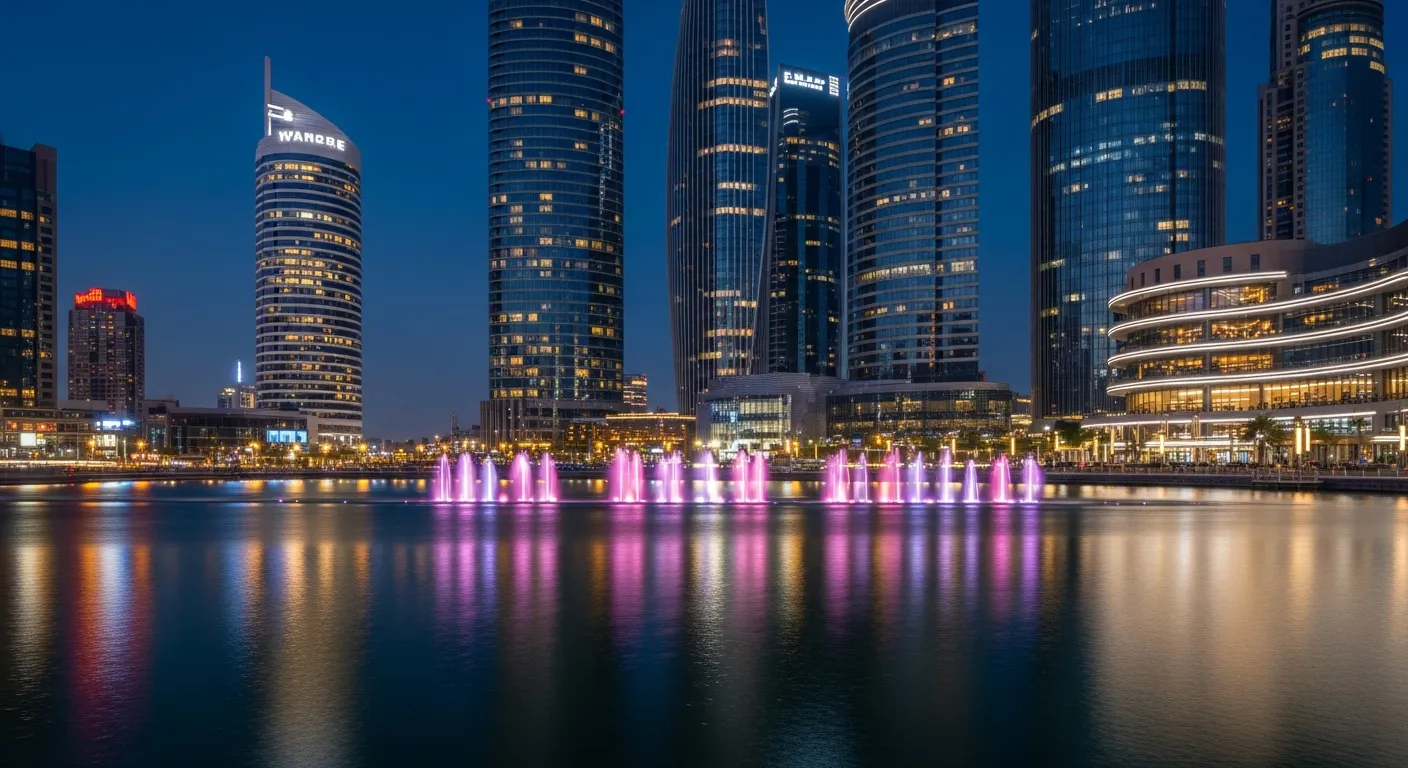
Home turf for the Burj Khalifa and the Fountain shows, and it feels engineered top to bottom for visitors. Hotel options span from luxury down to mid-range, and just about everything sits within walking distance. If your priority is convenience and hitting the iconic Dubai checklist without overthinking logistics, this delivers. It’s also where chain restaurants and international brand names cluster most densely.
7. Al Barsha
Set west of the center, close to the Mall of the Emirates and the indoor ski slope. It sees far fewer tourists than the other entries here, making it a solid pick if you want neighborhoods where locals genuinely shop and eat. It’s cheaper than the Marina and gives you a leg up reaching inland attractions like desert safaris — the tradeoff being a longer trip to any beach.
Two neighborhoods that appear close on Google Maps can actually be a 45-minute haul apart by car or Metro. Dubai covers roughly 2,000 square kilometers, so choosing your base neighborhood wisely saves both cash and vacation hours otherwise spent shuttling between distant districts. Al Fahidi, also called Old Town, undercuts the rest of the city on price. It’s the one pocket of Dubai that reads as historic, with wind towers, tight alleyways, art galleries, and the Gold Souk, plus the Spice Souk and textile stalls a short walk away. Downtown Dubai is home turf for the Burj Khalifa and Fountain shows, and just about everything sits within walking distance. Hotel options span from luxury down to mid-range, making it convenient if your priority is hitting iconic Dubai attractions without overthinking logistics. Yes. Al Barsha is set west of the center, close to the Mall of the Emirates and the indoor ski slope, and gives you a leg up reaching inland attractions like desert safaris. It’s cheaper than the Marina and sees far fewer tourists than other neighborhoods.Neighborhood Best For Price Level Key Feature Al Fahidi (Old Town) History, souks Cheapest Wind towers, Gold Souk Dubai Marina Postcards, dining High Waterside promenades Jumeirah Beach access High Sand, Jumeirah Mosque Deira Budget stays Budget-friendly Indian food, Gold Souk Bur Dubai Mixed experience Reasonable Bastakiya Quarter, museums Downtown Dubai Burj Khalifa, Fountains Luxury to mid-range Walking distance to icons Al Barsha Local vibe, safaris Cheaper than Marina Mall of the Emirates, ski slope Frequently Asked Questions
How far apart are Dubai neighborhoods by car or Metro?
Which Dubai neighborhood has the cheapest hotel rooms?
Where should I stay to visit the Burj Khalifa and Fountain shows?
Is Al Barsha close to desert safaris and the indoor ski slope?
About This Article

Written by Elena Vasquez. Elena Vasquez is a full-time traveler and the founder of Witty Passport. Over fifteen years and more than 50 countries across six continents — including a stretch spent leading groups professionally through Southeast Asia and the remote highlands of South America — she's written the kind of destination guides she always wished existed: practical, specific, and built on real experience rather than recycled itineraries. More about this site.
Scope and limits. Elena is a full-time traveler, not a licensed travel agent or immigration adviser. Entry requirements, visa rules, and advisories change without notice — always confirm against the official government source for your destination and passport before booking.
Verify this against a primary source
Specifics change, and your situation may differ from the one described here. These are the authorities worth checking directly:
- U.S. Department of State — entry requirements and travel advisories
- CDC Travelers' Health — vaccination and health notices by destination
- TSA — current carry-on and screening rules