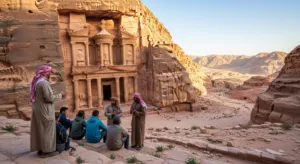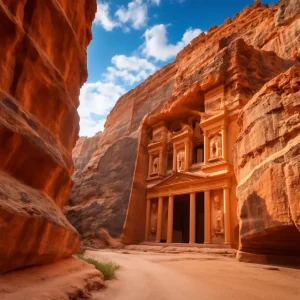
Pull up Jordan on a map and Petra sits there as one fat, confident pin surrounded by a lot of pale, unlabeled nothing — the part no search engine bothers to describe. That blank space is where the country actually gets interesting. By February I’d had enough grey pressing against my windows to feel it behind my eyes, and Jordan kept resurfacing in my late-night searches, not for the ruins I’d half-written off as another crowded UNESCO stop, but for something quieter tucked beyond them: water-carved canyons and protected wilderness that most people flying in for Petra never think to look for. I bought the tickets before I’d fully talked myself into the trip, and what waited for me was a landscape built on jarring contrast — ridgelines scorched to dust dropping, with no warning, into cool river-fed valleys that felt lifted from a completely different climate.
Past Petra: The Wild Protected Land Most Visitors Skip
Nearly everyone who lands in Jordan is chasing one thing: Petra. Fair enough — it earns the hype, and skipping it would be a mistake. But treat it as the whole trip and you’ve missed a parallel Jordan, a chain of protected reserves that show off just how varied this country’s terrain actually gets. Two weeks of wandering through it taught me the real payoff sits between the famous stops, down in valleys and canyons where you’re more likely to cross paths with an ibex than another tourist.
Jordan has set aside a handful of these reserves, each running on its own ecosystem and its own logic. What caught me off guard wasn’t only how striking they were — it was how easy they turned out to be to reach once you knew which road to take, and how rarely foreign visitors actually bother. This is the version of Jordan that pays back curiosity: hours of hiking without another soul in sight, terrain that flips from bronze to crimson to green within a single afternoon.
Wadi Mujib: A Narrower, Wetter Answer to the Grand Canyon
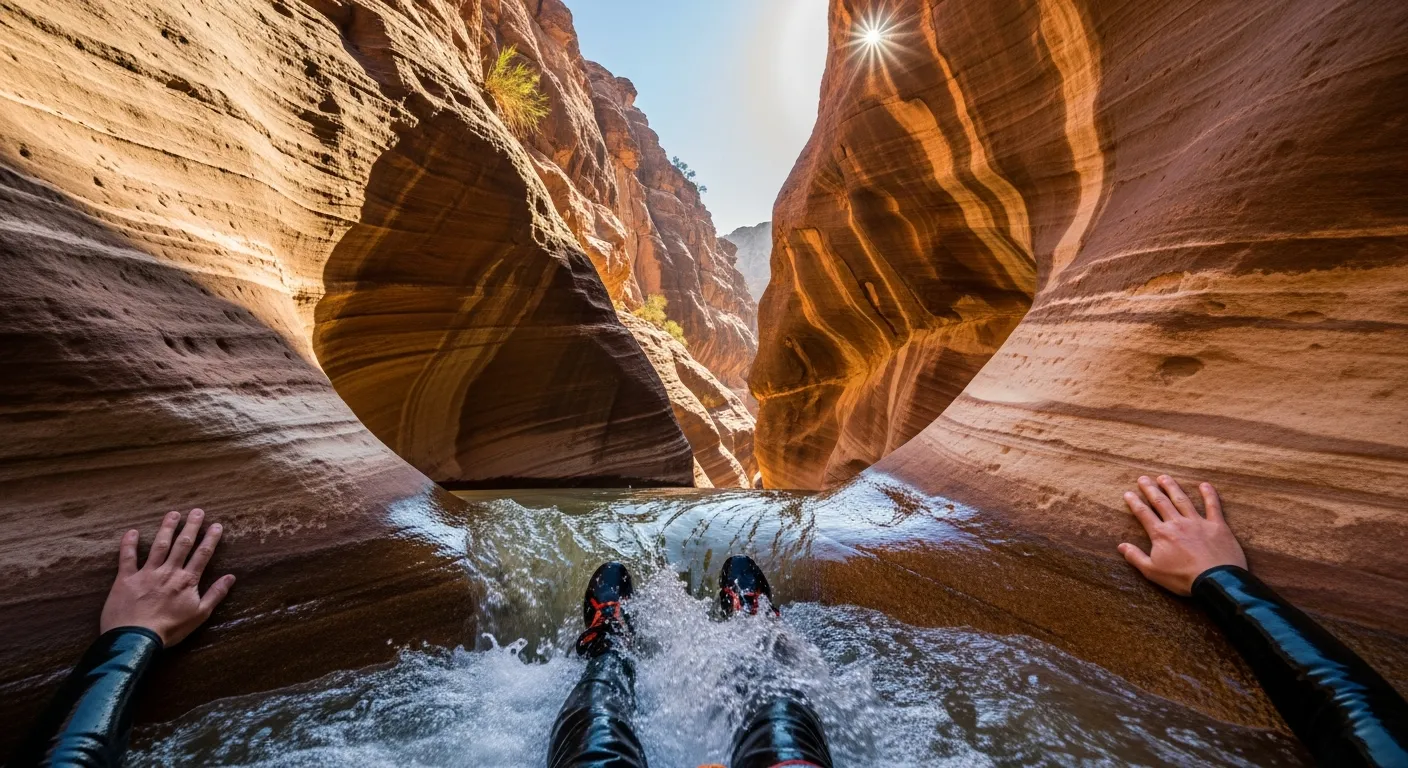
Wadi Mujib carries the official label of nature reserve, but functionally it’s the closest thing Jordan offers to a true slot-canyon adventure. The name translates roughly to “Arnon River,” and water is what drives the whole system — through winter and spring it flows steadily enough to support real hiking. You end up wading, swimming, and clambering downstream through sections where the walls climb almost straight up on either side, tight enough in places that you could touch stone with both hands at once.
There are two ways to do it: the Siq Trail, a gentler three-hour version, or the full traverse, a tougher five-to-six-hour push. I took the long route in late February with the water sitting at a moderate level, and it ranks among the most absorbing outdoor experiences I’ve had anywhere. The cold caught me off guard — enough to numb my legs within the first thirty minutes — but it also felt like relief, since almost no direct sun reaches you once you’re boxed in by canyon walls.
What sets Wadi Mujib apart from other canyons I’ve walked is the constant back-and-forth between rock and water. You’re not simply moving through stone corridors — you’re tracing a shape that centuries of flowing water carved on purpose. Some sections are worn glass-smooth, others undercut and theatrical, and every so often you’ll hit a small waterfall where ropes or natural handholds get you up and over. It demands decent fitness and a willingness to get thoroughly wet, though nothing about it qualifies as technical climbing.
Wadi Dana: Where High Desert Meets the Rift Valley
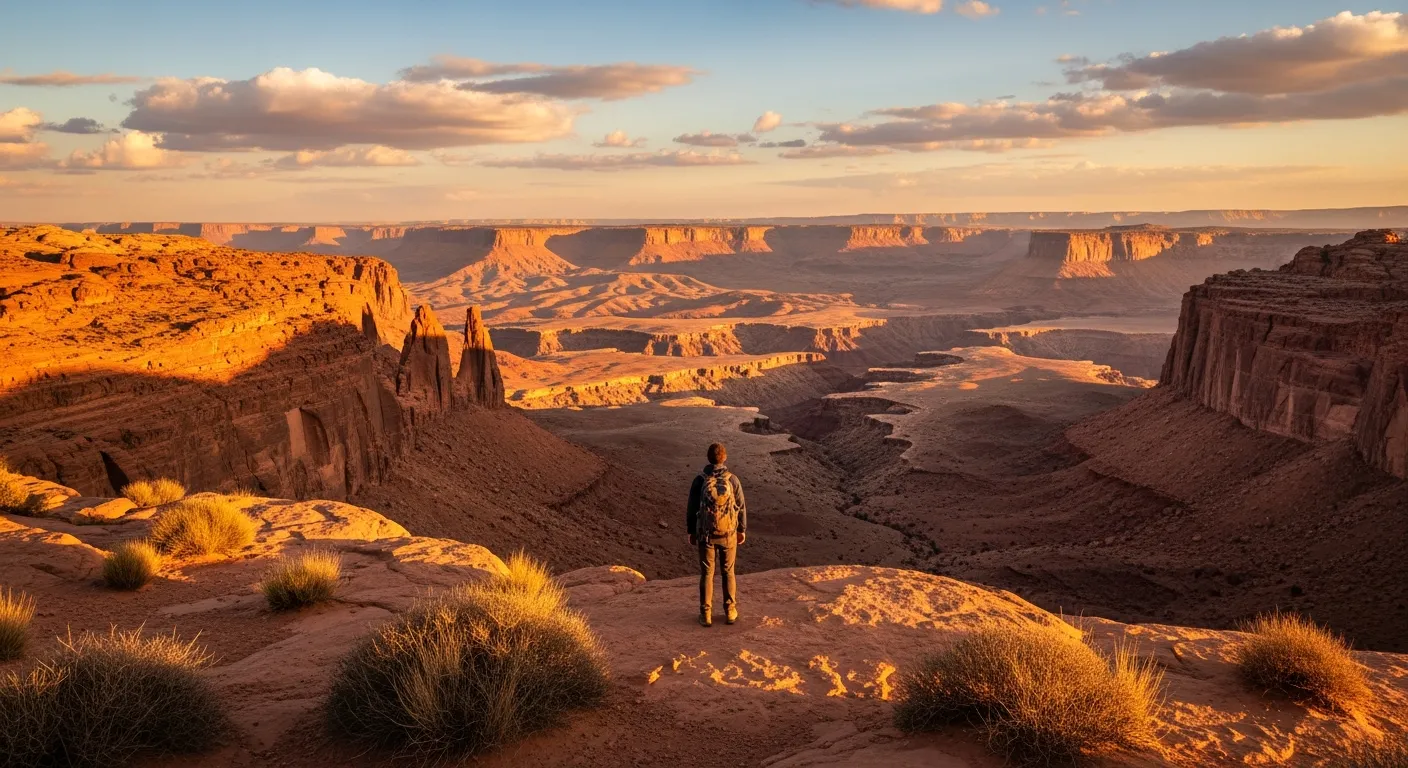
Where Wadi Mujib is all vertical drama, Wadi Dana spreads out horizontally instead. The reserve covers more than 300 square kilometers, stretching from plateaus over 1,500 meters up to the Dead Sea depression, roughly minus 400 meters below sea level. The name undersells it — this isn’t one valley so much as an entire chain of ecosystems compressed into a single sweep of land.
I set up at the Dana Guest House and gave myself two days to work through different stretches of it. The standard Dana trail runs downhill from the hilltop village of Dana to Rummana, cutting through juniper stands and rocky outcrops before flattening into drier ground as the elevation drops away. Plan on a full day and roughly 1,400 meters of descent — your knees will file a complaint the following morning — but the scenery more than settles the account.
Dana is also your best shot at spotting wildlife. I came across Nubian ibex (those wild goats with the sweeping curved horns), a handful of eagle species, and signs that leopards were somewhere nearby — tracks pressed into sandy patches and scat on the rocks. The reserve holds more than 800 plant species, an oddly high number for such dry terrain. A botanist could camp out here for weeks; a regular traveler will still notice the variety on a single day hike.
Why Real Sunscreen Isn’t Optional in Jordan’s Canyons
The sun over Jordan’s desert doesn’t build up slowly — it just intensifies with elevation, ricocheting off rose-toned canyon walls and reflected water in ways you won’t clock until your shoulders are already cooked. I found this out the expensive way during a long day in Wadi Mujib, where skipping reapplication turned into real regret by hour four.
What works
- Stays on even after you’ve been dunked in canyon water and soaked in sweat — reapplying every couple hours actually holds instead of washing away instantly.
- Skips that chalky white film that makes you look ill in every photo, which matters when you’re documenting the trip and not just your sunburn.
- Handles the relentless bounce-back you get inside slot canyons, where sunlight seems to hit you from three directions at once.
What doesn’t
- The bottle’s bulkier than the travel-size ones sold at Amman airport, so plan to pack the full-size version rather than hoping to grab something small on arrival.
- It can’t save you if you get lazy about reapplying — I blew past the two-hour mark twice and burned anyway, no exceptions.
I ran dry halfway through my second canyon day and spent a good two hours convincing myself a little more pink wouldn’t matter — which is exactly the mindset that gets you home looking boiled. Skip that mistake — grab quality sunscreen before you leave.
Practical Notes for Hiking the Desert Wilderness
Before you set foot in any of these reserves, expect to sort out permits, and seriously consider hiring a guide — it changes the experience for the better. Nearly all the major protected areas ask you to check in with the local ranger station or go through a recognized eco-tourism outfit. This isn’t red tape for its own sake — getting lost out here carries real consequences, and the system also channels tourist money toward local communities instead of letting it evaporate into some corporate account elsewhere.
Managing your water supply matters more than almost anything else. The land looks bone-dry and empty until you realize whatever rain falls in a given year tends to arrive in short, concentrated bursts, mostly during winter. Bring more water than seems reasonable — three liters minimum for a full day out — and pack purification tablets or a filter in case you need to refill from a natural source. Canyon water is usually fine in the cooler months, but treat that as a guideline, not a guarantee.
Timing shapes the whole experience. March to May and September to November hit the sweet spot. July and August turn brutal — I ran into a few tourists attempting Wadi Mujib in August, and they looked genuinely miserable. Winter, December through February, still works, especially in the lower canyons, though water levels swing more unpredictably and higher elevations drop below freezing overnight.
Zooming Out
What stayed with me longest wasn’t any single hike — it was how intact these wilderness areas remain despite Jordan’s tough geographic hand and thin resources. The country has absorbed serious regional turbulence while still funding protected areas, backing eco-tourism, and training local guides to run it all. There’s something fragile about the whole setup — it leans on continued political stability and on travelers willing to go past the obvious stops — but it’s also proof that conservation sticks best when it’s tied to real economic payoff for the people living there.
This kind of wilderness isn’t built to satisfy every kind of traveler. Anyone chasing luxury resorts, nightlife, or the sort of infrastructure that cushions every spontaneous decision should look elsewhere. But if what you want is scenery that puts you in your place, silence that isn’t staged for effect, and the sort of physical, sweaty engagement with a landscape that sticks with you for years, Jordan’s desert delivers all of it.
The full traverse of Wadi Mujib is a five-to-six-hour push downstream through slot canyon sections where you’ll wade, swim, and clamber over waterfalls. There’s also a gentler three-hour option called the Siq Trail if you want something shorter. The standard Dana trail runs downhill from the village of Dana to Rummana with roughly 1,400 meters of descent. Plan on a full day for the hike, and expect your knees to protest the next morning. March to May and September to November hit the sweet spot. July and August turn brutal, while winter from December through February still works, especially in lower canyons, though water levels swing unpredictably and higher elevations drop below freezing overnight. Bring more water than seems reasonable — three liters minimum for a full day out. Pack purification tablets or a filter in case you need to refill from a natural source, since rain tends to arrive in short, concentrated bursts mostly during winter.Frequently Asked Questions
How long does the Wadi Mujib full canyon hike take?
What’s the elevation change on the standard Dana trail?
What are the best months to hike Jordan’s protected reserves?
How much water should I bring for a full day canyon hike?
About This Article

Written by Elena Vasquez. Elena Vasquez is a full-time traveler and the founder of Witty Passport. Over fifteen years and more than 50 countries across six continents — including a stretch spent leading groups professionally through Southeast Asia and the remote highlands of South America — she's written the kind of destination guides she always wished existed: practical, specific, and built on real experience rather than recycled itineraries. More about this site.
Scope and limits. Elena is a full-time traveler, not a licensed travel agent or immigration adviser. Entry requirements, visa rules, and advisories change without notice — always confirm against the official government source for your destination and passport before booking.
Verify this against a primary source
Specifics change, and your situation may differ from the one described here. These are the authorities worth checking directly:
- U.S. Department of State — entry requirements and travel advisories
- CDC Travelers' Health — vaccination and health notices by destination
- TSA — current carry-on and screening rules