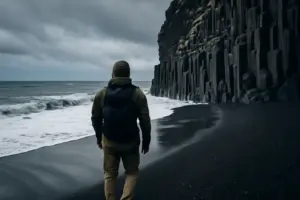
Five nights. That’s how long I stood outside in sub-arctic wind before the sky finally cooperated, and by night three I’d started wondering if quitting my job to fly to Reykjavík on a one-way ticket had been the worst decision of my adult life. Everyone back home assumed I was unraveling. Fair assessment, honestly. But there was a logic buried in the chaos: sometimes the only fix for a life that’s stopped adding up is a frozen field outside Vík at midnight, a thermos of tea gone cold in your hands, and a sky that answers to nobody’s schedule. I’d flown in with one specific goal — see the aurora — and I’d packed accordingly: forecast apps, a shortlist of researched viewpoints, and the shaky confidence of someone who believed she’d finally planned something correctly. Over five humbling, wind-battered, occasionally transcendent nights, Iceland taught me how aurora-chasing actually works, and just how much of what I thought I knew walking in was wrong.
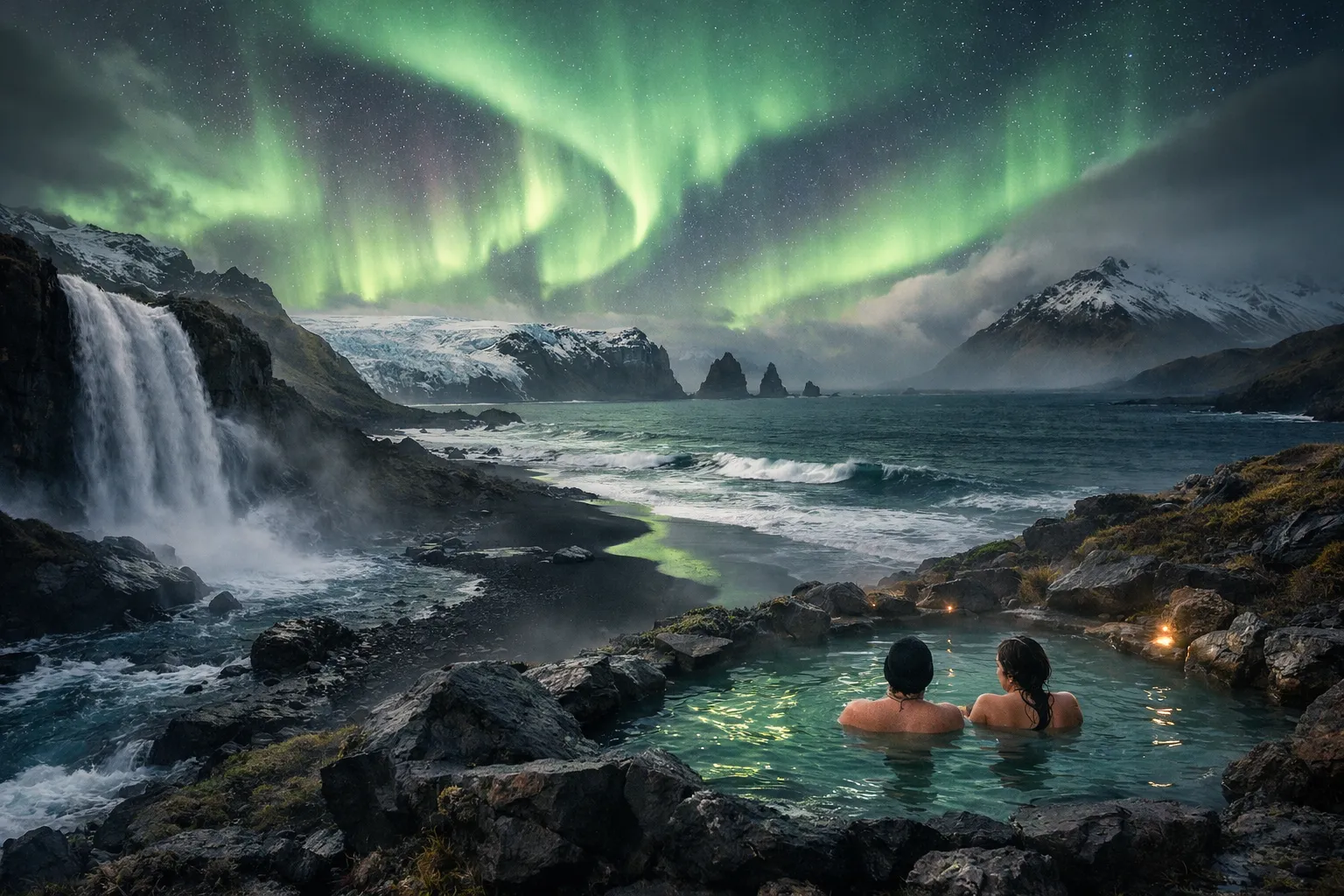
Everything shifted on the fifth night. I’d driven out to the Snæfellsnes Peninsula, well clear of any town lights, and the sky just tore open. Green bands folded into deep purple, and I stood there slack-jawed and camera forgotten, doing the exact tourist-cliché thing I’d promised myself I wouldn’t. It ranks among the most disorienting, most beautiful things I’ve witnessed anywhere. The real story, though, is what separated night four from night five — not luck, but knowledge, prep work, and standing in the right spot. Everything below is what I wish someone had handed me before night one.
When to Go: The Only Months That Actually Matter
Here’s a near-miss worth sharing. My first instinct was to book for July, since airfare drops and the scenery photographs like something from a screensaver. A friend who’d made this trip twice talked me down before I hit purchase. July in Iceland barely dips into darkness at all — the midnight sun is its own spectacle, but it’s aurora-hunting’s worst enemy. You need real darkness for any of this to work, and Iceland only hands that over reliably from late August through mid-April.
Most seasoned aurora chasers land on the same window: September through March. September and October offer milder temperatures, autumn color across the landscape, and nights that keep stretching longer. January and February bring the deepest darkness and the best odds statistically, though you’ll need to take the cold genuinely seriously. My own pick is March — daylight is creeping back, roads are easier to manage, and the lights are still very much putting on a show.
Month alone isn’t the whole equation — the moon phase matters just as much. A full moon sounds poetic, but it drenches the sky in ambient glow and erases anything but the strongest auroras. A new moon gives you genuinely dark skies, which means even modest activity becomes visible. I now build trip dates around the lunar calendar first, and it has changed my results completely.
How to Actually Read an Aurora Forecast
Iceland’s own meteorological office runs a free aurora forecast at vedur.is, and nothing else I tried came close to it for reliability. Two numbers matter: the cloud cover projection and the KP index. That index tracks geomagnetic activity on a zero-to-nine scale — a reading of three or four is plenty for a solid show once you’re clear of light pollution, and anything past five borders on spectacular. Clouds are the actual obstacle, though. A KP of eight is worthless if a thick layer sits over wherever you’re standing. Check both figures every single evening, and stay willing to drive toward clearer skies with almost no warning.
The Field Guide That Tells You Exactly Where to Post Up Once the Sky Goes Dark
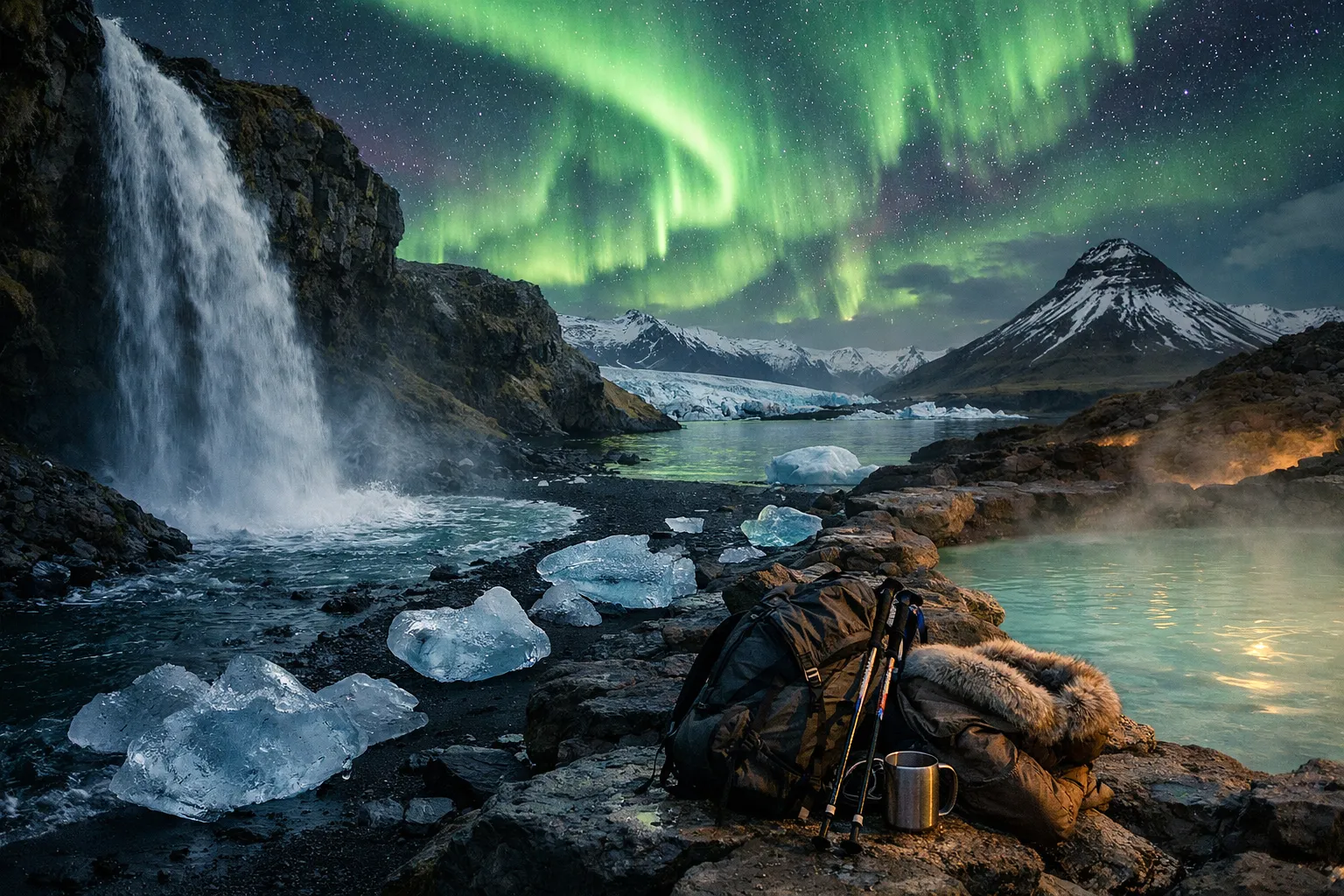
The Ring Road circles the entire country, and when you’re checking forecasts at 11 p.m. with maybe two hours of dark sky left, vague advice like “somewhere along the coast” is useless — you need to know the specific pullouts and valleys with an actual clear sightline. A solid guide turns that scramble into an actual plan.
Where It Delivers
- Detailed location notes stop you from wasting a night at Instagram-famous spots hemmed in by mountains or stray light — I bypassed three so-called perfect viewpoints purely because the guide flagged the problem first.
- Darkness maps pinpoint exactly which regions carry the least ambient glow, and that turns out to matter far more than latitude once you’re racing a forecast window.
- Road safety notes talked me out of a gravel-road detour in black ice, right when a solar spike had me ready to do something reckless.
Where It Falls Short
- The built-in aurora forecasts stay pretty generic — you’ll still need a live app, since conditions shift hour to hour and a night the book calls promising can turn into a total bust by the time you show up.
- A handful of the recommended spots have gotten popular enough that you’ll be sharing the view with parked tour buses, which kills the solitude that was probably the whole point.
I almost turned back from Vík one night because the guide’s map seemed to suggest a viewpoint that turned out to be private farmland, but the overall navigation strategy kept me from much worse mistakes. Grab Lonely Planet Iceland’s Ring Road before you drive.
Frequently Asked Questions
What months have enough darkness to see the Northern Lights in Iceland?
Iceland offers reliable darkness for aurora-hunting from late August through mid-April. Most seasoned chasers target September through March, with January and February providing the deepest darkness and best statistical odds, though temperatures are most challenging then.
Why is the full moon bad for Northern Lights photography?
A full moon drenches the sky in ambient glow and erases anything but the strongest auroras. A new moon gives you genuinely dark skies, which means even modest aurora activity becomes visible, so plan your trip around the lunar calendar.
What aurora forecast tool works best for Iceland?
Iceland’s meteorological office runs a free aurora forecast at vedur.is, which proved more reliable than other options. Pay attention to the cloud cover projection and the KP index, which tracks geomagnetic activity on a zero-to-nine scale—three or four is solid for a show with clear skies.
Should I book Iceland in July for Northern Lights?
No. July has cheaper airfare and stunning scenery, but the midnight sun barely dips into darkness at all, making aurora-hunting impossible. You need real darkness, which Iceland only provides reliably from late August through mid-April.
About This Article

Written by Elena Vasquez. Elena Vasquez is a full-time traveler and the founder of Witty Passport. Over fifteen years and more than 50 countries across six continents — including a stretch spent leading groups professionally through Southeast Asia and the remote highlands of South America — she's written the kind of destination guides she always wished existed: practical, specific, and built on real experience rather than recycled itineraries. More about this site.
Scope and limits. Elena is a full-time traveler, not a licensed travel agent or immigration adviser. Entry requirements, visa rules, and advisories change without notice — always confirm against the official government source for your destination and passport before booking.
Verify this against a primary source
Specifics change, and your situation may differ from the one described here. These are the authorities worth checking directly:
- U.S. Department of State — entry requirements and travel advisories
- CDC Travelers' Health — vaccination and health notices by destination
- TSA — current carry-on and screening rules