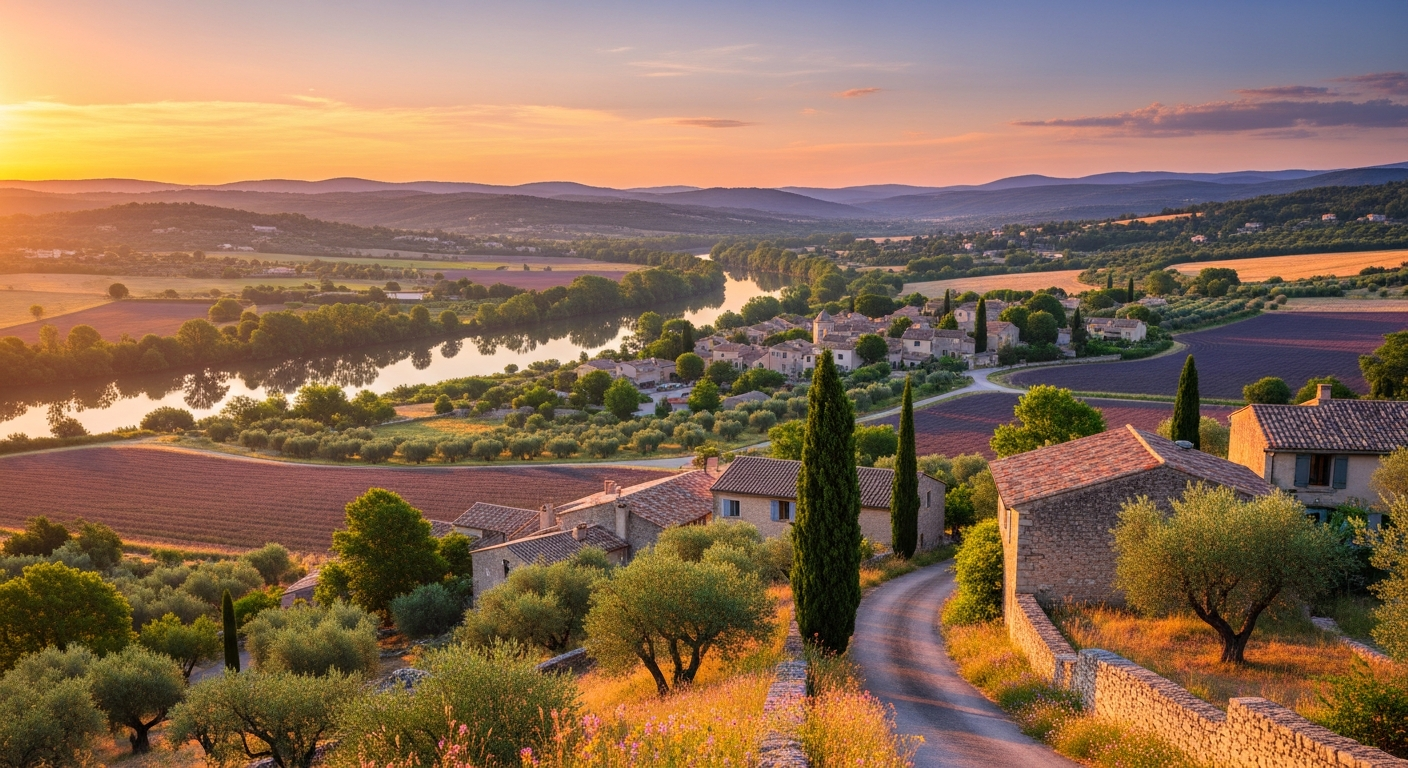
My boss handed me a bonus check and said “invest it wisely.” I invested it in a round-trip ticket and two weeks somewhere I’d been dreaming about since a geography class in eighth grade — the French Riviera, that sun-drenched stretch of coastline I’d stared at in a textbook map, tracing my finger from Menton to Saint-Tropez. But when I finally landed and started moving around, I quickly learned that the version I’d daydreamed about — all Cannes film festivals and Nice promenades — was really just the postcard hiding something far more interesting underneath. Beyond those famous names lies a quieter, more honest Côte d’Azur: hilltop villages, sleepy fishing ports, and café terraces where nobody seems to be performing for anyone. That’s the French Riviera I want to tell you about.
What I Recommend
When you’re bouncing between the smaller towns along the Riviera, keeping your passport and documents secure is non-negotiable. An RFID-blocking passport holder protects against digital theft while you’re exploring crowded markets and train stations, and it’s slim enough to slip into any daypack without adding bulk.
I’ve learned the hard way that throwing all your travel documents into a backpack pocket is a recipe for chaos. A travel document organizer keeps your boarding passes, hotel confirmations, and train tickets in one place—essential when you’re hopping between Antibes and Villefranche in a single day.
France uses the European Type E plug, which means you’ll need a universal adapter for your phone charger and camera gear. A quality travel adapter is one of those things that seems optional until you’re sitting in a charming Provençal hotel with a dead phone and nowhere to charge it.
If you’re planning to explore beyond the main tourist hubs and want to skip the roaming charges, an European SIM card gives you reliable local data for mapping those scenic coastal drives and finding hole-in-the-wall restaurants that don’t have English menus.
Your phone will be your best friend for navigation, photography, and translation apps while discovering hidden Riviera gems. A solid portable power bank ensures you won’t miss sunset at a secret viewpoint or get stranded trying to find your way back to your accommodation.
Before you go, grab a travel guidebook focused on the French Riviera to supplement your research and discover local insights that aren’t on every travel Instagram account. The right guidebook often has context and history that makes a casual walk through a village actually meaningful.
Even if you’re fluent in English, a pocket phrase book for French goes a surprisingly long way—locals absolutely appreciate the effort, and it’s genuinely helpful when menus have zero English translations.
Packing for multiple smaller towns and beach days is easier when you use packing cubes to organize by destination or clothing type. You’ll save time hunting for clean shirts and actually fit everything you need without overpacking.
If you’re trying to maximize luggage space for longer stays along the coast, compression bags are a game-changer for keeping beach clothes and heavier items compact without taking up your entire suitcase.
Get a TSA-approved luggage tag before your trip so your bags are clearly identified at the airport and easy to spot on the carousel in Nice or Marseille. It’s a small detail that saves headaches on both ends of your journey.
A luggage cover protects your suitcase from spills on trains, dings from baggage handlers, and general travel wear while exploring the Riviera’s various transportation options.
If you’re checking luggage or moving between multiple accommodations, a Bluetooth luggage tracker gives peace of mind when you’re juggling trains, buses, and rental cars across different towns.
Long train rides between Riviera destinations are much more bearable with an inflatable travel neck pillow so you can actually rest without waking up with a sore neck when you arrive in your next coastal town.
Trains can get chilly and hotel rooms are sometimes hit-or-miss for temperature control, so a compact travel blanket adds comfort without taking up much luggage space.
A travel eye mask helps when you’re sleeping on trains heading to early-morning beach days or dealing with hotels that don’t have blackout curtains.
No matter how much you prepare, a travel first aid kit is essential for minor scrapes from exploring rocky beaches or relieving headaches from too much Mediterranean sun and rosé.
Stay hydrated during long days of sightseeing with a filtered water bottle that lets you refill at fountains throughout the region without worrying about tap water quality.
When you discover a secluded cove or perfect sunset moment, a portable phone tripod lets you get hands-free photos and videos without needing to ask strangers for help—or looking ridiculous holding your phone out for twenty minutes.
If you’re bringing a dedicated camera for those stunning coastal shots, a portable camera battery charger ensures you won’t miss golden hour because your battery died—a crucial lifeline when you’re chasing light along cliffs and harbors.
The €31 Peugeot That Locked In Before Provence Prices Went Stupid
I booked a compact through Auto Europe about three months before our trip, mostly because their comparison tool showed rates across a dozen suppliers at once — and I could actually see the full price, taxes included, before clicking anything. The rate I locked in was €31 a day. By early June, the same category on competing sites had crept past €70. I’m not usually disciplined enough to book that far ahead, but Auto Europe let me reserve with free cancellation, so it felt like zero-risk hedging. Turns out, not cancelling was the right call.
Pickup at Avignon TGV was almost suspiciously easy — off the train, down the escalator, rental desk right there, car ready. No upsell pressure, no drama, just keys and a parking level number. We drove straight into the Luberon with lavender just starting to bloom on the roadsides, and I kept thinking about those €70 quotes with mild satisfaction. If you’re planning the same kind of Provence loop, booking early through Auto Europe is genuinely the move.
As an Amazon Associate, I earn from qualifying purchases.
Escape to the Clouds: Perched Medieval Villages
High above the glittering Mediterranean, ancient villages cling to rocky cliffs. These gravity-defying settlements offer breathtaking views and a step back in time. They were originally built for protection. Now, they provide a peaceful retreat from the coastal buzz. Exploring their narrow, winding streets is a truly magical experience.
One of the most spectacular examples is Èze. This village sits dramatically on a peak overlooking the sea. Its cobbled lanes are filled with artisan shops and charming cafés. You can wander through the Jardin Exotique d’Èze at the very top. The garden features a stunning collection of cacti and offers unparalleled panoramic views. Getting lost in its maze-like alleys is part of the adventure. Each turn reveals a new picturesque scene.
For an even more authentic feel, venture to Peillon. This village is less known to tourists. Consequently, it retains a rugged, untouched character. Peillon’s steep, stone-arched alleyways are purely residential. You will not find many souvenir shops here. Instead, you get a real sense of medieval life. The quiet atmosphere and stunning vistas make the journey worthwhile. It feels like discovering a well-kept secret.
Seaside Serenity: Unspoiled Coastal Havens
While Saint-Tropez and Cannes host the jet set, other coastal towns offer a more relaxed pace. These spots boast the same beautiful blue waters without the overwhelming crowds. They are perfect for a leisurely seaside lunch or a quiet day on the beach. Here, the rhythm of life slows down, allowing you to savor the Mediterranean atmosphere.
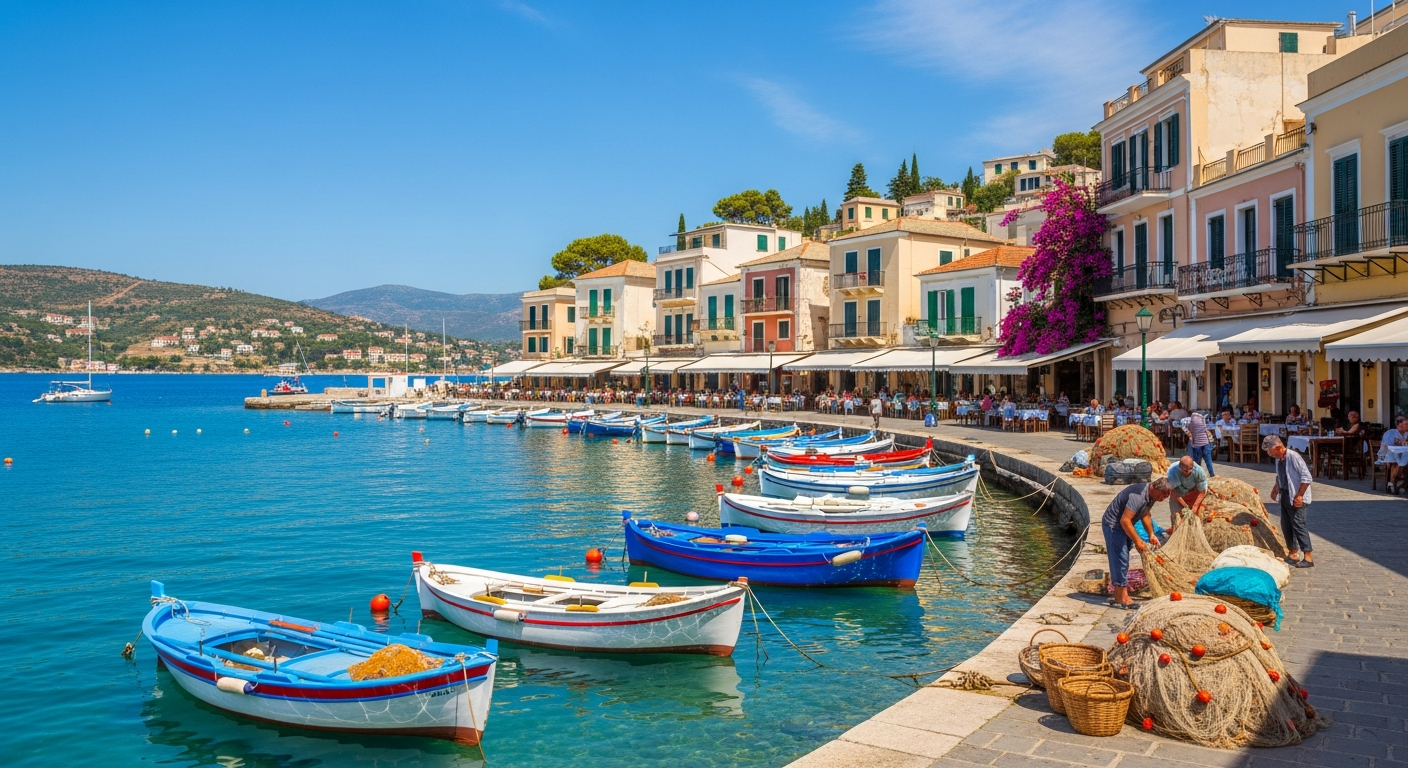
Villefranche-sur-Mer is a perfect example. Nestled in a deep, beautiful bay, its waterfront is a cascade of pastel-colored buildings. The town has one of the most picturesque harbors on the coast. You can watch local fishermen mend their nets while enjoying fresh seafood at a quayside restaurant. Furthermore, its sandy beach is a rare find in a region known for pebbles. The calm, clear water is ideal for swimming. The old town, with its covered passageways, adds another layer of historic charm.
Slightly further east, near the Italian border, lies Menton. This town is famous for its citrus groves. Indeed, it hosts an annual Lemon Festival that attracts visitors from all over. Menton benefits from a unique microclimate, making it one of the sunniest spots in France. Its old town is a beautiful labyrinth of Italianate architecture. The gardens, like the Serre de la Madone, are lush and exotic. Menton provides a delightful blend of French and Italian cultures, creating a truly unique coastal experience.
Creative Corners: The Riviera’s Artistic Enclaves
The light and colors of the French Riviera have inspired artists for centuries. Many famous painters, including Picasso, Matisse, and Chagall, found their muse here. As a result, several villages became thriving artistic communities. These enclaves are filled with galleries, studios, and museums that celebrate this rich creative heritage. Source
Saint-Paul-de-Vence is perhaps the most famous of these artistic hubs. This walled medieval village is a living gallery. Its streets are lined with dozens of art studios and exhibition spaces. The legendary Colombe d’Or hotel famously accepted artworks as payment from struggling artists. Today, it houses an incredible collection. You can also visit the Fondation Maeght, a world-class museum of modern art set in a beautiful pine forest. The village’s connection to art is palpable everywhere you look.
While Saint-Paul-de-Vence is popular, it handles crowds better than the major cities. Visitor numbers in these smaller gems are significantly lower than in places like Nice or Cannes. For instance, during peak season, some of these villages see only a fraction of the daily tourist traffic. This creates a much more intimate and enjoyable experience for visitors. You can appreciate the art and history without feeling rushed.
Tips for Your Off-the-Beaten-Path Adventure
To make the most of your trip, a little planning goes a long way. First, consider renting a car. While some villages are accessible by bus or train, a car offers the freedom to explore remote areas at your own pace. The winding coastal roads, known as corniches, offer spectacular drives.
Additionally, timing is key. Visiting during the shoulder seasons—specifically May, June, or September—is ideal. The weather is still beautiful, but the crowds are much smaller. This allows for a more relaxed and authentic experience. Finally, embrace the local culture. Visit a morning market, practice your French, and take time for a long, leisurely lunch. The true charm of the Riviera is found in these simple moments.