For our tenth anniversary, I asked my partner what they actually wanted — not a dinner, not jewelry. They said: somewhere we’ve never been, somewhere that feels like a story we haven’t told yet. We were already staying in Athens, a city that had already blown us away with its history and restless modern energy, but it turned out the best stories were waiting just outside of it. A few hours in any direction and you can find yourself standing inside an ancient sanctuary on a misty mountainside, or stepping off a ferry onto a car-free island that feels completely removed from the rest of the world. These are the 10 best day trips from Athens — the ones that actually delivered on that promise.
What I Recommend
Before you head out on day trips around Athens, protect your passport with an RFID-blocking passport holder. You’ll be moving between sites and potentially crowded ferries, so keeping your documents secure gives you one less thing to worry about while you’re exploring ancient ruins.
A travel document organizer is genuinely life-changing when you’re bouncing between multiple day trips. I use mine to keep my ferry tickets, museum passes, hotel info, and copies of important documents all in one spot—no more frantically digging through my bag when I need to board the boat to Delphi.
Grab a travel adapter before you go, especially if you’re bringing a power bank or phone charger. Greece uses European Type C outlets, and having the right adapter means you’ll actually be able to charge your devices at your accommodation without hunting for converters.
An European SIM card will save you a fortune on roaming charges and keep you connected for maps and booking last-minute restaurant reservations. I always grab one as soon as I land—it’s cheaper than you’d think and makes navigating between Athens and the islands infinitely easier.
A portable power bank is non-negotiable for day trips in Greece. You’ll be using your phone constantly for maps, translation, and—let’s be honest—photos of the Acropolis, so having backup battery power means you won’t get stranded without navigation at the end of the day.
A travel guidebook dedicated to Greece gives you context about each site that your phone’s internet connection can’t always deliver quickly. I love having something physical to flip through on ferries or while waiting for a bus—it’s like having an expert archaeologist in your pocket.
Toss a phrase book in your day bag for the times when you’re in smaller towns around Athens where English isn’t as prevalent. It’s charming, practical, and honestly, locals appreciate the effort—even if you’re just pointing at pictures of food.
The Greek sun is absolutely relentless, so invest in a solid Neutrogena Sunscreen Lotion Beach Defense SPF 70 and use it liberally. I learned this the hard way on my first trip to the Mediterranean—sunburn at the Temple of Poseidon is never a good look, and the pain makes the rest of your trip miserable.
A wide brim sun hat is your best friend when you’re spending hours at archaeological sites with zero shade. I wear mine everywhere in Greece from May through September, and it keeps the sun off your face and neck while making you look appropriately prepared.
Don’t underestimate the importance of UV protection sunglasses—the reflection off white marble and blue water will damage your eyes if you’re not careful. Good sunglasses also let you actually see the archaeological sites instead of squinting the entire time, which makes for better photos and fewer headaches.
If you’re taking a day trip to any of the coastal sites or islands, a quick dry beach towel is worth its weight in gold. Pack it in your day bag, and you’ll actually be able to cool off in the Aegean without having to carry a soaking wet towel around for the rest of the day.
A dry bag keeps your phone, wallet, and camera safe when you’re swimming or taking a boat tour. I’ve seen too many travelers ruin expensive electronics by not thinking ahead about water protection.
Packing cubes make day trips easier because you can organize everything you need—change of clothes, toiletries, snacks—and just grab one cube instead of searching through your entire backpack. I use them for every trip, and they genuinely save time and space.
If you’re traveling with limited luggage, compression bags let you pack more without checking extra bags. This matters when you’re hopping between different day trip bases or staying in a smaller Airbnb.
Invest in a pair of comfortable walking shoes specifically for archaeological sites—trust me, there’s uneven terrain everywhere, and you’ll be walking far more than you think. I’ve seen travelers in flip-flops limping through Delphi, and it’s heartbreaking because the site is incredible but painful in the wrong footwear.
Pack a pair of comfortable sandals for walking to wear when you’re exploring towns and taking breaks from your main day trip activities. They’re perfect for casual strolls through village squares and restaurants where you want something less bulky than hiking shoes.
A filtered water bottle is essential for staying hydrated during day trips, especially at archaeological sites where vendors are few and far between. Fill it up before you head out, and you’ll save money and reduce plastic waste at the same time.
A Bluetooth luggage tracker gives you peace of mind when you’re leaving your main bag at a hotel while taking day trips. If you need to leave Athens for a night or two, knowing where your luggage is matters.
Keep a travel first aid kit in your day bag for blisters, minor cuts, and unexpected stomach issues. It’s small enough to forget you have it until you need it, and then you’ll be grateful it’s there.
A portable phone tripod lets you take group photos without relying on kind strangers (though they’re always helpful). I use mine constantly at temples and scenic overlooks to get shots of myself actually at the sites instead of just behind the camera.
If you’re bringing a camera, a portable camera battery charger ensures your battery won’t die during your day trip. There’s nothing worse than reaching the best light of the day and discovering you’re out of power.
For evening visits to archaeological sites that stay open late, pack a light dress collared shirt to layer over your day clothes. Some sites and restaurants have dress codes, and having something nice but packable solves that problem without taking up much luggage space.
The €28 Compact That Made Meteora Worth the Drive
I almost talked myself into the bus. Plenty of people do the Meteora day trip from Athens by coach, and plenty of people spend four hours staring at the back of a stranger’s headrest. I’d been comparing rental sites for about twenty minutes when I noticed that Auto Europe was pulling in quotes from suppliers I hadn’t seen elsewhere — and one of them had a compact with full coverage for €28 a day. Not “full coverage pending a three-page asterisk.” Actually full. I double-checked, booked it in about five minutes, and picked it up near Syntagma the next morning without so much as an upsell attempt at the counter.
The drive up to Meteora takes around three and a half hours, and we stopped twice — once at a roadside taverna outside Lamia where we ate grilled sardines at a plastic table for about €6 total, and once just to pull over and stare at the plain opening up into those impossible rock formations. Neither stop was on any itinerary. That’s the whole point. If you’re weighing the bus versus driving yourself, run the numbers on Auto Europe first — the price difference might surprise you.
As an Amazon Associate, I earn from qualifying purchases.
Here are 10 of the best day trips from Athens to add to your itinerary.
. Delphi Archaeological Site – O…
1. Delphi: The Center of the Ancient World
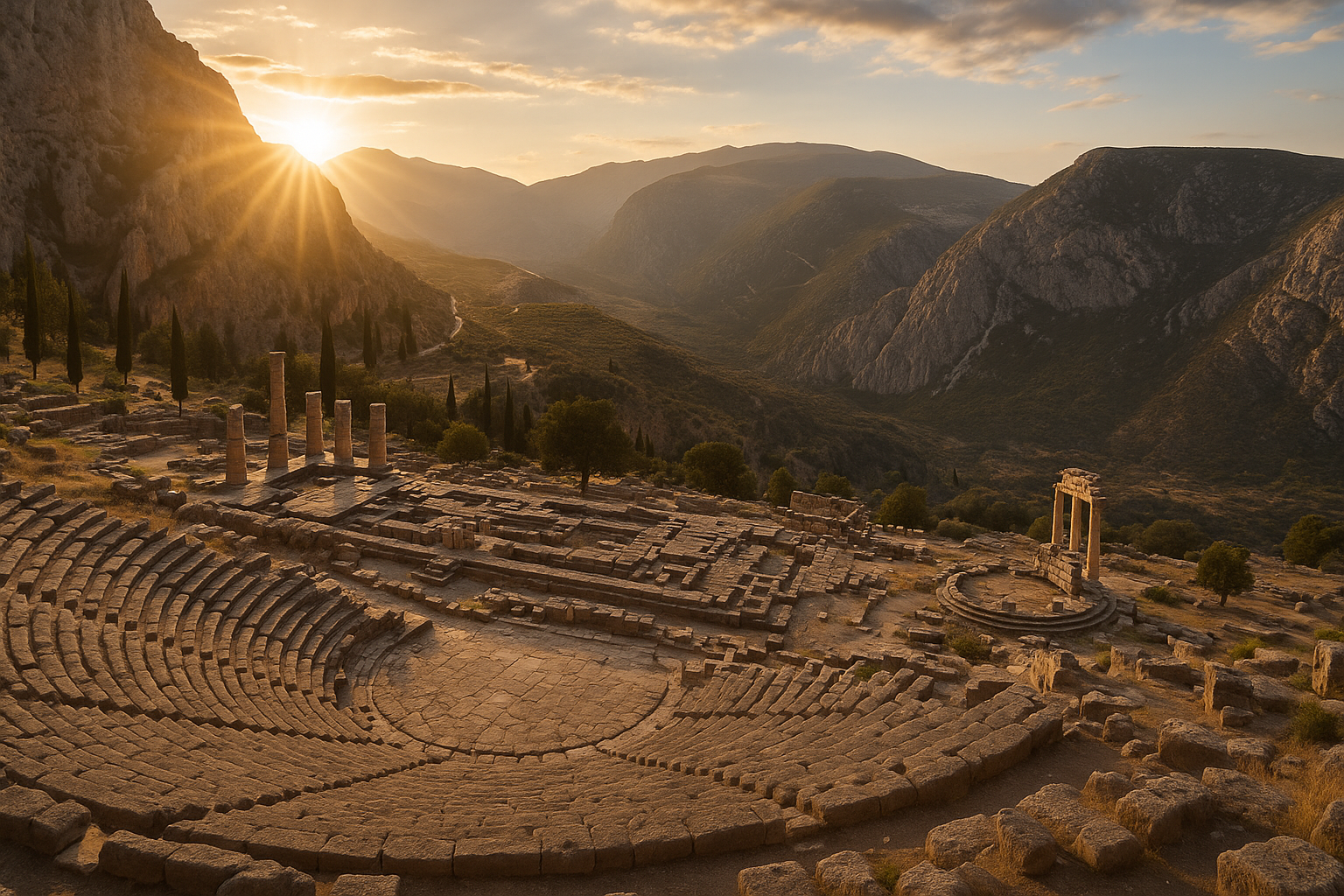
Journey into the heart of ancient Greek spirituality at Delphi. Nestled on the slopes of Mount Parnassus, this UNESCO World Heritage site offers spectacular views and profound history. Ancient Greeks considered Delphi the center of the world. Consequently, it became home to the Oracle of Pythia, the most important oracle in the classical world. People traveled from all over to seek her wisdom.
You can explore the ruins of the Temple of Apollo, where the oracle once resided. Walk the Sacred Way, visit the well-preserved ancient theater, and see the stadium where the Pythian Games were held. The adjacent Delphi Archaeological Museum houses masterpieces of ancient Greek art. For example, it displays the famous Charioteer of Delphi. Source
- How to Get There: The easiest way is via a guided bus tour. Alternatively, you can take a public KTEL bus from Athens (approx. 3 hours) or drive yourself.
- Travel Time: 2.5 to 3 hours each way. Delphi Archaeological Museum O…
2. Cape Sounion: Sunset at the Temple of Poseidon
For one of the most dramatic sunsets in Greece, head to Cape Sounion. This spot sits at the southernmost tip of the Attica peninsula. Here, the magnificent Temple of Poseidon stands proudly on a cliff overlooking the Aegean Sea. The temple was built in the 5th century BC to honor the god of the sea. Its gleaming white marble columns catch the golden light of the setting sun, creating an unforgettable spectacle.
This trip is perfect for an afternoon and evening escape from the city’s hustle. You can wander the ancient site and feel the sea breeze. Lord Byron himself was so moved by the location that he carved his name on one of the columns. After sunset, you can enjoy a fresh seafood dinner at a nearby taverna. Cape Sounion and Temple of Pos…
- How to Get There: Driving along the scenic coastal road is a fantastic option. Public KTEL buses also run regularly from Athens.
- Travel Time: 1.5 to 2 hours each way.
. Hydra Island Travel Guide: A C…
3. Hydra: The Charming Car-Free Island
Hydra offers a complete change of pace. This stunning Saronic Gulf island has a strict ban on cars and motorcycles. As a result, donkeys, mules, and water taxis provide the main forms of transport. The moment you arrive at its picturesque, amphitheater-like harbor, you feel like you have stepped back in time. The port is lined with elegant stone mansions, charming cafes, and small shops.
Spend your day wandering the narrow, winding cobblestone streets. You can also hike along coastal paths to find secluded swimming spots. The island has long been a haven for artists and writers, and its creative, bohemian atmosphere is palpable. Hydra Island Travel Guide – Lonely Plane… is less about ticking off sights and more about soaking in the unique, tranquil ambiance. It is an ideal escape for pure relaxation.
- How to Get There: High-speed hydrofoils (Flying Dolphins) depart frequently from the port of Piraeus in Athens.
- Travel Time: 1.5 to 2 hours each way.
4. Aegina: Pistachios and Ancient Temples
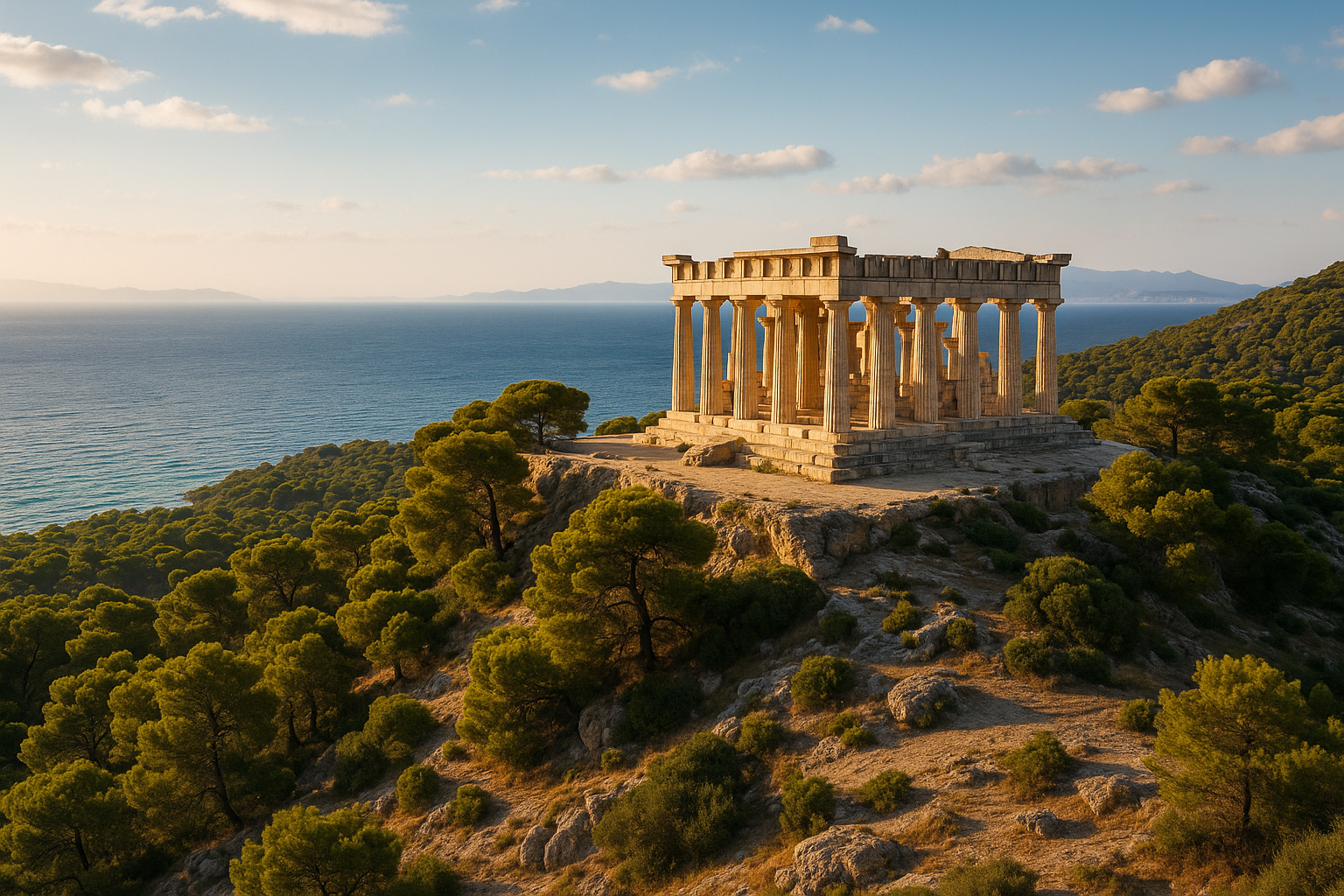
Aegina is one of the closest islands to Athens, making it a very popular and easy day trip. While it has lovely beaches and a bustling port town, the island is famous for two things: its delicious pistachios and the magnificent Temple of Aphaia. The pistachios from Aegina are so renowned they have a protected designation of origin status. Indeed, you will find them in every form, from roasted snacks to sweet pastries.
The Temple of Aphaia is a major highlight. It predates the Parthenon and forms one corner of the ‘Sacred Triangle’ of antiquity, along with the Parthenon and the Temple of Poseidon. The temple sits on a pine-covered hill, offering panoramic views across the sea. You can combine history with leisure by visiting the temple in the morning and relaxing on a beach in the afternoon.
- How to Get There: Ferries and hydrofoils run very frequently from the port of Piraeus.
- Travel Time: 40 minutes (hydrofoil) to 75 minutes (ferry) each way.
5. Nafplio: A Romantic Seaside Gem
Many consider Nafplio to be one of Greece’s most beautiful towns. It served as the first capital of the modern Greek state. Its enchanting old town is a maze of narrow streets filled with neoclassical mansions and blooming bougainvillea. Two massive Venetian fortresses, Palamidi and Acronafplia, loom over the town, offering stunning views for those willing to make the climb.
You can also take a small boat to the Bourtzi fortress, which sits on a tiny islet in the harbor. Spend your day getting lost in the romantic alleyways, browsing boutiques, and enjoying a coffee in the grand Syntagma Square. Nafplio Travel Guide – Lonely Planet perfectly blends historical significance with a relaxed, sophisticated seaside atmosphere. While historical sites are popular, recent trends show a growing interest in island getaways and coastal towns. For instance, some travel surveys indicate that nearly half of day-trippers prefer these destinations.
. Nafplio Travel Guide – Getting…
- How to Get There: The most convenient way is by car or public KTEL bus from Athens.
- Travel Time: Approximately 2 hours each way. Mycenae and Epidaurus Archaeol…
6. Mycenae & Epidaurus: A Journey into Myth
Step into the world of Homer’s epics with a combined trip to two of the Peloponnese’s most important archaeological sites. Mycenae was the legendary kingdom of Agamemnon, leader of the Greeks in the Trojan War. You can walk through the monumental Lion Gate, explore the royal tombs, and stand within the cyclopean walls. The sheer age and scale of the ruins are truly awe-inspiring.
Just a short drive away lies Epidaurus, home to the Sanctuary of Asclepius, the god of healing. Its main attraction, however, is the ancient theater. Built in the 4th century BC, the theater is renowned for its almost perfect acoustics. You can test it yourself; a coin dropped at center stage can be heard clearly from the highest seats. This trip is an absolute must for anyone interested in ancient history and Greek mythology.
- How to Get There: A guided tour is highly recommended to cover both sites efficiently. Driving is also a good option.
- Travel Time: Approximately 2 hours each way to the area.
. Poros Island Travel Guide – Lo…
7. Poros: The Lush and Laid-Back Island
Separated from the Peloponnese by a narrow sea channel, Poros is a green, serene island perfect for a relaxing day. The island is known for its lush pine forests and fragrant lemon groves. Poros Town is built on a small volcanic peninsula and is topped by a historic clock tower, which offers lovely views of the harbor and the mainland coast across the water.
Life on Poros moves at a slower pace. You can rent a scooter or bicycle to explore the island’s coastline and find quiet beaches like Love Bay and Askeli. Enjoy a leisurely lunch at a waterfront taverna, watching the boats sail by. Poros provides a peaceful contrast to the intensity of Athens, making it a wonderful place to unwind and connect with nature.
- How to Get There: Poros Island Travel Guide – Lonely Plane… and hydrofoils depart from the port of Piraeus.
- Travel Time: 1 hour (hydrofoil) to 2.5 hours (ferry) each way.
8. Corinth Canal & Ancient Corinth
This trip combines a modern engineering marvel with a powerful ancient city. The Corinth Canal is a breathtaking sight. This four-mile-long canal cuts through solid rock to connect the Gulf of Corinth with the Saronic Gulf. You can stand on a bridge high above, watching ships pass through the narrow channel. It is a testament to human ambition.
Nearby, the archaeological site of Ancient Corinth offers a glimpse into a city that was once one of the largest and most important in Greece. Stroll through the Roman Agora, see the remains of the Temple of Apollo, and stand on the Bema, where the Apostle Paul is said to have addressed the Corinthians. The combination of ancient and modern history makes this a uniquely fascinating excursion.
- How to Get There: Driving is the easiest way. It can also be reached by public bus or as part of a wider Peloponnese tour.
- Travel Time: Approximately 1 to 1.5 hours each way.
9. Meteora: Monasteries in the Sky
While a very long day trip, visiting Meteora is a once-in-a-lifetime experience. This UNESCO World Heritage site features six active Eastern Orthodox monasteries built precariously atop immense natural rock pillars. The landscape seems like something from a fantasy film. The name Meteora itself means ‘suspended in the air,’ which perfectly describes these incredible structures.
Organized day tours often use the train to make the journey manageable. Once there, you will visit two or three of the monasteries, learning about their history as hermitages for monks seeking solitude and safety. The views from the top are simply breathtaking, looking out over the vast plain of Thessaly. Be prepared for an early start and a late return, but the reward is an unforgettable sight. Meteora Day Trip from Athens -…
- How to Get There: The best option for a day trip is a tour that utilizes the direct train from Athens to Kalabaka.
- Travel Time: 4 to 5 hours each way by train.
10. Agistri: A Slice of Natural Paradise
If you want to escape the crowds, consider Agistri. This small island near Aegina is a hidden gem covered in dense pine forests. It is the perfect destination for swimming, snorkeling, and simply unwinding in nature. Agistri has a much more rustic and undeveloped feel compared to its more famous neighbors.
The main villages are Skala, with its sandy beach and tavernas, and the quieter Megalochori. You can rent a bike to explore the island’s trails or find a secluded cove to call your own for the day. For example, Dragonera Beach and Aponisos Beach are particularly beautiful. Agistri Island Travel Guide – Lonely Pla… is the ideal choice for travelers seeking tranquility and a dose of authentic, unspoiled Greek island life.
- How to Get There: Ferries and hydrofoils run from Piraeus, often with a brief stop at Aegina.
- Travel Time: 55 minutes (hydrofoil) to 1.5 hours (ferry) each way.