Uncovering Costa Rica’s Secret Coastal Corners
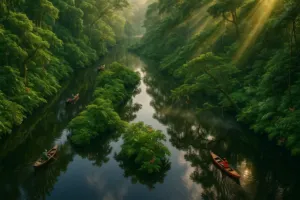
Search “Costa Rica beaches” and you’ll run into two flatly contradictory schools of thought: one camp insists the famous names — Manuel Antonio, Tamarindo — are the only shores worth the plane ticket, while the other argues those spots have been loved into mediocrity and the real coast only starts where the pavement gives out. The second camp is right, and I found that out by accident rather than research. Three weeks after a relationship ended, I did the one thing that felt logical: booked a solo trip to a place we’d talked about visiting together for two years, a pin sitting untouched in a shared notes app until it turned from exciting to unbearable to look at. I deleted the note, threw a bag together, and went by myself. What was waiting for me wasn’t the filtered, dreamed-up version we’d sketched out over dinner one night — it was rougher, quieter, and honestly better: a coastline stitched together from hidden beaches, tucked-away coves, and spots that don’t make it onto anyone’s list. Costa Rica’s Pacific and Caribbean shores earn their reputation fairly, but past the trails everyone already knows, there are stretches so untouched and still that they seemed to be waiting for someone who needed to relearn how to breathe.
Traveling to Costa Rica’s out-of-the-way beaches taught me that gear isn’t an afterthought — it’s the difference between a good day and a miserable one. A solid dry bag kept my camera and phone dry on the boat transfer out to Playa Cativo, since the spray coming off the water during the crossing was heavier than I expected. Once I landed on those quiet shores, pitching a tent gave me a patch of shade to retreat to between swims, which mattered under a sun that doesn’t let up. The Caribbean side’s coral is genuinely worth exploring properly, and decent snorkeling gear meant hours underwater instead of fighting a foggy mask or water leaking in every few minutes. And I never went anywhere without my binoculars, which earned their keep every time howler monkeys sounded off overhead or dolphins showed up in the surf.
Tracking Down the Empty Shorelines
Two Oceans, Two Completely Different Coasts
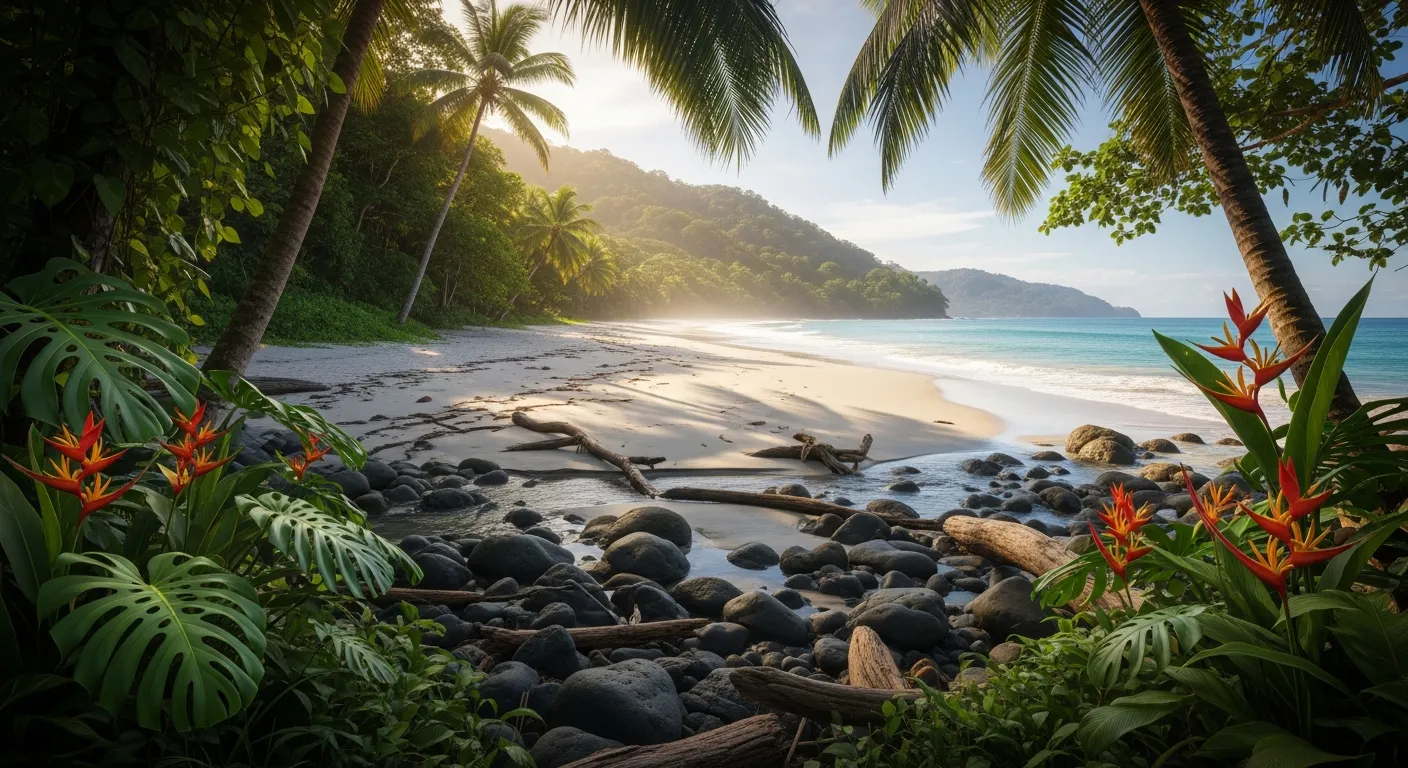
Costa Rica’s odd sliver of geography gives it a coastal split that most visitors never stop to think about. The country holds more than 800 miles of shoreline divided between two oceans that behave nothing alike, each running its own microclimate, wave pattern, and ecosystem.
Life Along the Pacific Side
The Pacific stretch is louder and rawer, and comes with:
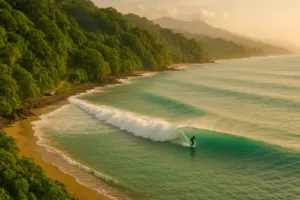
- Serious surf breaks that pull in surfers from around the globe
- Warmer water sitting around 80-85°F for most of the year
- Sunsets that streak the sky orange and purple in a way that photos never quite capture
- A clear wet/dry split that changes what the beach actually looks like depending on when you show up
The Caribbean Side’s Different Rhythm
Cross over to the Caribbean and the whole mood shifts:
- An easygoing Afro-Caribbean culture built around reggae and its own distinct food
- Coral reefs full of fish sitting just offshore, not far to swim
- Rain most of the year, which keeps the jungle behind the sand impossibly green
- Waters that go calm during certain stretches, making snorkeling far easier
Playa Cativo: A Paradise You Can Only Reach by Boat
Set inside the Golfo Dulce region, Playa Cativo is about as untouched as this coastline gets. This tucked-away beach sits on the Osa Peninsula, one of the most biologically dense stretches of land anywhere on the planet.
Why Cativo Stands Apart
The trip out there is part of the experience, not a formality. Leaving from Golfito or Puerto Jiménez, you cut across glassy water, frequently trailed by dolphins or a curious sea turtle or two. The 30-45 minute boat ride works almost like a decompression chamber, slowly stripping away everything that feels like normal life.
Step onto the sand and here’s what’s waiting:
- Old-growth rainforest that runs straight down to the water’s edge with no buffer between forest and beach
- Water so clear you can watch fish weaving through the rocks from dry land
- Almost no other people — some days you’ll have the whole beach to yourself
- Night skies with zero light pollution, stars you simply don’t see anywhere near a city
The Wildlife You’ll Actually Run Into
The jungle pressing in around Cativo is packed with species:
- Scarlet macaws passing overhead in pairs, calling to each other across the bay
- Four separate monkey species moving through the canopy
- Sloths taking their time in the branches above
- Humpback whales breaching offshore during migration windows (July through November, and again December through April)
Playa Zapotal: The Beach Locals Keep Quiet About
Tucked into the southern end of the Nicoya Peninsula, Playa Zapotal has managed to stay off the radar despite being genuinely stunning. It’s a snapshot of what this coast looked like decades before development reached the easier-to-access beaches.
Getting There Is Its Own Filter
The drive to Playa Zapotal isn’t for everyone, but that difficulty is exactly what keeps the crowds away:
What the road throws at you:
- Roughly 6 kilometers of rocky, unpaved track
- River crossings during rainy season (May through November)
- Steep sections that demand low gear
- Thick vegetation closing in like a tunnel on either side
What your vehicle needs to have:
- A high-clearance 4×4 with four-wheel drive that actually works
- Tires with enough tread to grip loose gravel
- Skid plates to protect the underside of the car
What You Get After the Rough Drive
Once you’ve made it past the access road, you’re rewarded with:
The scenery:
- Close to 2 kilometers of soft, honey-toned sand
- Easy, rolling waves good for swimming or bodyboarding
- Almond trees strung along the beach providing natural shade
- Tide pools that appear at low tide like little natural aquariums
How alone you’ll actually be:
- Even in high season, you might only run into 5-10 other people
- Weekdays often mean you get the entire beach to yourself
- No vendors, no restaurants, no built infrastructure at all — just the beach
- Weekends bring local families out for picnics, which is its own kind of cultural window
A Few Things to Know Before You Go
Before you plan a Playa Zapotal trip:
- Bring in everything you’ll need: water, food, sunscreen, and something for shade
- Time your visit for early morning or late afternoon, both for the light and for the cooler air
- Check the tide tables — high tide shrinks the usable beach considerably
- Carry trash bags and stick to leave-no-trace habits
- If driving unfamiliar terrain makes you nervous, hire a local guide with a 4×4
The sand here carries a faint pink undertone from crushed coral and shell fragments, and the color shifts noticeably as the sun moves across the sky. Travel Guide
More Caribbean Coast Beaches Worth Knowing About
The Caribbean Coast’s Quietest Beaches
Playa Negra: Black Sand and a Surprisingly Good Reef
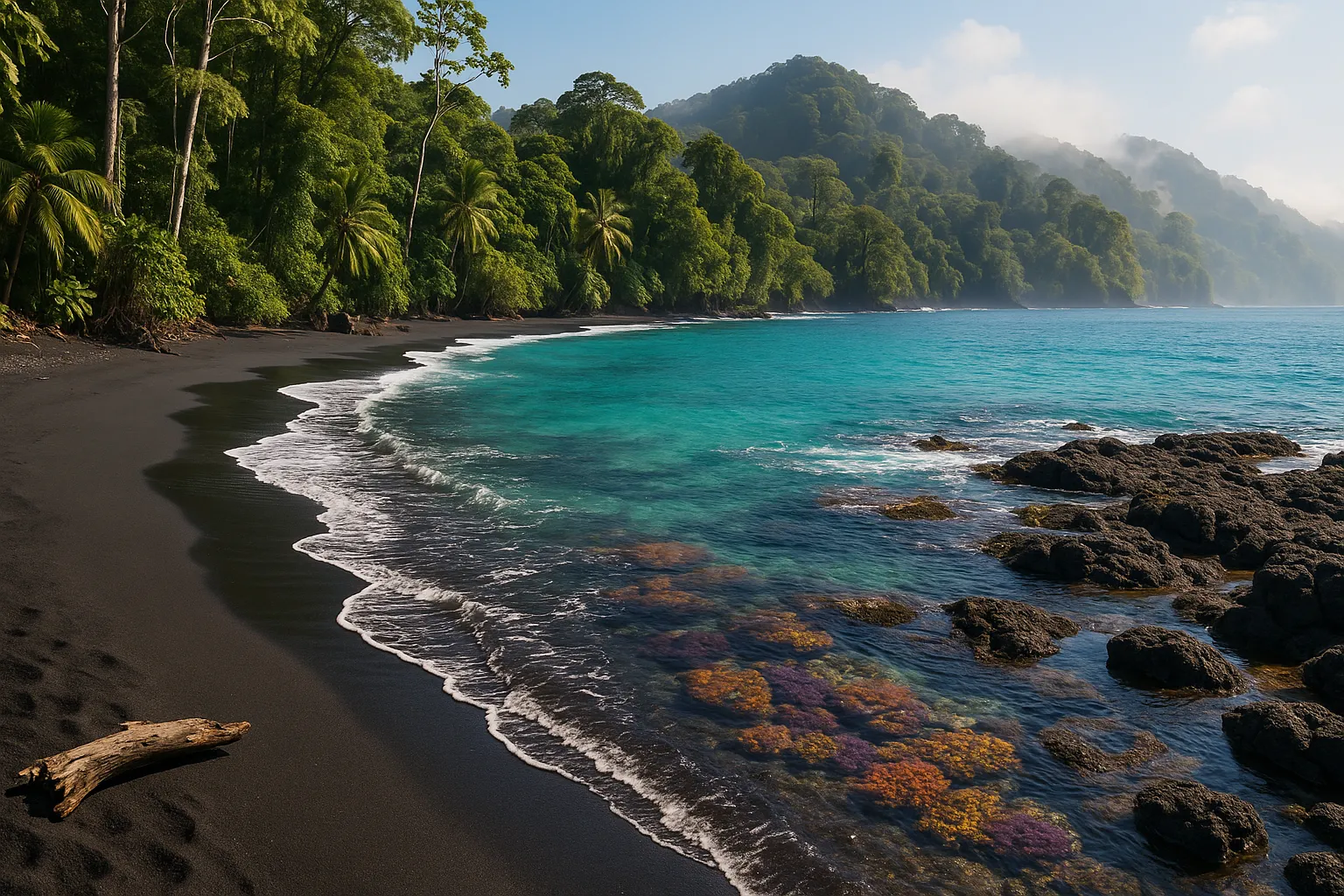
Sitting inside Cahuita National Park, Playa Negra is one of the more visually striking beaches in the entire country. The name comes from the volcanic sand, which sets up a sharp contrast against turquoise Caribbean water. It’s not just a good-looking beach — that black sand is a record of Costa Rica’s volcanic past going back thousands of years.
Why the snorkeling here is a step above:
- Living coral gardens sitting only 50-100 meters offshore, easy enough to reach even if you’re new to snorkeling
- More than 35 coral species building formations in purple, orange, and yellow
- Regular sightings of parrotfish, angelfish, and the occasional sea turtle cruising through
- Calm water for most of the year, especially reliable from September into October
What really sets Playa Negra apart is how empty it stays. Manuel Antonio and Tamarindo pull in thousands of visitors a week; here, you might share the whole stretch with a handful of other people. Show up early and there’s a decent chance you’ll have it entirely to yourself, with nothing but howler monkeys in the trees and waves working against the dark sand.
Manzanillo: Where the Road Simply Stops
At the actual endpoint of the coastal highway in Limón Province sits Manzanillo Beach, a reward for anyone willing to push into Costa Rica’s southeastern edge. Getting there means driving through cacao plantations and thick jungle, and that drive alone keeps the bigger tour operations from bothering.
Reasons Manzanillo earns a spot on the itinerary:
- Calm swimming: the bay’s shape blocks most of the swell, leaving gentle water that’s ideal for families or anyone who just wants to float
- Real culture, not staged for tourists: the village still runs on Afro-Caribbean tradition, and local sodas serve rice and beans cooked properly in coconut milk
- Kayaking at sunset: rent one from a local operator and paddle the shoreline as the sun sinks behind the jungle
- Tide pools worth poking around in: low tide reveals rocky pools full of crabs, tiny fish, and anemones
Gandoca-Manzanillo Wildlife Refuge: Where the Jungle Meets the Ocean
The Gandoca-Manzanillo Wildlife Refuge covers more than 9,000 hectares of protected land, making it one of the densest biodiversity pockets anywhere in Central America. It’s a rare spot where coastline, ocean, and rainforest genuinely blend into one continuous system rather than sitting side by side.
What the trails hold and what you’ll come across:
- The Coastal Trail (about 5.5 km): cuts through primary rainforest with occasional ocean views and beach access along the way
- Animals you’re likely to spot: three monkey species (howler, spider, and capuchin), two-toed sloths tucked into cecropia trees, and over 360 bird species, toucans and rare king vultures among them
- Sea turtle nesting season: four turtle species nest on these protected beaches between March and October, with leatherbacks — some topping 700 pounds — being the standout
A few tips for the refuge:
- Bring on a guide from Manzanillo village — their read on animal behavior and knowledge of side trails turns a basic walk into something genuinely educational
- Use reef-safe sunscreen; the refuge’s marine zone protects coral that doesn’t tolerate much else
- Aim for early morning, 6 to 9 AM, when animals are most active and it’s not yet unbearably hot
- Pack water shoes since you’ll be crossing between jungle path and beach repeatedly
The refuge also shelters manatee habitat within the Gandoca Lagoon system, though spotting one takes patience and a fair bit of luck. These connected waterways support one of the last manatee populations left in Central America, which is exactly why conservation here matters so much.
What It Takes to Reach the Good Stuff
Costa Rica’s real magic tends to start right where the asphalt gives out. The resort towns are convenient, sure, but the country’s best coastal spots rely on rough terrain to do the work of keeping crowds away, which is exactly what preserves that sense of untouched, prehistoric quiet.
Here’s why pushing through the harder route is worth it if you actually want to find Costa Rica’s hidden corners:
How Rough Terrain Filters Out the Crowds
The physical effort it takes to reach these spots means you’re not just visiting a beach — you’re arriving somewhere that feels protected. Tour buses can’t handle the narrow dirt roads or steep jungle paths, which usually gets you:
- Total solitude: plenty of days where your footprints are the only ones on the sand.
- Untouched scenery: without mass tourism, there’s simply no litter, no noise, no vendors setting up shop.
- Sound that hasn’t been drowned out: no beach-bar playlists, just the Pacific hitting volcanic rock and the rainforest making noise behind you.
Why a Sedan Won’t Cut It
A standard rental car simply isn’t built for a lot of these routes. Renting a 4×4 stops being optional and becomes the whole plan. The drive itself turns into a small expedition involving:
- River crossings: during Green Season, roads regularly turn into shallow riverbeds that require nerve and focus to get through.
- What locals call the “Costa Rican Massage”: the bumpy, unpaved roads have earned that nickname, and they force you to slow down and actually notice the terrain changing around you.
- Steep climbs: reaching places like Playa San Juanillo or the bluffs above Santa Teresa usually means a hard climb that hands you sweeping views before you’ve even touched the sand.
When the Road Ends and You Start Walking
Eventually the car can’t go any further, and it’s on foot from there. The walk to Playa Cuevas (known locally as “The Secret Caves”) is basically a crash course in the region’s biodiversity. Winding through dry tropical forest or heavy jungle canopy, the surroundings start doing all the talking.
Keep an eye out for:
- Howler monkeys: their low, guttural calls usually mean the coast is close.
- Blue morpho butterflies: these huge, shimmering butterflies show up often along the shaded stretches leading to the water.
- Coatis: these curious little raccoon relatives are commonly spotted rooting around near trailheads.
Practical Notes for Hunting Down Hidden Spots
Getting to these places safely takes some planning ahead. You’re going to be well outside cell coverage and far from any store, so pack with that in mind:
- Download maps for offline use: Google Maps or Waze both let you save areas ahead of time — a must once the signal disappears.
- Cover “The Big Three”: more water than feels necessary, bug spray for the jungle stretch, and sunscreen for the exposed beach.
- Pay attention to the tides: some hidden coves — Playa Cuevas and its caves especially — are only reachable, or safe, at low tide. Check tide charts before you leave so you don’t end up stranded.
Advice for Travelers Who Like Going Off-Grid
Getting Ready for a Remote Beach Trip
Watching the Weather Before You Set Out
Before heading toward Costa Rica’s more secluded coastal spots, keeping an eye on the weather should sit at the top of your list. The rainy season, generally running May through November, can turn dirt roads into mud pits that trap even drivers who know what they’re doing.
- Grab an offline weather app before you lose signal in the more remote stretches
- Check tide tables locally, since a number of beaches become totally cut off at high tide
- Ask ranger stations or local tour operators about current road conditions
- Rent a 4×4 with real ground clearance — a normal sedan won’t handle most of these access roads
- If rough terrain isn’t your thing, plan your trip for dry season instead, December through April
Packing for Places With No Store Nearby
Part of what makes these beaches special is how cut off they are, which also means you’re on your own once you arrive. No corner store, no restaurant just down the road.
What you shouldn’t leave without:
- Water – plan on 2-3 liters per person minimum, plus extra for rinsing off after swimming
- Snacks that keep – trail mix, energy bars, fruit, sandwiches packed in a cooler
- Sun protection – reef-safe sunscreen (this actually matters for the marine ecosystems here), a wide-brimmed hat, and clothing with UV protection
- A basic first aid kit – bandages, antiseptic, pain relievers, and whatever medications you personally need
- Backup supplies – a flashlight, a portable charger, basic tools, and an actual paper map
Leave No Trace, Taken Seriously
These hidden beaches stay this beautiful precisely because mass tourism hasn’t found them yet. Your job as a visitor goes well beyond just not leaving trash behind.
A few conservation habits worth adopting:
- Carry out everything you brought, including things like fruit peels and food scraps that seem harmless but can throw off the local ecosystem
- Stick to marked trails so you’re not contributing to erosion or disturbing nesting sites for turtles and shorebirds
- Keep your distance from wildlife—watch from far enough away, and never feed or touch anything
- If you’re swimming or rinsing off at the beach, use biodegradable, reef-safe products
- Leave shells, rocks, and sand exactly where they are — they’re part of the ecosystem, not souvenirs
- If you spot trash someone else left behind, take a little extra out with you
Connecting With Nearby Communities
The towns near these remote beaches often act as guardians and resources for the natural areas around them. Stop in and:
- Buy supplies from local vendors instead of stocking up somewhere bigger before you leave
- Ask residents about current conditions, hazards, or what wildlife’s been active lately
- Learn a bit about the area’s cultural background or conservation work
- Hire a local guide — it improves your trip and puts money directly into the community
Show up prepared and mindful of your impact, and you’ll not only keep yourself safe and comfortable but help make sure these places are still worth visiting for whoever comes after you.
The People Behind the Postcard
Step away from the sunset photos and you find the real pulse of Costa Rica: its people. In the quieter corners of the coast, well outside the all-inclusive resorts, life follows the tide rather than a clock. Out here, Pura Vida isn’t a phrase printed on souvenirs — it’s an actual approach to living simply, gratefully, and in community with the people around you.
How the Villages Actually Move Through a Day
In these small coastal hamlets, the day typically starts before the sun does. You’ll see a maritime tradition that hasn’t really changed in generations, as fishermen ready their pangas (small, unpretentious boats) to head out, the same way their grandfathers did.
- Watching: the shoreline comes alive early as the day’s catch — red snapper, mahi-mahi, tuna — gets hauled straight from the water onto the sand.
- Joining in: plenty of these communities welcome respectful visitors. You might end up helping pull in a net or picking up how to mend a fishing line, no shared language required.
Eating Your Way Along the Coast
Eating in these out-of-the-way spots means skipping the fusion menus for Sodas — small, family-run kitchens that are basically the backbone of Costa Rican food culture. The dishes themselves tell you a lot about the region’s geography and history.
1. Caribbean flavors (Puerto Viejo, Manzanillo): On this side, the food carries a clear Afro-Caribbean stamp — rich, coconut-heavy dishes built for comfort.
- Rondón: a spicy coconut-milk seafood soup made from whatever came in that day, served alongside yucca and yam.
- Rice and beans: not the same as everyday gallo pinto — this version simmers slowly in coconut milk with thyme.
2. Pacific-side cooking (Nicoya, Osa Peninsula): Over on the Pacific, the food leans brighter and more citrus-forward, which makes sense given the heat.
- Ceviche Tico: raw fish cured in lime, tossed with finely chopped onion, cilantro, and sweet peppers, usually served with crackers or fried plantain chips.
- Patacones: green plantains fried twice and flattened, salted, and used as a scoop for refried beans or fresh pico de gallo.
Actually Engaging, Not Just Passing Through
To get anywhere near the real version of these hidden spots, you have to stop watching from the sidelines and actually participate. Locals know the good stuff that never makes it onto a map.
- Ask around: skip the app and just ask the Soda owner where they go to watch the sunset, or where it’s actually safe to swim. You might end up hearing about a waterfall or a cove that only opens up at low tide.
- Buy from local artisans: look for goods made from driftwood, coconut shell, or sea glass. Buying directly keeps money in the family and keeps traditional craft alive.
- Slow down: service will take longer, conversations will run long. Let it happen. That’s usually when you hear the town’s real stories and get a sense of the warmth this country is known for.
Why Sustainable Travel Actually Matters Here
The Weight That Comes With Finding Something Beautiful
What makes Costa Rica’s secret spots so appealing — their raw, unspoiled state — also makes them fragile. As travelers push further past the paved main roads, “Leave No Trace” needs to turn into something closer to “Leave It Better.”
Keeping these places intact for whoever visits next means actually practicing a kind of regenerative travel — one that puts the health of the ecosystem and the people living there ahead of convenience.
🌿 Protecting the Environment as You Go
Whether you’re on a remote beach or deep in a jungle reserve, your presence has an effect. Here’s how to keep that effect small:
- Keep distance from wildlife: it’s tempting to get close to a sloth or monkey for a photo, but that closeness stresses animals and can lead to habituation. Don’t feed them, ever.
- Stick to reef-safe products: in places where coral is thriving, ordinary sunscreen is genuinely toxic to it. Go with biodegradable, reef-safe mineral sunscreen (zinc oxide or titanium dioxide) so you’re not contributing to coral bleaching.
- Cut out plastic where you can: a lot of remote villages don’t have real waste infrastructure. Bring a reusable bottle, a filter if you have one, and cloth bags so you’re not leaving behind trash the community has no way to deal with.
💰 Putting Tourism Money Where It Matters
Where you spend your money can genuinely reshape a community. When you’re out exploring places off the usual route, put your spending toward locals, not chains.
- Eat at Sodas: skip the hotel restaurant in favor of small, family-run Sodas. You’ll get real dishes like Casados or Gallo Pinto for less money, and it goes straight to a local family.
- Book local guides: whether you’re hiking to a waterfall or working through a mangrove, a local guide brings knowledge no guidebook has, and your fee supports their income directly.
- Book locally owned places to stay: look for eco-lodges, small cabins, or homestays run by Costa Ricans (Ticos). They typically leave a lighter footprint and put profits back into the area.
🤝 Showing Up for the Culture, Not Just the Scenery
Sustainable travel isn’t only about the environment — it’s also about protecting the “human side” of these places. In hidden coastal towns, tradition runs deep, and engaging with it respectfully adds a lot to the trip.
- Try an artisan workshop: instead of grabbing a mass-produced souvenir, find a workshop for weaving palm leaves, painting oxcart wheels, or working with cacao.
- Pick up some Spanish: even the basics show respect. Going beyond “Hola” and “Gracias” opens doors with locals in places where English isn’t a given.
Practice all of this and you stop being just a tourist — you become part of what keeps the Pura Vida way of life going strong for the next visitor. Travel Guide
Wrapping Up: Say Yes to the Unknown
Why Costa Rica’s Secret Shores Justify the Extra Work
The real magic of Costa Rica’s coast doesn’t show up on page one of any brochure. These hidden stretches of shoreline ask something of you first — a willingness to handle bad roads, hike through jungle, or hop on a boat to reach beaches where you might be the only set of footprints in the sand.
What You Actually Gain by Going Remote
Once you finally reach these lesser-known spots, the effort starts making sense:
- Real wildlife moments: watch sea turtles nest without a tour group crowding the view
- Reefs that haven’t been trampled: snorkel coral that’s avoided the damage over-tourism usually brings
- Genuine local connections: eat ceviche with fishermen who’ve worked these same waters for generations
- Better photos: catch a sunset without a stranger wandering into your shot
- Actual mental quiet: the kind of stillness that only real solitude provides
What “Off the Beaten Path” Actually Means
Skipping Manuel Antonio or Tamarindo for something quieter isn’t only about finding an emptier beach. It’s about shifting into a completely different pace:
- Time works differently out here – without tourist infrastructure around you, you end up matching the local pace instead
- You stop being an observer – rather than watching from a resort, you fold into communities where tourism is a side note, not the main economy
- Every choice matters more – who you talk to and where you spend money has a real, direct effect on small coastal towns
Planning Your Own Hidden Gem Trip
The trick to pulling this off is balancing spontaneity with actual prep work. Look into access requirements, understand the seasonal weather, and pack what you’ll need since there’s no corner store waiting for you out there. A local guide who knows the terrain can also point you toward places no map will ever show.
These lesser-known stretches of coast are basically Costa Rica’s soul — the version of the place that existed before “destination” became the word for it. They’re there for travelers who care more about substance than convenience and memories over amenities.
Gear ended up mattering more than I expected while exploring Costa Rica’s remote beaches — it’s the line between a great day and a rough one. A solid dry bag kept my electronics safe on the boat ride to Playa Cativo, especially once the ocean spray started picking up mid-crossing. Once I landed on these quiet beaches, a tent gave me somewhere shaded to sit between swims, since the tropical sun doesn’t ease up. The Caribbean coast’s coral is worth seeing properly, and real snorkeling gear meant I could stay under for hours without a foggy mask or leaking seal ruining it. And my binoculars stayed within reach the entire trip, useful for everything from howler monkeys in the canopy to dolphins cutting through the waves.
The Night Walk Where the Guide Actually Spoke English (Not “We’ll See”)
I’d tried booking the Monteverde night wildlife walk through two other platforms before I ended up on KKday. Both of the others listed English-speaking guides as “subject to availability,” which, going by experience elsewhere, usually means “don’t count on it.” KKday confirmed it in writing before I even paid. Same thing happened with the Pacuare River rafting trip — my confirmation actually named the guide, Carlos, along with his certification level. It’s a small detail, but when you’re about to drop into Class IV rapids, knowing someone already checked that box ahead of time counts for something.
The night walk delivered — we found a red-eyed tree frog inside the first ten minutes, which felt almost suspiciously perfect for a Costa Rica trip, but I wasn’t complaining. The rafting the next day was, without exaggeration, one of the best days of the entire two weeks I spent on that coastline. If you’re stitching together activities and don’t want to spend a tour morning figuring out whether your guide speaks your language, book through KKday — having the logistics confirmed ahead of time is worth the booking on its own.
| Beach | Access | Water Type | Key Feature |
|---|---|---|---|
| Playa Cativo | Boat only (30-45 min from Golfito or Puerto Jiménez) | Clear | Old-growth rainforest to water’s edge, dolphins and sea turtles |
| Playa Zapotal | 6 km unpaved 4×4 track with river crossings | Waves for swimming/bodyboarding | 2 km honey-toned sand, almond trees for shade, 5-10 people even in high season |
| Playa Negra | Road access in Cahuita National Park | Calm (Sept-Oct especially) | 35+ coral species, parrotfish and angelfish, volcanic black sand |
| Manzanillo | Coastal highway endpoint in Limón Province | Gentle, bay-blocked swell | Afro-Caribbean culture, kayaking at sunset, tide pools |
Why I Stopped Renting Snorkeling Gear After My First Costa Rican Reef
Both coasts here are full of marine life you’ll never notice from the surface, and renting equipment every time you stop somewhere new gets pricey and unreliable fast. I found this out the hard way, showing up to a hidden cove with nothing but bare eyes and instant regret.
Where it delivers
- The fit adjusts enough that it never slips or pinches even after hours in the water, which matters when you’re too distracted by a passing sea turtle to notice you’re even wearing it.
- The lenses stay clear whether you’re in murky water close to shore or the deeper, crystal-clear stuff further out — no strange distortion that leaves you wondering if that’s a fish or just a reflection.
- It packs down small enough to toss in a backpack without adding real weight, which counts for something when you’re bouncing between five coastal towns over three weeks.
Where it falls short
- The snorkel tube shifts a bit if you don’t set it exactly right, and there’s a small learning curve to not swallowing seawater on your first couple of dives — something I found out in a fairly undignified way.
- You actually have to dry it out properly between uses; leave it bundled up damp for even a day and you’ll be scrubbing out mildew that doesn’t want to leave.
I almost ditched it halfway through my trip after a frustrating afternoon where I couldn’t get a proper seal, but a local guide showed me a small adjustment that changed everything. If you’re serious about seeing what’s actually beneath those Costa Rican waves, grab a snorkeling gear set before you go.
Frequently Asked Questions
What is the best time of year to visit Costa Rica’s remote beaches?
Plan your trip for dry season, December through April, to avoid rainy season mud and road flooding. If you must travel May through November, expect dirt roads to turn into mud pits and check current road conditions with local rangers or tour operators before heading out to remote coastal spots.
Can I reach Playa Cativo without a boat?
No, Playa Cativo sits inside the Golfo Dulce region on the Osa Peninsula and is only reachable by boat. The 30-45 minute crossing departs from Golfito or Puerto Jiménez and frequently passes dolphins and sea turtles along the way.
What type of vehicle do I need for Playa Zapotal?
You need a high-clearance 4×4 with four-wheel drive and tires with enough tread to grip loose gravel plus skid plates to protect the underside. The roughly 6 kilometers of rocky, unpaved track includes river crossings during rainy season and steep sections demanding low gear.
What marine life can I expect to see at Playa Negra in Cahuita?
Playa Negra’s coral gardens sit only 50-100 meters offshore and support more than 35 coral species in purple, orange, and yellow. You’ll regularly spot parrotfish, angelfish, and occasional sea turtles cruising through calm water that stays especially reliable from September into October.
About This Article

Written by Elena Vasquez. Elena Vasquez is a full-time traveler and the founder of Witty Passport. Over fifteen years and more than 50 countries across six continents — including a stretch spent leading groups professionally through Southeast Asia and the remote highlands of South America — she's written the kind of destination guides she always wished existed: practical, specific, and built on real experience rather than recycled itineraries. More about this site.
Scope and limits. Elena is a full-time traveler, not a licensed travel agent or immigration adviser. Entry requirements, visa rules, and advisories change without notice — always confirm against the official government source for your destination and passport before booking.
Verify this against a primary source
Specifics change, and your situation may differ from the one described here. These are the authorities worth checking directly:
- U.S. Department of State — entry requirements and travel advisories
- CDC Travelers' Health — vaccination and health notices by destination
- TSA — current carry-on and screening rules