
Exploring Costa Rica’s Hidden Coastal Gems
Costa Rica, renowned for its lush rainforests and vibrant wildlife, also harbors a coastline brimming with hidden treasures. While many travelers flock to popular beaches, there are secluded spots that promise tranquility and untouched beauty. These spots, often tucked away and requiring adventurous journeys, offer a glimpse into Costa Rica’s unspoiled coastal charm.
During my explorations of Costa Rica’s remote beaches, I learned that having the right gear makes all the difference between a comfortable adventure and a challenging one. A quality dry bag proved essential for protecting my electronics and valuables during boat transfers to places like Playa Cativo, especially when ocean spray kicked up during the crossing. Once I arrived at these secluded shores, setting up a tent provided much-needed shade from the intense tropical sun while I relaxed between swims. The Caribbean coast’s spectacular coral reefs are best explored with proper snorkeling gear, which allowed me to spend hours discovering the underwater world without foggy goggles or water leaking into my mask. Finally, I always kept my binoculars handy for spotting wildlife along the coast, from howler monkeys in the jungle canopy to dolphins playing in the surf.
Discovering Secluded Beaches
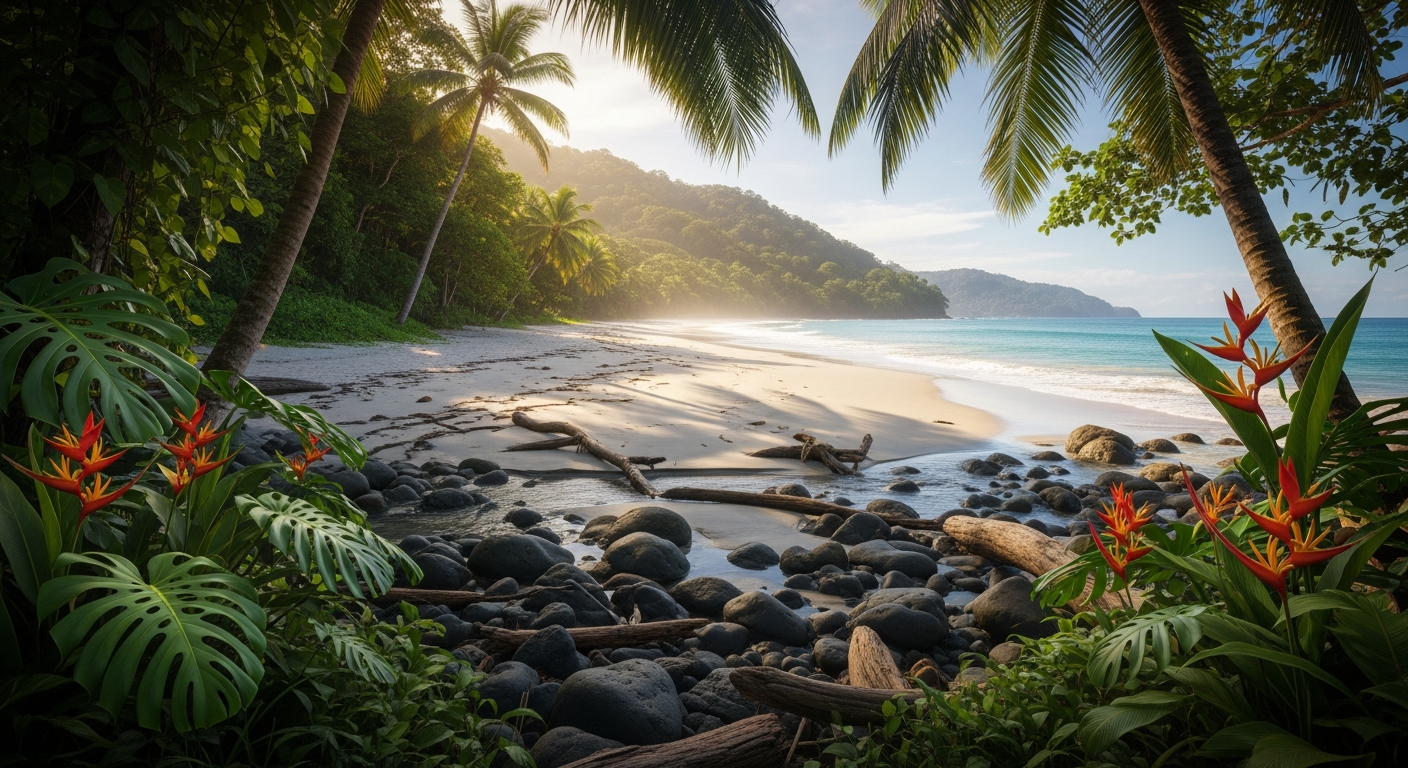
Discovering Costa Rica’s Dual Coastlines
Costa Rica’s unique geographical position creates a remarkable coastal duality that few travelers fully appreciate. The country enjoys over 800 miles of pristine shoreline split between two dramatically different oceans, each with its own microclimate, wave patterns, and ecological characteristics.
The Pacific Coast Experience
The Pacific coastline presents a wilder, more dramatic oceanfront with:
- Powerful surf breaks that attract international surfers
- Warmer water temperatures averaging 80-85°F year-round
- Spectacular sunset views that paint the sky in vibrant oranges and purples
- Distinct wet and dry seasons that create varying beach conditions
The Caribbean Coast Character
In contrast, the Caribbean side offers:
- Laid-back Afro-Caribbean culture with reggae rhythms and unique cuisine
- Coral reefs teeming with tropical fish just offshore
- Year-round rainfall creating lush, verdant jungle backdrops
- Calmer waters during certain seasons, perfect for snorkeling
Playa Cativo: The Ultimate Boat-Access Paradise
Nestled within the Golfo Dulce region, Playa Cativo represents the epitome of untouched coastal beauty. This hidden sanctuary sits on the Osa Peninsula, one of the most biodiverse places on Earth.
What Makes Playa Cativo Extraordinary
The journey itself becomes part of the adventure. Departing from Golfito or Puerto Jiménez, visitors glide across mirror-like waters, often accompanied by playful dolphins or curious sea turtles. The 30-45 minute boat ride serves as a transitional experience, gradually removing you from civilization.
Upon arrival, you’ll discover:
- Primary rainforest that descends directly to the waterline, creating a seamless transition between ecosystems
- Crystalline waters so clear you can observe fish darting between rocks from the shore
- Complete absence of crowds—some days you may be the only person on the entire beach
- Night skies unpolluted by light, revealing constellations rarely visible elsewhere
Wildlife Encounters at Playa Cativo
The surrounding jungle hosts an incredible array of species:
- Scarlet macaws flying overhead in pairs, their calls echoing across the bay
- Four species of monkeys swinging through canopy branches
- Sloths moving leisurely through the trees
- Humpback whales breaching offshore during migration seasons (July-November and December-April)
Playa Zapotal: The Locals’ Cherished Secret
Located in the Nicoya Peninsula’s southern reaches, Playa Zapotal remains blissfully off the tourist radar despite its extraordinary beauty. This beach exemplifies what Costa Rica’s coast looked like decades ago, before development transformed more accessible areas.
The Adventure of Getting There
The journey to Playa Zapotal is not for the faint of heart, but it serves as a natural filter that keeps crowds away:
Road conditions include:
- Approximately 6 kilometers of unpaved, rocky terrain
- River crossings during rainy season (May through November)
- Steep inclines requiring low-gear navigation
- Dense vegetation creating a tunnel-like passage
Essential vehicle requirements:
- High-clearance 4×4 with functional four-wheel drive
- Good tire tread for gripping loose gravel
- Skid plates to protect the undercarriage
What Awaits at Playa Zapotal
After navigating the challenging access road, visitors are rewarded with:
Natural features:
- Nearly 2 kilometers of honey-colored sand that remains soft and powdery
- Gentle, rolling waves perfect for swimming and bodyboarding
- Natural shade provided by almond trees lining the beach
- Tide pools forming during low tide, creating natural aquariums
The solitude factor:
- Even during peak tourist season, you might encounter only 5-10 other people
- Weekdays often mean complete beach privacy
- No vendors, no restaurants, no infrastructure—just pure nature
- Local families picnicking on weekends, offering authentic cultural glimpses
Best Practices for Visiting
When planning your Playa Zapotal adventure:
- Pack everything you need: water, snacks, sunscreen, and shade equipment
- Arrive early morning or late afternoon for the best lighting and cooler temperatures
- Check tide schedules, as high tide reduces beach width significantly
- Bring trash bags and practice “leave no trace” principles
- Consider hiring a local guide with a 4×4 if you’re uncomfortable driving
The golden sands here contain subtle pink hues from crushed coral and shells, creating a unique color palette that shifts with the sun’s angle throughout the day. Travel Guide
Unique Beaches of the Caribbean Coast
Discovering the Caribbean Coast’s Best-Kept Secrets
Playa Negra: Where Volcanic Beauty Meets Marine Wonderland
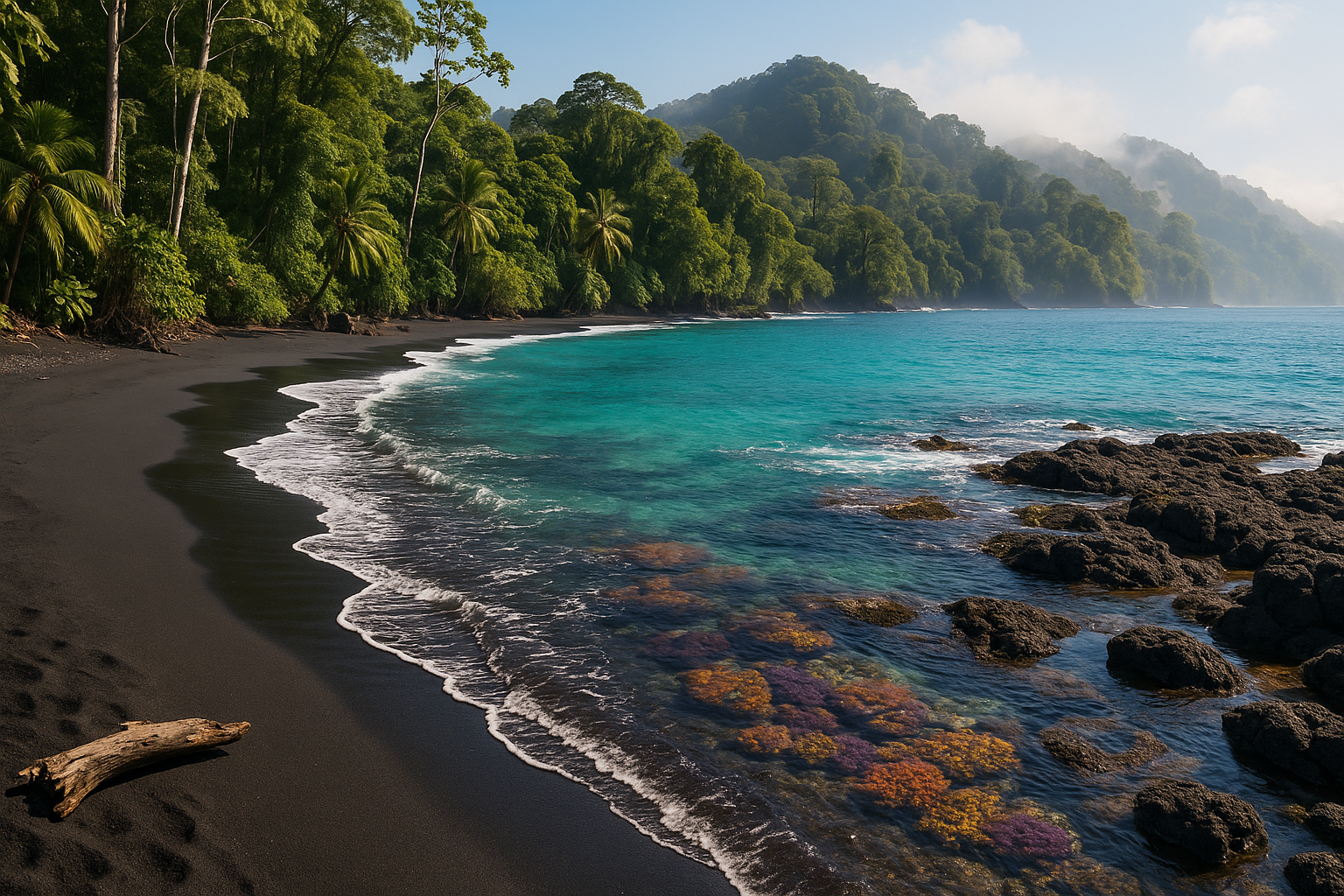
Tucked within Cahuita National Park, Playa Negra stands as one of Costa Rica’s most distinctive coastal experiences. The beach earns its name from the striking volcanic sand that creates a dramatic contrast against the turquoise Caribbean waters. This geological feature isn’t just visually stunning—it tells the story of Costa Rica’s volcanic history stretching back thousands of years.
What makes the snorkeling here exceptional:
- Living coral gardens that extend just 50-100 meters from shore, making them easily accessible even for beginners
- Over 35 species of coral creating underwater formations in shades of purple, orange, and yellow
- Regular sightings of parrotfish, angelfish, and the occasional sea turtle gliding through the warm waters
- Calm conditions during most of the year, particularly from September through October
The true magic of Playa Negra lies in its remarkable emptiness. While Manuel Antonio and Tamarindo beaches see thousands of visitors weekly, you might share this entire stretch of coastline with only a handful of other travelers. Early morning visits often mean having the entire beach to yourself, with only the sounds of howler monkeys in the nearby trees and waves gently lapping against the dark shore.
Manzanillo: The End of the Road Paradise
Located at the literal end of the coastal highway in Limón Province, Manzanillo Beach rewards those who venture to Costa Rica’s southeastern corner. The journey itself—a scenic drive through cacao plantations and dense jungle—serves as a natural filter, keeping mass tourism at bay.
Why Manzanillo deserves a spot on your itinerary:
- Pristine swimming conditions: The bay’s natural protection creates gentle waves perfect for families and those seeking relaxed water activities
- Cultural authenticity: The small village maintains strong Afro-Caribbean traditions, with local sodas serving authentic rice and beans cooked in coconut milk
- Sunset kayaking: Rent a kayak from local operators and paddle along the coastline as the sun dips below the jungle canopy
- Tide pool exploration: During low tide, natural pools form along the rocky sections, creating perfect spots for observing crabs, small fish, and sea anemones
Gandoca-Manzanillo Wildlife Refuge: Where Land Meets Sea
The Gandoca-Manzanillo Wildlife Refuge encompasses over 9,000 hectares of protected ecosystems, creating a biodiversity hotspot that rivals any in Central America. This refuge represents something increasingly rare: a place where coastal, marine, and rainforest environments intersect seamlessly.
Trail highlights and what you’ll encounter:
- The Coastal Trail (approximately 5.5 km): Winds through primary rainforest while offering periodic ocean views and beach access points
- Wildlife spotting opportunities: Three species of monkeys (howler, spider, and capuchin), two-toed sloths draped in cecropia trees, and over 360 bird species including toucans and rare king vultures
- Seasonal sea turtle nesting: Four species of sea turtles nest along these protected beaches between March and October, with leatherbacks being the most impressive at up to 700 pounds
Pro tips for exploring the refuge:
- Hire a local guide from Manzanillo village—their knowledge of animal behavior and hidden trails transforms a simple hike into an educational adventure
- Bring reef-safe sunscreen, as the refuge’s marine section protects critical coral ecosystems
- Time your visit for early morning (6-9 AM) when wildlife is most active and temperatures remain comfortable
- Pack water shoes for transitioning between jungle trails and beach sections
The refuge also protects critical manatee habitat in the Gandoca Lagoon system, though sightings of these gentle giants require patience and considerable luck. The interconnected waterways here support one of Central America’s few remaining manatee populations, making conservation efforts in this region particularly crucial.
Reaching the Unreachable
The true magic of Costa Rica often begins exactly where the pavement ends. While the popular resort towns offer convenience, the country’s most spectacular coastal treasures use rugged terrain as a natural filter, keeping the crowds at bay and preserving a sense of prehistoric solitude.
Here is why embracing the difficult journey is essential to uncovering Costa Rica’s hidden gems:
The “Natural Filter” Effect
The physical exertion required to reach these secluded spots ensures that you aren’t just visiting a beach; you are discovering a sanctuary. Because tour buses cannot navigate the narrow dirt tracks or steep jungle trails, you are often rewarded with:
- Absolute Solitude: It is not uncommon to be the only person leaving footprints in the sand.
- Pristine Landscapes: Without mass tourism, there is a distinct lack of litter, noise pollution, and commercial vendors.
- Uninterrupted Soundscapes: Instead of music from beach bars, you hear the raw power of the Pacific crashing against volcanic rock and the chatter of the rainforest behind you.
The 4×4 Experience
For many of these destinations, a standard sedan simply won’t cut it. Renting a 4×4 vehicle is less of a luxury and more of a necessity. The drive transforms into an engaging expedition where you must navigate:
- River Crossings: In the rainy season (Green Season), roads often turn into shallow riverbeds, requiring focus and a spirit of adventure to cross.
- The “Costa Rican Massage”: Locals jokingly refer to the bumpy, unpaved roads as a free massage. These rocky paths force you to slow down and appreciate the changing topography.
- Vertical Climbs: Reaching spots like Playa San Juanillo or the cliffs above Santa Teresa often involves steep ascents that offer breathtaking panoramic views before you even touch the sand.
The Jungle Trek: More Than Just a Walk
When the car can go no further, your legs take over. The hike to places like Playa Cuevas (often called “The Secret Caves”) is a masterclass in biodiversity. As you weave through the dry tropical forest or dense jungle canopy, the environment comes alive.
What to look for on the trail:
- Howler Monkeys: Their guttural roars often signal that you are getting close to the coastline.
- Blue Morpho Butterflies: These massive, iridescent butterflies frequently flutter along the shaded paths leading to the ocean.
- Coatis: These curious, raccoon-like creatures are often seen foraging near the trailheads.
Pro-Tips for the Hidden Gem Hunter
To safely enjoy these off-grid excursions, preparation is key. Since you will be far from convenience stores and cell reception, pack accordingly:
- Download Offline Maps: Apps like Google Maps or Waze allow you to download areas for offline use—essential when the signal drops.
- Pack “The Big Three”: Always bring more water than you think you need, bug spray for the jungle trek, and sunscreen for the unshaded beaches.
- Mind the Tides: Many hidden coves, especially those with caves like Playa Cuevas, are only accessible or safe during low tide. Always check the tide charts before setting out to avoid getting stranded.
Tips for the Adventurous Traveler
Essential Preparation for Your Remote Beach Adventure
Weather Awareness and Seasonal Considerations
Before embarking on your journey to Costa Rica’s secluded coastal paradises, monitoring weather patterns should be your first priority. The country’s rainy season, typically spanning from May through November, transforms dirt roads into muddy obstacle courses that can trap even experienced drivers.
- Download offline weather apps before losing cell service in remote areas
- Check local tide schedules, as some beaches become completely inaccessible during high tide
- Contact nearby ranger stations or local tour operators for real-time road condition updates
- Consider renting a 4×4 vehicle with high clearance—standard sedans simply won’t cut it for most hidden beaches
- Plan your visit during the dry season (December through April) if you’re uncomfortable navigating challenging terrain
Packing Smart: The Remote Beach Essentials Checklist
The isolation that makes these beaches so magical also means you’re entirely self-sufficient once you arrive. There won’t be a convenience store around the corner or a restaurant down the street.
Critical supplies to pack:
- Water – Bring at least 2-3 liters per person, plus extra for rinsing off saltwater
- Non-perishable snacks – Trail mix, energy bars, fresh fruit, and sandwiches in a cooler
- Sun protection – Reef-safe sunscreen (crucial for protecting Costa Rica’s marine ecosystems), wide-brimmed hats, and UV-protective clothing
- First aid kit – Include bandages, antiseptic, pain relievers, and any personal medications
- Emergency supplies – Flashlight, portable phone charger, basic tools, and a physical map
Becoming a Guardian of Paradise: Leave No Trace Principles
The pristine beauty of Costa Rica’s hidden beaches exists precisely because they’ve avoided mass tourism’s environmental toll. Your responsibility as a visitor extends far beyond simply not littering.
Practice these conservation principles:
- Pack out everything you pack in, including organic waste like fruit peels and food scraps that can disrupt local ecosystems
- Stay on established trails to prevent erosion and protect nesting sites for sea turtles and shorebirds
- Never disturb wildlife—observe from a respectful distance and resist the urge to touch or feed animals
- Use biodegradable, reef-safe products if you plan to swim or shower at the beach
- Avoid removing shells, rocks, or sand—these are integral parts of the coastal ecosystem
- If you encounter trash left by others, consider carrying out more than you brought in
Building Community Connections
Local communities near these remote beaches often serve as invaluable resources and guardians of these natural treasures. Stop by nearby villages to:
- Purchase supplies from local vendors, supporting the regional economy
- Ask residents about current conditions, hidden dangers, or seasonal wildlife activity
- Learn about cultural significance or conservation efforts related to the area
- Hire local guides who can enhance your experience while providing sustainable income to communities
By approaching your visit with thorough preparation and environmental consciousness, you’ll not only ensure your own safety and comfort but also help preserve these extraordinary locations for generations of travelers to come.
Local Culture and Coastal Communities
Stepping away from the postcard-perfect sunsets reveals the true heartbeat of Costa Rica: its people. In the quiet corners of the coastline, far removed from the all-inclusive resorts, life moves to the rhythmic lull of the tides rather than the ticking of a clock. Here, the concept of Pura Vida isn’t just a catchy slogan for tourists; it is a lived philosophy of simplicity, gratitude, and community connection.
The Rhythms of Village Life
In these hidden coastal hamlets, the day often begins before dawn. You’ll witness a timeless maritime heritage where artisan fishermen prepare their pangas (small, modest boats) to head out into the open water, just as their grandfathers did.
- Observation: Watch the shoreline bustle in the early morning as the catch of the day is hauled in—red snapper, mahi-mahi, and tuna brought directly from the ocean to the sand.
- Participation: Many of these communities are welcoming to respectful observers. You might find yourself helping to pull in a net or learning the delicate art of repairing fishing lines, bridging the language barrier with shared effort.
A Culinary Map of the Coast
When you dine in these secluded spots, you are skipping the international fusion menus in favor of Sodas—small, family-run eateries that serve as the backbone of Costa Rican dining. The flavors here tell the story of the region’s history and geography.
1. The Caribbean Influence (Puerto Viejo, Manzanillo): On the Caribbean side, the cuisine is infused with Afro-Caribbean heritage. Expect rich, coconut-based dishes that warm the soul.
- Rondón: A spicy, coconut milk seafood soup made with whatever the ocean yielded that day, paired with tubers like yucca and yam.
- Rice and Beans: Distinct from the standard gallo pinto, this is cooked slowly in coconut milk and thyme.
2. The Pacific Tradition (Nicoya, Osa Peninsula): The Pacific coast offers fresher, citrus-forward profiles perfect for hot days.
- Ceviche Tico: Fresh raw fish cured in lime juice, mixed with finely chopped onion, cilantro, and sweet peppers, often served with crackers or fried plantain chips.
- Patacones: Twice-fried green plantains, smashed flat and salted—the ultimate vessel for refried beans or fresh pico de gallo.
How to authentically Engage
To truly unlock the secrets of these hidden gems, you must step out of the role of a spectator and become a participant. Locals are the best guides to the wonders that aren’t listed on any map.
- Ask Questions: Instead of relying on an app, ask the owner of the Soda where they like to watch the sunset or where the safest swimming holes are. You might discover a hidden waterfall or a secret cove accessible only at low tide.
- Support Local Artisans: Look for handmade goods crafted from driftwood, coconut shells, or sea glass. Purchasing these items directly supports the family economy and keeps traditional craftsmanship alive.
- Respect the Pace: Service may be slower, and conversations may be longer. Embrace this delay. It is in these unhurried moments that you hear the legends of the town, the history of the land, and the genuine warmth that defines the Costa Rican spirit.
The Importance of Sustainable Tourism
Preserving the Magic: The Responsibility of Discovery
The allure of Costa Rica’s secret spots lies in their raw, untouched beauty, but this isolation makes them incredibly fragile. As travelers venture beyond the paved roads of popular tourist hubs, the philosophy of “Leave No Trace” must evolve into “Leave It Better.”
To ensure these hidden gems survive for future generations, visitors must actively participate in a model of regenerative travel that prioritizes the health of the ecosystem and the prosperity of the people who call it home.
🌿 Environmental Stewardship in Action
When visiting remote coastal areas or dense jungle reserves, your footprint matters. Here is how you can minimize your impact:
- Respect Wildlife Boundaries: The temptation to get close to a sloth or a monkey for a photo is high, but maintaining a safe distance is crucial to reduce animal stress and prevent habituation. Never feed wildlife.
- Reef-Safe Protection: In pristine coastal gems where coral reefs thrive, standard sunscreens can be toxic. Always opt for biodegradable, reef-safe mineral sunscreens (zinc oxide or titanium dioxide) to prevent chemical bleaching of the coral.
- Plastic-Free Commitment: Many remote villages lack advanced waste management infrastructure. Bring reusable water bottles, filtration systems, and cloth bags to ensure you aren’t leaving behind trash that the community cannot process.
💰 Empowering the Local Economy
Your tourism dollars have the power to transform communities. When exploring off-the-beaten-path destinations, direct your spending toward the people who live there rather than international conglomerates.
- Dine at “Sodas”: Skip the hotel restaurant and eat at local Sodas—small, family-run eateries. You’ll enjoy authentic dishes like Casados or Gallo Pinto at a fraction of the price while directly supporting a local family.
- Hire Local Guides: Whether you are hiking to a secret waterfall or navigating a mangrove, hiring a local guide is invaluable. They possess generational knowledge of the terrain and biodiversity that no guidebook can offer, and your payment supports their livelihood.
- Stay in Locally Owned Lodges: Look for eco-lodges, boutique cabins, or homestays owned by Costa Ricans (Ticos). These accommodations often have a smaller carbon footprint and invest their profits back into the community.
🤝 Cultural Immersion and Heritage
Sustainable tourism is also about preserving the “human ecosystem.” In hidden coastal towns, traditions run deep, and engaging with them respectfully enriches your experience.
- Participate in Artisan Workshops: Instead of buying mass-produced souvenirs, seek out workshops where you can learn to weave palm leaves, paint traditional oxcart wheels, or process cacao.
- Learn the Language: Even a basic grasp of Spanish shows respect. Using phrases beyond “Hola” and “Gracias” helps build genuine bridges with residents in remote areas where English may not be widely spoken.
By adopting these practices, you become more than a tourist; you become a guardian of the Pura Vida lifestyle, ensuring that the wild heart of Costa Rica continues to beat strong. Travel Guide
Conclusion: Embrace the Unknown
Why Costa Rica’s Secret Shores Are Worth the Extra Effort
The true magic of Costa Rica’s coastline doesn’t reveal itself on the first page of travel brochures. These secluded paradises demand something from you—a willingness to navigate unpaved roads, hike through jungle trails, or charter a boat to reach shores where your footprints might be the only ones in the sand.
The Tangible Rewards of Going Remote
When you finally arrive at these lesser-known coastal havens, you’ll understand why the journey matters:
- Authentic wildlife encounters: Watch sea turtles nest without competing for viewing space with tour groups
- Pristine ecosystems: Snorkel in coral reefs that haven’t been damaged by over-tourism
- Local connections: Share fresh ceviche with fishermen who’ve worked these waters for generations
- Photographic opportunities: Capture sunset scenes without strangers wandering into your frame
- Mental restoration: Experience the profound quiet that only comes from true solitude
What “Off the Beaten Path” Really Means
Venturing beyond popular destinations like Manuel Antonio or Tamarindo isn’t just about finding emptier beaches. It’s about stepping into a different rhythm entirely:
- Time moves differently – Without the infrastructure of tourist zones, you’ll adapt to the pace of local life
- You become part of the landscape – Rather than observing from a resort, you’ll integrate into communities where tourism is supplementary, not primary
- Every interaction carries weight – The conversations you have and the businesses you support directly impact small coastal villages
Planning Your Hidden Gem Adventure
The key to successfully exploring these secret spots lies in balancing spontaneity with preparation. Research access requirements, understand seasonal weather patterns, and pack essentials that won’t be available at corner stores. Consider hiring local guides who know the terrain and can introduce you to places that don’t appear on any map.
These undiscovered stretches of coastline represent Costa Rica’s soul—the version of paradise that existed before it became a destination. They’re waiting for travelers who value quality over convenience and memories over amenities.
During my explorations of Costa Rica’s remote beaches, I learned that having the right gear makes all the difference between a comfortable adventure and a challenging one. A quality dry bag proved essential for protecting my electronics and valuables during boat transfers to places like Playa Cativo, especially when ocean spray kicked up during the crossing. Once I arrived at these secluded shores, setting up a tent provided much-needed shade from the intense tropical sun while I relaxed between swims. The Caribbean coast’s spectacular coral reefs are best explored with proper snorkeling gear, which allowed me to spend hours discovering the underwater world without foggy goggles or water leaking into my mask. Finally, I always kept my binoculars handy for spotting wildlife along the coast, from howler monkeys in the jungle canopy to dolphins playing in the surf.
*As an Amazon Associate, I earn from qualifying purchases.