
A Tapestry of Ecological Zones
The Royal Society for the Conservation of Nature (RSCN) actively manages these vital sanctuaries. They span the entire length of the country. For instance, the Dana Biosphere Reserve is the largest and most diverse protected area. It uniquely encompasses four distinct biogeographical zones. Consequently, it supports hundreds of plant species and rare animals. Visitors might spot the threatened Syrian Serin here. Furthermore, the reserve drops dramatically in elevation. It shifts from high mountain ridges to low desert valleys.
Whether you’re planning to explore Jordan’s hidden trails or venture into remote archaeological sites, having the right gear makes all the difference in your adventure. A reliable backpack with proper weight distribution and weather protection ensures you can carry everything needed for full-day explorations through Dana Biosphere Reserve or the back trails of Little Petra. For navigating rocky terrain and uneven paths around ancient ruins, quality hiking boots with ankle support and waterproof construction protect your feet during those early morning hikes to secret viewpoints. After trekking through wadis or exploring dusty archaeological sites, a quick-drying backpack towel becomes essential for freshening up without adding bulk to your gear. Staying hydrated in Jordan’s desert climate is crucial, so carrying a purifying bottle lets you safely refill from natural springs and local sources throughout your journey. Capturing those breathtaking dawn perspectives at Ajloun Castle or candid moments with local shepherds requires a high-quality camera that handles varying light conditions and produces stunning detail. The intense Middle Eastern sun demands serious protection, which is why an Oversize Large Wide brimmed hat shields your face and neck during midday explorations when shade is scarce. Complementing your sun protection strategy, applying Clinique Solutions Sunscreen with broad spectrum coverage prevents sunburn during those extended outdoor adventures through exposed canyon trails. For shorter day trips to nearby villages or quick excursions to local markets, a compact backpack provides just enough space without the burden of carrying unnecessary weight. Remote hiking areas and less-traveled paths make safety preparation important, so packing a comprehensive backpack first aid kit gives you peace of mind when exploring far from tourist infrastructure. Finally, keeping your devices charged for navigation apps, translation tools, and communication with locals becomes effortless with a slim pack portable charger that easily fits in any pocket or bag compartment.
*As an Amazon Associate, I earn from qualifying purchases.
In contrast, other reserves offer entirely different experiences. The Mujib Biosphere Reserve is known as the “Grand Canyon of Jordan.” It features deep gorges and flowing rivers near the Dead Sea. Additionally, it serves as a habitat for the majestic Nubian Ibex. Therefore, the terrain is rugged, steep, and breathtaking.
Key highlights of Jordan’s biodiversity include:
- Rare Flora: The Black Iris, Jordan’s national flower.
- Endangered Fauna: The Arabian Oryx and Striped Hyena.
- Migratory Birds: Millions of birds pass through the Rift Valley annually.
From Evergreen Forests to Desert Sands
Travelers are often surprised by the greenery in the north. Specifically, the Ajloun Forest Reserve protects an ancient woodland ecosystem. It is dominated by evergreen oak, carob, and pistachio trees. Moreover, this area provides a cool refuge during hot summers. Hikers can explore trails that wind through dense vegetation. As a result, it feels worlds away from the arid deserts usually associated with the region.
However, the south offers a starkly beautiful alternative. The vast landscapes of Wadi Rum are protected for their natural and cultural value. Here, red sandstone mountains rise from the sand. Meanwhile, the Shaumari Wildlife Reserve focuses on breeding programs. It was created to reintroduce extinct species into the wild. Thus, conservation efforts here are highly specialized and effective.
Empowering Local Communities
These reserves successfully integrate nature conservation with socioeconomic development. The RSCN has established a model where nature helps people. For example, the award-winning Feynan Ecolodge is solar-powered and locally staffed. It sits deep within the Dana Reserve. Consequently, the lodge provides income for dozens of Bedouin families.
Local residents are involved in various roles:
- Nature Guides: Sharing knowledge of plants and history.
- Park Rangers: Protecting wildlife from poaching.
- Artisans: Creating handicrafts at onsite workshops.
This approach ensures that tourism dollars stay within the region. Therefore, locals become the primary defenders of the land. They see a direct link between a healthy ecosystem and their own prosperity. Ultimately, this creates a sustainable cycle of protection and benefit.
Ajloun Forest Reserve: A Green Oasis in the Highlands
The Ajloun Forest Reserve presents a striking contrast to typical Middle Eastern landscapes. Travel Guide Rolling hills covered in dense oak and pistachio forests create a Mediterranean atmosphere. This northern reserve spans approximately 13 square kilometers of protected woodland.
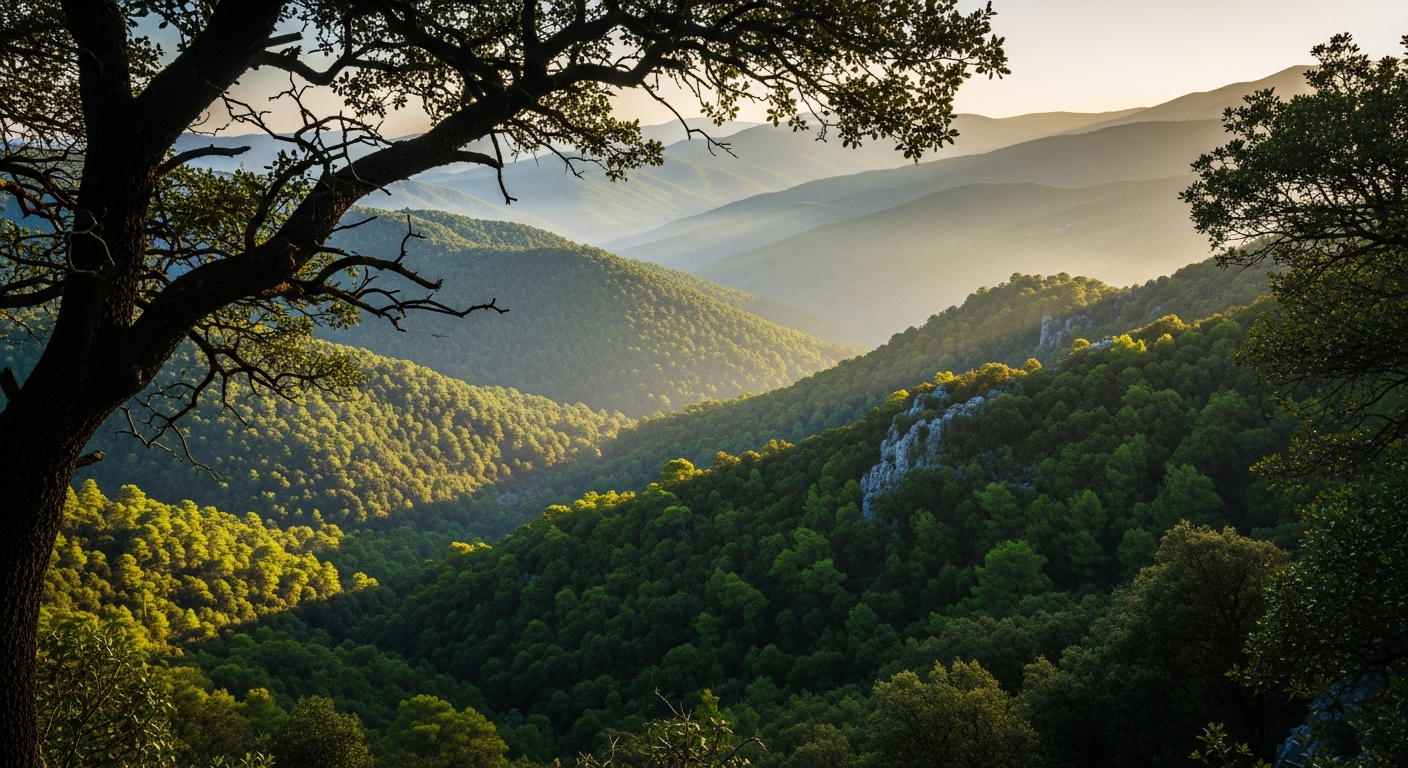
Visitors often express surprise at the lush greenery. The reserve receives significantly more rainfall than surrounding regions. Consequently, the area supports a rich tapestry of plant species. Ancient olive trees dot the hillsides alongside wild strawberries and orchids.
Wildlife in the Woodlands
The forest teems with wildlife that has found refuge here. Roe deer wander through the undergrowth during early morning hours. Additionally, striped hyenas prowl the area at night. Birdwatchers frequently spot over 100 different species throughout the seasons.
Raptors circle overhead, hunting for small mammals below. Persian squirrels leap between branches in acrobatic displays. Furthermore, the reserve protects several endangered species. Stone martens and jungle cats maintain small but stable populations within the protected boundaries.
Cultural Heritage and Local Communities
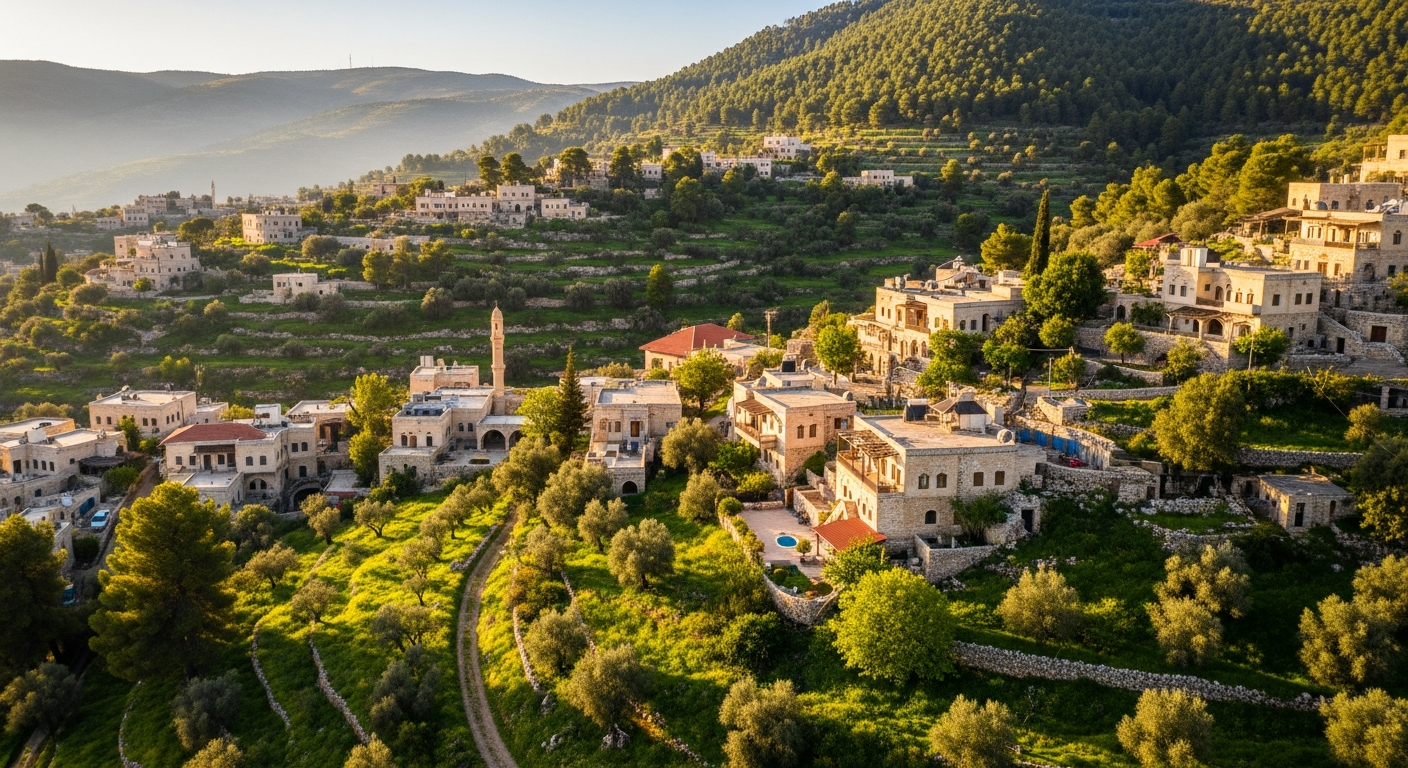
Local villages surrounding Ajloun have deep historical roots. Families have inhabited these highlands for countless generations. The Royal Society for the Conservation of Nature works closely with these communities. This partnership creates economic opportunities through sustainable tourism.
Traditional Crafts and Economic Sustainability
Local artisans breathe life into centuries-old traditions through their skilled handiwork. The reserve’s visitor center showcases intricate pottery, woven textiles, and hand-carved wooden items. Each piece tells a story of cultural heritage passed down through generations. Furthermore, these crafts provide vital income for village families. The sales directly support community development and conservation efforts. Additionally, visitors can watch demonstrations of traditional weaving techniques. This interactive experience deepens appreciation for the craftsmanship involved.
Women’s Cooperatives and Soap Making
Women’s cooperatives serve as powerful engines of economic empowerment in the region. These groups transform locally harvested olives into luxurious soap products. The ancient recipes date back hundreds of years. Moreover, the soap-making process uses only natural ingredients and traditional cold-press methods. The cooperatives provide women with financial independence and business skills. As a result, families gain improved access to education and healthcare. The fragrant soaps feature olive oil, laurel oil, and aromatic herbs. Consequently, they have become popular souvenirs among international visitors.
Cultural Heritage and Storytelling
Knowledgeable local guides transform historical sites into vivid narratives of the past. These guides receive specialized training in archaeology and regional history. They share fascinating accounts of Ottoman governors and Roman legions. For example, visitors learn about ancient trade routes that crossed these mountains. The guides also explain traditional agricultural practices still used today. Meanwhile, their personal family stories connect past and present. This approach creates meaningful cultural exchanges between visitors and communities.
Ajloun Castle’s Architectural Significance
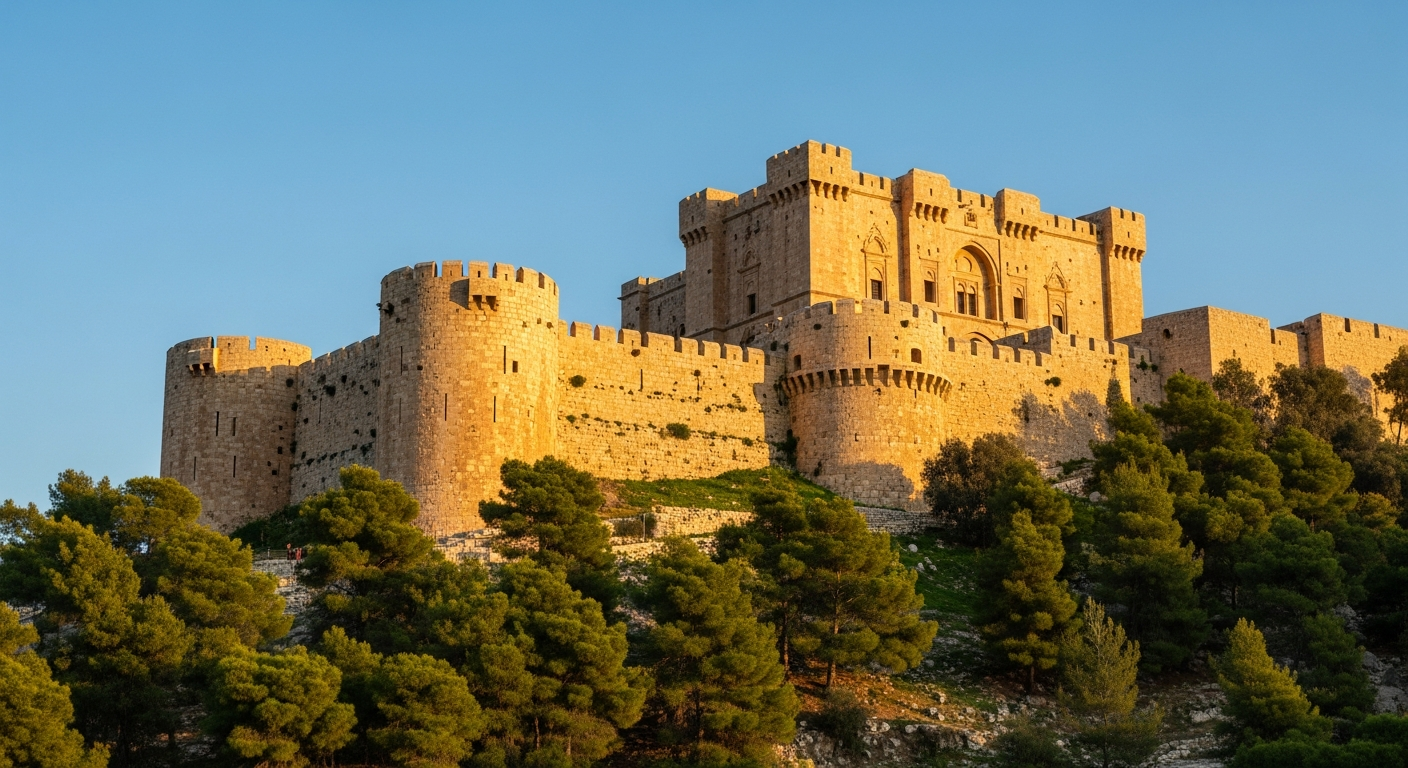
Ajloun Castle dominates the hilltop landscape with its imposing stone walls. Built in 1184 CE by one of Saladin’s generals, it protected trade routes. The fortress exemplifies medieval Islamic military architecture at its finest. Furthermore, its strategic position offered views across the Jordan Valley. The castle features seven towers connected by vaulted galleries. Additionally, visitors can explore the original pigeon loft and water collection systems. These engineering marvels demonstrate advanced medieval technology. The structure has survived earthquakes and centuries of conflict remarkably well.
Accommodation Options in Ajloun
Eco-lodges in Ajloun blend comfort with environmental consciousness. The reserve operates several cabins constructed from local materials. These structures use solar power and rainwater harvesting systems. Guests enjoy modern amenities while minimizing their environmental impact.
Nearby homestays offer authentic cultural experiences. Families welcome visitors into their traditional stone houses. Meals feature locally grown produce and homemade bread. This immersive approach connects travelers with Jordanian hospitality.
Dana Biosphere Reserve: Where Desert Meets Mountain
This reserve offers a journey through four distinct bio-geographical zones. Mediterranean forests cover the cool highlands. Meanwhile, the lower elevations shift into the harsh Sudanian penetration zone. Consequently, this creates a biological melting pot unlike anywhere else. It is the only reserve in Jordan with such diversity. Therefore, scientists flock here to study the unique environmental convergence. The area acts as a vital bridge between continents.
An Elevation Masterpiece
The vertical drop defines the reserve’s character. In fact, the altitude plummets more than 1,600 meters. This descent starts at the towering Rummana Mountain. Eventually, it settles in the arid plains of Wadi Araba. As a result, the temperature varies wildly between the top and bottom. You might need a jacket at the summit. However, the valley floor usually remains scorching hot. This shift creates microclimates that support different life forms.
Teeming with Rare Life
Such varied terrain supports an incredible array of life. Currently, over 800 plant species grow within the reserve boundaries. Three of these plants exist nowhere else in the world. Furthermore, the animal population is equally impressive. Rare species find sanctuary among the rocky crags and sandy dunes.
Key species found in Dana include:
- Nubian Ibex: These goats navigate the steep cliffs effortlessly.
- Syrian Serin: This bird sings in the Mediterranean woodlands.
- Sand Cat: This elusive predator hunts in the sandy lowlands.
- Lesser Kestrel: A globally threatened falcon species.
A Hiker’s Paradise
Adventure seekers will find endless opportunities here. Specifically, the reserve features a network of breathtaking trails. These paths range from easy walks to challenging multi-day treks. For example, the Wadi Dana Trail offers a spectacular descent through the canyon. Conversely, the White Dome Trail highlights the massive limestone formations. Each step reveals a new layer of Jordan’s natural beauty. Thus, Dana remains an ecological jewel of the Middle East.
Geological Diversity and Dramatic Landscapes
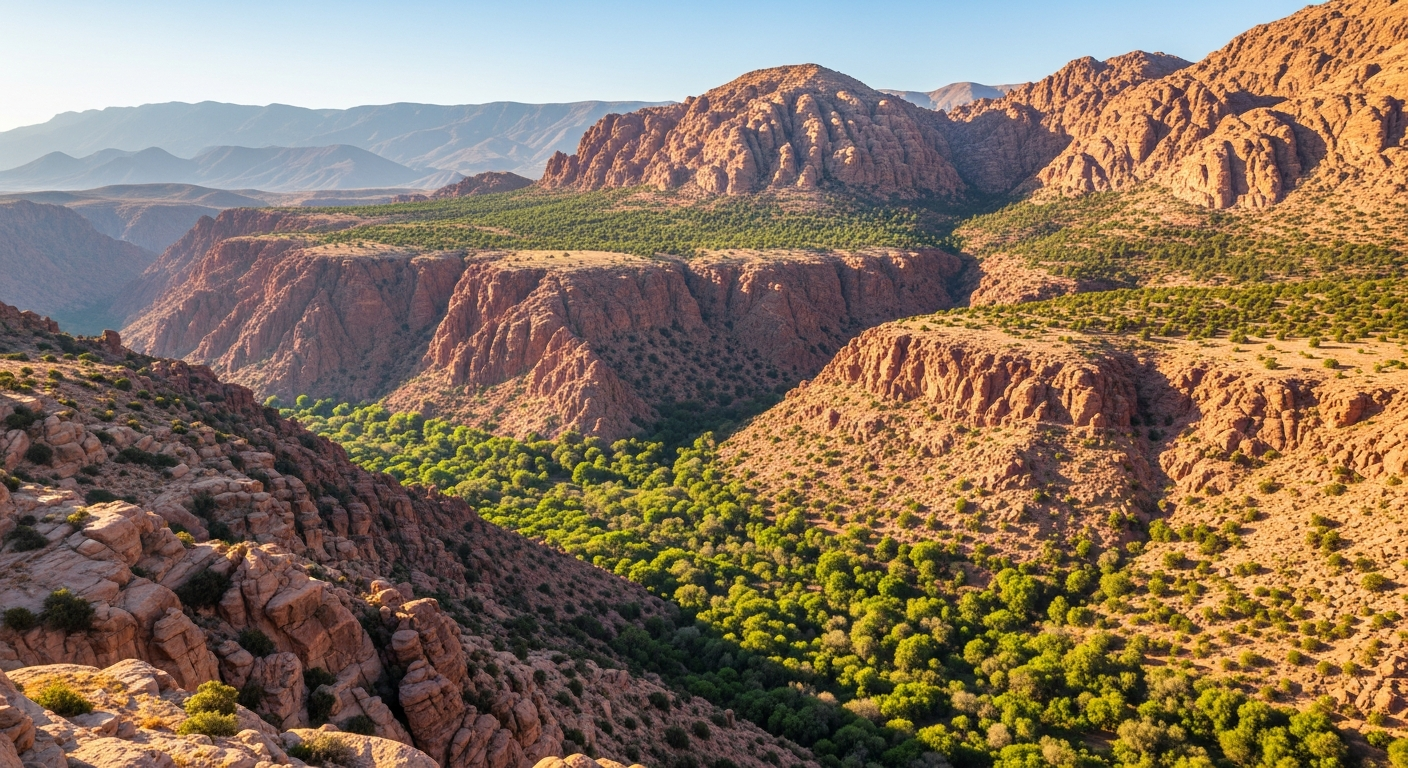
The reserve encompasses four distinct bio-geographical zones. Each zone supports different plant and animal communities. Highland areas feature juniper and oak woodlands. Mediterranean scrubland covers the middle elevations.
Lower slopes transition into Irano-Turanian steppe vegetation. Travel Guide Finally, the valley floor exhibits Sudanian desert characteristics. This remarkable diversity occurs within a relatively compact area. Consequently, Dana protects an extraordinary range of habitats.
Rare Species and Conservation Success
Dana provides sanctuary for numerous threatened species. The Nubian ibex navigates steep cliff faces with remarkable agility. Sand cats, rarely seen anywhere, hunt rodents in the desert lowlands. Syrian wolves maintain a small population in remote areas.
Bird diversity rivals any location in the region. Eagles and vultures soar on thermal currents above the canyons. Meanwhile, smaller species flit through the vegetation. The reserve has documented over 600 plant species. Several exist nowhere else on Earth.
Ancient Copper Mines and Human History
Human activity in Dana stretches back millennia. Ancient copper mines dot the landscape throughout the reserve. Archaeological evidence suggests mining operations during the Bronze Age. The Romans and Nabataeans also extracted minerals from these mountains.
A Window into History
Perched on the precipice of the Great Rift Valley, Dana Village offers a rare window into the past. Historically, this settlement dates back to the 15th century. Its architecture reflects a distinct Ottoman influence. Furthermore, the structures are built entirely from rough-hewn local stone. Consequently, the buildings seem to grow naturally from the rocky landscape. They overlook the vast, breathtaking canyon below. This visual harmony creates an atmosphere where time appears to stand still.
Traditionally, the villagers lived a self-sufficient lifestyle. They ingeniously carved terraced gardens directly into the steep mountain slopes. For example, families cultivated olive groves, fruit trees, and aromatic herbs. These hanging gardens relied on ancient irrigation channels. Thus, the community thrived in harmony with the rugged environment for generations. The land provided everything they needed to survive.
The Shift to Modernity
However, the late 20th century brought significant changes to this isolated enclave. The allure of modern conveniences eventually drew residents away. Specifically, families moved to the nearby concrete village of Qadisiyah. They sought electricity, plumbing, and better schooling for their children. As a result, the ancient stone houses fell into disrepair. By the 1980s, Dana had nearly become a ghost town. The vibrant culture was at risk of disappearing entirely.
Conservation and Renewal
Fortunately, a visionary intervention saved the site from total ruin. The Royal Society for the Conservation of Nature (RSCN) launched a massive restoration project. Consequently, the crumbling dwellings were transformed into eco-friendly guesthouses. This initiative successfully merged heritage preservation with sustainable tourism. Now, the village serves as the primary gateway to the Dana Biosphere Reserve.
Moreover, this revitalization has created a new economic model for the local community. Residents have returned to work in tourism and artisan crafts.
The restoration project focuses on several key areas:
- Silver workshops: Artisans craft jewelry inspired by local flora.
- Organic farming: Terraces now produce jams and dried fruits.
- Eco-guiding: Locals lead hikes through the reserve.
Ultimately, the village is alive again. It proves that conservation can successfully support local livelihoods. The “Jordan Biosphere” concept now protects both nature and culture.
Trekking and Adventure Activities
Dana offers some of Jordan’s finest hiking opportunities. The Wadi Dana trail descends from the village to Feynan. This challenging trek covers 14 kilometers through changing ecosystems. Hikers experience the full range of the reserve’s biodiversity.
Quick Trail Options for Time-Conscious Visitors
For travelers working within tight schedules, Dana Biosphere Reserve offers numerous condensed hiking routes. These shorter excursions typically range from one to three hours. Therefore, visitors can experience the reserve’s natural beauty without committing entire days. Many tourists appreciate these compact adventures between other Jordanian destinations. Furthermore, these trails maintain accessibility for families with young children or elderly participants.
Rummana Mountain Trail Experience
The Rummana Mountain trail stands as one of Dana’s most photographed routes. This moderate path winds through ancient juniper forests before reaching elevated overlooks. Consequently, hikers witness breathtaking panoramas of Wadi Araba stretching toward the distant horizon. The trail covers approximately 3.5 kilometers round-trip. Additionally, spring months transform the landscape with wildflower blooms in vibrant colors. Local guides frequently spot Nubian ibex along the rocky outcrops. Meanwhile, bird enthusiasts often observe soaring raptors riding thermal currents above the valley.
White Dome Geological Wonders
The White Dome trail presents an entirely different landscape experience. This route showcases extraordinary limestone and sandstone formations sculpted by millennia of erosion. Moreover, the distinctive white-colored rock domes create surreal photographic opportunities. The geological layers reveal ancient seabeds from millions of years ago. For example, visitors can observe fossilized marine organisms embedded within the stone. This relatively easy trail requires approximately two hours to complete. However, the unique terrain makes every moment visually rewarding.
Nocturnal Wildlife Discovery Programs
Guided night hikes unlock an entirely different dimension of Dana’s ecosystem. As darkness falls, the reserve transforms into a bustling nocturnal habitat. Therefore, specialized tours equipped with red-filtered flashlights minimize wildlife disturbance. Participants frequently encounter species like striped hyenas, caracals, and desert foxes. Additionally, various owl species become active hunters during evening hours. The Arabian wolf occasionally appears along remote trail sections. Furthermore, these nighttime experiences include stargazing opportunities in Jordan’s unpolluted skies. Expert naturalists explain animal behaviors and ecological relationships throughout the journey.
Comparing Accommodation Experiences
Both reserves offer distinctive lodging options that reflect their environments. Dana’s accommodations emphasize the stark beauty of desert landscapes. Conversely, Ajloun’s lodges celebrate the forest setting. Each approach provides unique benefits for different traveler preferences.
Dana’s Desert Hospitality
The Dana Guesthouse perches on the cliff edge above the valley. Large windows frame breathtaking views of the canyon. Traditional architecture incorporates modern sustainable design principles. Solar panels generate electricity while maintaining the building’s aesthetic character.
Feynan Ecolodge sits at the valley floor within the reserve. This award-winning facility operates entirely off-grid. Candles illuminate the common areas after sunset. The absence of electric lights reveals stunning night skies. Guests gather around fires to share stories and experiences.
Forest Retreats in Ajloun
Immersive Eco-Design
The eco-friendly lodges in Ajloun offer a truly unique stay. Specifically, architects designed them to blend seamlessly with nature. Consequently, the structures feel like a natural extension of the reserve. You are not just observing the forest; you are living within it. Furthermore, the construction prioritizes sustainability to protect the delicate ecosystem. This approach ensures that the local flora remains undisturbed.
Inside, the cabins provide a cozy retreat. Rustic furniture complements the wooden interiors perfectly. However, the highlight is undoubtedly the private terrace. Travel Guide Here, guests can relax while suspended above the forest floor. Therefore, it is an ideal spot for quiet contemplation. The separation between indoors and outdoors simply melts away.
A Sensory Experience
Waking up here is a magical experience. Often, a thick morning mist rolls through the hills. This creates an ethereal, dreamlike atmosphere. Additionally, the crisp air carries the distinct scent of evergreen oak and pistachio. As the sun rises, the fog slowly lifts to reveal green valleys. Thus, every morning offers a new, breathtaking vista.
The reserve is also alive with sound. Notably, the Eurasian Jay is a frequent visitor near the cabins. Its distinct call echoes through the trees. Meanwhile, other woodland creatures forage on the ground below. Consequently, nature provides a constant, soothing melody. This immersion connects you deeply with Jordan’s biodiversity.
Key Features of the Cabins:
- Private Balconies: These offer perfect angles for photography.
- Year-Round Comfort: Rooms include heaters for chilly winter nights.
- Nature Views: Enjoy unobstructed sights of the Evergreen Oak canopy.
- Tranquility: The location ensures a total escape from city noise.
The reserve’s camping area attracts budget-conscious travelers. Well-maintained facilities include clean bathrooms and cooking areas. Campers wake to deer grazing nearby. This affordable option brings visitors closer to nature.
Sustainable Tourism and Community Benefits
Both reserves demonstrate successful models of conservation-based development. Local communities receive direct economic benefits from tourism. Employment opportunities include guiding, hospitality, and handicraft production. This approach creates incentives for environmental protection.
Economic Impact on Local Families
Tourism revenue supports hundreds of families across both regions. Women’s cooperatives produce traditional foods and crafts. These products generate income while preserving cultural traditions. Furthermore, young people find employment without leaving their communities.
Professional Development and Training Programs
The Jordan Biosphere Reserve implements rigorous certification programs for its guide network. Training courses span multiple weeks and cover diverse subjects. For example, guides study desert ecology, bird identification, and geological formations. They also learn about medicinal plants used by local communities. Additionally, courses include emergency response protocols and first aid certification. This comprehensive approach ensures guides can handle various situations confidently.
Furthermore, the curriculum emphasizes interpretation techniques that engage different audiences. Guides practice storytelling methods that bring the landscape to life. They learn to explain complex ecological concepts in accessible language. Moreover, specialized workshops focus on photography guidance and astronomy programs. These skills allow guides to offer varied experiences to visitors.
Deep Ecological Understanding
Local guides possess intimate knowledge of seasonal changes and wildlife behavior patterns. They can identify over 200 plant species native to the region. Additionally, many recognize bird calls from dozens of migratory species. This expertise comes from years of observation and traditional knowledge passed through generations. Consequently, visitors gain insights impossible to find in guidebooks.
Guides understand the delicate balance of desert ecosystems and water resources. They explain how animals adapt to extreme temperature fluctuations. For instance, they demonstrate how certain plants conserve moisture during drought periods. Meanwhile, they share observations about predator-prey relationships in the reserve. This depth of knowledge transforms simple hikes into educational journeys.
Enhanced Visitor Engagement
The presence of trained guides significantly improves visitor satisfaction and safety. Tourists consistently rate guided experiences higher than self-guided tours. Moreover, guides help visitors appreciate subtle details they might otherwise overlook. They point out animal tracks, insect behaviors, and geological features. As a result, guests develop stronger connections to the natural environment.
Furthermore, guides facilitate cultural exchanges between visitors and local communities. They arrange authentic encounters with Bedouin families and artisans. These interactions provide economic benefits while preserving traditional practices. Additionally, guides ensure these exchanges remain respectful and mutually beneficial. Therefore, tourism becomes a tool for cultural preservation.
Building Local Capacity and Pride
The guide program creates meaningful employment opportunities in rural communities. Young people can build careers without leaving their ancestral lands. Consequently, this reduces urban migration and maintains community cohesion. Moreover, the income supports families and funds children’s education. The program demonstrates that conservation and economic development can coexist successfully.
Training programs also instill pride in local natural heritage. Guides develop new appreciation for landscapes they’ve known since childhood. They recognize their region’s global ecological significance. Additionally, they understand their role in protecting these resources for future generations. This shift in perspective strengthens community commitment to conservation goals.
Conservation Advocacy and Leadership
Many guides have evolved into powerful conservation ambassadors within their communities. They organize awareness campaigns about wildlife protection and waste management. For example, some lead school programs teaching children about endemic species. Others participate in research projects monitoring animal populations. Therefore, they bridge the gap between scientists and local residents.
Furthermore, former guides often advance to leadership positions in reserve management. They bring practical field experience to policy discussions and planning processes. Additionally, their credibility within communities facilitates conservation initiatives that might otherwise face resistance. As a result, the guide program creates a pipeline of conservation professionals. These individuals understand both ecological science and community needs intimately.
Environmental Education Programs
Both reserves operate educational programs for Jordanian students. School groups visit to learn about ecology and conservation. Hands-on activities connect urban youth with natural environments. These experiences foster environmental awareness among future generations.
International volunteers also contribute to conservation efforts. Research projects monitor wildlife populations and habitat health. Volunteers assist with trail maintenance and restoration work. This exchange benefits both the reserves and participants.
Planning Your Visit to Jordan’s Reserves
Visiting both reserves provides comprehensive insight into Jordan’s natural diversity. Most travelers allocate 2-3 days for each location. Spring and autumn offer ideal weather conditions. Summer temperatures can be challenging, especially in Dana’s lower elevations.
Best Times to Visit
The Magic of Spring Flora
Springtime completely transforms the arid landscapes of the Jordan Biosphere. Suddenly, the rocky slopes burst into vibrant color. For instance, the Dana Biosphere Reserve becomes a carpet of greenery. You can spot hundreds of plant species during this time. Additionally, the rare Black Iris makes its dramatic appearance. This striking bloom is Jordan’s national flower.
Nature lovers will appreciate the sheer variety of flora. The contrast against the red sandstone is breathtaking. Furthermore, red anemones and delicate orchids dot the valleys. Consequently, photographers flock here to capture the scenery. It is a fleeting but magical natural event.
Ideal Hiking Conditions
The weather creates a perfect environment for outdoor exploration. Between March and May, the heat is manageable. Daytime temperatures usually hover between 20°C and 25°C. Therefore, long treks become much more enjoyable. You can hike the Wadi Dana Trail without risk of heat exhaustion.
Cool breezes often sweep through the canyons. This makes strenuous climbs feel refreshing. Moreover, the evenings remain pleasant for camping. You can sleep under the stars comfortably. Thus, spring is the peak season for adventure tourism.
A Haven for Wildlife
Wildlife activity peaks significantly during these months. The reserves sit along the Great Rift Valley. As a result, they serve as a critical flyway. Millions of migratory birds pass through the region. You might see the following species:
- Steppe Eagles soaring on thermals
- White Storks in massive flocks
- Honey Buzzards migrating north
Binoculars are essential gear for visitors. However, the activity is not limited to the sky. On the ground, the endangered Nubian Ibex is active. They navigate steep cliffs with incredible agility. Furthermore, the elusive Syrian Serin sings from the shrubs.
The Autumn Alternative
Autumn offers a second window of opportunity for travelers. From September through November, the intense summer heat fades. However, the visual experience is slightly different. The landscape is generally drier than in spring. Yet, the air is often crisp and clear.
This season provides excellent visibility for expansive views. Therefore, it is ideal for landscape photography. The water levels in Wadi Mujib are also favorable. Consequently, canyoning adventures are safe and thrilling. Ultimately, both seasons offer unique ways to experience Jordan’s nature.
Winter visits offer unique experiences despite cooler weather. Snow occasionally blankets Ajloun’s forests. Dana’s highlands receive light snowfall while valleys remain accessible. Fewer visitors during winter mean more solitude on trails.
Getting There and Practical Considerations
Ajloun lies approximately 75 kilometers northwest of Amman. The drive takes roughly 90 minutes on well-maintained roads. Public transportation options exist but require careful planning. Private vehicles or arranged tours provide more flexibility.
Dana sits about 200 kilometers south of Amman. The journey takes three to four hours depending on route selection. Most visitors approach from the King’s Highway. This scenic route passes numerous historical sites. Alternatively, the Desert Highway offers faster travel times.
Conclusion: Two Reserves, One Conservation Vision
Jordan’s landscape offers far more than just arid deserts. In fact, the country hosts a surprising array of biodiversity. The Royal Society for the Conservation of Nature (RSCN) manages these vital ecosystems. Consequently, they have established a robust network of protected zones. These areas safeguard rare species and unique habitats. Furthermore, the reserves act as living laboratories for environmental science. They prove that ecological health is a national priority.
The Majesty of Dana Biosphere Reserve
Dana stands as the largest nature reserve in Jordan. It covers over 300 square kilometers of rugged terrain. Remarkably, it encompasses four distinct biogeographical zones. This geological variety creates a haven for wildlife. For example, visitors might spot the threatened Nubian Ibex on the cliffs. The landscape shifts dramatically from high ridges to low desert floors. As a result, the flora changes rapidly with the altitude. It provides a stunning visual journey for hikers.
Exploring the Green North
In contrast, the Ajloun Forest Reserve offers a completely different atmosphere. Located in the northern highlands, it features rolling green hills. Dense woodlands of evergreen oak cover the area. Additionally, pistachio and strawberry trees thrive in this cooler climate. This reserve was established to protect specific indigenous species. Notably, it creates a safe breeding ground for the Roe Deer. Hikers here enjoy shaded trails and fresh mountain air.
Empowering Local Communities
Conservation in Jordan goes beyond protecting land. Crucially, it involves empowering the people who live nearby. The RSCN integrates socioeconomic development into its management plans. Therefore, tourism directly funds local livelihoods. Villagers produce distinct handicrafts like olive oil soap or silver jewelry. Furthermore, these products are sold on-site to visitors. This approach creates a sustainable economic cycle. Ultimately, nature thrives when the community prospers.
Key benefits of this community-focused model include:
- Job Creation: Locals work as rangers and guides.
- Skill Preservation: Traditional crafts find new markets.
- Cultural Exchange: Visitors interact directly with residents.
- Ownership: Communities become guardians of the land.
An Unforgettable Eco-Experience
Travelers seeking authentic connections love these destinations. Specifically, the eco-lodges offer low-impact accommodation options. Feynan Ecolodge in Dana is a prime example. Here, guests sleep under the stars in solar-powered rooms. Meanwhile, Ajloun offers cozy cabins nestled deep in the woods. These facilities are designed to minimize environmental footprints. Simultaneously, they maximize cultural immersion for the guest. Every visit supports the continuation of these vital projects.