
Jordan offers more than just ancient stone cities. While Petra captures headlines, the country’s wilderness holds secret wonders. Specifically, the desert landscape hides lush, water-filled canyons. These protected areas provide thrilling adventures for active travelers. You will find a stark contrast between the arid mountains and the river valleys below. Therefore, adventure seekers should look beyond the typical tourist path.
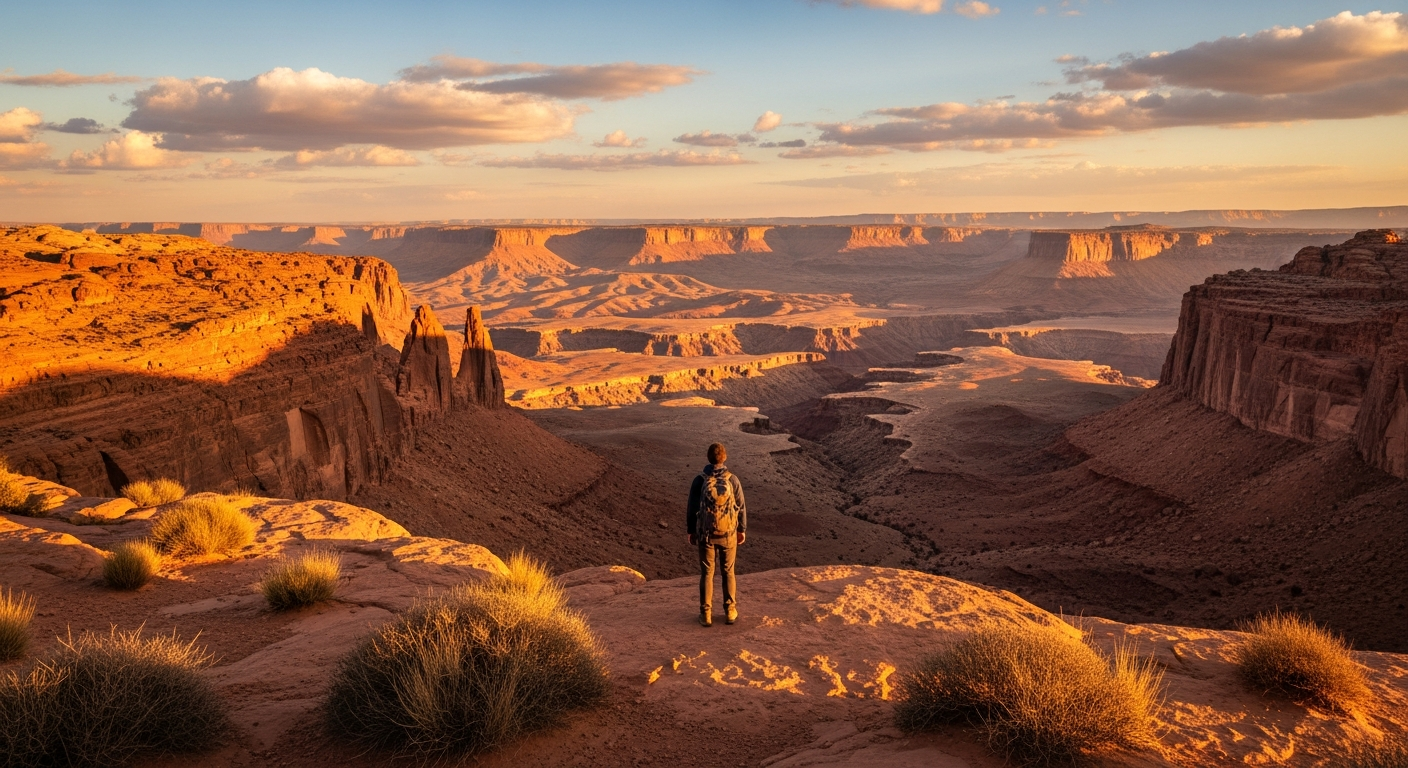
Whether you’re planning to explore Jordan’s hidden trails or venture into remote archaeological sites, having the right gear makes all the difference in your adventure. A reliable backpack with proper weight distribution and weather protection ensures you can carry everything needed for full-day explorations through Dana Biosphere Reserve or the back trails of Little Petra. For navigating rocky terrain and uneven paths around ancient ruins, quality hiking boots with ankle support and waterproof construction protect your feet during those early morning hikes to secret viewpoints. After trekking through wadis or exploring dusty archaeological sites, a quick-drying backpack towel becomes essential for freshening up without adding bulk to your gear. Staying hydrated in Jordan’s desert climate is crucial, so carrying a purifying bottle lets you safely refill from natural springs and local sources throughout your journey. Capturing those breathtaking dawn perspectives at Ajloun Castle or candid moments with local shepherds requires a high-quality camera that handles varying light conditions and produces stunning detail. The intense Middle Eastern sun demands serious protection, which is why an Oversize Large Wide brimmed hat shields your face and neck during midday explorations when shade is scarce. Complementing your sun protection strategy, applying Clinique Solutions Sunscreen with broad spectrum coverage prevents sunburn during those extended outdoor adventures through exposed canyon trails. For shorter day trips to nearby villages or quick excursions to local markets, a compact backpack provides just enough space without the burden of carrying unnecessary weight. Remote hiking areas and less-traveled paths make safety preparation important, so packing a comprehensive backpack first aid kit gives you peace of mind when exploring far from tourist infrastructure. Finally, keeping your devices charged for navigation apps, translation tools, and communication with locals becomes effortless with a slim pack portable charger that easily fits in any pocket or bag compartment.
*As an Amazon Associate, I earn from qualifying purchases.
The Lowest Nature Reserve on Earth
One destination stands out above the rest. Travel Guide The Mujib Biosphere Reserve offers a unique experience. . It sits near the Dead Sea’s eastern coast. Here, towering sandstone cliffs sandwich a flowing river. The gorge drops over 400 meters below sea level. Consequently, the environment feels otherworldly. The mineral-rich water cuts through the rock, creating a dramatic corridor. Visitors often gasp at the sheer scale of the canyon walls.
The Unique Canyoning Experience
An Immersive Aquatic Adventure
The journey into Wadi Mujib demands full physical engagement. You become part of the river itself. Therefore, passive observation is impossible here. Visitors must wear a mandatory life jacket at all times. The current can be surprisingly strong in narrow sections. Consequently, finding secure footing becomes a fun challenge. The popular Siq Trail serves as the perfect introduction for beginners. Here, you navigate through deep, crystal-clear pools. Furthermore, you will scale small waterfalls using pre-installed ropes. Metal ladders assist climbers over larger obstacles. Thus, the canyon transforms hiking into an exciting aquatic obstacle course.
A Sanctuary from the Heat
The climate shifts dramatically inside the canyon walls. Outside, the Jordanian sun usually beats down relentlessly. However, the gorge remains eternally cool and shadowed. Towering cliffs effectively block the intense desert heat. As a result, the water feels invigorating against your skin. This natural air conditioning provides a welcome physiological relief. Moreover, the sound of rushing water fills the air completely. It drowns out the silence of the arid landscape above. You are completely immersed in a temperate, hidden world. This thermal contrast makes the exertion feel effortless.
Geological Wonder and Visual Splendor
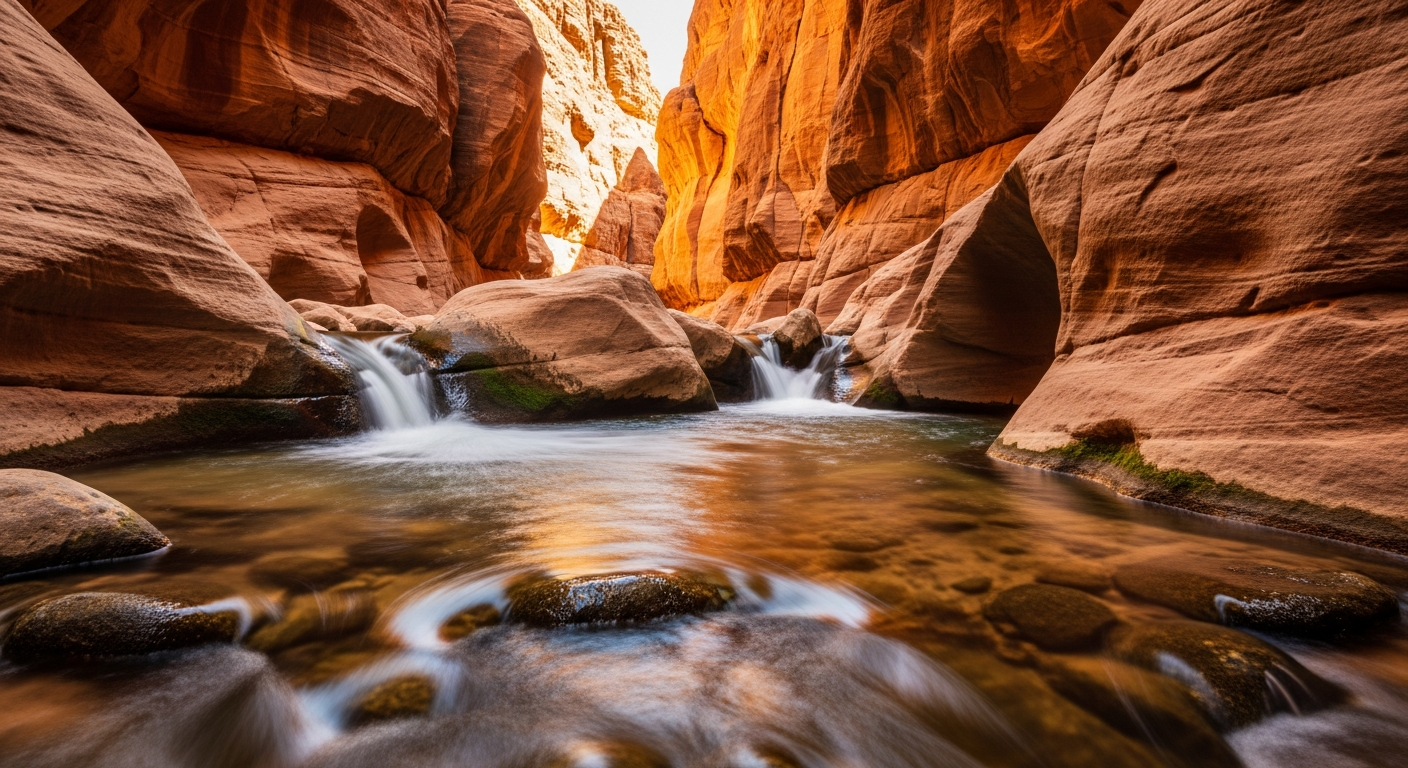
The visual spectacle is equally stunning to behold. Sandstone cliffs rise hundreds of meters straight up toward the sky. These geological giants display vibrant, ancient striations. Specifically, you will see layers of pink, ochre, and rust. Additionally, the narrow opening at the top controls the light. Sunbeams pierce through the darkness like theatrical spotlights. Consequently, the water glitters with a magical, shifting quality. This dynamic lighting creates a photographer’s dream environment. Every angle reveals a new texture or mineral hue. Ultimately, the sheer scale of the rock forces a humble perspective.
Key Highlights of the Experience:
- The Narrow Gorge: The walls close in, creating a dramatic corridor.
- Hidden Waterfalls: Discover cascading water tucked behind rock bends.
- Mineral Colors: Observe the rich palette of the canyon stone.
- Wildlife: Occasionally, you might spot birds nesting in the cliffs.
Navigating the Siq Trail
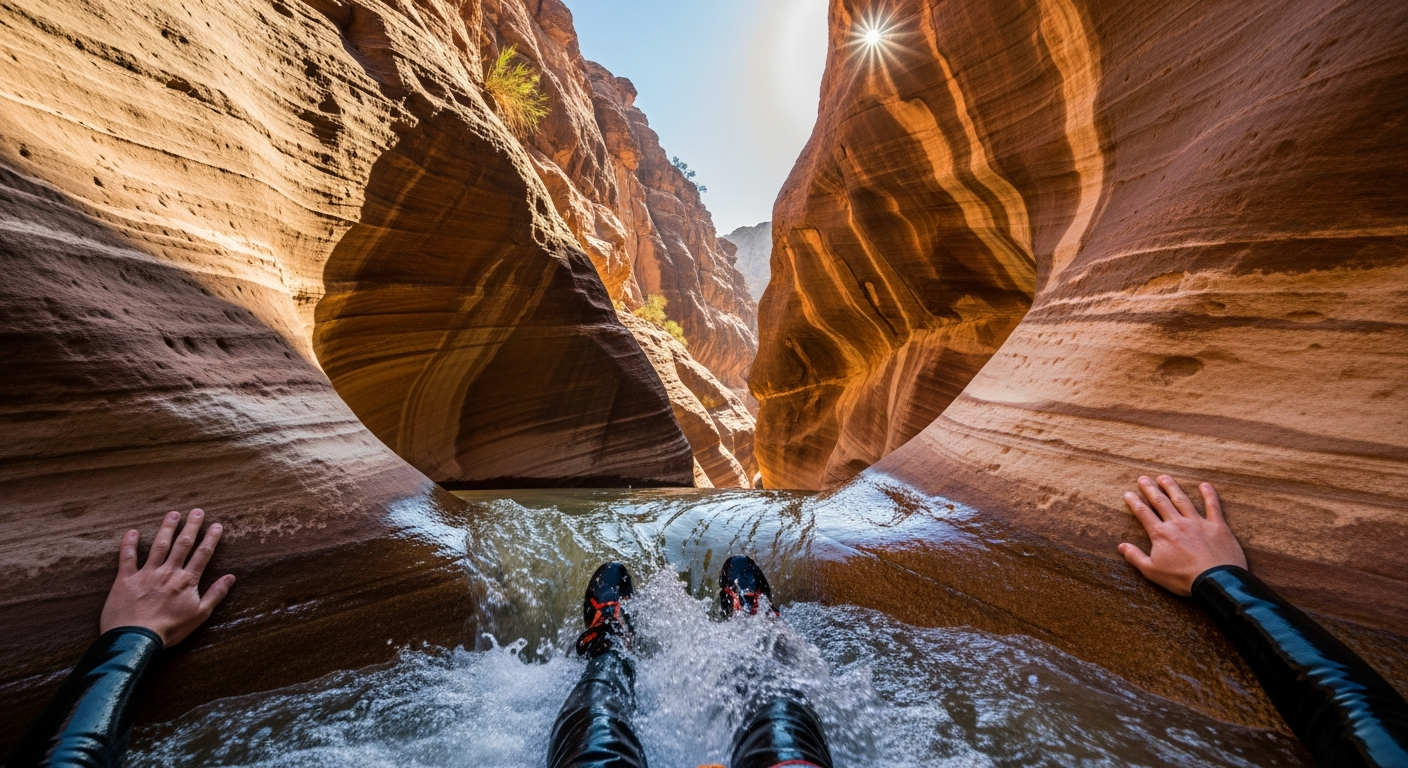
Most visitors choose the Siq Trail. This route serves as the perfect introduction to canyoning. It requires no ropes or technical gear. However, it demands physical effort. You walk against the current. Sometimes, the water reaches your waist. Other times, you must swim. Ropes assist climbers over small waterfalls. The journey leads to a majestic waterfall at the canyon’s end. Here, you can relax before the return trip. The water pressure massages your tired muscles. Then, you float back downstream with the current. This return journey feels like a natural water slide.
Advanced Adventures: The Malaqi Trail
For seasoned adventurers, the Malaqi Trail offers a rigorous test of endurance. It goes beyond simple walking. In fact, it is often rated as the most difficult route in the Mujib Biosphere Reserve. You must be prepared for a full day of physical exertion. The trail typically spans six to eight hours depending on your pace. Consequently, peak physical fitness is absolutely essential. You will navigate slippery rocks and swim through deep pools.
From Arid Hills to Cool Waters
The journey begins in the striking Tamra hills. Here, the landscape is defined by white limestone and arid beauty. Initially, the sun beats down on dry, scrubby vegetation. However, the scenery shifts dramatically as you descend into the canyon. You eventually reach the confluence of the Hidan and Mujib rivers. This specific meeting point, known locally as “Malaqi,” is truly spectacular.
Once you hit the riverbed, the dynamic changes completely. You are no longer just hiking; you are effectively canyoning. Therefore, waterproof gear is a necessity. You will float peacefully through calm sections one moment. Then, you might scramble over large boulders the next. The cool river water provides welcome relief from the Jordanian heat. Furthermore, the towering canyon walls create natural shade throughout the afternoon.
A Showcase of Biodiversity
This trail serves as a living classroom for nature lovers. The transition from desert cliffs to lush riparian zones is stark. For example, you will see pink oleander flowers blooming against red sandstone. Wild fig trees often cling to the steep canyon walls. Additionally, keep your eyes peeled for local wildlife.
Look out for these species:
- Nubian Ibex: These mountain goats often scale the cliffs above.
- Rock Hyrax: Small mammals frequently seen sunning on boulders.
- Bonelli’s Eagle: A majestic bird of prey patrolling the sky.
Meanwhile, the sound of diverse bird species echoes through the gorge. This creates an immersive sensory experience.
Essential Preparation
Because of the trail’s difficulty, safety is paramount. You generally cannot hike this route alone. A guided tour is usually mandatory for all visitors here. The guides ensure you navigate the river currents safely. Moreover, they are trained to monitor potential flash flood risks. Always bring plenty of drinking water and high-energy snacks. Finally, wear sturdy shoes with excellent grip to prevent slips.
Crucial Safety Regulations
The Jordan Biosphere Reserve offers breathtaking beauty and adventure. However, this rugged landscape demands absolute respect from every visitor. The Royal Society for the Conservation of Nature (RSCN) prioritizes visitor well-being above all else. Consequently, strict protocols govern every excursion within the reserve. These rules exist to mitigate the inherent hazards found in wild canyons.
Understanding the Flash Flood Risk
The most critical threat in these narrow gorges is the sudden flash flood. Rain might fall heavily in distant catchment areas miles away. Meanwhile, the sky above the reserve itself remains perfectly blue. Gravity funnels this accumulated water into the canyon with terrifying speed. As a result, water levels can rise several meters within mere seconds.
This phenomenon turns calm streams into raging torrents instantly. Therefore, the risk of drowning or injury is severe during unstable weather. Rangers understand these complex hydrological patterns better than anyone. Thus, their authority on trail conditions is absolute.
Proactive Ranger Monitoring
Park rangers maintain constant vigilance regarding meteorological shifts. They utilize advanced weather tracking systems to predict potential dangers. Additionally, they communicate directly with upstream monitoring stations. If a storm develops nearby, they act immediately to secure the area. Specifically, they will evacuate hikers and seal off entry points without hesitation.
You might feel disappointed by a sudden cancellation on your holiday. Nevertheless, these decisions rely on expert analysis of life-threatening conditions. Arguing with staff puts everyone at risk and delays safety procedures. Instead, have a backup plan ready for your travel itinerary.
Strict Age and Physical Requirements
The water trails, particularly in canyons like Wadi Mujib, are physically demanding. Consequently, the authorities enforce a strict minimum age of 18. This regulation is not arbitrary or negotiable. Navigating the canyon requires significant upper body strength and endurance. For instance, visitors must often:
- Climb wet ropes against the flow of water.
- Scale slippery metal ladders.
- Scramble over large, slick boulders.
- Swim through deep pools with currents.
Furthermore, the water pressure is often stronger than it appears. Younger adventurers may lack the height or stamina to cope safely. Thus, guards check identification at the visitor center rigorously. Ensure every member of your group meets these criteria before booking.
Essential Safety Tips for Visitors
To ensure a safe experience, follow these practical guidelines:
- Wear the gear: Always keep your life jacket fastened tightly.
- Wear proper shoes: Use sturdy water shoes with good grip, not flip-flops.
- Hydrate well: The canyon heat can be deceivingly intense.
- Stay together: Never separate from your group or guide.
Finally, always check the official weather forecast before driving to the reserve. Being prepared ensures your adventure remains memorable for the right reasons.
Additionally, everyone must wear a life jacket. The visitor center provides these vests upon entry. You cannot proceed without one. Even strong swimmers need this buoyancy aid. The currents often prove stronger than they look. Guides also recommend sturdy shoes. Sandals slip easily on the wet rocks. Instead, wear trainers that you don’t mind getting wet.
Best Times to Visit
Choosing the Perfect Season
Selecting the right month is crucial for safety and enjoyment. The popular wet trails are not open year-round. Specifically, authorities usually unlock the gates from early April until the end of October. This schedule depends entirely on local rainfall patterns. Therefore, you should always verify current conditions before traveling.
Spring and autumn offer the most balanced experience. During these months, the air is warm but manageable. Additionally, the water temperature is refreshing without being freezing. Consequently, many hikers consider April, May, September, and October the ideal windows.
Navigating Summer Heat
July and August bring scorching temperatures to the region. However, the canyon microclimate offers a unique advantage. The deep gorges provide natural shade for much of the hike. Moreover, the river remains cool and refreshing against the hot air.
Consider these summer survival tips:
- Hydration: Carry water, even though you are swimming.
- Protection: Wear waterproof sunscreen and a hat.
- Clothing: distinct synthetic fabrics dry quickly.
As a result, you can hike comfortably despite the desert heat. The water acts as natural air conditioning. Nevertheless, you must respect the sun in exposed areas.
Winter Safety Protocols
The reserve enforces a strict closure during winter months. This policy exists primarily to prevent tragedies. Rain in distant mountains accumulates rapidly in the valley. As a result, dangerous flash floods can occur without warning.
Furthermore, water levels rise significantly during this season. The current becomes too strong for casual swimming. Thus, hiking the water trails is usually impossible from November to March. The risk of hypothermia also increases significantly. Therefore, winter visitors should focus on dry, land-based trails instead.
Optimizing Your Daily Schedule
Your arrival time impacts the quality of your adventure. Beating the rush is highly recommended. For instance, arriving at 8:00 AM ensures a peaceful start.
Early mornings offer several distinct benefits:
- Cooler Air: You avoid the peak solar intensity.
- Wildlife: Animals are more active and visible.
- Photography: The soft light illuminates the red rocks beautifully.
In contrast, late starts often result in waiting at ladder bottlenecks. Meanwhile, the midday sun hits exposed areas with full force. Consequently, an early start provides a safer and more scenic journey.
Crowds also peak on weekends. In Jordan, the weekend falls on Friday and Saturday. If possible, visit between Sunday and Thursday. You will enjoy a quieter experience. Silence enhances the majesty of the gorge. You can hear the water echoing off the canyon walls clearly.
Wildlife and Biodiversity
Wildlife Sanctuary Success
The Jordan Biosphere Reserve serves as a critical haven for endangered species. Moreover, the rugged landscape creates natural barriers against poaching activities. Consequently, animal populations have rebounded significantly over recent decades. The reserve’s isolation allows wildlife to flourish without human interference. Furthermore, conservation efforts have strengthened protection measures throughout the region.
The Magnificent Nubian Ibex
The Nubian Ibex represents one of Jordan’s most iconic desert dwellers. These remarkable creatures possess specialized hooves with rubber-like pads. As a result, they can grip nearly vertical rock surfaces effortlessly. Males display impressive curved horns that can reach three feet in length. During mating season, these horns become weapons in dramatic cliff-side battles. Additionally, their tan coats provide perfect camouflage against limestone rocks. Photographers often wait hours hoping to capture these elusive animals on camera.
Predators of the Reserve
The reserve harbors several rare carnivorous species facing extinction elsewhere. The striped hyena, often misunderstood, plays a vital scavenger role. These nocturnal hunters help maintain ecosystem balance by removing carrion. Meanwhile, the critically endangered Syrian wolf prowls the upper elevations. These wolves are smaller than their European cousins, adapted for desert survival. However, only a handful of breeding pairs remain in Jordan today. Therefore, every sighting represents a conservation victory worth celebrating.
Observing Wildlife Safely
Visitors should maintain respectful distances from all wildlife encounters. For example, using binoculars allows close observation without disturbing natural behaviors. Early morning and late afternoon offer the best viewing opportunities. Furthermore, hiring local guides increases chances of successful animal sightings dramatically.
Birdwatchers also love this location. Migratory birds use the valley as a travel corridor. You might see raptors circling the thermals. The vegetation varies by elevation. Acacia trees dot the higher slopes. Meanwhile, oleander bushes line the riverbanks. This biodiversity adds depth to the adventure. You are exploring a living ecosystem, not just a geological formation.
Preparing for Your Trip
Essential Gear for Your Water Adventure
Waterproof protection ranks as your top priority when visiting Jordan’s biosphere reserves. Invest in a quality dry bag with roll-top closure. These bags keep electronics completely safe during water crossings. Furthermore, double-bagging provides extra security for expensive items. Test your waterproof bag at home first. Fill it with paper towels and submerge it in your bathtub. This simple check prevents unpleasant surprises at the reserve.
Consider what you truly need for the day. Smartphones often get damaged in natural water environments. Therefore, many experienced visitors recommend waterproof phone cases rated IPX8 or higher. These cases allow touchscreen use while providing full submersion protection. Additionally, attach a floating lanyard to prevent loss in deeper pools.
Smart Storage Solutions
The Dana Biosphere Reserve visitor center maintains a limited number of storage lockers. These fill quickly during peak season from March through May. Consequently, arriving early improves your chances of securing one. Each locker accommodates a small backpack or day bag. However, larger items won’t fit inside the standard compartments.
Meanwhile, your vehicle offers another storage option. Lock valuables in your trunk rather than leaving them visible. This approach works well for extra clothing and camping equipment. Moreover, it eliminates locker rental fees entirely. Just remember to keep your car key in your waterproof bag.
Choosing the Right Clothing
Synthetic fabrics transform your comfort level during biosphere adventures. Materials like polyester and nylon dry within 30 to 45 minutes. In contrast, cotton t-shirts can stay damp for hours. This extended wetness causes chafing and discomfort on longer hikes. Additionally, wet cotton weighs significantly more than dry cotton.
Look for clothing labeled “moisture-wicking” or “quick-dry” at outdoor retailers. These garments pull water away from your skin efficiently. Furthermore, they resist odor buildup better than natural fibers. Merino wool offers another excellent alternative. It dries faster than cotton while providing natural temperature regulation.
Avoid denim jeans completely for water activities. They become extremely heavy when saturated and restrict movement. Instead, opt for lightweight hiking pants with zip-off legs. These versatile options convert to shorts when needed.
Also, bring plenty of drinking water. You will sweat despite the cool river. Dehydration happens quickly in the dry air. Finally, pack a change of clothes for after the hike. You will return to your car completely soaked. Dry clothes make the drive home much more pleasant.
Conclusion
Jordan’s wilderness offers a thrilling escape. The Mujib Biosphere Reserve challenges the body and delights the eyes. It provides a stark alternative to the traditional sightseeing loop. You engage directly with the forces of nature. The rush of the river clears the mind. Consequently, you leave with a sense of accomplishment. Whether you choose the Siq or the Malaqi, the canyon leaves a lasting mark. This desert kingdom holds treasures for those willing to get their feet wet.