
Discovering Jordan’s Untapped Treasures
Most travelers flock to Petra and Wadi Rum. However, Jordan conceals countless extraordinary destinations that remain blissfully uncrowded. These secret locations provide authentic cultural encounters and breathtaking scenery. Moreover, they offer a chance to experience Jordan as locals do.
Whether you’re planning to explore Jordan’s hidden trails or venture into remote archaeological sites, having the right gear makes all the difference in your adventure. A reliable backpack with proper weight distribution and weather protection ensures you can carry everything needed for full-day explorations through Dana Biosphere Reserve or the back trails of Little Petra. For navigating rocky terrain and uneven paths around ancient ruins, quality hiking boots with ankle support and waterproof construction protect your feet during those early morning hikes to secret viewpoints. After trekking through wadis or exploring dusty archaeological sites, a quick-drying backpack towel becomes essential for freshening up without adding bulk to your gear. Staying hydrated in Jordan’s desert climate is crucial, so carrying a purifying bottle lets you safely refill from natural springs and local sources throughout your journey. Capturing those breathtaking dawn perspectives at Ajloun Castle or candid moments with local shepherds requires a high-quality camera that handles varying light conditions and produces stunning detail. The intense Middle Eastern sun demands serious protection, which is why an Oversize Large Wide brimmed hat shields your face and neck during midday explorations when shade is scarce. Complementing your sun protection strategy, applying Clinique Solutions Sunscreen with broad spectrum coverage prevents sunburn during those extended outdoor adventures through exposed canyon trails. For shorter day trips to nearby villages or quick excursions to local markets, a compact backpack provides just enough space without the burden of carrying unnecessary weight. Remote hiking areas and less-traveled paths make safety preparation important, so packing a comprehensive backpack first aid kit gives you peace of mind when exploring far from tourist infrastructure. Finally, keeping your devices charged for navigation apps, translation tools, and communication with locals becomes effortless with a slim pack portable charger that easily fits in any pocket or bag compartment.
*As an Amazon Associate, I earn from qualifying purchases.
The country’s diverse terrain spans from desert canyons to lush valleys. Therefore, adventure seekers find endless opportunities for exploration. Ancient Roman ruins sit beside Bedouin camps in remote areas. Meanwhile, hidden waterfalls cascade through narrow gorges few tourists ever witness.
Beyond the Guidebook Routes
Off-the-beaten-path exploration in Jordan reveals the nation’s true character. For example, small villages tucked into mountainsides preserve centuries-old traditions. Local families welcome visitors with legendary Jordanian hospitality. Consequently, these interactions create memories far more meaningful than standard tours.
Additionally, lesser-visited archaeological sites offer solitary contemplation of history. You can walk through ancient structures without jostling crowds. The experience feels remarkably personal and profound. Furthermore, photography opportunities abound without other tourists in your frame.
Natural Wonders Waiting to Be Found
Jordan’s hidden natural landscapes rival its famous attractions in beauty. Remote hot springs bubble up in desert oases. Dramatic canyons wind through colorful sandstone formations. In contrast to popular sites, these locations provide peaceful sanctuary.
Desert wildflowers bloom spectacularly after rare rains. Mountain trails lead to panoramic viewpoints overlooking three countries. Moreover, secret swimming holes offer refreshing escapes from summer heat. These natural treasures reward the curious traveler willing to venture further.
Hiking the Back Route to Petra’s Monastery
The Hidden Trail to Petra’s Monastery
Most tourists crowd the Treasury at Petra’s entrance. However, a lesser-known route provides an entirely different experience. The back trail to the Monastery starts from Little Petra, also called Siq al-Barid. This ancient Nabataean suburb sits just 15 minutes north of the main site. Furthermore, it remains free to enter and surprisingly empty throughout the day.
The path winds through dramatic sandstone canyons and rocky terrain. Additionally, hikers pass several Bedouin camps where locals serve traditional mint tea. These encounters offer authentic cultural exchanges away from commercial tourist areas. Moreover, the trail showcases geological formations that rival the main Petra complex.
What Makes This Route Special
The journey typically takes between three to four hours at a comfortable pace. Meanwhile, the standard Petra route involves climbing 800 steps among throngs of visitors. In contrast, this alternative path features gentler inclines and natural shade from towering cliffs. Therefore, many travelers find it less physically demanding despite the longer duration.
Panoramic viewpoints appear regularly along the mountainous route. For example, one overlook reveals the entire Petra valley stretching toward Wadi Araba. Consequently, photographers capture stunning wide-angle shots impossible to achieve from within the main site. The golden hour transforms these vistas into extraordinary displays of color and shadow.
Practical Advantages of the Alternative Path
This secret entrance allows hikers to arrive at the Monastery from above. As a result, visitors experience the monument’s full scale immediately upon arrival. Furthermore, arriving mid-morning means encountering fewer than a dozen other tourists. The main trail, however, brings hundreds of people to the same location.
Local guides from Little Petra know the terrain intimately. Additionally, they share stories about Nabataean trade routes and ancient water systems. These narratives bring historical context that standard audio guides cannot match. Moreover, hiring a local guide supports the surrounding Bedouin community directly.
Planning Your Hidden Trail Adventure
Early morning departures work best for this trek. Therefore, aim to start by 7 AM during summer months. The temperature rises quickly in Jordan’s desert climate. However, spring and autumn offer more forgiving conditions throughout the day.
Essential items for this journey include:
- Sturdy hiking boots with ankle support
- At least 3 liters of water per person
- Sun protection including hat and SPF 50+ sunscreen
- Energy-rich snacks like dates and nuts
- Basic first aid supplies
Furthermore, inform your hotel about your hiking plans before departing. Cell phone coverage exists intermittently along the route. Consequently, having someone aware of your itinerary adds an important safety layer.
Eco-Lodging in Feynan
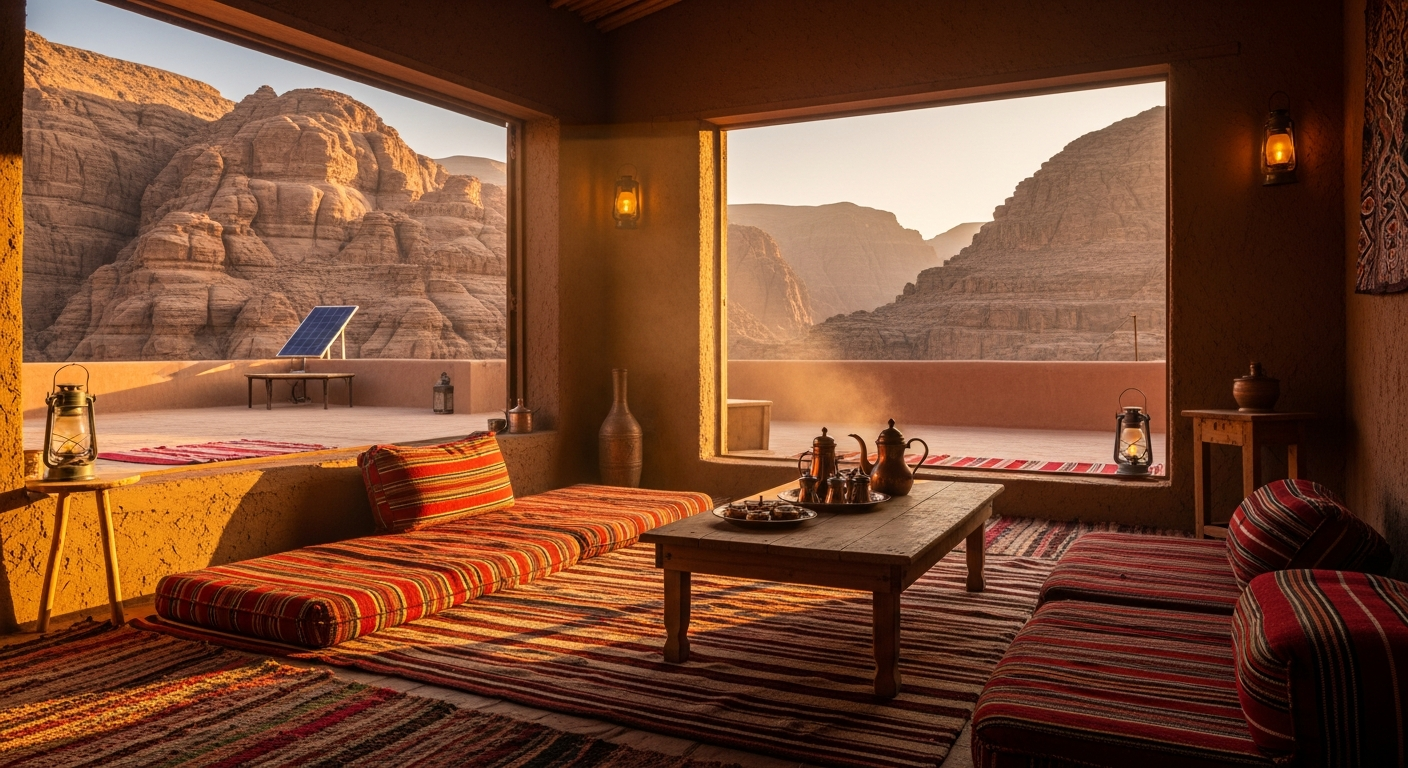
Nestled in the Dana Biosphere Reserve, Feynan Eco-Lodge provides an immersive experience in Jordan’s natural beauty. This eco-friendly accommodation combines sustainability with comfort. Guests can enjoy solar-powered amenities and locally sourced meals. The lodge offers activities like hiking, stargazing, and cultural tours with local Bedouins. This stay emphasizes environmental awareness while providing insight into traditional Jordanian life.
Canyoning Adventure in Wadi Mujib
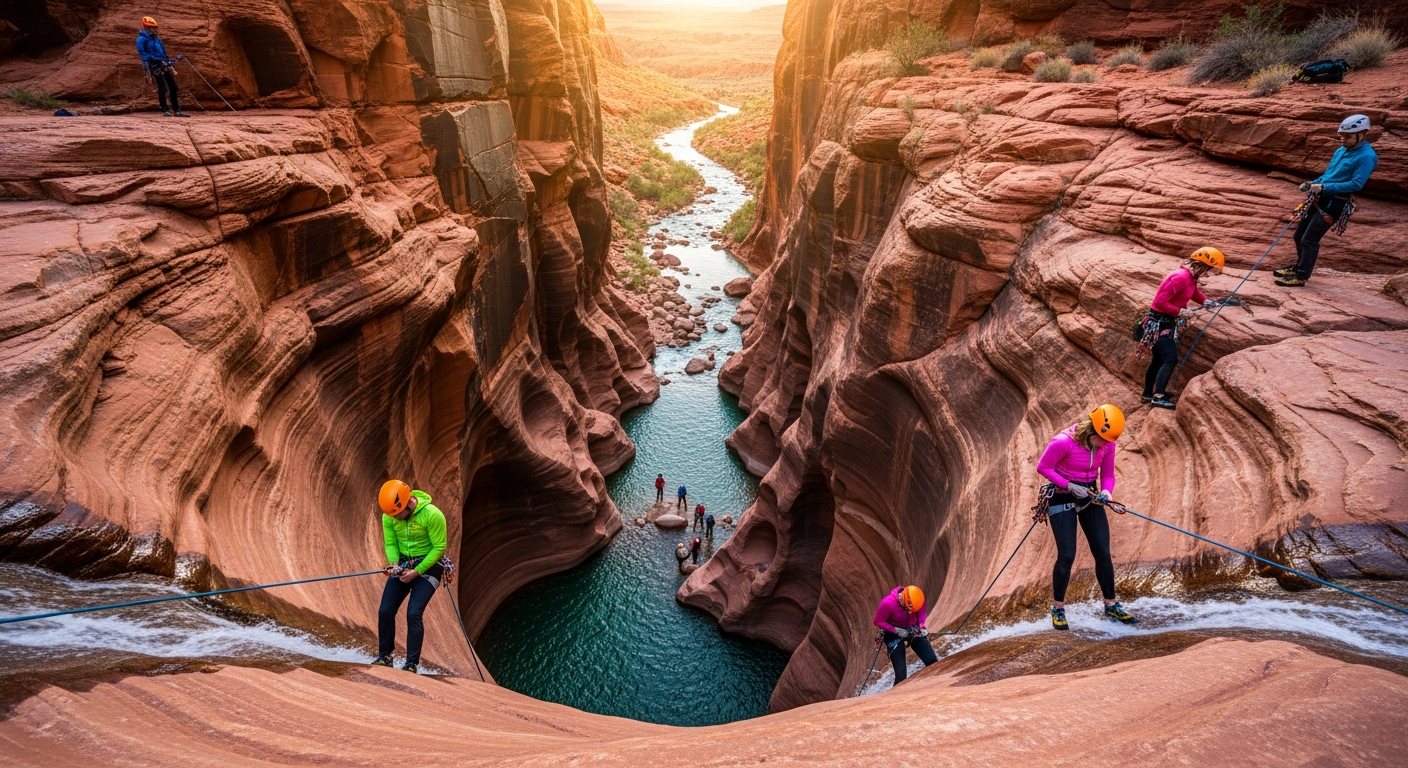
Often referred to as the “Grand Canyon of Jordan,” this spectacular reserve offers a sensory experience unlike any other. It holds the title of the lowest nature reserve on Earth. Consequently, the atmosphere feels distinctly prehistoric and raw. Towering sandstone cliffs rise dramatically on both sides of the river. These massive rock faces glow with vibrant shades of red, orange, and gold. Meanwhile, the cool water flows relentlessly beneath your feet. This creates a refreshing contrast against the intense desert heat above. Therefore, visiting here feels like stepping into a hidden world.
Mastering the Siq Trail
The most popular route for visitors is the famous Siq Trail. This self-guided hike leads you directly into the heart of the gorge. Initially, the water is shallow and relatively calm. However, the physical intensity builds quickly as you trek upstream. You must navigate against the current using installed ladders and ropes. Additionally, metal rungs assist you in climbing over large, slippery boulders. This activity requires a moderate level of fitness and balance. Thus, you should be prepared for a full-body workout.
The water itself is a major highlight of the journey. It is remarkably clear and refreshing. Sometimes, you will float peacefully through calm pools. In other moments, you must face rushing currents head-on. For example, some sections act as natural water slides carved by centuries of erosion. Furthermore, the acoustics inside the canyon are truly incredible. The sound of crashing water echoes loudly against the narrow walls. As a result, the roar of the river becomes the soundtrack of your adventure.
Insider Tips for Success
To maximize this experience, proper planning is essential. The reserve is generally open only from April to October. Therefore, you must schedule your trip during these warmer months. Also, arrive early in the morning to avoid long queues.
Consider these practical requirements for a smooth trip:
- Wear sturdy footwear: Old sneakers or water shoes with strong grip are mandatory.
- Bring a dry bag: You must protect your phone and car keys from the water.
- Dress appropriately: Wear quick-drying athletic clothes instead of heavy cotton.
Finally, remember that safety is a top priority here. Life jackets are provided and are mandatory for all visitors. Consequently, you can focus entirely on the thrill of the climb.
Day-by-Day Itinerary for Adventure Seekers
Day 1: Arrival in Amman
Discovering the White City
Amman is frequently treated as a mere transit point by hasty tourists. However, savvy travelers know it holds deep cultural treasures. The city is built across seven hills, creating unique neighborhoods to explore. Therefore, exploring on foot reveals hidden staircases and stunning views.
Start your morning at the Amman Citadel, known locally as Jabal Al Qala’a. This site offers a timeline of humanity in one location. For example, you can touch the massive Hand of Hercules. Additionally, the panoramic sunset views from here are unmatched.
Immersion in Local Life
Afterward, descend into the energetic pulse of Al Balad, the downtown area. Here, the Roman Theatre stands as a testament to ancient engineering. Remarkably, it was carved directly into the rock face to seat 6,000 spectators. Consequently, the acoustics remain perfect even today.
No visit is complete without navigating the chaotic, colorful souks. You should engage your senses in these specific markets:
- The Gold Souk: Admire dazzling displays of intricate jewelry.
- The Spice Market: Breathe in the aromas of za’atar and cardamom.
- Souk Jara: Browse this pop-up market for handmade local crafts.
Culinary Delights and Rest
Furthermore, you must indulge in the city’s legendary culinary scene. Specifically, join the line at Habibah Sweets for a plate of warm kunafa. This cheese-filled pastry is a non-negotiable rite of passage. Meanwhile, Hashem Restaurant offers the capital’s most famous falafel.
Finally, retreat to the artistic enclave of Rainbow Street for the evening. This area pulses with cafes, galleries, and history. Many historic villas have been converted into charming accommodations. As a result, staying here offers a cozy, authentic atmosphere before your desert journey.
Day 2: Journey to Petra
The Journey South: Biblical Landmarks Await
The route from Amman to Petra transforms into a spiritual pilgrimage. Madaba sits just 30 minutes southwest of the capital. This ancient city houses the famous 6th-century mosaic map. The map depicts Jerusalem and the Holy Land in remarkable detail. Furthermore, St. George’s Church preserves this Byzantine treasure on its floor. Local artisans still practice traditional mosaic-making techniques today. You can watch them work in small workshops throughout the old town.
Additionally, Mount Nebo lies only 10 kilometers from Madaba. Moses allegedly viewed the Promised Land from this sacred peak. The summit offers panoramic vistas stretching across the Jordan Valley. On clear days, you can spot Jerusalem, Jericho, and the Dead Sea. Therefore, bring binoculars to maximize your viewing experience. A modest basilica commemorates Moses at the mountain’s crest. Meanwhile, the serpentine cross sculpture symbolizes the bronze serpent from Numbers 21.
Timing Your Petra Arrival Strategically
Plan to reach Petra by late afternoon for optimal rest. The drive from Mount Nebo takes approximately two hours. However, the winding roads through the mountains require careful navigation. Most visitors stay in Wadi Musa, the town adjacent to Petra’s entrance. This positioning allows early morning access to the archaeological site.
Consequently, book accommodation near the visitor center when possible. Budget guesthouses and luxury hotels both line the main street. For example, the Mövenpick Resort sits directly opposite Petra’s gate. Alternatively, cave hotels offer unique atmospheric experiences carved into sandstone cliffs.
Preparing for the Monastery Trek
The Al-Deir Monastery hike demands proper physical and mental preparation. This monument rivals the Treasury in grandeur but receives fewer crowds. Moreover, reaching it requires climbing over 800 rock-cut steps. The ascent typically takes 45 to 60 minutes at a steady pace.
Therefore, dedicate your first evening to strategic planning. Pack these essentials in a lightweight daypack:
- Three liters of water per person minimum
- High-energy snacks like dates and nuts
- Sunscreen with SPF 50 or higher
- Wide-brimmed hat for sun protection
- Comfortable hiking shoes with ankle support
- Small first-aid kit with blister treatments
Additionally, arrange your wake-up call for 5:00 AM. Early starts help you avoid midday heat exceeding 35°C. Furthermore, morning light creates spectacular photography opportunities in Petra’s narrow canyon. The Siq entrance passage glows with rose-gold hues at sunrise.
Rest well and hydrate thoroughly before your adventure begins.
Day 3: Explore Petra
The Secret “Back Door” Route
Most visitors squeeze through the narrow Siq with hundreds of others. However, the true secret lies in the “back door” hike. Begin your adventure at Little Petra immediately after sunrise. Consequently, you avoid the overwhelming morning crowds found at the main gate. A local 4×4 shuttle can take you to the trailhead. From there, the path winds through rugged, stunning mountains. Eventually, you climb ancient stone steps toward the summit. The silence here is profound and peaceful.
Suddenly, the massive Monastery (Ad Deir) reveals itself. It is significantly larger and quieter than the famous Treasury. Furthermore, you will likely have this architectural marvel to yourself. Take your time exploring the intricate carved facade. Then, begin your descent into the main archaeological park. This reverse route is much easier on your legs. As a result, you save energy for other hidden gems.
Exploring Hidden Corners
Don’t just stick to the paved main path. Instead, venture up to the High Place of Sacrifice. The panoramic views from the top are absolutely unmatched. Additionally, the colors of the sandstone change throughout the day. Make sure to visit the Royal Tombs before sunset. The rock glows with vibrant shades of red, pink, and orange. Meanwhile, keep an eye out for ancient water channels. These engineering feats are often overlooked by hurried tourists.
Culinary Delights and Rest
End your day in a family-run guesthouse in Wadi Musa. Here, you experience authentic Jordanian hospitality firsthand. Your hosts will likely serve a traditional feast. For example, you might enjoy Mansaf, a tender lamb dish with yogurt sauce. Alternatively, try Zarb, which is slow-cooked in an underground sand oven. Finally, relax on a terrace with a hot cup of sweet sage tea. This quiet downtime allows you to reflect on the day’s history.
Day 4: Feynan Eco-Lodge
Many travelers overlook Dana in their rush to visit Petra. However, this vast biosphere reserve offers a dramatic change of scenery. It spans four distinct bio-geographical zones. Consequently, the landscape shifts from towering sandstone cliffs to low-lying desert wadis. Hidden deep within this rugged terrain lies a true travel secret.
This hidden gem is the award-winning Feynan Eco-Lodge. Here, the journey itself becomes part of the adventure. You must leave your rental car at the reception center. Then, a local Bedouin truck transports you into the heart of the wilderness. As a result, you immediately feel disconnected from the modern world.
A Candlelit Sanctuary
Feynan is not just a hotel; it is a sustainable sanctuary. Notably, the lodge operates entirely off the grid. Solar panels generate electricity for basic daytime needs. In contrast, the evenings offer a completely different atmosphere. Staff light hundreds of candles throughout the property at dusk.
Therefore, the lodge glows with a warm, magical ambiance. This setting encourages guests to put away their phones. Instead, you can focus on quiet conversation and nature. Furthermore, the silence of the desert enhances this peaceful retreat. Guests also enjoy delicious, locally sourced vegetarian meals. Thus, the dining experience aligns with the lodge’s eco-friendly ethos.
Immersive Desert Adventures
The reserve offers more than just relaxation. For example, guided hikes reveal the area’s rich biodiversity. Local guides expertly point out rare plants and birds. Additionally, you can explore ancient copper mines nearby. These historical sites date back thousands of years.
Consider these unique activities:
- Sunrise hikes along the canyon ridges
- Mountain biking on rugged desert trails
- Stargazing from the lodge’s expansive rooftop
Meanwhile, the lack of light pollution provides perfect conditions for astronomy. The Milky Way is often visible with the naked eye. Consequently, the rooftop becomes a prime spot for evening relaxation.
Authentic Bedouin Connection
Cultural immersion is a cornerstone of the Feynan experience. Specifically, the lodge facilitates genuine interactions with local families. You are not just observing; you are participating. For instance, you might learn to bake Arboud bread in hot ash.
Similarly, guests can witness the traditional coffee-making ritual. A host roasts the beans over an open fire. Moreover, these activities directly support the local economy. Your visit helps sustain the indigenous community’s way of life. Ultimately, this creates a meaningful and responsible travel experience.
Day 5: Canyoning in Wadi Mujib
Conquering the Grand Canyon of Jordan
Often referred to as the “Grand Canyon of Jordan,” Wadi Mujib offers a landscape unlike any other. This massive gorge stretches majestically from the Desert Highway down to the Dead Sea. Consequently, it provides a dramatic backdrop for adventure seekers. The towering red sandstone cliffs create a stunning visual contrast against the blue sky. Furthermore, the river flowing at the bottom adds a dynamic element to the scenery.
The most popular route for visitors is the Siq Trail. This self-guided adventure requires no technical climbing experience. However, be prepared to get completely wet. You will wade through rushing water and scramble over slippery rocks. Additionally, the trail leads you directly into the heart of the canyon.
To navigate the challenging terrain, the reserve installs helpful aids. For example, sturdy ropes and metal ladders assist you up waterfalls. You must pull yourself up against the current. Therefore, a moderate level of physical fitness is highly recommended. The rush of cold water provides relief from the desert heat. As a result, the hike feels like an exhilarating natural water park.
Essential Gear and Timing
Proper preparation ensures a safe and enjoyable experience. Since the environment is rugged, you cannot wear flip-flops. Instead, follow these critical packing tips:
- Footwear: Wear sturdy water shoes or old sneakers with good grip.
- Clothing: Choose quick-drying athletic wear or swimsuits.
- Protection: Apply waterproof sunscreen before you start.
- Valuables: Use a dry bag for keys or phones.
Timing is also crucial for this activity. The reserve is generally open from April to October. During winter, the water levels rise too high. Consequently, the trails close for safety reasons. Moreover, arriving early in the morning helps you beat the crowds. This allows for a more serene connection with nature.
Ultimate Relaxation at the Lowest Point on Earth
After the physical exertion of canyoning, your muscles will crave relief. Conveniently, the Dead Sea is located just a short drive away. Sitting at more than 400 meters below sea level, it is the lowest point on Earth. The atmosphere here is thick with oxygen and history.
The water is famous for its extreme salinity. In fact, it is nearly ten times saltier than the ocean. As a result, swimming is actually impossible. Instead, you float effortlessly on the surface. This buoyancy relieves pressure on your joints immediately. It creates a sensation of total weightlessness.
Make sure to utilize the natural spa treatments available here. Specifically, apply the mineral-rich black mud to your skin. Let it dry in the sun for a few minutes. Then, wash it off in the salty water. Afterward, your skin will feel incredibly soft and rejuvenated. Finally, end your day at a resort, watching the sunset over the West Bank.
Conclusion: Embrace the Adventure
Jordan’s hidden gems offer an enriching travel experience, blending natural beauty with rich cultural history. Travel Guide By venturing off the beaten path, travelers can uncover the country’s lesser-known wonders. From the majestic Monastery in Petra to the thrilling canyons of Wadi Mujib, each stop on this adventure promises unique memories. Whether staying in eco-lodges or hiking ancient trails, Jordan invites you to explore its secrets and embrace the thrill of discovery.