
Beyond the Beaches: Discovering Costa Rica’s Lesser-Known Treasures
After our youngest left for university, the house got very quiet very fast. My partner and I looked at each other over dinner one night and said, almost simultaneously, “So… where do you actually want to go?” We’d done the obvious — the all-inclusive resorts, the beach weeks where we barely moved — but this time we wanted something that felt genuinely alive. Costa Rica had always meant postcard beaches to us, but once we started digging, we realised the country was hiding something far more interesting beyond the coastline: cloud forests, remote villages, volcanic landscapes, and a culture that most visitors never slow down long enough to find. This is the trip that changed how we travel, and these are the lesser-known corners of Costa Rica we’re so glad we almost missed.
The Green Viper Almost Made Me Drop My Hiking Poles
Our guide Rodrigo had the kind of calm, unhurried confidence that only comes from having walked the same volcanic slopes a few hundred times. He was the first to spot the toucan — a chestnut-mandibled beauty perched against a slate-grey sky — and the first to explain why the ground beneath our boots looked the way it did. We were crossing the 1968 lava field, the remnants of an eruption that killed 87 people and buried three entire villages in under an hour. Rodrigo said it almost matter-of-factly, the way locals talk about things that are simply part of the landscape, but it landed heavy. Arenal was considered dormant before that eruption; nobody saw it coming. The volcano has been in a quieter phase since 2010, but standing on hardened black rock at the edge of the jungle, you don’t really feel like anything around here is finished making decisions.
Midway through the trek, Rodrigo stopped and pointed to a branch about two feet from my left elbow. There, coiled in a curl of brilliant green, was a palm pit viper — perfectly invisible until it wasn’t. I let out a noise I will describe only as “undignified,” stumbled backward into the person behind me, and nearly took us both down into the ferns. Rodrigo did not laugh. He waited a polite three seconds, then absolutely lost it. Once my heart rate dropped back to something survivable, he told us the viper’s venom is hemotoxic — it destroys tissue — but that they almost never strike unless touched. “So,” he said, looking pointedly at my hiking pole, which had been a full inch from the branch, “please don’t touch.” He also mentioned that Costa Rica is home to roughly 140 snake species, 23 of which are venomous. I spent the rest of the hike watching the ground like my life depended on it, because apparently it could.
By the time we reached Tabacón, the rain had arrived in that sudden, theatrical way the rainforest specializes in. I didn’t care. The thermal pools run between 86°F and 102°F, fed by the same geothermal activity that built the volcano above us, and sliding into one while warm rain dripped through the jungle canopy overhead was the kind of thing that rearranges your priorities. Rodrigo found us eventually, holding a beer and looking entirely too comfortable, and explained that the Tabacón River itself was once rerouted after the 1975 eruption changed the valley’s drainage. Hot springs, rerouted rivers, vipers in the bushes — Arenal doesn’t do anything small. If you want to do this one properly, browse similar Costa Rica tours on Viator and look for anything that pairs a naturalist-guided lava field hike with hot springs access — it’s the full story, not just the Instagram part.
What I Recommend
A solid pair of hiking boots is non-negotiable for exploring Costa Rica’s interior trails and cloud forests. I’ve learned the hard way that flip-flops won’t cut it when you’re scrambling up muddy volcanic slopes or navigating slippery jungle terrain. Your feet (and ankles) will thank you.
Trust me, you need a quality rain jacket in Costa Rica—the afternoon downpours are no joke, and you’ll want to stay dry while exploring. I’ve used mine on every jungle excursion, and it’s made the difference between enjoying a hike and getting absolutely drenched while your camera equipment panics.
A pair of binoculars will transform your wildlife watching from “I think I saw a sloth” to “I just watched a howler monkey’s entire family.” Whether you’re in a cloud forest or spotting birds along a river, these make spotting shy creatures infinitely easier and more rewarding.
A good field guide to Costa Rican wildlife will deepen your appreciation for everything you encounter beyond the typical tourist spots. I always travel with one so I can identify the incredible biodiversity—from poison dart frogs to howler monkeys—and actually understand what I’m looking at.
A comfortable backpack is essential for day hikes to remote waterfalls and lesser-known reserves where you’ll need to carry water, snacks, and sun protection. I’ve learned that a well-fitted pack makes a huge difference in how much you can enjoy an all-day adventure without your shoulders staging a revolt.
Bring a decent camera to capture the otherworldly beauty of Costa Rica’s hidden spots—the light filtering through cloud forests, the turquoise rivers, the wildlife moments you’ll never forget. Your phone camera will do in a pinch, but you’ll wish you had better shots when you’re reminiscing about those off-the-beaten-path discoveries.
*As an Amazon Associate, I earn from qualifying purchases.
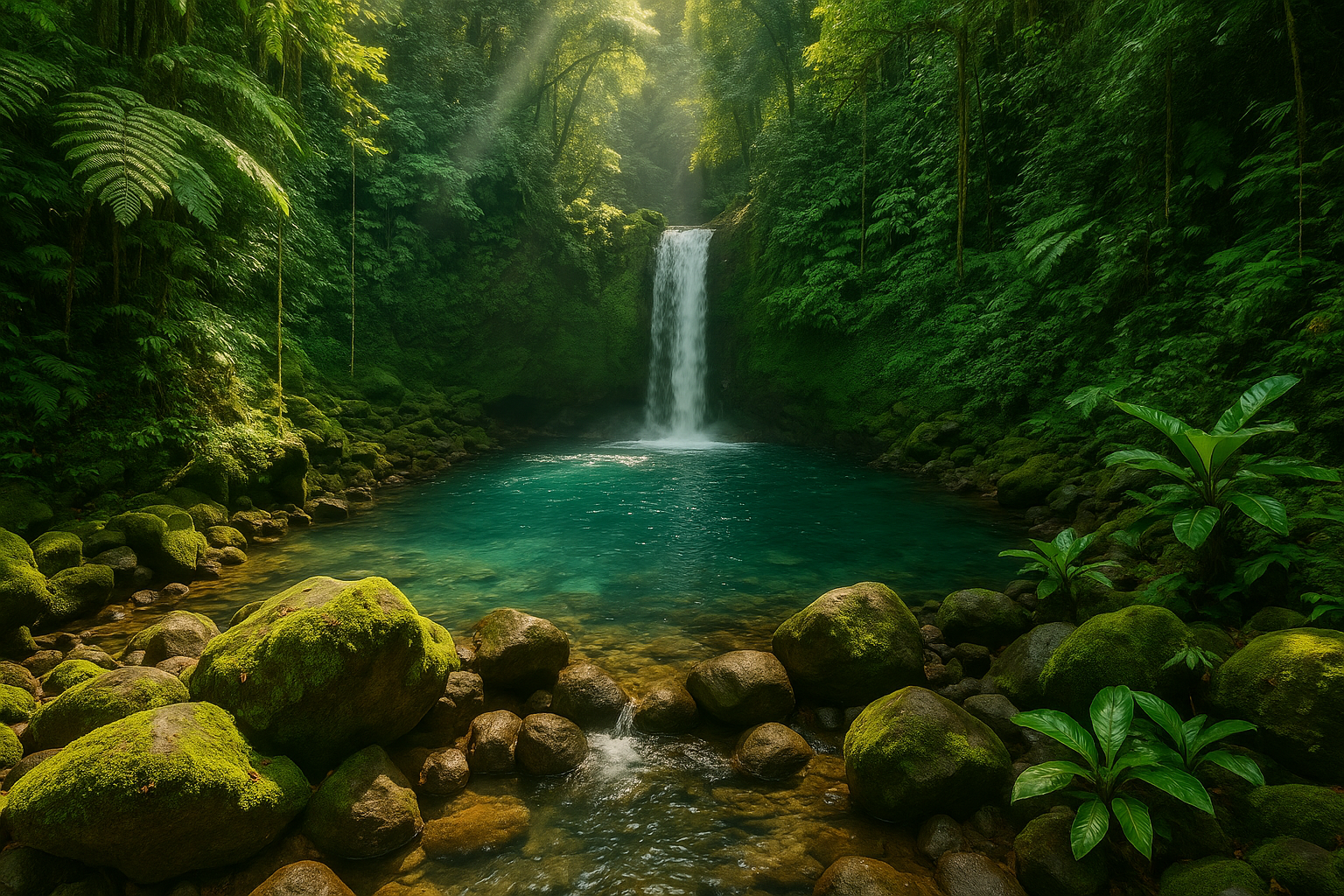
Exploring Enchanting Rainforests
A Living Laboratory Above the Clouds
The Monteverde Cloud Forest Reserve stands as one of Central America’s most pristine ecological treasures, sitting at elevations between 4,600 and 5,600 feet where moisture-laden clouds literally pass through the forest canopy. This unique positioning creates a perpetually damp, ethereal environment that supports an extraordinary concentration of life forms found nowhere else on Earth.
What Makes Cloud Forests Different
Unlike typical rainforests, cloud forests exist in a constant state of mist and fog, which means:
- Persistent moisture saturates every surface, allowing epiphytes (air plants) to thrive without soil
- Cooler temperatures create distinct microclimates that host specialized species
- Limited sunlight filters through multiple canopy layers, creating a mystical, dreamlike atmosphere
- Unique evolutionary pressures have produced endemic species that exist only in these specific conditions
The Symphony of Wildlife
As dawn breaks over Monteverde, the forest awakens with a cacophony of natural sounds that experienced guides can identify with remarkable precision:
The haunting three-note call of the resplendent quetzal—considered sacred by ancient Mesoamerican cultures—echoes through the canopy. These iridescent green and crimson birds, with tail feathers reaching up to three feet long, represent the crown jewel of any birdwatcher’s life list.
Meanwhile, the metallic “bonk” of the three-wattled bellbird carries for nearly half a mile, one of the loudest bird calls in the world. Howler monkeys provide the bass notes to this natural orchestra, their territorial roars resonating through the morning mist like distant thunder.
A Vertical Garden of Extraordinary Proportions
The vegetation itself tells a story of adaptation and competition for resources:
- Massive strangler figs begin life as seeds deposited by birds in the upper canopy, sending roots downward that eventually encase and outlive their host trees
- Bromeliads and orchids carpet every available branch surface—Monteverde hosts over 500 orchid species alone, some with flowers smaller than a pinhead
- Mosses and lichens create living tapestries several inches thick on tree trunks, acting as sponges that regulate the forest’s water supply
- Tree ferns with trunks reaching 20 feet tall create prehistoric scenes straight from the Jurassic period
The Immersive Sensory Experience
Walking these trails engages every sense in ways few natural environments can match:
- Touch: The air itself feels tangible—cool, wet, and heavy with oxygen
- Smell: Rich earth, decaying leaves, and the sweet perfume of hidden flowers create an intoxicating natural fragrance
- Sight: Visibility rarely extends beyond 50 feet as mist swirls between ancient trees draped in living curtains of moss
- Sound: Beyond the obvious bird calls, listen for the rustle of coatis foraging in leaf litter or the buzz of hummingbirds hovering at eye level
- Taste: The moisture in the air leaves a clean, almost sweet sensation on your tongue
Moreover, the Osa Peninsula, home to Corcovado National Park, offers an unparalleled journey into the wild. Travel Guide Here, jaguars roam freely, and scarlet macaws color the skies. This region is often considered one of the most biologically intense places on Earth .

Unveiling Cultural Richness in San José
The capital city, San José, often overlooked as a mere transit point, brims with cultural vibrancy. The National Museum of Costa Rica, housed in a historic fort, tells the story of the country’s past through engaging exhibits. Visitors can explore artifacts ranging from pre-Columbian gold to colonial era relics.
Immersing Yourself in San José’s Central Market Experience
The Central Market stands as one of Costa Rica’s most authentic cultural experiences, operating since 1880 in the heart of the capital. This labyrinthine marketplace sprawls across an entire city block, where over 200 vendors create a sensory wonderland that tourists often overlook in favor of beach destinations.
What Makes the Market Unmissable
The moment you step through the weathered entrance, you’re transported into a world where locals actually shop—not a sanitized tourist attraction, but a genuine slice of Tico daily life. The narrow corridors wind unpredictably, creating an adventure where getting slightly lost becomes part of the charm.
The Culinary Journey
The food section alone deserves an entire morning:
- Sodas (traditional lunch counters) serve authentic casado plates for under $5, where you’ll sit elbow-to-elbow with office workers and market vendors
- Fresh tropical fruits you’ve never seen before—rambutan, cas, mamón chino—stacked in pyramids of crimson, gold, and green
- Butcher stalls displaying the day’s catch and cuts of meat, operated by families who’ve held the same spot for generations
- Spice vendors offering packets of homemade recados (seasoning blends) that no cookbook will teach you about
Beyond the Produce Aisles
The artisan sections reveal Costa Rica’s craftsmanship heritage:
- Leather workers crafting custom belts and wallets while you wait
- Textile stalls featuring hand-embroidered tablecloths and traditional ox-cart designs
- Herbal medicine vendors selling natural remedies passed down through generations
- Coffee merchants offering beans from specific micro-regions, often at half the price of tourist shops
Insider Tips for Your Visit
The market truly comes alive between 7 AM and 10 AM when the energy peaks and the freshest items are still available. Bring small bills (vendors rarely have change for large denominations), and don’t be afraid to sample—many fruit sellers will slice open exotic specimens for curious visitors.
Watch your belongings carefully in the crowded passages, but don’t let caution prevent you from engaging with the warm, talkative vendors who love sharing stories about their products and families.
Discovering Off-the-Beaten-Path Beaches
Away from the crowded tourist spots, Costa Rica’s lesser-known beaches offer serenity and beauty. Playa Ventanas, with its unique sea caves, provides a picturesque setting for relaxation and exploration. As waves crash against the rocks, the echo within the caves creates a natural symphony.
Nestled on the Southern Caribbean coast, Cahuita acts as the serene, unhurried counterpoint to Costa Rica’s busier Pacific destinations. Here, the Afro-Caribbean culture infuses the air with a relaxed rhythm, creating an atmosphere where nature takes center stage without the crowds.
A Symphony of Land and Sea
Unlike parks where you must choose between trekking and swimming, Cahuita offers a seamless integration of both. The park preserves a unique ecosystem where the rainforest canopy extends almost to the water’s edge.
- The Coastal Trail: A flat, sandy path runs parallel to the shoreline for kilometers. Hikers can walk under the shade of almond trees and coconut palms while the Caribbean Sea laps gently just a few feet away.
- Visual Contrast: The striking juxtaposition of emerald green foliage against white sand and turquoise water creates a photographer’s dream, requiring no filters to capture the raw beauty.
The Underwater Spectacle
The true jewel of Cahuita is its massive coral reef system—one of the most important in Costa Rica—encompassing over 600 acres of protected marine area. Snorkeling here is not just an activity; it is an immersion into a bustling aquatic metropolis.
What lies beneath the surface:
- Coral Diversity: Look for massive formations of Elkhorn and Brain coral that serve as the architecture for this underwater city.
- Vibrant Residents: Swimmers frequently encounter schools of Blue Parrotfish, Angelfish, and Sergeant Majors darting through the currents.
- Gentle Giants: Lucky visitors may spot Green Sea Turtles gliding effortlessly through the seagrass or Nurse Sharks resting near the ocean floor.
Pro Tip: To protect this fragile ecosystem, snorkeling the reef is highly regulated. You must hire a certified local guide, which ensures you see the best spots while safeguarding the coral from damage.
Wildlife Without the Wait
While the ocean beckons, the terrestrial experience is equally rich. Because the forest is less dense than the deep interior jungles, wildlife spotting is surprisingly accessible, even for amateur naturalists.
Keep your eyes peeled for:
- Sloths: Both two-toed and three-toed sloths are frequently seen clinging to low-hanging branches.
- Monkeys: The guttural roar of Howler Monkeys often echoes through the trees, while inquisitive White-faced Capuchins watch visitors from the canopy.
- Birdlife: Flashes of color reveal Keel-billed Toucans and Ibises, making binoculars a must-have accessory.
The “Pura Vida” Escape
Ultimately, Cahuita National Park defines the concept of a “hidden gem” through its atmosphere. There are no high-rise resorts blocking the view, nor are there lines to enter the trails. Instead, visitors find a profound sense of solitude. Whether you are floating in the warm, calm waters of Playa Blanca or simply sitting on a piece of driftwood listening to the jungle sounds mix with the surf, the park offers a rare, restorative silence that is increasingly hard to find.
Adventure in the Highlands
The highlands of Costa Rica offer a different kind of adventure. The town of Turrialba, nestled amidst volcanic landscapes, serves as a gateway to thrilling activities. White-water rafting on the Pacuare River provides an adrenaline rush, with its rapid-filled waters challenging even seasoned adventurers.
Discovering the Raw Power of Turrialba Volcano National Park
Turrialba Volcano National Park stands as one of Costa Rica’s most geologically active destinations, offering adventurers an intimate encounter with the earth’s volcanic forces. Unlike the more tourist-heavy national parks, this hidden gem provides an authentic wilderness experience where nature’s raw power takes center stage.
The Summit Trail Experience
The journey to Turrialba’s summit presents hikers with a challenging yet deeply rewarding adventure:
- Trail difficulty: Moderate to challenging terrain that tests endurance while remaining accessible to reasonably fit hikers
- Elevation gain: Ascending through multiple ecological zones, each revealing distinct flora and fauna
- Duration: Approximately 3-4 hours round-trip, depending on fitness level and weather conditions
- Best timing: Early morning departures offer clearer skies and better visibility before afternoon cloud cover rolls in
What Awaits at the Peak
Upon reaching the summit, visitors find themselves standing at 3,340 meters (10,958 feet) above sea level, where the rewards extend far beyond physical accomplishment:
The panoramic vistas include:
- Sweeping views across the Central Valley’s patchwork of coffee plantations and agricultural lands
- Distant glimpses of the Caribbean coastline on exceptionally clear days
- The imposing silhouettes of neighboring volcanic peaks, including Irazú and Poás
- Active fumaroles releasing sulfurous steam, creating an otherworldly atmosphere
A Living Geology Classroom
The park serves as a living laboratory for understanding Costa Rica’s position along the Pacific Ring of Fire. Visitors can observe:
- Volcanic craters: Multiple craters showcase different stages of volcanic activity, from dormant depressions to actively steaming vents
- Lava formations: Solidified lava flows create dramatic landscapes of twisted rock formations and volcanic glass
- Ash deposits: Layers of volcanic ash tell the story of centuries of eruptions, creating nutrient-rich soils that support unique vegetation
- Tectonic evidence: Visible fault lines and fractures demonstrate the ongoing collision between the Cocos and Caribbean tectonic plates
This dynamic geological theater illustrates how Costa Rica’s remarkable biodiversity and topography emerged from millions of years of volcanic activity, offering visitors a profound understanding of the forces that continue to sculpt this remarkable landscape.
Immersing in Local Traditions
Costa Rica’s cultural fabric is woven with vibrant traditions. In the town of Sarchí, the art of ox cart painting continues to thrive. Artisans create intricate designs, each piece telling a story of heritage and craftsmanship. Visitors can witness this tradition firsthand and even participate in workshops.
A Dazzling Display of Costa Rican Spirit
The Festival of Light (Festival de la Luz) transforms San José into a mesmerizing spectacle every December, typically held during the second week of the month. This beloved tradition draws hundreds of thousands of locals and visitors to the capital’s main thoroughfare, creating an unforgettable experience that captures the essence of Pura Vida.
What Makes This Festival Extraordinary
The parade itself is a sensory overload in the best possible way:
- Elaborate floats adorned with thousands of twinkling LED lights glide through Paseo Colón and Avenida Segunda
- Marching bands from schools across the country showcase their talent with synchronized performances
- Traditional dance troupes in vibrant costumes perform folkloric numbers that tell Costa Rica’s cultural story
- Acrobats, stilt walkers, and performers interact directly with the crowd, creating magical moments
Beyond the Main Event
The celebration extends far beyond just watching a parade pass by. Street vendors line the route selling everything from traditional churros and granizados (shaved ice treats) to handcrafted ornaments and glow-in-the-dark accessories that children wave enthusiastically overhead.
Local families stake out their spots hours in advance, bringing:
- Folding chairs and blankets for comfort
- Coolers packed with homemade snacks
- Flags and noisemakers to cheer on performers
- An infectious enthusiasm that welcomes strangers into their celebrations
The Heart of Costa Rican Hospitality
What truly distinguishes this festival from similar events worldwide is the genuine warmth radiating from attendees. Don’t be surprised if local families invite you to share their viewing space, offer you food, or strike up conversations about where you’re from and what brought you to Costa Rica. This spontaneous generosity isn’t performative—it’s deeply woven into the national character.
The festival serves as a powerful reminder that Costa Rica’s greatest treasure isn’t found in its rainforests or beaches, but in the spirit of its people who embrace community, celebration, and the simple joy of coming together under a canopy of lights.
Conclusion: A Journey Beyond the Ordinary
While the pristine coastlines of Guanacaste and the Caribbean often steal the spotlight, the true essence of Pura Vida pulses strongest in the lush, verdant interior of the country. Venturing inland allows you to trade the sound of crashing waves for the symphony of the jungle and the hushed whispers of the cloud forests.
Here is where the landscape transforms into a dramatic canvas of biodiversity and heritage, offering experiences that the typical resort itinerary simply cannot match.
The Mystique of the Cloud Forests
Unlike the humid lowlands, the highlands offer a cool, crisp retreat where the mountains are perpetually draped in mist.
- San Gerardo de Dota: Tucked away in the Talamanca mountains, this valley is a birdwatcher’s paradise. It is arguably the best place in the world to spot the elusive Resplendent Quetzal, a bird sacred to ancient Maya and Aztec cultures.
- Monteverde’s Quiet Neighbors: While Monteverde is famous, the nearby Santa Elena Reserve offers the same magical moss-covered trees and hanging bridges with a fraction of the foot traffic, allowing for a deeply meditative connection with nature.
Volcanic Wonders and Elemental Power
Costa Rica lies on the Pacific Ring of Fire, creating a geology that is both volatile and vibrant. Moving away from the crowds of Arenal reveals raw, prehistoric landscapes.
- Rincón de la Vieja: This national park is a geothermal wonderland. Hiking here means navigating boiling mud pots, fumaroles, and natural steam vents, all nestled within a dry tropical forest.
- Tenorio Volcano National Park: Home to the enchanting Río Celeste, where volcanic minerals turn the river a shocking, surreal shade of turquoise. The hike to the waterfall offers a visual reward that feels almost photoshopped in its intensity.
- Bajos del Toro: A hidden region known as the “Land of Waterfalls,” situated between extinct volcanoes. It features some of the bluest water and tallest cascades in the country, often hidden on private reserves that require a sense of adventure to locate.
Cultural Immersion: The Heart of the Tico Spirit
To truly understand this nation, one must engage with its people and their traditions. The “real” Costa Rica is found in the small towns and indigenous territories where heritage is preserved with pride.
Top Cultural Experiences:
- Indigenous Encounters: Visit the Bribri or Boruca territories in the south. Here, travelers can learn about traditional chocolate making, medicinal plants, and the intricate art of mask carving that dates back centuries.
- The Golden Bean: Skip the industrial coffee tours for a visit to a small, family-run finca in the Central Valley. You will learn how the “Golden Bean” shaped the nation’s economy while sipping a pour-over brewed by the farmer who grew it.
- Blue Zone Wisdom: Venture to the Nicoya Peninsula’s rural interior to discover why this region is one of the world’s five “Blue Zones,” where residents live extraordinarily long, healthy lives. The secret often lies in the maiz (corn) based diet and strong community ties.
The Wild Frontier: The Southern Zone
For those seeking untamed wilderness, the Southern Zone offers an intensity that commands respect.
- Corcovado National Park: Often cited by National Geographic as the most biologically intense place on Earth, this is where tapirs walk the beaches and jaguars roam the dense jungle.
- Piedras Blancas: A lesser-known neighbor to Corcovado, this park offers towering trees and silence so profound it feels heavy, broken only by the call of scarlet macaws.
Traveler’s Tip: When exploring these hidden gems, rent a 4×4 vehicle. Many of the most rewarding destinations—like the cloud forests of Dota or the waterfalls of Bajos del Toro—are accessed via unpaved mountain roads that are an adventure in themselves.
In conclusion, Costa Rica invites exploration beyond its famed beaches, offering a wealth of hidden gems. Travel Guide These experiences showcase the country’s diverse landscapes and vibrant culture, providing an enriching journey for all who venture beyond the ordinary.

*As an Amazon Associate, I earn from qualifying purchases.