
Hidden Waterfalls and Pristine Beaches
Discovering Costa Rica’s Best-Kept Secrets
When I turned 35, I made a deal with myself: no more saving the good stuff for someday. The trip I’d been pinning photos of for four years finally had a departure date — and I was done letting Costa Rica exist only as a screensaver. But somewhere between booking the flight and landing in San José, I made a second, quieter decision: I was going to skip the places everyone already knew about. What I found instead — tucked away from the tourist trail, known mostly to locals and the occasional stubborn wanderer — was the authentic Costa Rica that no guidebook had quite managed to capture: the raw, unhurried magic of pura vida lived on its own terms.
If you’re planning to explore Costa Rica’s hidden waterfalls and remote beaches, proper gear makes all the difference between a memorable adventure and a challenging ordeal. I learned this firsthand after ruining a pair of regular sneakers on a muddy rainforest trail, which is why I now swear by quality hiking boots that can handle wet, slippery terrain without falling apart. Since many of these secret spots involve river crossings or unexpected downpours, I always pack a reliable dry bag to protect my phone, camera, and important documents from water damage. When you’re miles from the nearest town, having a LifeStraw Personal Water filter means you can safely drink from streams and waterfalls without worrying about getting sick, which gives you much more freedom to explore remote areas. Finally, a lightweight backpack and quick-drying microfiber towel are essentials for beach-hopping and waterfall-chasing, especially when you’re moving between multiple locations in a single day.
*As an Amazon Associate, I earn from qualifying purchases.
What Makes a True hidden gem?
Not every quiet spot qualifies as a hidden gem. The real treasures share these characteristics:
- Local approval: Places where Ticos actually spend their weekends and holidays
- Minimal commercial development: Few all-inclusive resorts or chain restaurants in sight
- Preserved ecosystems: Natural environments that haven’t been altered for mass tourism
- Cultural authenticity: Communities where traditional ways of life continue undisturbed
- Accessibility challenges: Locations that require extra effort, planning, or local knowledge to reach
The Problem with Mainstream Tourism
Costa Rica’s most famous destinations have become victims of their own success. Consider what you’ll typically encounter at popular spots:
Manuel Antonio sees thousands of visitors daily, with tour buses creating traffic jams on the narrow coastal road. Monteverde’s cloud forests now feature zip-line operations that can accommodate hundreds of thrill-seekers per hour. Even Arenal Volcano’s surrounding towns have transformed into resort complexes where English is spoken more frequently than Spanish.
The impact extends beyond crowds:
- Inflated prices that bear no resemblance to local cost of living
- Staged experiences designed specifically for Instagram moments
- Environmental strain from infrastructure struggling to support visitor numbers
- Cultural dilution as communities adapt to tourist expectations rather than maintaining traditions
The Reward of Venturing Off-Trail
When you escape the tourist corridor connecting San José to the coast, you’ll discover a completely different country. These undiscovered pockets offer:
Genuine interactions with locals who are surprised and delighted to see foreign visitors, not fatigued by them. You might find yourself invited to a family celebration or taught how to prepare traditional dishes in someone’s home kitchen.
Untouched wilderness where the only sounds are howler monkeys greeting the dawn and toucans calling from cecropia trees. Wildlife behaves naturally when it hasn’t been conditioned by daily human presence.
Affordable adventures where your travel budget stretches considerably further. A beachfront cabin might cost what you’d pay for a basic room in tourist zones, and meals at local sodas showcase authentic cuisine at genuine prices.
Unique stories that you won’t find replicated on a thousand other travel blogs. These are the experiences that transform a vacation into a journey worth recounting for years.
The journey to these secret locations requires extra effort. However, the reward is worth every bumpy road and early morning wake-up call. You’ll encounter landscapes that feel untouched by time and communities that welcome you with genuine warmth.
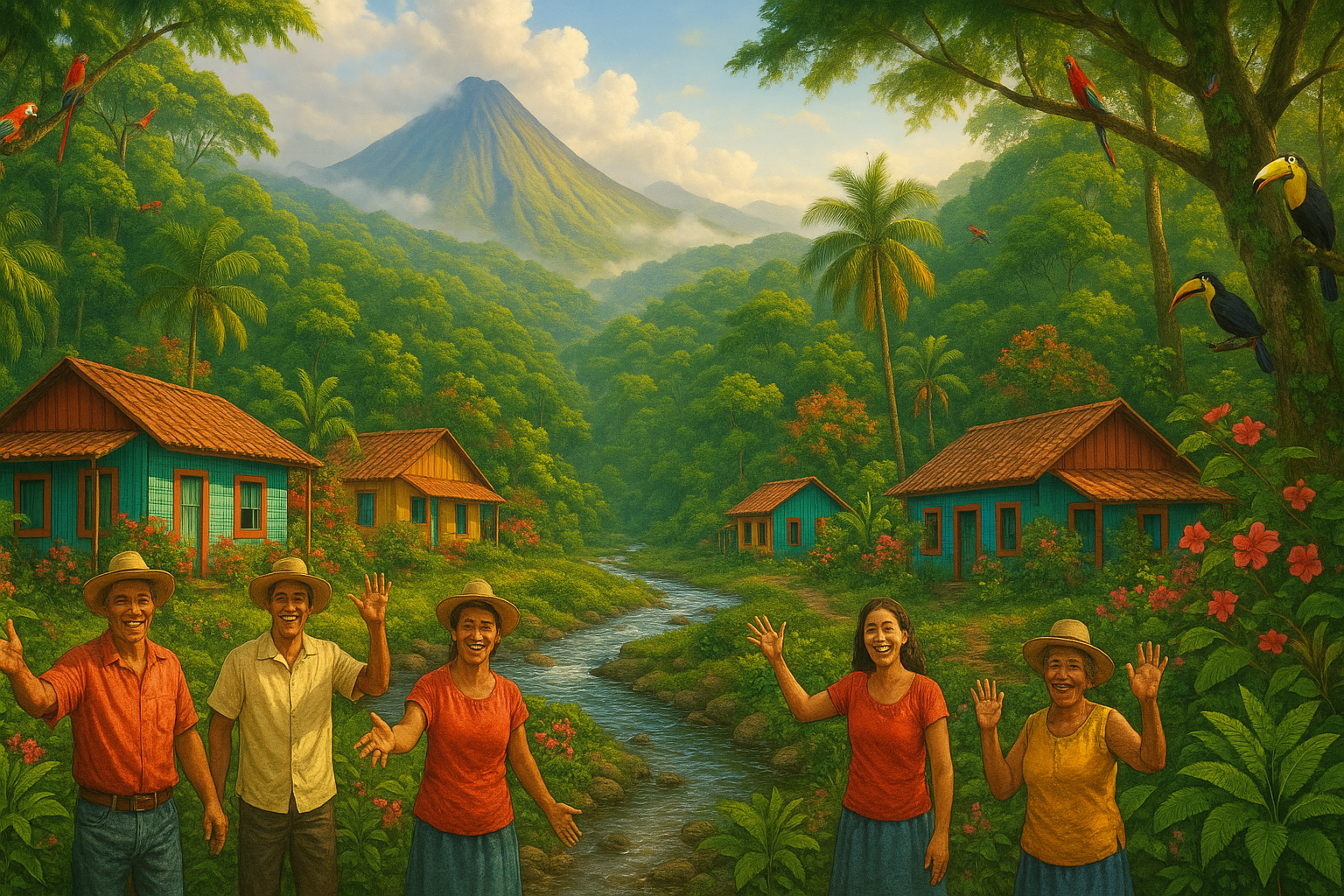
Playa Ventanas: The Cave Beach
Nestled within the lush, jungle-fringed landscape of the Costa Ballena region, Playa Ventanas offers a geological spectacle that sets it apart from the typical sandy stretches of the Southern Zone. While many visitors flock to the nearby “Whale’s Tail” in Uvita, this secluded enclave provides a more intimate and adventurous connection with nature.
Here is why this destination is a must-visit for the intrepid traveler:
The Phenomenon of “Las Ventanas”
The beach derives its name—which translates to “Windows Beach”—from the promontory of rock at the northern end. Over centuries, the relentless Pacific surf has carved two distinct tunnels through the cliffside, creating natural skylights that connect the beach to the open ocean.
- Acoustic Wonder: Even when you aren’t inside them, the caves create a unique auditory experience. The waves crashing through the tunnels amplify the sound of the ocean, creating a deep, resonant roar that echoes against the canyon walls.
- Photographic Gold: The dark, volcanic sand contrasts beautifully with the emerald green of the coconut palms and the rugged grey stone, making for dramatic lighting conditions, especially during the “Golden Hour” at sunset.
Timing Your Visit: The Tide Factor
To fully experience the magic of Playa Ventanas, consulting a tide chart is essential. The beach transforms completely depending on the water level:
- Low Tide (The Exploration Phase): This is the prime time to visit. As the water recedes, the cave floors are revealed, inviting you to walk directly through the mountain. Inside, you can gaze out at the horizon framed by the jagged rock silhouette—a view unavailable anywhere else in Costa Rica.
- High Tide (The Power Phase): While the caves become inaccessible for walking, they turn into a powerful display of nature’s force. At high tide, the waves surge through the tunnels with immense pressure, blasting out the other side like a geyser. Note: Swimming near the caves during rising or high tide is dangerous due to strong currents; admire the show from the safety of the sand.
A Convergence of Ecosystems
Playa Ventanas is a prime example of where the rainforest meets the reef. Because the beach is bordered by dense vegetation, the wildlife viewing is spectacular.
- In the Tide Pools: Look for colorful gobies, sea urchins, hermit crabs, and small crustaceans trapped in the rocky pockets left behind by the receding tide.
- In the Canopy: The palm trees and almond trees lining the shore are frequently visited by Scarlet Macaws, Howler Monkeys, and White-faced Capuchins. It is not uncommon to see monkeys descending from the trees to inspect the beach just yards from where you are sunbathing.
Know Before You Go
- Access: The road to the beach requires a short drive through a private palm plantation.
- Parking: There is a small fee for parking (usually around $2–$3 USD), which also provides a sense of security for your vehicle.
- Amenities: unlike many wild beaches, Ventanas has basic amenities including bathrooms, showers, and local vendors selling fresh pipa fría (cold coconut water) and snacks.
Local fishermen visit this beach early in the morning. They share stories about the area while preparing their nets. The beach remains relatively empty even during peak tourist season, making it perfect for peaceful contemplation.
Essential Gear for Your Cave Exploration
When venturing into Costa Rica’s coastal cave systems, proper footwear is non-negotiable. The terrain presents unique challenges that standard flip-flops or bare feet simply can’t handle:
- Jagged volcanic rock formations that can easily cut unprotected feet
- Slippery moss-covered surfaces that become treacherous when wet
- Uneven cave floors with sudden drop-offs and hidden crevices
- Sharp barnacles and coral fragments in tidal zones
Look for water shoes with:
- Thick rubber soles (at least 5mm) for puncture resistance
- Aggressive tread patterns for superior grip on wet rocks
- Closed-toe design to protect against stubbed toes and scrapes
- Quick-drying mesh material that won’t weigh you down
Protecting Your Valuables from the Elements
The ocean is unpredictable, and rogue waves can appear without warning, even on seemingly calm days. A quality waterproof bag becomes your best friend in these environments. Consider investing in a dry bag with the following features:
- Roll-top closure system that creates a watertight seal
- Minimum 10-liter capacity for phones, cameras, snacks, and first-aid supplies
- Bright colors (yellow, orange, or red) for easy visibility if dropped
- Floating capability as an added safety measure
Pro tip: Double-bag your electronics by placing them in ziplock bags first, then storing them in your waterproof bag for extra protection against humidity and salt spray.
Creating Your Perfect Cave Picnic Experience
The natural architecture of these coastal caves offers an unexpected luxury: natural air conditioning and UV protection during Costa Rica’s intense midday sun. Transform your cave exploration into a memorable dining experience by planning ahead:
Ideal picnic timing: Arrive between 11:30 AM – 2:00 PM when:
- The sun is directly overhead, making beaches uncomfortably hot
- Cave interiors remain 10-15 degrees cooler than outside temperatures
- The shade provides relief without sacrificing your adventure time
What to pack for your cave picnic:
- Fresh tropical fruits from local sodas (pineapple, mango, papaya)
- Empanadas or gallo pinto wrapped in banana leaves
- Plenty of water—the humidity can be deceptive
- A lightweight blanket or sarong to sit on (cave floors can be damp and sandy)
- Biodegradable wipes for easy cleanup
Leave no trace: Remember that these caves are pristine natural environments. Pack out everything you bring in, and avoid leaving any food scraps that could attract wildlife or disrupt the delicate ecosystem.
Río Celeste: The Sky-Blue River
Río Celeste flows through Tenorio Volcano National Park in northern Costa Rica. Travel Guide The river displays an otherworldly turquoise color caused by a natural chemical reaction between volcanic minerals.
While the primary observation decks provide the standard postcard snapshot, they often come accompanied by the jostling of elbows and a queue for photos. Venturing just a few hundred yards off the beaten path reveals a completely different Costa Rica—one defined by serenity rather than spectacle.
Here is why seeking out these secondary trails transforms the experience from a tourist stop into a true jungle adventure:
The Hidden Vantage Points
Local guides, many of whom grew up navigating these river valleys, hold the keys to unmarked paths that veer away from the paved walkways. These “social trails” often lead to unique perspectives that the guidebooks miss entirely:
- The “Upper Lip”: Instead of looking up at the falls, some trails loop around to the precipice where the river first plunges. Here, you can feel the raw power of the water beneath your feet before it crashes down.
- The Mist Zone: While main decks are built to keep you relatively dry, secret paths often wind closer to the impact zone. Be prepared to get soaked by the rocío (mist), which creates vibrant, persistent rainbows that are invisible from the main viewing area.
- Downstream Solitude: Often, the water flows into serene, glass-clear pools just a quarter-mile downstream. These spots offer perfect swimming holes framed by canyon walls, completely devoid of other swimmers.
Why You Need a Local Expert
Finding these spots isn’t a matter of checking Google Maps; it requires human connection. Hiring a local guide is your “golden ticket” for several reasons:
- Access to Private Land: Many of the best “secret” waterfalls are technically on private fincas (farms). Guides often have handshake agreements with landowners, granting you exclusive access through a cow pasture that leads to paradise.
- Safety on Unmarked Terrain: The lesser-known trails are rarely paved. They are often muddy, root-strewn tracks that require knowledge of where to step and which branches are safe to grab (and which are covered in moss-camouflaged insects).
- Wildlife Spotting: Away from the noise of the main crowds, wildlife is far more active. A guide can point out poison dart frogs, sleeping sloths, or the flash of a Blue Morpho butterfly that you would likely miss while watching your footing.
The Ultimate Reward Ultimately, taking the side trail offers a rare commodity in modern travel: silence.
Instead of the chatter of tour groups, your soundtrack becomes the roar of cascading water, the call of toucans, and the rustle of the wind through the canopy. It allows for a moment of genuine connection with the rainforest, where you aren’t just viewing the landscape—you are immersed in it.
The hike to these hidden areas takes approximately two hours. You’ll traverse muddy paths through dense rainforest, so waterproof boots are essential. Furthermore, hiring a local guide ensures you don’t miss the best vantage points while supporting the community.
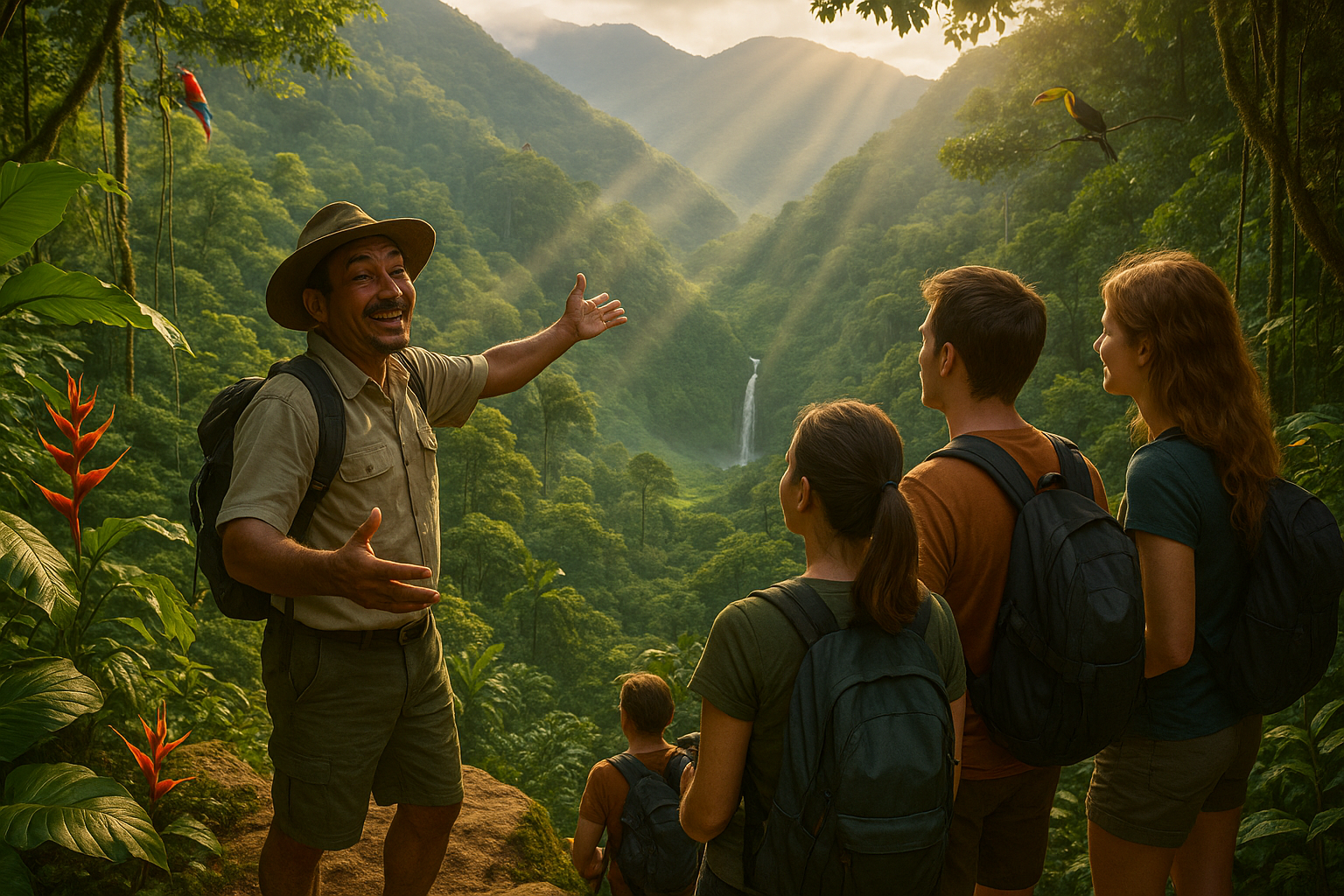
Wildlife Encounters Off the Beaten Path
Costa Rica’s biodiversity extends far beyond national park boundaries. Secret wildlife viewing locations provide intimate encounters with animals in their natural habitats. These spots require patience and respect for nature’s rhythms.
Tortuguero’s Hidden Channels
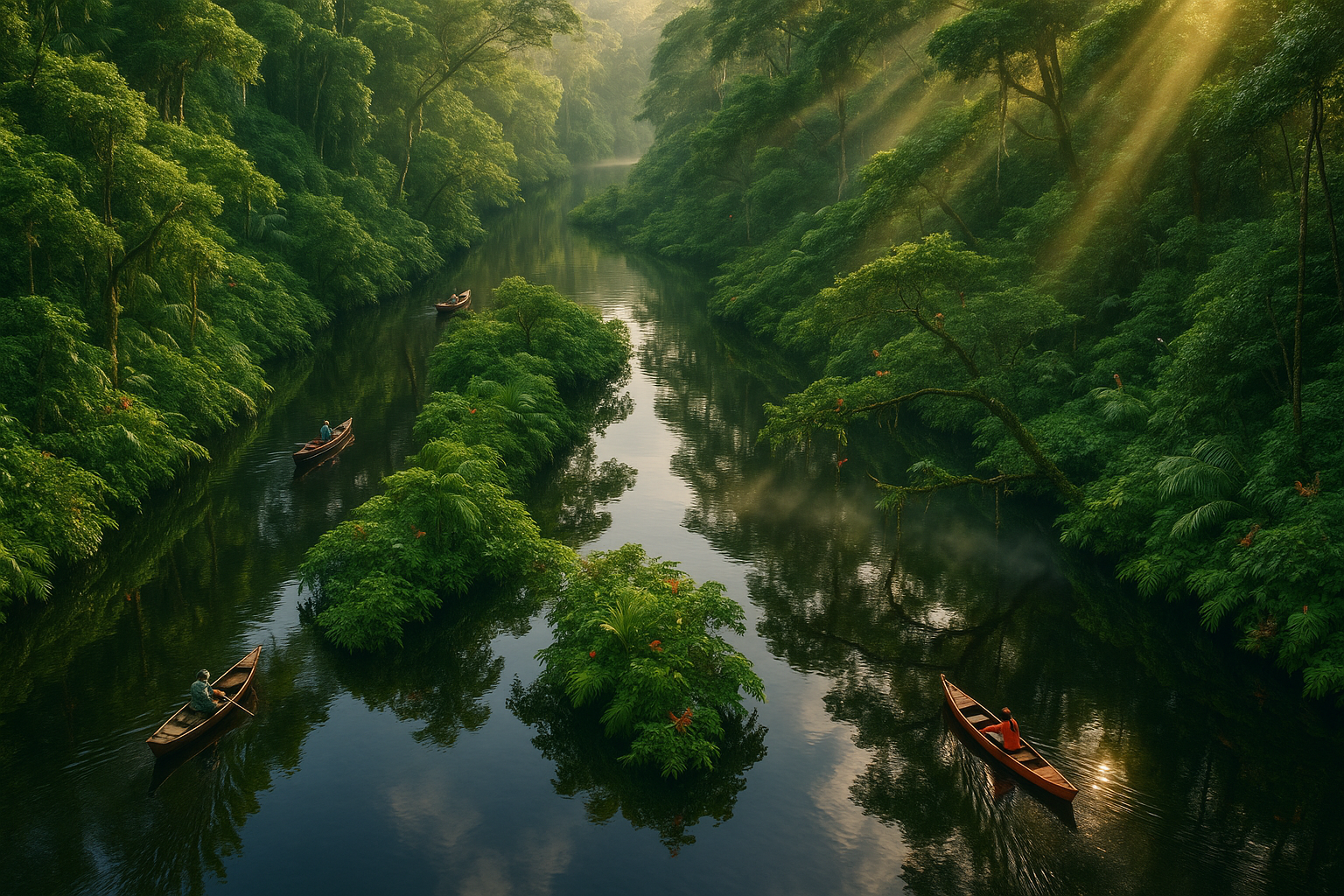
Everyone knows about Tortuguero’s main canals and turtle nesting beaches. Nevertheless, the network of smaller waterways remains largely unexplored by tourists. Local boat operators navigate these narrow channels where wildlife viewing becomes exceptionally rewarding.
Here is an elaboration on the experience of exploring Costa Rica’s secluded waterways, expanded with greater detail and blog-friendly formatting.
The Art of Slow-Motion Safaris
When you venture into these narrow, verdant channels, the jungle reveals itself in layers. Without the roar of a heavy outboard motor, you become part of the ecosystem rather than an intruder. The stillness allows for a heightened state of awareness where every ripple and rustle tells a story.
What to Look For:
- The Living Statues: Spectacled caimans are masters of disguise. You might look right past them at first, mistaking their ridged, armored backs for submerged driftwood. It is only when a golden eye blinks that you realize a prehistoric predator is resting just feet away.
- Canopy Dwellers: High above, the dense foliage often hides three-toed sloths. Travel Guide Look for the “mossy” clumps in the Cecropia trees; because they move so infrequently, algae often grows on their fur, providing perfect natural camouflage against the emerald leaves.
- Flash of Color: Keep your eyes peeled for the iridescent streak of a Green Kingfisher or the prehistoric silhouette of a Boat-billed Heron stalking the banks.
A Photographer’s Sanctuary
For shutterbugs, these hidden backwaters are vastly superior to the main tourist routes. On a crowded tour boat, you are often fighting for elbow room or dealing with the vibration of an engine that blurs your long-exposure shots. Here, the experience is tailored for the lens.
Why the “Hidden Gems” Offer Better Shots:
- Unbroken Eye Contact: Because the wildlife isn’t startled by engine noise, animals continue their natural behaviors—hunting, grooming, or sleeping—allowing you to capture candid moments rather than fleeing backsides.
- Perfect Composition: In a kayak or small electric canoe, you can maneuver silently to get the perfect angle or lighting without disturbing the subject.
- Macro Magic: The narrowness of these creeks often brings you within inches of the riverbanks, allowing for stunning macro photography of tropical frogs, basilisk lizards (the “Jesus Christ Lizard”), and exotic insects that are invisible from the center of a wide river.
The Jungle Symphony
Beyond the visuals, the auditory experience in these secluded areas creates a profound sense of peace. This is nature’s own form of meditation. When the human noise fades, the jungle volume turns up.
You will find yourself immersed in a complex soundscape:
- The rhythmic whoosh of your paddle slicing the water.
- The distant, guttural roar of Howler Monkeys claiming their territory.
- The splash of an Anhinga (Snakebird) diving for fish.
This sensory immersion does more than just relax you; it resets your internal rhythm, forcing you to slow down to the pace of the rainforest. It is a rare moment of connection where the barrier between observer and nature completely dissolves.
Schedule your boat tour during early morning hours. Wildlife activity peaks before the heat of the day sets in. Moreover, requesting a local guide instead of a large tour company ensures personalized attention and deeper insights.
Bajos del Toro Cloud Forest
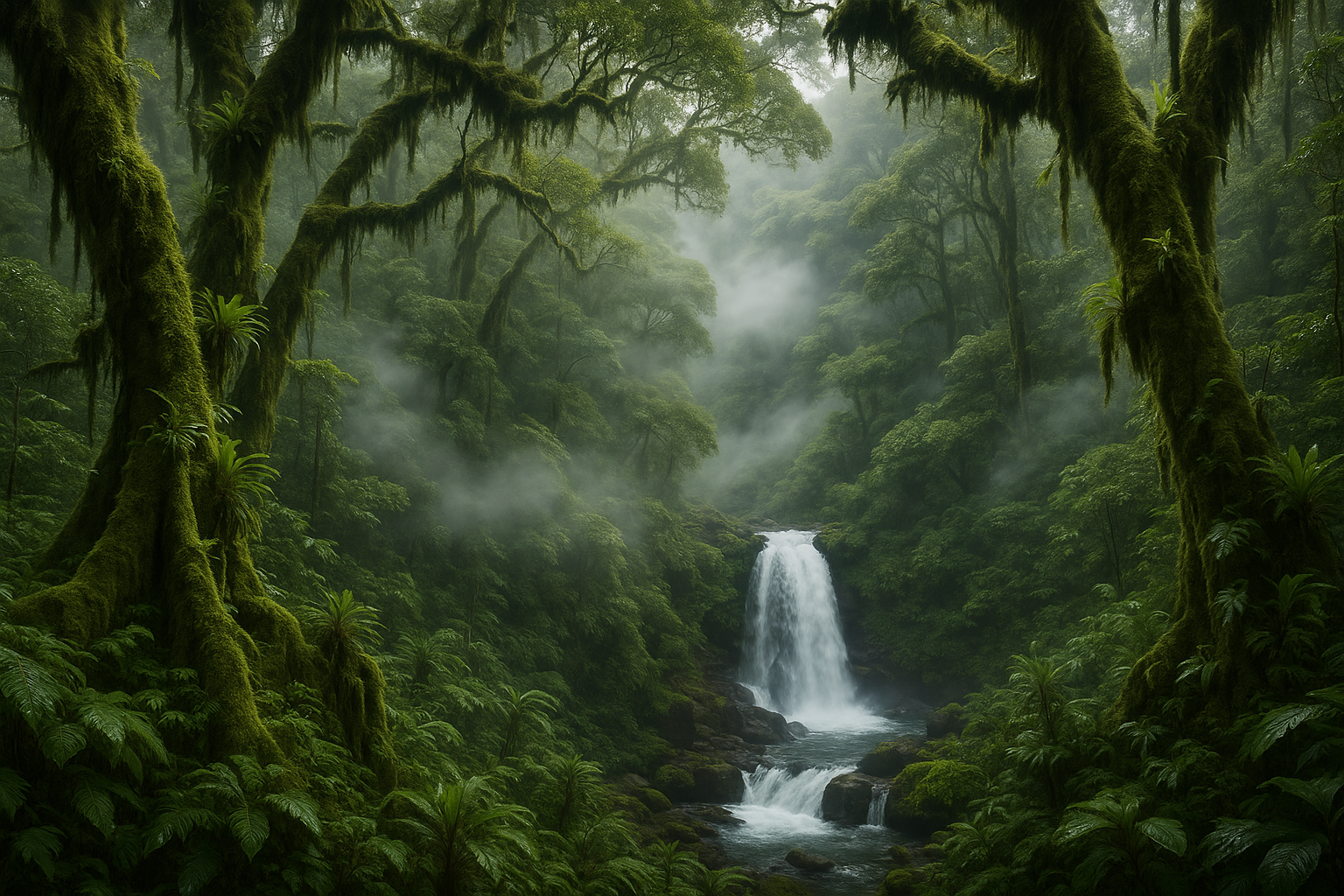
This private reserve near Poás Volcano remains one of Costa Rica’s best-kept secrets. The cloud forest hosts incredible biodiversity, including resplendent quetzals and endangered tapirs. Unlike crowded Monteverde, Bajos del Toro sees fewer than fifty visitors daily.
A Waterfall Wonderland Tucked Away from Tourist Trails
The reserve’s network of pristine waterfalls creates a symphony of natural beauty that few visitors ever experience. Each cascade has its own distinct personality:
- Tiered falls that descend in graceful steps, creating natural infinity pools perfect for cooling off after a jungle hike
- Thundering plunge waterfalls that drop dramatically into emerald-green basins, their mist creating miniature rainbows in the afternoon sun
- Gentle ribbon falls that trickle delicately over ancient rock formations draped in vibrant moss and ferns
The moss-covered canyons themselves are living ecosystems, where every surface blooms with life. Thick carpets of emerald and jade-colored moss cling to volcanic rock walls, some formations dating back thousands of years. These biological tapestries harbor countless microhabitats—tiny frogs no bigger than your thumbnail, iridescent beetles, and delicate orchids that thrive in the perpetual moisture. Travel Guide ## Walking Among the Treetops: A Perspective Few Experience
The suspension bridge system elevates your rainforest experience—literally. Unlike the crowded bridges at mainstream tourist destinations, these swaying walkways provide:
- Unobstructed wildlife viewing opportunities at eye level with creatures that rarely descend to the forest floor
- 360-degree perspectives of the layered canopy ecosystem, from the emergent giants towering 150 feet high to the understory below
- Strategic positioning near fruiting trees and flowering vines where wildlife naturally congregates
From these elevated vantage points, you might witness three-wattled bellbirds performing their distinctive metallic calls, or spot families of mantled howler monkeys lounging in the branches just arm’s length away. White-faced capuchins often approach with curious eyes, unbothered by the occasional observer crossing through their territory.
The Invaluable Gift of Solitude: Wildlife on Their Own Terms
The absence of tour buses and selfie-stick-wielding crowds fundamentally transforms your wildlife encounters. When animals aren’t conditioned to human presence, they exhibit authentic behavioral patterns that provide genuine insight into rainforest ecology:
- Sloths move at their natural pace without harassment, allowing you to observe their deliberate climbing techniques and feeding habits
- Bird species maintain their natural foraging routines rather than fleeing at the first sign of movement
- Predators like ocelots and tayras occasionally make rare daytime appearances, unafraid to hunt along trails
- Reptiles bask openly on sun-dappled branches instead of retreating into defensive positions
This undisturbed environment means you’re not just seeing wildlife—you’re witnessing actual rainforest life unfolding as it has for millennia. The difference between watching a nervous animal and observing one engaged in natural behavior is the difference between visiting a zoo and experiencing true wilderness.
Stay at one of the small lodges within the reserve. These family-run establishments provide home-cooked meals using local ingredients. Owners share their extensive knowledge about the forest and its inhabitants during guided walks.
Authentic Cultural Experiences
True cultural immersion happens away from tourist centers. Small villages throughout Costa Rica preserve traditional ways of life that offer genuine connections with local communities.
Boruca Indigenous Territory
The Boruca people maintain their ancestral traditions in the southern highlands. This indigenous community welcomes respectful visitors interested in learning about their culture. Artisans create intricate wooden masks used in traditional ceremonies and dances.
Experience Authentic Indigenous Culture at the Fiesta de los Diablitos
The Fiesta de los Diablitos (Festival of the Little Devils) stands as one of Costa Rica’s most profound cultural experiences, offering travelers a rare window into indigenous Boruca traditions that have survived for centuries. This powerful celebration typically runs from December 30th through January 2nd, transforming the remote village of Boruca into a living theater of ancestral memory.
What Makes This Festival Extraordinary
The three-day ritual goes far beyond simple entertainment—it’s a symbolic reenactment of indigenous resistance that carries deep historical and spiritual significance:
- Elaborate hand-carved wooden masks depicting devils and bulls become the centerpiece of the performance, with each mask taking weeks to create using traditional techniques passed down through generations
- Dramatic dance battles between the “diablitos” (representing the Boruca people) and the “toro” (symbolizing Spanish colonial forces) play out across the village streets, accompanied by rhythmic drumming and traditional instruments
- The festival culminates in the symbolic burning of the bull, representing the triumph of indigenous spirit and cultural survival against colonization
- Participants consume chicha, a traditional fermented corn beverage, adding to the authentic ceremonial atmosphere
Beyond the Festival: Year-Round Cultural Immersion
While the Fiesta de los Diablitos draws the most attention, the Boruca community has opened its doors to meaningful cultural exchange throughout the entire year:
Mask-Making Workshops
- Learn directly from master artisans who’ve spent decades perfecting their craft
- Understand the symbolism behind different designs and color choices
- Create your own mask using traditional balsa wood and natural dyes
- Support local artists by purchasing authentic pieces directly from their workshops
Textile and Weaving Experiences
- Discover ancient weaving techniques using backstrap looms
- Learn about natural dye extraction from local plants
- Participate in creating traditional textiles with geometric patterns unique to Boruca culture
Community Homestays
- Experience daily life with Boruca families in their homes
- Share meals featuring traditional recipes and locally sourced ingredients
- Gain intimate understanding of contemporary indigenous life in Costa Rica
The village’s commitment to sustainable cultural tourism ensures that visitor engagement directly benefits the community while preserving traditions for future generations.
Purchasing handicrafts directly from artisans supports their livelihoods. Additionally, many families offer homestay experiences where you’ll share meals and daily activities. These interactions create meaningful connections that transcend typical tourist experiences.
Orosi Valley Coffee Tours
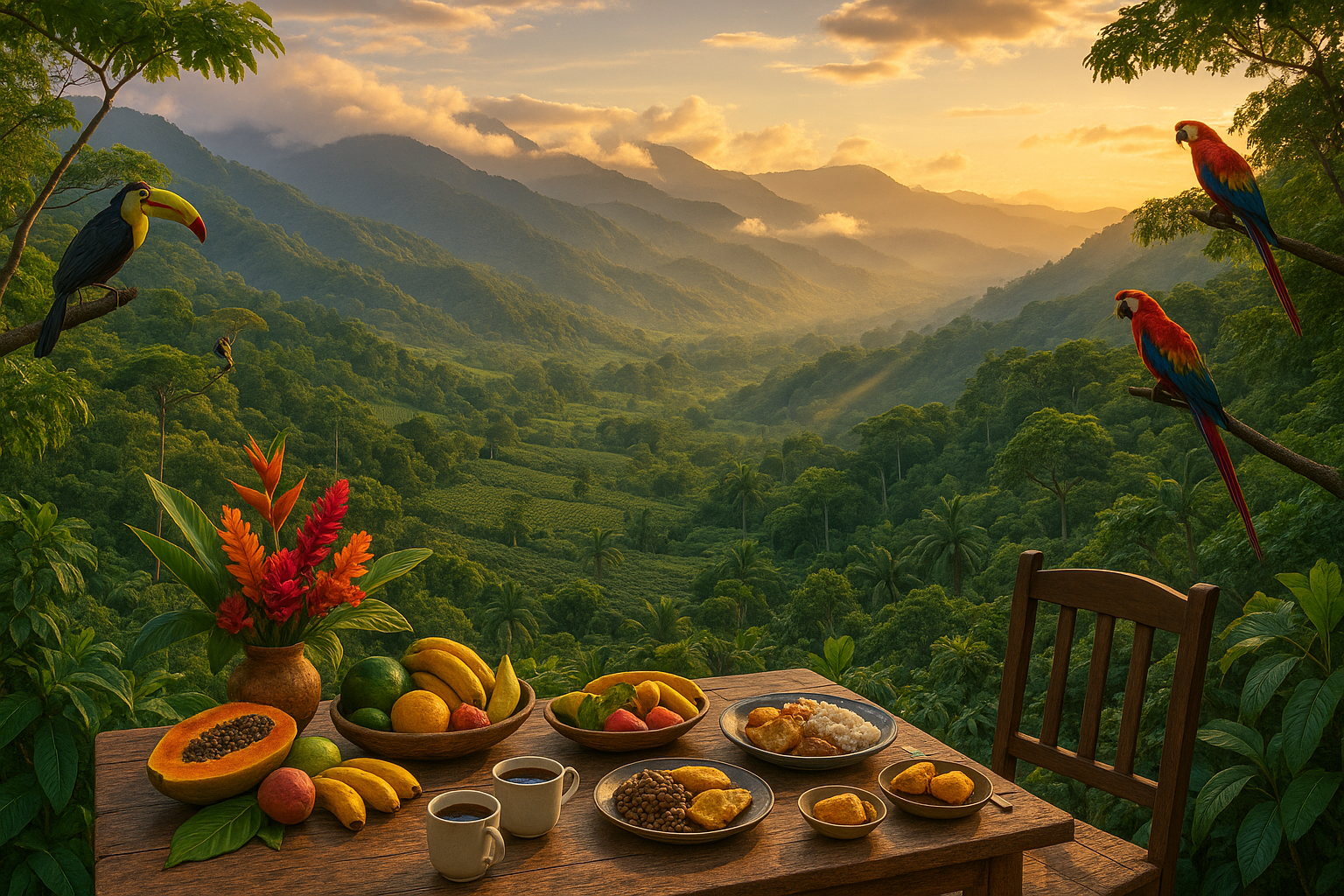
The Orosi Valley produces exceptional coffee yet remains overshadowed by more famous growing regions. Small family farms offer intimate tours where you’ll participate in every step of coffee production. You’ll pick ripe cherries, process beans, and roast your own batch.
Step away from the polished visitor centers and paved walkways of industrial coffee giants. When you venture into the mountains to visit a family-run micro-mill, you are stepping into a living room rather than a factory. Here, the experience is intimate, unscripted, and deeply rooted in Costa Rican culture.
Here is what distinguishes these hidden gem experiences from the standard tourist circuit:
1. The Human Connection
Instead of a hired guide reciting a script, your host is often the owner, wearing muddy boots and working hands.
- Living History: You will hear first-hand accounts of how the land was cleared by their grandparents and how the farm survived market crashes and climate changes.
- No “Staff Only” Areas: You are invited into the heart of the operation—often the family kitchen—where the line between business and home blurs completely.
- Authentic Passion: The pride in their eyes is palpable when they speak of their “Grano de Oro” (Golden Bean).
The Art of Traditional Processing
While commercial farms rely on massive mechanical dryers and automated sorters, small-scale farmers demonstrate the labor-intensive “old ways” that prioritize quality over volume. You will witness:
- Selective Hand-Picking: Learning why only the deepest red cherries—the sangre de toro (bull’s blood)—make the cut, and how a single green bean can ruin a batch.
- Sun Drying: Seeing the beans raked by hand across patios or raised African beds, a process that requires constant attention to weather patterns and humidity.
- Natural Fertilization: Discovering how the ecosystem works in harmony, using shade trees (like banana or poró) to protect the crop and organic compost to feed the soil.
The Final Reward: The Chorreador
The tour invariably concludes not in a gift shop, but at a rustic wooden table. Here, you will learn that true Costa Rican coffee isn’t brewed in an electric machine.
The Ritual of the Chorreador:
- The Sock: Hot water is poured through a cloth filter (the bolsa) suspended on a wooden stand.
- The Bloom: You watch the fresh grounds expand and release distinct aromas—notes of chocolate, citrus, or caramel that are specific to that specific micro-climate.
- The Taste: Sipping the coffee alongside fresh gallo pinto or homemade corn tortillas.
By the time you leave, the cup of coffee in your hand carries a new weight. It is no longer just a morning caffeine fix; it is the tangible result of unwavering patience, family heritage, and back-breaking work.
Many farms also operate small restaurants serving traditional Costa Rican cuisine. Try the gallo pinto made with locally grown beans and rice. The valley’s scenic beauty provides stunning backdrops for leisurely meals.
Remote Hiking Adventures
Costa Rica’s trail network extends far beyond popular national parks. Remote hiking routes challenge adventurous travelers while rewarding them with spectacular scenery and solitude.
Cerro Chirripó via San Gerardo de Rivas
Cerro Chirripó stands as Costa Rica’s highest peak. The challenging hike takes you through multiple ecosystems, from cloud forest to páramo highlands. Most hikers follow the standard route, but local guides know alternative approaches with fewer crowds.
Preparing Your Body for the Challenge
Conquering this peak isn’t something you can approach casually—exceptional physical fitness is absolutely non-negotiable. We’re talking about weeks, if not months, of cardiovascular training before you even book your flight. Consider incorporating these activities into your pre-trip regimen:
- Stair climbing sessions with a weighted backpack (start with 15-20 pounds)
- Long-distance hiking on progressively steeper terrain
- High-intensity interval training to build stamina
- Leg-strengthening exercises like squats, lunges, and calf raises
Beyond fitness, proper preparation means assembling the right gear, understanding weather patterns, and mentally preparing for early morning starts and physically demanding days.
The Strategic Advantage of San Gerardo de Rivas
San Gerardo de Rivas serves as your essential basecamp—and rushing through this stage is one of the biggest mistakes climbers make. This isn’t just about checking into a hotel; it’s about giving your body the critical adjustment period it needs to function at higher elevations.
Why Acclimatization Matters
Altitude sickness can strike anyone, regardless of fitness level. Symptoms include:
- Persistent headaches and dizziness
- Nausea and loss of appetite
- Shortness of breath during minimal exertion
- Disrupted sleep patterns
Spending 2-4 days in San Gerardo de Rivas (elevation approximately 2,300 meters) allows your body to naturally produce more red blood cells and adjust to lower oxygen levels—dramatically improving your summit success rate.
Discovering the Mountain Village Charm
San Gerardo de Rivas isn’t just a practical stopover; it’s a hidden treasure in its own right. Nestled in a valley surrounded by cloud forests and rushing rivers, this village radiates authentic Costa Rican mountain culture.
Accommodation Options That Exceed Expectations
The lodges here range from rustic-chic to surprisingly comfortable:
- Family-run hostels with communal kitchens and fellow climber camaraderie
- Mid-range eco-lodges featuring hot showers and mountain-view balconies
- Boutique accommodations with private cabins and guided acclimatization hikes included
Most establishments are run by local families who’ve been guiding climbers for generations—their insider knowledge about trail conditions and weather windows is invaluable.
Fueling Up With Traditional Mountain Cuisine
After months of training, your body deserves proper fuel. The hearty, home-cooked meals served in San Gerardo de Rivas are specifically designed for climbers:
- Gallo pinto breakfast plates loaded with rice, beans, eggs, and fresh tortillas
- Casados for lunch—massive combination plates with protein, plantains, salad, and vegetables
- Olla de carne stews for dinner, packed with root vegetables, yucca, and tender beef
- Fresh tropical fruits to replenish vitamins and electrolytes
Many lodges offer packed lunches for day hikes and pre-summit meals served at 2 AM—because summit attempts typically begin in the middle of the night to avoid afternoon cloud cover.
Summit attempts start around 2 AM to reach the top by sunrise. The predawn hike tests your resolve, but witnessing both Pacific and Caribbean coasts from the peak makes every step worthwhile. Furthermore, clear days reveal views extending into Panama.
Corcovado’s Coastal Trails
Corcovado National Park protects one of Earth’s most biodiverse regions. While many visitors take boat tours, hiking the coastal trails provides unmatched wilderness experiences. The Sirena to La Leona route follows pristine beaches and crosses rivers where you’ll spot crocodiles.
This multi-day trek requires camping and carrying all supplies. Consequently, physical fitness and wilderness skills are essential. Rangers patrol the trails and provide assistance if needed, though you’ll rarely encounter other hikers.
Wildlife encounters happen constantly along these trails. Scarlet macaws fly overhead while tapirs leave fresh tracks in the sand. Indeed, this represents Costa Rica’s wildest accessible adventure.
Sustainable Travel Practices
Exploring hidden destinations requires responsible tourism practices. Your choices directly impact local communities and fragile ecosystems that make these places special.
Supporting Local Economies
Choose locally owned accommodations and tour operators whenever possible. These businesses reinvest profits within their communities, creating sustainable livelihoods. Moreover, local guides possess intimate knowledge that enriches your experience beyond what guidebooks provide.
The Heart of Tico Dining: Why You Should Choose a Soda
To truly taste the spirit of Costa Rica, you must step away from the polished tourist traps and pull up a chair at a Soda. These aren’t just restaurants; they are the culinary backbone of the country, often operating out of the front of a family home or a small roadside shack.
Here is why seeking out these hidden gems will define your trip:
1. The “Casado”: A Masterclass in Flavor The undisputed king of the soda menu is the Casado. While it translates literally to “married man,” culinarily it represents the perfect marriage of flavors. Unlike the singular entrees found in international chains, a Casado is a sprawling, nutrient-dense feast on a single plate.
A typical Casado includes:
- The Base: A heap of fluffy white rice and savory black beans.
- The Sweet: Fried sweet plantains (maduros) that caramelize perfectly.
- The Fresh: A crisp cabbage salad or pico de gallo.
- The Protein: Your choice of fish, chicken, pork chop, or steak (often stewed in a rich, tomato-based salsa Lizano).
- The Surprise: Often accompanied by a slice of fried Turrialba cheese or a picadillo (vegetable hash).
2. Unbeatable Value If you are traveling on a budget, sodas are your best friend. You can enjoy a massive, freshly cooked meal for $5 to $8 USD, whereas a standard restaurant catering to tourists might charge double or triple that amount for less authentic fare.
3. Farm-to-Table, The Old Fashioned Way Sodas rarely rely on frozen ingredients. Because they are small, family-run operations, the ingredients are often sourced from the local market that same morning.
- Must-Drink: Do not leave without ordering a Refresco Natural. These are fresh fruit juices mixed with water or milk. Look for Guanábana (soursop), Cas (sour guava), or Maracuyá (passion fruit).
How to Spot an Authentic Soda
Finding these spots requires a keen eye, as they often lack flashy neon signs. Look for these tell-tale markers:
- The Signage: Most sodas display the logo of Imperial Beer or Coca-Cola prominently on their main sign.
- The Furniture: Look for simple wooden tables or heavy plastic furniture; the focus here is on the food, not the interior design.
- The Crowd: If you see a line of locals, construction workers, or taxi drivers during the lunch rush (12:00 PM – 1:00 PM), you have found a winner.
A Direct Impact
When you pay your bill at a soda, your money isn’t going to a distant corporate headquarters. It is going directly into the hands of the Abuela cooking in the back or the family members serving the tables. You aren’t just buying lunch; you are keeping the recipes of previous generations alive and ensuring the local community thrives.
Purchase handicrafts directly from artisans rather than souvenir shops. This ensures fair compensation for their work while maintaining traditional crafts. Ask about the meaning and creation process behind items that interest you.
Minimizing Environmental Impact
Pack reusable water bottles and bags to reduce plastic waste. Many remote areas lack proper waste management infrastructure. Therefore, carry out everything you bring in, including organic waste that might attract animals.
Preserving the “Pura Vida”: The Art of Low-Impact Exploration
When seeking out Costa Rica’s secret waterfalls, unmapped cloud forests, and secluded beaches, you are entering ecosystems that are as fragile as they are beautiful. Because these “hidden gems” often lack the heavy infrastructure of major national parks, your personal choices carry significant weight.
Here is how to navigate these pristine environments responsibly:
1. The Science of the Switchback
Many hikers believe that cutting a corner on a zigzagging trail saves time, but this practice—known as cutting switchbacks—is one of the fastest ways to destroy a hiking route.
- The “Scar” Effect: When you cut across a trail, you create a vertical channel for rainwater. In Costa Rica’s tropical climate, heavy rains will rush down this new path, stripping away topsoil and gouging deep trenches (scars) into the mountainside that can take decades to heal.
- Root Protection: The soil in rainforests and cloud forests is often shallow. Stepping off-trail compresses the dirt, suffocating the delicate root systems of ancient trees and rare orchids that line the path.
2. The Micro-Ecosystems Underfoot
In lush environments like Monteverde or the Osa Peninsula, life isn’t just in the canopy; it is covering every inch of the ground. When you step off a marked path, you aren’t just stepping on dirt—you are likely crushing:
- New Growth: Saplings trying to break through the leaf litter.
- Micro-Fauna: Insects, amphibians, and fungi that are essential to nutrient cycling.
- Cryptogamic Crusts: Living soil crusts that prevent erosion and retain moisture.
3. Wildlife Wisdom: The Rule of Distance
Costa Rica is famous for its biodiversity, but the desire for the perfect photo often overrides biological common sense. Getting too close to wildlife triggers a stress response that can be fatal, even if the animal doesn’t flee.
Why the “Zoom Lens” Approach is Vital:
- Disrupted Feeding: An animal fixated on a human presence stops foraging. For species with high metabolisms, like hummingbirds or certain monkeys, missing a meal can be critical.
- Parental Abandonment: Many species, particularly sea turtles and ground-nesting birds, will abandon their eggs or offspring if they feel threatened by human proximity.
- Disease Transmission: We share 97% of our DNA with primates. Getting too close to Capuchin or Howler monkeys puts them at risk of contracting human respiratory illnesses to which they have no immunity.
Pro-Tip for Responsible Viewing: If an animal reacts to your presence (stops moving, changes direction, vocalizes, or looks directly at you), you are too close. Back away slowly to restore their comfort zone.
4. Practical Steps for the Eco-Conscious Hiker
To ensure these hidden gems remain pristine for the next generation of explorers, adopt these trail habits:
- Walk Single File: On narrow trails, walk in a line rather than side-by-side to keep the path narrow and minimize trampling on the edges.
- Embrace the Mud: If a trail is muddy, walk through the mud, not around it. Widening the trail to avoid dirty boots exponentially increases erosion and damages bordering vegetation.
- Silence is Golden: Keep noise levels low. Not only does this increase your chances of spotting shy wildlife, but it also reduces noise pollution, which interferes with animal communication.
Choose eco-certified lodges that implement sustainable practices. These establishments use renewable energy, treat wastewater properly, and support conservation efforts. Your accommodation choice sends a message about the type of tourism you support.
Getting There and Practical Tips
Reaching hidden destinations often requires careful planning and flexibility. These practical considerations help ensure smooth travels to remote locations.
Transportation Options
Renting a four-wheel-drive vehicle provides maximum flexibility for exploring remote areas. Many secret destinations sit at the end of unpaved roads that challenge standard vehicles. However, driving in Costa Rica requires patience and defensive skills.
Navigating Costa Rica’s Public Transportation Network
Public buses remain the backbone of Costa Rica’s transportation infrastructure, connecting everything from bustling coastal towns to mountain villages tucked into the cloud forests. While the system is extensive and remarkably affordable—most rides cost between $1-$8—travelers should prepare for a uniquely Tico approach to timekeeping.
The Reality of Bus Schedules
The unpredictability factor manifests in several ways:
- Seasonal variations: Buses may run more frequently during dry season (December-April) when tourism peaks, then reduce service during rainy months
- “Tico time” culture: A bus scheduled for 2:00 PM might depart anywhere between 1:50 and 2:20 PM
- Limited weekend service: Many rural routes operate on reduced schedules or skip Sundays entirely
- No centralized booking system: Each bus company operates independently, making route planning a research-intensive endeavor
Pro tip: Always arrive at the bus stop 15-20 minutes early and confirm schedules with locals rather than relying solely on online information, which is often outdated.
The Cultural Immersion Factor
Choosing local buses over tourist shuttles transforms your journey into an authentic cultural experience:
- Language practice: You’ll hear rapid-fire Spanish conversations and local slang that no guidebook teaches
- Food discoveries: Notice what snacks locals bring aboard—you might spot homemade tamales wrapped in banana leaves or bags of fresh rambutan
- Unexpected friendships: Ticos are naturally warm and curious; don’t be surprised when the grandmother beside you shares her lunch or invites you to her grandson’s birthday party
- Real-life insights: Overhearing conversations about local festivals, the best swimming holes, or which sodas (small family restaurants) serve the most generous casados
The Last-Mile Challenge
Remote destinations like isolated beaches, pristine waterfalls, or off-the-beaten-path ecolodges often exist in that frustrating gap where public transportation ends and your destination begins. This final stretch typically requires creative problem-solving:
Common multi-modal combinations:
- Bus to the nearest town + colectivo taxi (shared ride) to the trailhead
- Regional bus + motorcycle taxi for the final dirt road segment
- Main route bus + pre-arranged lodge pickup (often available for a fee)
- Public bus + hitchhiking with locals heading in the same direction
Important consideration: In rural Costa Rica, hitchhiking carries less stigma than in North America and is sometimes the only practical option. Locals frequently offer rides to travelers, especially in areas where everyone knows everyone else.
Hiring private drivers costs more but eliminates navigation stress. Local drivers know the best routes and can provide valuable insights about areas you’re visiting. Additionally, they often suggest hidden spots you wouldn’t discover independently.
Best Times to Visit
The dry season from December through April offers the most reliable weather. However, this period also sees peak tourist numbers even in remote areas. Visiting during the green season from May through November means dealing with afternoon rains but enjoying emptier trails and lower prices.
Navigating the “Green Season” Paradox
Venturing off the beaten path in Costa Rica during the rainy months (May through November) requires a shift in mindset. While the popular paved routes to Jacó or Tamarindo remain reliable, the true hidden gems—those secluded waterfalls, remote jungle lodges, and pristine stretches of coastline—often rely on infrastructure that transforms dramatically with the weather.
The Reality of Remote Infrastructure
When the tropical rains arrive, the topography of the country shifts. What looks like a road on GPS can quickly become a riverbed.
- The 4×4 Necessity: In regions like the Osa Peninsula or the Southern Zone, a standard sedan is not just uncomfortable; it is useless. The clay-heavy soil turns into slick “soap” mud that requires high clearance and four-wheel drive.
- River Crossings: Many hidden gems, such as those near Drake Bay or parts of the Nicoya Peninsula (like the route from Sámara to Nosara), require driving through riverbeds rather than over bridges. During heavy rains, a trickle of water can swell into a raging torrent in minutes, cutting off access for days.
Strategic Planning Checklist
To successfully hunt for hidden gems during this season, you must vet your destinations thoroughly. Don’t rely solely on outdated blog posts or static maps.
- Call the Lodge Directly: Before booking, ask the property manager about current road conditions. Ask specifically: “Is the final stretch to the hotel passable right now?” and “Do I need to cross any rivers that might flood?”
- Check Local Facebook Groups: Expat and travel community groups often post real-time updates on bridge closures or landslides.
- Plan for “Buffer Days”: If you are targeting a truly remote location, do not schedule your return flight for the same day you drive out of the jungle. Give yourself a 24-hour cushion in case a road washout delays your departure.
The Ecological Payoff: Why It’s Worth the Risk
Despite the logistical hurdles, the Green Season is arguably the best time to witness the raw power of Costa Rica’s biodiversity. The rain acts as a catalyst for the ecosystem, unlocking experiences that dry-season travelers completely miss.
- Explosive Wildlife Activity:
- Sea Turtles: The rainy season coincides with the arribadas (mass nesting events) of Olive Ridley turtles at Ostional Wildlife Refuge.
- Whale Migration: The Southern Pacific coast becomes a nursery for Humpback whales, particularly around Uvita and the Marino Ballena National Park.
- Amphibians: The increased humidity brings out rare species of tree frogs, including the iconic Red-Eyed Tree Frog and the Glass Frog, which remain hidden during drier months.
- Aesthetic Transformation: The “Brown Season” of Guanacaste disappears. Dry, yellow hills turn a vibrant, electric emerald. Waterfalls that are mere trickles in March become thundering cascades in September, offering spectacular photography opportunities without the crowds.
The Bottom Line: If you are willing to rent a rugged vehicle and embrace a flexible itinerary, the Green Season grants you exclusive access to a lush, breathing, and vibrant version of Costa Rica that few tourists ever get to see.
Local festivals and celebrations provide unique cultural experiences. Plan visits around these events for deeper community connections. However, book accommodations well in advance as small villages have limited lodging options.
Conclusion
Costa Rica’s secret treasures await those willing to venture beyond tourist brochures. These undiscovered destinations offer authentic experiences that connect you with nature and local communities in meaningful ways. From hidden beaches and remote trails to indigenous villages and family farms, the country’s true magic reveals itself to curious travelers.
Remember that these places remain special precisely because they haven’t been overrun by tourism. Approach them with respect, practice sustainable travel, and support local communities. Your responsible choices help preserve these treasures for future generations while enriching your own journey with unforgettable memories and genuine connections.
If you’re planning to explore Costa Rica’s hidden waterfalls and remote beaches, proper gear makes all the difference between a memorable adventure and a challenging ordeal. I learned this firsthand after ruining a pair of regular sneakers on a muddy rainforest trail, which is why I now swear by quality hiking boots that can handle wet, slippery terrain without falling apart. Since many of these secret spots involve river crossings or unexpected downpours, I always pack a reliable dry bag to protect my phone, camera, and important documents from water damage. When you’re miles from the nearest town, having a LifeStraw Personal Water filter means you can safely drink from streams and waterfalls without worrying about getting sick, which gives you much more freedom to explore remote areas. Finally, a lightweight backpack and quick-drying microfiber towel are essentials for beach-hopping and waterfall-chasing, especially when you’re moving between multiple locations in a single day.
*As an Amazon Associate, I earn from qualifying purchases.