
Three weeks after my relationship ended, I did the only thing that made sense: I booked a solo trip somewhere I’d always wanted to go but had been waiting for the “right time” to visit together. That place was Lisbon — and standing alone on a sun-warmed cobblestone street in Alfama, listening to fado drift out of an open window, I understood immediately why I’d been saving it. Portugal’s capital isn’t just a city; it’s a living, breathing museum where Roman ruins, Moorish castles, and the grand monuments of the Age of Discoveries exist not behind velvet ropes, but woven into the everyday fabric of the streets you actually walk. If you’re a history lover wondering is Lisbon worth visiting, this guide — built from that solo trip I almost didn’t take — will show you exactly why the answer is an emphatic, life-affirming yes.
What I Recommend
When you’re spending hours wandering Lisbon’s hillside neighborhoods and museum districts, a wide brim sun hat becomes your best friend. The Portuguese sun is no joke, especially when you’re standing still admiring azulejo tiles or the views from São Jorge Castle, and this one packs down small enough to fit in a daypack.
I always carry a RFID-blocking passport holder in European cities, and Lisbon—being a major tourist hub—is no exception. Your passport is your lifeline abroad, so keeping it secure while exploring everything from the Belém neighborhood to the vibrant street markets just makes sense.
Lisbon’s cobblestone streets are beautiful but brutal on your feet, and you’ll want a reliable lightweight rain jacket for the occasional Atlantic drizzle that can catch you off guard. Mine has saved me countless times when I’ve been caught between neighborhoods during an unexpected shower, and it stuffs into practically nothing when you’re not using it.
A filtered water bottle is essential for any city break where you’re doing a lot of walking and sightseeing. Refill at any of Lisbon’s public fountains (the water is excellent) and stay hydrated while you’re museum-hopping or exploring the Alfama district without constantly buying overpriced bottled water.
Since you’ll likely want to capture those golden-hour shots of the 25 de Abril Bridge and the Tagus River, a portable phone tripod lets you get yourself in the frame without awkwardly asking a stranger, and it’s compact enough to carry everywhere you go.
As an Amazon Associate, I earn from qualifying purchases.
A City Reborn from Ash
To understand Lisbon, you must know its pivotal moment of destruction and rebirth. On November 1, 1755, a catastrophic event struck the city. A massive earthquake, followed by a tsunami and fires, destroyed much of medieval Lisbon. This tragedy wiped out a vast portion of the city’s buildings and population.
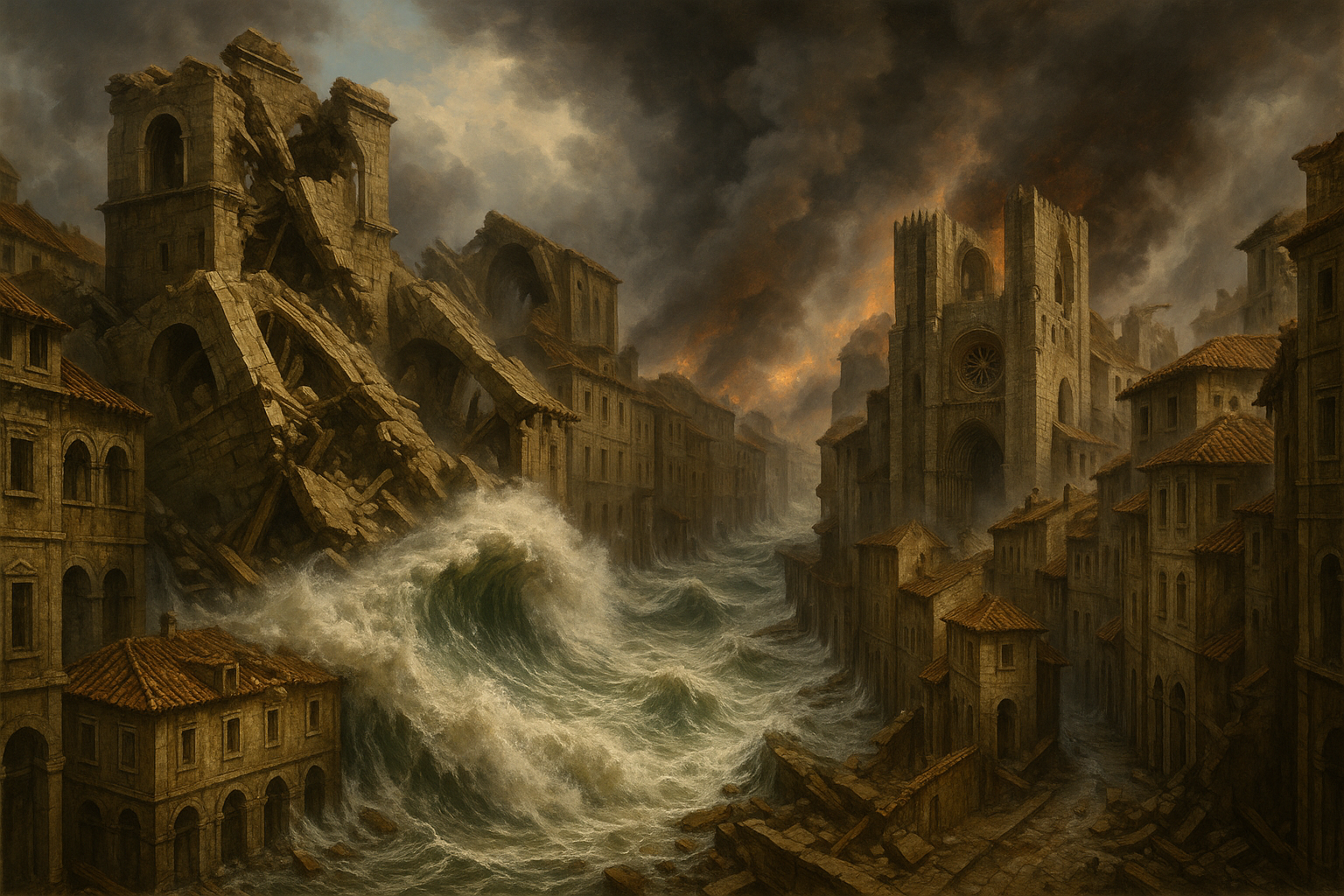
However, this devastation paved the way for a remarkable new beginning. The Marquis of Pombal, the king’s prime minister, led an ambitious reconstruction project. He envisioned a new city with modern, earthquake-resistant buildings. His team designed a logical grid layout for the downtown area. This vision shaped the Baixa district we see today. It stands as a testament to resilience and Enlightenment-era urban planning.
Journey Through Time: Lisbon’s Must-Visit Historical Districts
Lisbon’s history is best explored by wandering through its distinct neighborhoods. Each district, or bairro, has its own unique character and story. From the tangled alleys of the old town to the grand boulevards of the new, you can trace the city’s evolution on foot.
Alfama: The Soul of Old Lisbon
Prepare to get lost in Alfama’s labyrinth of narrow, winding streets. As Lisbon’s oldest district, it survived the 1755 earthquake largely intact. Its layout reflects its Moorish origins. You can feel the history in the air as you pass colorful, tiled houses and hidden courtyards. This neighborhood is the birthplace of Fado, the soulful Portuguese music that echoes from small taverns at night.
Dominating Alfama is the magnificent São Jorge Castle. From its ramparts, you can enjoy breathtaking views of the city and the Tagus River. Exploring Alfama is like stepping into a postcard from another era. Every turn offers a new discovery, from the historic Lisbon Cathedral to stunning viewpoints called miradouros.
Belém: The Age of Discoveries
A short tram ride west of the city center takes you to Belém. This district is the heart of Portugal’s maritime legacy. From these shores, explorers like Vasco da Gama set sail to chart unknown waters. Two UNESCO World Heritage sites stand here as monuments to this golden era. The Jerónimos Monastery is a masterpiece of Manueline architecture, a uniquely Portuguese style rich with maritime motifs. Nearby, the Belém Tower stands as a formidable fortress that once guarded the entrance to the city’s harbor.
This area is a tribute to the nation’s pioneering spirit. You can also visit the impressive Discoveries Monument, which celebrates the key figures of the Age of Exploration. A visit to Belém offers a powerful glimpse into the wealth and ambition that shaped modern Portugal.
Baixa: The Grand Rebuilding
The Baixa district is Lisbon’s downtown, completely rebuilt after the great earthquake. Its elegant grid of streets is a stark contrast to Alfama’s maze. This area showcases the 18th-century urban planning of the Marquis of Pombal. Grand squares, like the Praça do Comércio, open up to the riverfront. This square was once the site of the royal palace and now serves as a majestic gateway to the city.
Here, you can ride the historic Santa Justa Lift for a unique perspective of the city’s layout. Baixa is the commercial heart of Lisbon, but its neoclassical architecture and triumphal arch tell a story of a city that rose from its ruins, stronger and more organized than before.
Icons of Faith and Power
Lisbon’s skyline is punctuated by monuments that have stood for centuries, witnessing the city’s triumphs and tribulations. These structures are not just tourist attractions; they are the keepers of Portuguese history and identity.
São Jorge Castle (Castelo de São Jorge)
Perched atop Lisbon’s highest hill, São Jorge Castle dominates the skyline. This fortress offers more than just panoramic views. Its walls have witnessed centuries of history. The earliest fortifications date back to the 2nd century BC. Romans, Visigoths, and Moors all left their mark here. The castle became a Portuguese royal residence after its conquest from the Moors in 1147. Today, it stands as one of Lisbon’s most popular attractions. It draws millions of visitors each year who come to walk its ancient ramparts.
Jerónimos Monastery (Mosteiro dos Jerónimos)
The Jerónimos Monastery is arguably the most impressive symbol of Portugal’s power and wealth during the Age of Discoveries. King Manuel I commissioned its construction in 1501. The monastery commemorates Vasco da Gama’s successful voyage to India. Its intricate stonework, featuring maritime elements like ropes and sea monsters, is a stunning example of the Manueline style. The monastery’s church and cloister are architectural marvels. They house the tombs of Vasco da Gama and the poet Luís de Camões, two of Portugal’s most important historical figures.
Lisbon Cathedral (Sé de Lisboa)
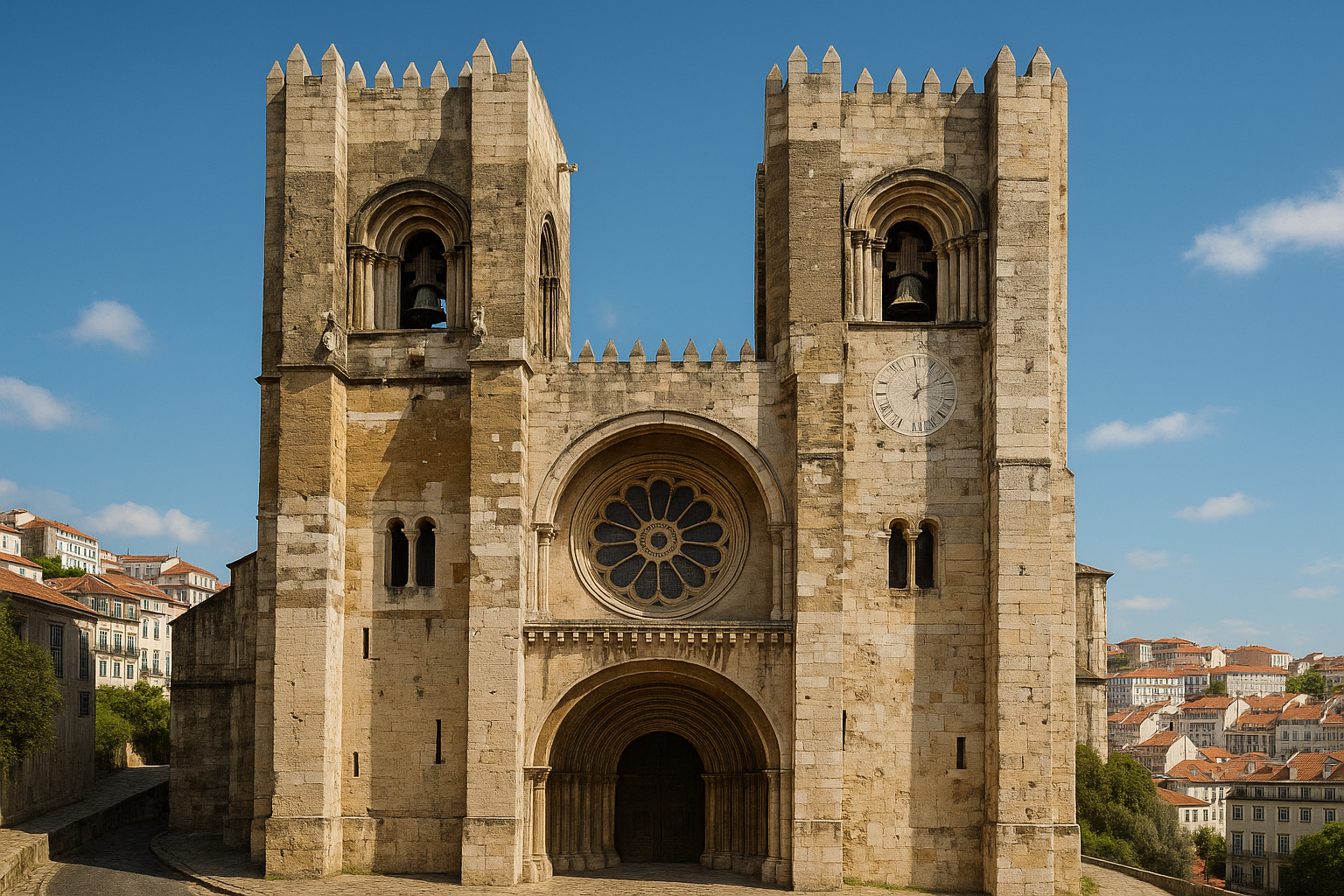
The Lisbon Cathedral, often simply called the Sé, is the city’s oldest church. Its construction began in the 12th century, shortly after the Christian reconquest of the city. Built on the site of a former mosque, its stern, fortress-like appearance with two imposing bell towers is a common feature of cathedrals from that era. It has survived numerous earthquakes, including the big one in 1755, undergoing several reconstructions over the centuries. Inside, you can explore a mix of architectural styles, from Romanesque to Gothic, and visit the tranquil cloister with its ongoing archaeological excavations.
Final Verdict: A History Lover’s Paradise
So, is Lisbon worth visiting for a history enthusiast? Absolutely. The city is a captivating destination where history is not confined to museums. It lives in the ancient streets of Alfama, the grand squares of Baixa, and the glorious monuments of Belém. Lisbon offers a profound journey through time, from its Roman roots and Moorish past to its global maritime empire.
Walking through Lisbon is like reading a history book, but with the added sensory delights of Fado music, delicious pastries, and stunning riverside views. Pack your bags and prepare to be enchanted by the timeless allure of Portugal’s capital.