
Norway’s countryside offers breathtaking beauty beyond its famous cities. Rolling hills, dramatic fjords, and charming villages create unforgettable experiences. These rural destinations showcase authentic Norwegian culture and stunning natural landscapes.
Beyond the City Limits
Many tourists stick to the well-trodden paths of Oslo or Bergen. However, this standard itinerary misses the country’s true heart. The rural regions offer a distinct kind of magic. Silence becomes a tangible presence here. Consequently, travelers can truly disconnect from modern stress. You are not just a spectator in the countryside. Instead, you become part of the living landscape.
Exploring these areas requires a slower pace. You trade busy museums for open skies. Nature dictates the schedule rather than a clock. For example, the midnight sun might encourage late-night hikes. Conversely, the Northern Lights demand patience and dark skies. Therefore, the experience is organic and unpredictable.
Coastal Charms and Ocean Breezes
The Norwegian coastline offers dramatic scenery that defies imagination. Jagged peaks rise directly from the churning sea. Tiny communities cling to these rocky edges resiliently.
Consider these iconic coastal experiences:
- Lofoten Islands: Famous for dramatic peaks and arctic surfing.
- Reine: Often cited as the most beautiful village in Norway.
- Undredal: Known for its brown goat cheese and history.
For instance, staying in a renovated rorbu is essential. These traditional fishermen’s cabins offer cozy, rustic comfort. Furthermore, the sound of waves lulls you to sleep. You wake up to the smell of salt air. Therefore, the connection to the ocean is immediate and grounding.
Mountain Highs and Hidden Valleys
In contrast, the inland regions provide rugged grandeur. Deep valleys harbor secrets from the Viking age. You might stumble upon a stave church unexpectedly. These wooden structures have stood for nearly a millennium. Moreover, the hiking opportunities are limitless.
Trails wind through national parks like Jotunheimen. Here, ancient glaciers glisten under the sun. Additionally, the changing seasons paint the land in vibrant colors. Autumn brings gold and crimson hues to the flora. Meanwhile, winter blankets the hamlets in pristine white snow. As a result, every visit feels like a new discovery.
Ultimately, these remote locations offer authentic cultural exchanges. Locals are eager to share their heritage. You might learn about folklore over a warm meal. Thus, the countryside leaves a lasting mark on your soul.
Planning a journey through Norway’s stunning rural landscapes requires the right gear and resources to make the most of your adventure in this remarkable country. Before you set off, grab a copy of the Rick Steves Snapshot guide to help you navigate Norway’s hidden gems and lesser-known destinations with insider tips and practical advice. When you’re hiking through those dramatic fjords and mountain trails, you’ll absolutely need reliable hiking boots that can handle wet conditions and rocky terrain while keeping your feet comfortable during long days of exploration. A durable backpack with waterproof features and ample storage will help you carry all your essentials while protecting them from Norway’s unpredictable weather patterns. If you’re hoping to capture or simply enjoy the magical aurora borealis, consider bringing along DULUDA Colorful Northern lights backdrop for creative photography projects or as inspiration for documenting your own Northern Lights experiences. Speaking of photography, a versatile camera tripod is essential for capturing those stunning landscape shots and time-lapse sequences of the midnight sun or dancing auroras. Given Norway’s coastal climate and frequent rain showers, packing a quality rain jacket will keep you dry and comfortable whether you’re exploring fishing villages or hiking mountain trails in changeable weather. For wildlife watching and spotting distant villages across fjords, compact binoculars will enhance your ability to appreciate the incredible natural beauty and observe Norway’s diverse fauna from a respectful distance. Navigation is crucial when venturing into rural areas, so the detailed Southern Sweden Norway map will help you plan routes and discover off-the-beaten-path locations that typical GPS systems might miss. Since Norway’s countryside can get surprisingly cold even in summer, especially during early morning hikes or evening Northern Lights viewing, HotHands Body Hand warmers provide convenient, portable heat that lasts for hours without adding bulk to your pack. Finally, investing in quality Merino.tech Merino Wool base layers will regulate your body temperature effectively during outdoor activities, keeping you warm when it’s cold and wicking away moisture during strenuous hikes through Norway’s magnificent rural terrain.
*As an Amazon Associate, I earn from qualifying purchases.
Western Norway’s Coastal Treasures
Discovering Western Norway’s Natural Wonders
Western Norway stands as a testament to nature’s raw power and beauty. Towering cliff faces plunge dramatically into deep, crystal-clear waters below. Moreover, these ancient waterways stretch for miles inland, creating breathtaking vistas at every turn. The Geirangerfjord, for instance, showcases cascading waterfalls tumbling from heights exceeding 800 feet. Meanwhile, Sognefjord extends over 120 miles, earning its title as Norway’s longest fjord.
The landscape here transforms with each season, offering distinct experiences year-round. Furthermore, spring brings vibrant wildflowers carpeting the mountainsides in purple and yellow hues. Summer provides nearly endless daylight, perfect for extended hiking adventures. Consequently, photographers flock here to capture the midnight sun’s golden glow.
Authentic Village Life in Remote Settlements
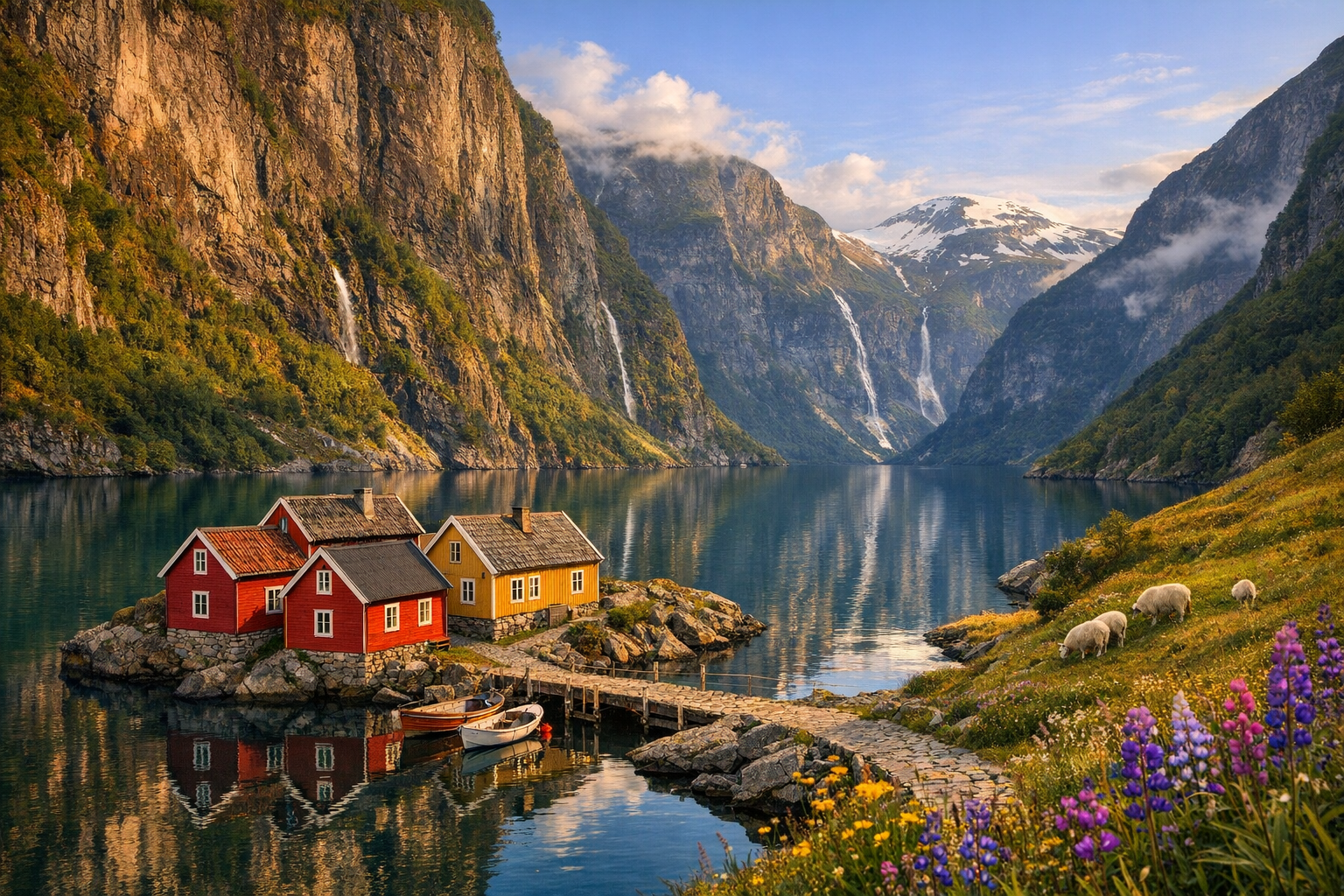
Scattered along the fjord edges, traditional fishing villages maintain centuries-old customs and architecture. These settlements feature colorful wooden houses perched precariously on rocky outcrops. Additionally, narrow cobblestone paths wind between historic buildings dating back to the 1700s. Undredal, home to fewer than 100 residents, produces renowned brown goat cheese using traditional methods.
Local residents welcome visitors with genuine warmth and hospitality. In contrast to bustling cities, life here moves at a deliberately slower pace. Therefore, travelers can truly disconnect from modern pressures. Village markets showcase handcrafted woolens, smoked fish, and locally foraged berries.
Immersive Cultural Experiences
Visitors engage directly with Norwegian heritage through various authentic activities. For example, many villages offer boat tours guided by multigenerational fishing families. These excursions reveal secret coves and hidden waterfalls inaccessible by road. Furthermore, travelers can participate in traditional sheep farming during summer months.
Historic stave churches dot the countryside, representing Norway’s medieval Christian architecture. As a result, cultural enthusiasts discover intricate wood carvings and Viking-era symbolism. Moreover, local museums preserve ancient farming tools and fishing equipment still recognizable today.
Reine: The Lofoten Islands’ Crown Jewel
Reine stands as one of Norway’s most photographed villages. The settlement sits on Moskenesøya island in the Lofoten archipelago. Red fishing cabins called rorbuer dot the shoreline against towering mountain peaks.
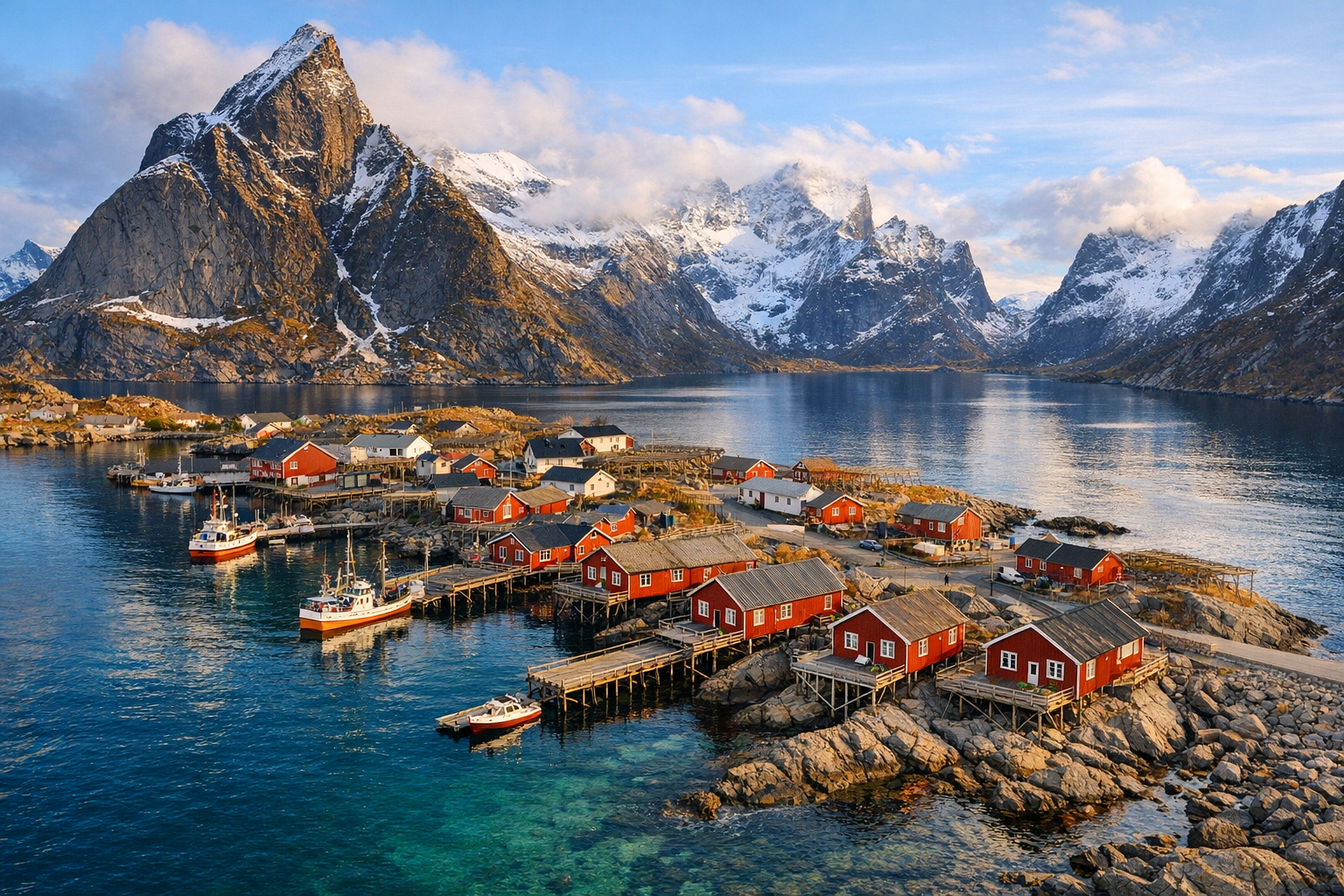
Fishermen have worked these waters for centuries, creating a rich maritime heritage . Travel Guide Today, visitors stay in converted rorbuer that offer modern comfort. These traditional accommodations provide authentic experiences with stunning fjord views.
Hiking trails surround Reine, offering various difficulty levels. The Reinebringen trail rewards climbers with panoramic views of the village below. Additionally, kayaking tours let visitors explore the crystal-clear waters up close.
Geiranger: UNESCO World Heritage Splendor
Geiranger village nestles at the head of Geirangerfjord. The fjord earned UNESCO World Heritage status for its exceptional natural beauty. Cascading waterfalls tumble down steep mountainsides into deep blue waters.
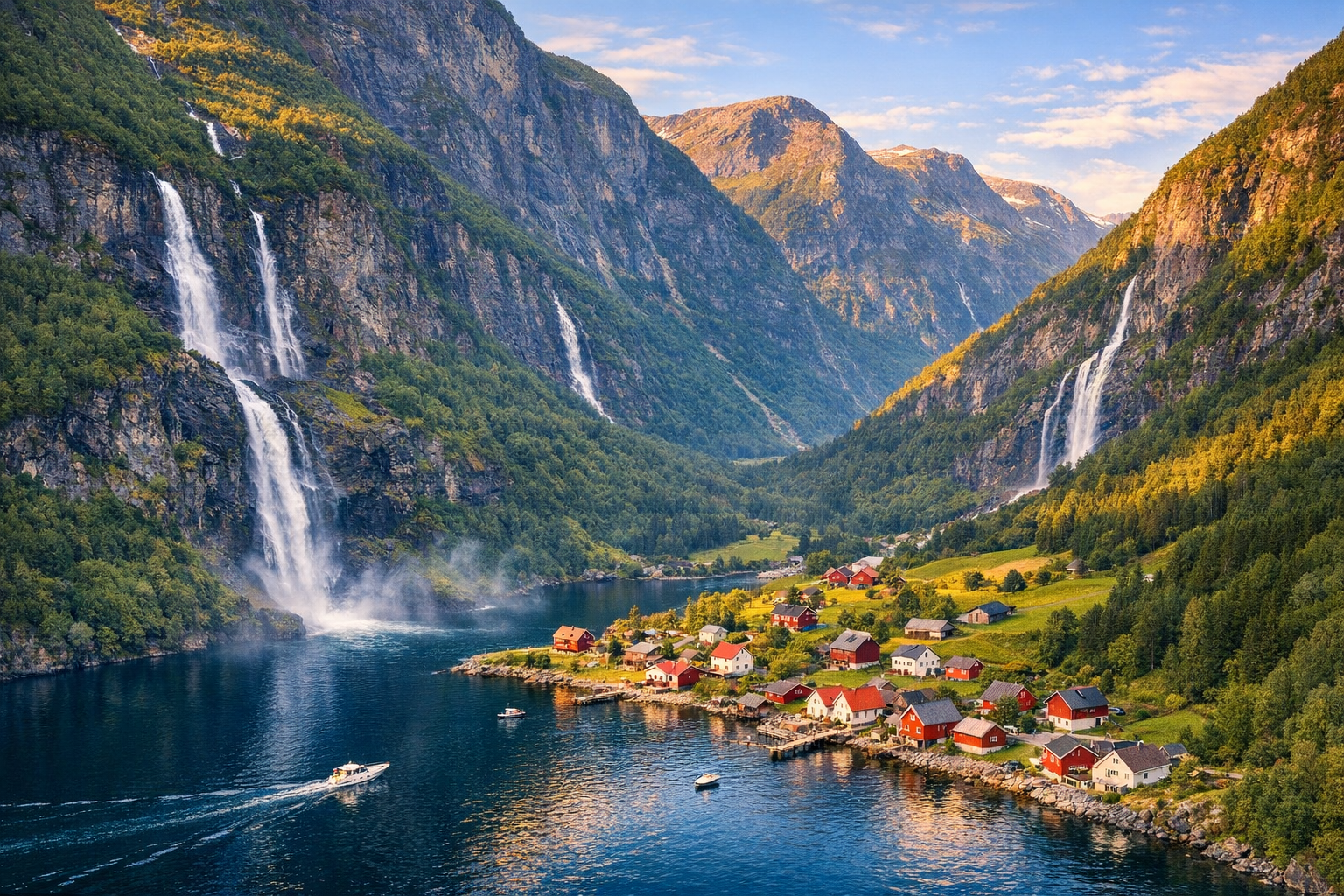
The Seven Sisters waterfall creates a spectacular sight from the fjord. Moreover, the Bridal Veil waterfall adds to the area’s dramatic landscape. Visitors take boat tours to experience these natural wonders from water level.
Several viewpoints provide breathtaking perspectives of the fjord. Dalsnibba offers views from 1,500 meters above sea level. Furthermore, the Eagle’s Bend viewpoint sits along the famous mountain road leading to the village.
Southern Norway’s Hidden Villages
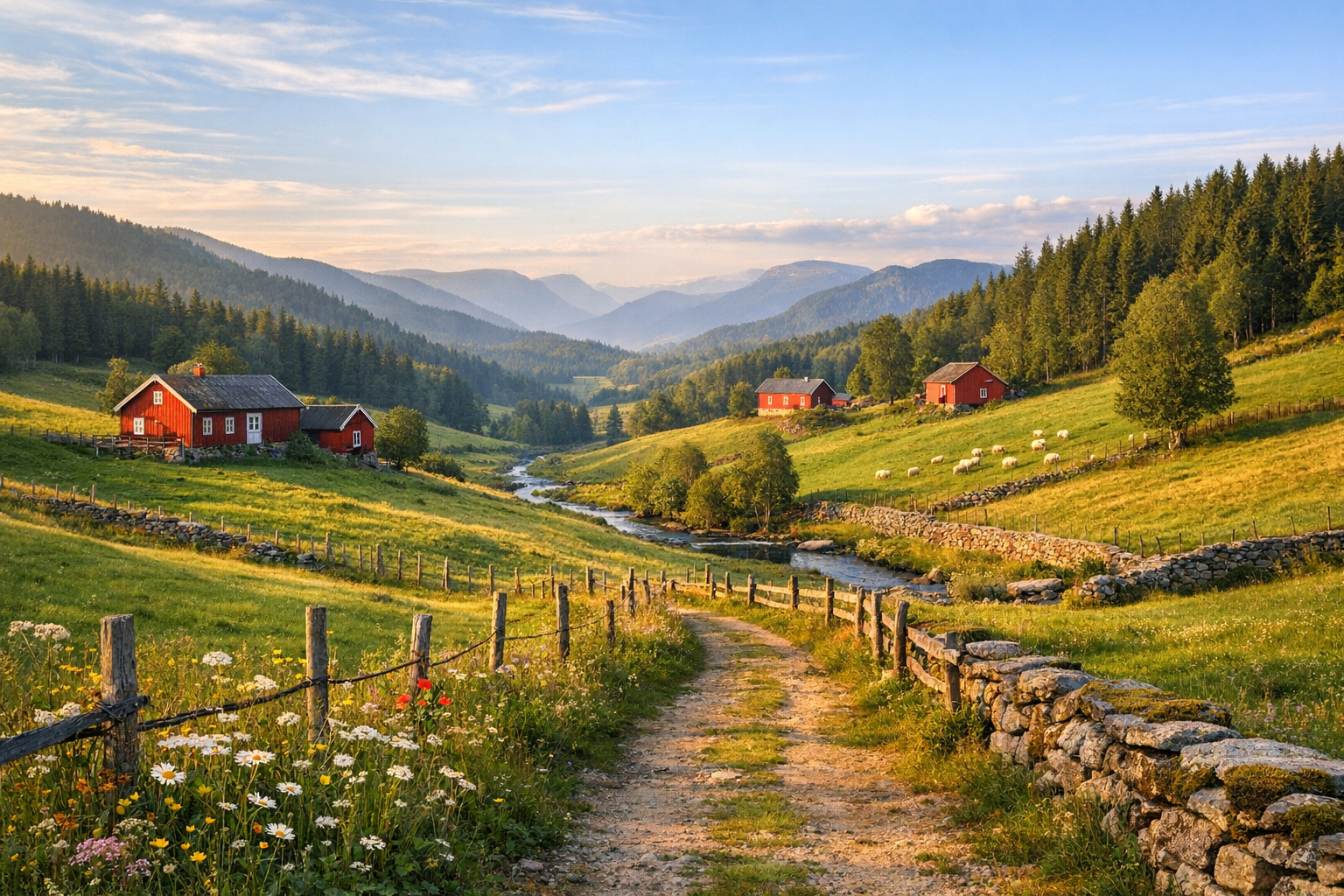
Southern Norway presents a gentler landscape than its western counterpart. The region features rolling farmland, peaceful valleys, and historic settlements. These destinations offer insight into traditional Norwegian rural life.
Undredal: Norway’s Smallest Stave Church Village
Undredal sits along the Aurlandsfjord, accessible by scenic mountain roads. The village houses Norway’s smallest stave church, seating only 40 people. This medieval wooden structure dates back to the 12th century.
The Art of Norwegian Cheese Making
In the heart of the countryside, the art of cheese-making remains remarkably unchanged. Farmers here rely on ancient techniques passed down through centuries. Specifically, they slowly boil whey, cream, and milk in large copper cauldrons. Consequently, the natural sugars caramelize over several hours of heating. This labor-intensive process creates the famous Brunost, or brown cheese. Furthermore, the recipes are often closely guarded family secrets. Each farm boasts a slightly different nuance in taste. Therefore, the result is a unique product unavailable in standard supermarkets.
The secret to these distinct flavors lies in the high-quality raw ingredients. During summer, herds of goats roam freely across steep mountain slopes. There, they graze on wild herbs, heather, and fresh glacial grass. As a result, the milk absorbs the specific terroir of the valley. This natural diet infuses the cheese with complex, earthy notes. Additionally, the crisp mountain air contributes to the livestock’s overall health. Thus, the final product reflects the absolute purity of the landscape.
A Culinary Experience for Visitors
Travelers can fully immerse themselves in this savory heritage. Many historic summer farms, known locally as a seter, open their doors to guests. Upon arrival, you are often greeted personally by the farmer. Then, you can watch the hypnotic stirring process firsthand. Tasting sessions are a major highlight of the visit. Typically, the cheese is sliced thin with a traditional ostehøvel. It is served atop heart-shaped waffles with sour cream and berry jam.
Moreover, buying directly from the producer enhances the experience. It allows you to take a piece of Norway home. Meanwhile, your purchase supports the local agrarian economy. Visitors should look for these distinct varieties:
- Brunost: This sweet, fudge-like cheese pairs perfectly with strong coffee.
- Hvit Geitost: In contrast, this white cheese offers a sharper, savory bite.
- Prim: Finally, enjoy this soft spread on warm flatbread.
Experiencing Undredal by Water
The Flåm fjord cruise route operates from May through September each year. These boat tours navigate the stunning Aurlandsfjord with remarkable precision. Ships dock at Undredal’s small wooden pier for approximately 45 minutes. Furthermore, passengers can explore the village’s narrow streets during this time. The cruise schedule allows visitors to witness the dramatic landscape from water level. Therefore, travelers gain a unique perspective of towering cliffs and cascading waterfalls.
Combining Multiple Norwegian Attractions
Additionally, the cruise itinerary includes stops at several noteworthy locations. Passengers often begin their journey in Flåm village itself. The route then winds through UNESCO-protected fjord landscapes. Moreover, many tourists combine this water journey with the famous Flåm Railway. This creates an unforgettable full-day adventure through Norwegian wilderness. Consequently, visitors experience both maritime and mountain scenery in one trip.
The combination saves considerable travel time between attractions. However, it also provides diverse photographic opportunities throughout the day. Many tour operators offer packages that bundle these experiences together.
Preserving Village Authenticity
Despite increasing visitor numbers, Undredal remains remarkably unchanged. The village population stays around 100 permanent residents year-round. Local families continue traditional goat cheese production using centuries-old methods. Meanwhile, the community carefully manages tourism to protect its heritage. Strict building regulations prevent modern construction from disrupting the landscape.
For example, new structures must follow traditional Norwegian architectural styles. The village’s famous stave church, dating from 1147, anchors this commitment. As a result, visitors encounter genuine rural Norwegian life. The community balances economic benefits with cultural preservation effectively. Therefore, Undredal offers an authentic glimpse into Norway’s pastoral traditions.
Solvorn: Peaceful Fjordside Retreat
Solvorn offers tranquility along the Lustrafjord’s shores. The village features traditional wooden architecture and beautiful gardens. Historic buildings reflect centuries of Norwegian craftsmanship and design.
The nearby Urnes Stave Church represents Norway’s oldest surviving stave church. UNESCO recognized this architectural masterpiece as a World Heritage site. Intricate wood carvings showcase medieval Norwegian artistry and religious devotion.
Visitors explore the surrounding countryside on foot or by bicycle. Mountain trails lead to pristine lakes and sweeping valley views. In addition, boat trips provide access to remote areas along the fjord.
Northern Norway’s Arctic Beauty
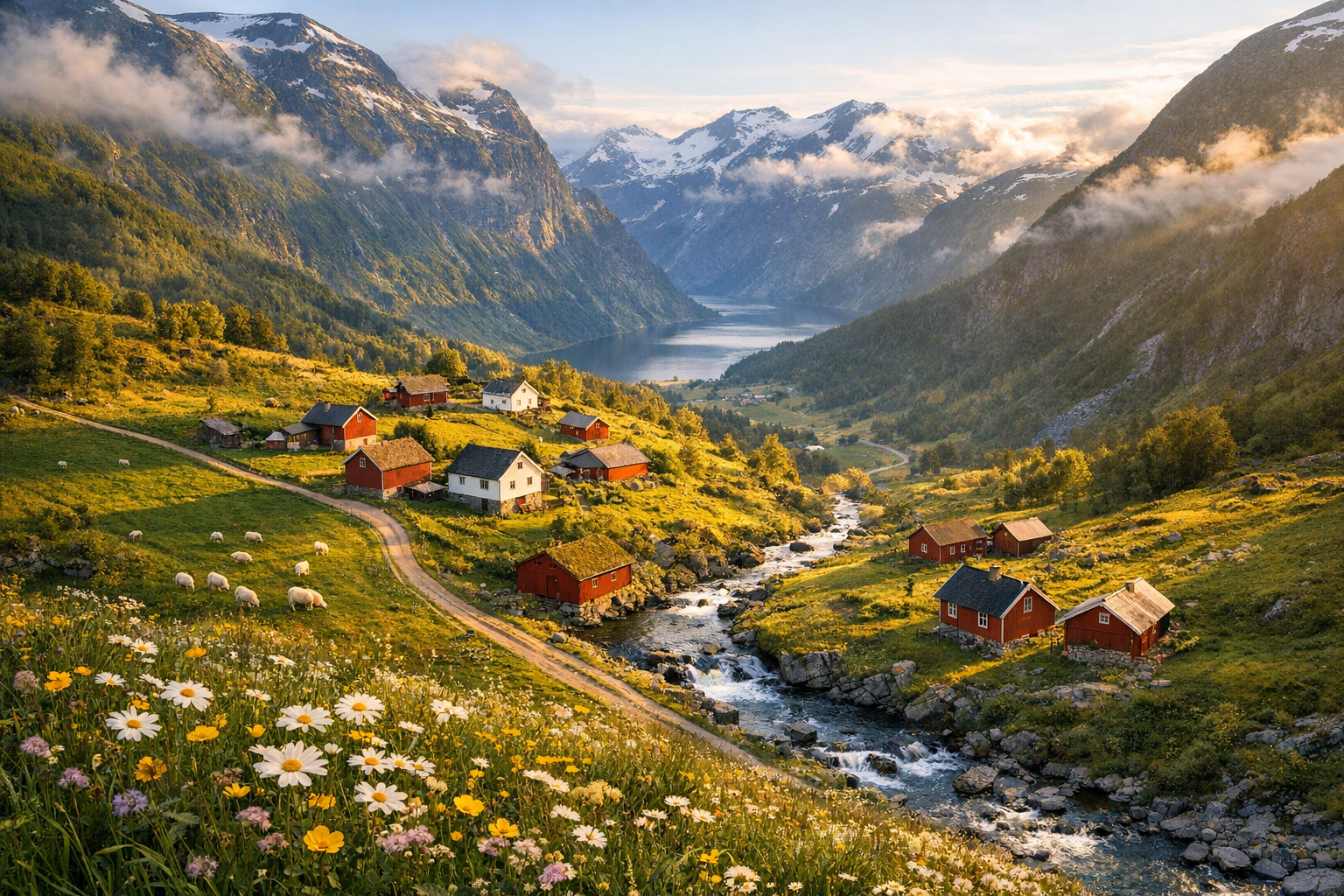
Northern Norway offers unique landscapes shaped by Arctic conditions. The region experiences midnight sun in summer and northern lights in winter. Remote villages provide authentic experiences in this dramatic environment.
Henningsvær: The Venice of Lofoten
Henningsvær spreads across several small islands connected by bridges. The fishing village earned its nickname from its unique island geography. Traditional architecture combines with modern cafes and art galleries.
Fishing remains central to village life and local economy. Cod drying racks line the waterfront during winter fishing season. Meanwhile, summer brings tourists seeking outdoor adventures and cultural experiences.
Vertical Adventures on Granite Walls
Henningsvær is widely recognized as a world-class destination for climbers. The sheer granite walls rise directly from the churning ocean waters. Consequently, athletes experience a rare mix of adrenaline and scenic beauty. The rock provides excellent friction for safe gripping. Additionally, the routes vary significantly in difficulty. Beginners can find manageable paths near the water. Meanwhile, experts tackle challenging overhangs that demand immense strength.
Beyond climbing, the area offers spectacular hiking opportunities. The landscape invites exploration on foot. For example, the trail to Festvågtind is incredibly popular. It offers a steep ascent. However, the panoramic view from the summit is unforgettable. You can see the entire archipelago stretched out below. Therefore, this trek is a favorite for photographers.
Here are a few reasons why hikers love this region:
- Accessible Trails: Many paths start right near the village center.
- Varied Terrain: You encounter rocky ridges and soft mossy patches.
- Midnight Sun: In summer, you can hike safely late into the night.
A Cultural Hub in the Arctic
The village offers more than just physical challenges. It creates a unique bridge between rugged nature and refined culture. Surprisingly, this remote fishing village hosts a vibrant art scene. Old industrial buildings have been transformed into modern creative spaces. Thus, the history of the fishery blends with contemporary expression.
Visitors can explore several key cultural venues:
- KaviarFactory: A contemporary art hall located in a former caviar processing plant.
- Engelskmannsbrygga: A collaborative workshop for glassblowers and potters.
- Local Galleries: intimate spaces displaying paintings of the Lofoten landscape.
Travelers can explore these venues after a day outdoors. Furthermore, the contrast between modern art and ancient mountains is striking. It adds depth to the travel experience. As a result, Henningsvær feels sophisticated yet wild. This distinct combination keeps visitors returning year after year. Ultimately, it is a place for both the body and the soul.
Sommarøy: Arctic Island Paradise
Located just an hour west of Tromsø, this archipelago offers a surprising visual paradox. Often called the “Arctic Caribbean,” the landscape defies typical polar expectations. Bridges connect small islands, creating a seamless journey into the open ocean. Consequently, visitors feel transported to a different latitude entirely. The vibrant fishing village atmosphere remains authentic despite its growing popularity. Small red cabins dot the shoreline, providing a stark contrast to the bright sands.
A Land Without Time
During peak season, the sun refuses to set for 69 straight days. Therefore, locals have famously campaigned to abolish official timekeeping. Travel Guide Watches are often left attached to the bridge as a symbolic gesture. This creates a relaxed state of mind for weary travelers. Furthermore, you can enjoy hiking or swimming at 2:00 AM. The golden light provides endless photography opportunities around the clock.
Arctic Beaches and Azure Waters
The coastline features dozens of secluded coves and shallow inlets. Surprisingly, the sand consists of crushed shells and coral rather than rock. This unique composition creates a blindingly white shoreline against the dark mountains. However, looks can be deceiving regarding the water temperature. The ocean remains refreshing and undeniably brisk throughout the year. Nevertheless, brave swimmers frequently take the plunge to feel alive.
Explorers can engage in various outdoor pursuits to fully experience the landscape. Popular activities include:
- Sea Kayaking: Paddle through calm, glass-like waters between small islets.
- Hill Hiking: Climb Hillesøytoppen for panoramic views of the endless ocean.
- Wildlife Viewing: Spot sea eagles soaring high above the cliffs.
Additionally, boat tours offer chances to see seals lounging on rocks. Finally, simply sitting on the shore offers unmatched tranquility in this northern paradise.
The island maintains a relaxed atmosphere despite seasonal visitor influx. Local residents embrace slow living and natural beauty. Visitors disconnect from daily stress in this peaceful environment.
Winter transforms Sommarøy into a northern lights viewing destination. Dark skies and minimal light pollution create ideal conditions. Additionally, winter activities include dog sledding and snowshoeing adventures.
Eastern Norway’s Mountain Villages
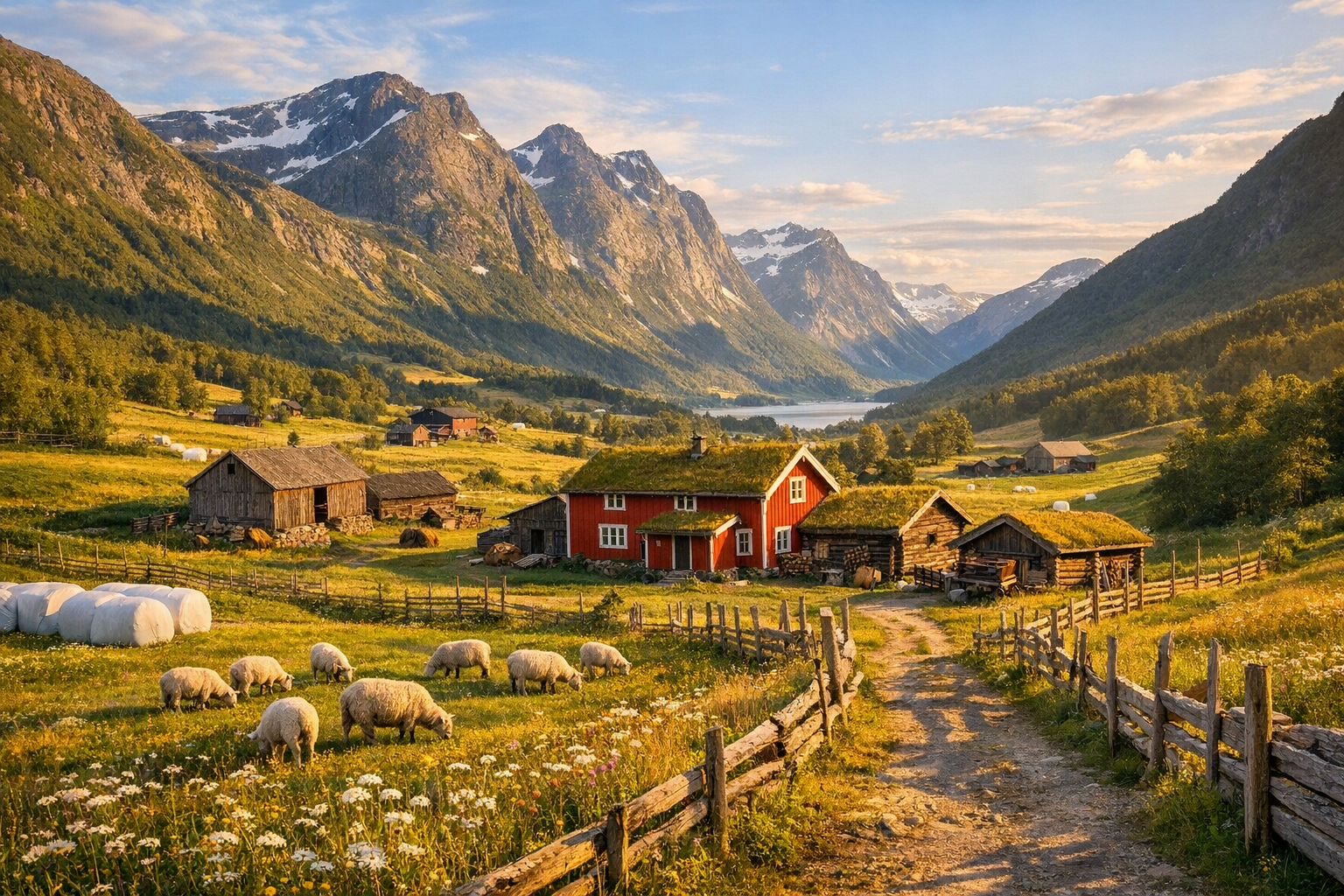
Eastern Norway features mountain valleys and traditional farming communities. The region preserves centuries-old agricultural traditions and folk culture. These destinations offer glimpses into Norway’s rural heritage.
Røros: UNESCO Mining Town Heritage
Røros stands as one of Norway’s oldest wooden towns. The mining settlement dates back to the 17th century. UNESCO recognized its exceptional cultural and architectural significance.
Colorful wooden buildings line the narrow streets throughout town. The old copper mine offers underground tours explaining mining history. Moreover, the town’s church represents impressive baroque architecture from 1784.
Preserving Ancient Skills
In the quiet valleys of rural Norway, ancient skills still thrive. Artisans dedicate their lives to mastering techniques passed down through generations. Silversmithing, for instance, remains a prestigious trade here. These smiths create intricate brooches and buttons for traditional costumes. Meanwhile, weavers work tirelessly with high-quality Norwegian wool. They produce durable tapestries and warm clothing designed for the harsh climate.
Woodworking also plays a vital role in the local culture. Skilled carvers transform raw timber into functional art. Furthermore, the distinct style of Rosemaling adds vibrant color to interiors. These flowing floral designs cover wooden bowls, chairs, and chests. Consequently, every handcrafted item tells a unique story of the region’s history.
Key traditional crafts include:
- Bunad Silver: Intricate jewelry for folk costumes.
- Rosemaling: Decorative floral painting on wood.
- Wood Carving: Detailed figures and household items.
- Textile Weaving: Rugs and clothing made from local wool.
The Magic of Winter Markets
As snow covers the landscape, town squares undergo a magical transformation. Winter markets become the beating heart of the community. Here, visitors wander through rows of charming wooden stalls. Additionally, the crisp air fills with the inviting scent of fire and pine. Vendors proudly display their best handcrafted goods to eager shoppers. You might find thick knitted mittens or hand-forged knives. Therefore, these markets offer much more than just shopping opportunities.
Culinary traditions also take center stage during these gatherings. Farmers bring their finest seasonal produce to the town center. Specifically, cured meats and aged cheeses are incredibly popular. Brunost, a sweet brown cheese, is a distinct local favorite. Moreover, shoppers can taste traditional baked goods fresh from the oven. Warm waffles and lefse offer a sweet treat for cold hands.
Celebrating Cultural Heritage
Throughout the year, the countryside honors its deep historical roots. Heritage festivals bring history to life for visitors of all ages. During these events, locals often wear their regional folk attire. This colorful clothing represents specific family lineages and geographic areas.
Music is another essential pillar of these cultural celebrations. Folk melodies echo through the historic streets and community halls. For example, the haunting sound of the Hardanger fiddle is unmistakable. Thus, the past remains a living, breathing part of the present. These gatherings ensure that local legends and customs never fade away.
Lom: Gateway to Jotunheimen
Lom serves as the entry point to Jotunheimen National Park. The village features one of Norway’s most impressive stave churches. This 12th-century structure contains remarkable medieval paintings and wood carvings.
Exploring the Home of the Giants
The landscape here defines the very essence of the Norwegian countryside. Jotunheimen National Park dominates the horizon with its jagged peaks. Known locally as the “Home of the Giants,” this area is breathtaking. It contains the vast majority of Norway’s 2,000-meter summits. For example, Galdhøpiggen stands as the tallest mountain in Northern Europe.
Furthermore, the scenery changes dramatically with the seasons. Summer brings lush green valleys and rushing waterfalls. In contrast, winter transforms the peaks into a snowy wonderland. Therefore, photographers flock here to capture the dramatic light. The combination of glaciers and deep lakes creates a unique visual palette.
Trails for Every Adventurer
You do not need to be an expert mountaineer to enjoy these views. The trail network is incredibly diverse. Consequently, it caters to everyone from toddlers to seasoned climbers.
Here is a breakdown of the hiking options:
- Family-Friendly Paths: Gentle loops near the valley floor offer safe walking.
- Intermediate Routes: These trails lead to scenic viewpoints without technical climbing.
- Expert Ridges: The famous Besseggen Ridge requires stamina and steady nerves.
Moreover, the paths are exceptionally well-marked. Red “T” symbols guide hikers safely through the terrain. As a result, navigation is straightforward even for newcomers.
Lom: The Ultimate Basecamp
The village of Lom serves as the beating heart of this region. It sits strategically at the gateway to the national park. Because of this, it provides essential logistics for expeditions. You can easily find gear rentals and expert guides here.
Additionally, the town offers more than just utility. It is rich in history and culture. The historic Lom Stave Church dates back to the 12th century. Meanwhile, famous local bakeries serve fresh pastries to hungry hikers. Thus, visitors enjoy a mix of rugged nature and cozy comfort.
Finally, the atmosphere in town is vibrant and welcoming. Hikers gather in cafes to share stories of their daily conquests. This camaraderie makes Lom a memorable part of the journey.
Experiencing the Summer Farm Culture
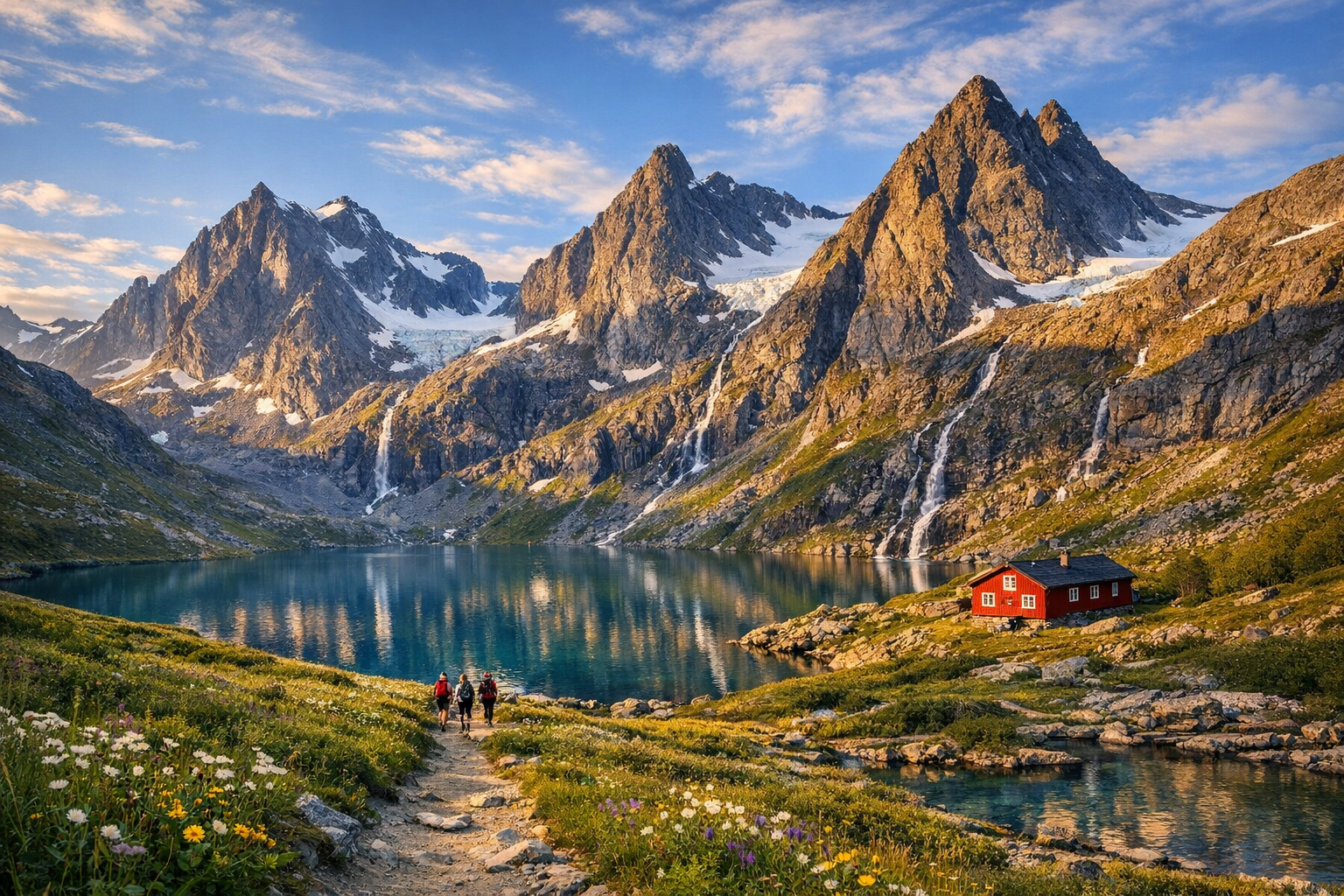
Step back in time by visiting a traditional Norwegian farm. These unique destinations come alive specifically between June and late August. Consequently, the lush green valleys provide a stunning backdrop for exploration. Many of these locations are known as a “seter”. This term refers to a mountain pasture used for summer grazing. Furthermore, the air is fresh and filled with the sounds of nature. It offers a peaceful escape from modern city life.
You can witness age-old farming techniques firsthand. For instance, farmers often demonstrate how they milk goats by hand. Additionally, you might see the iconic Norwegian Fjord Horse working the fields. These animals are sturdy and gentle. Therefore, they are perfect for interactions with children. Sheep roam freely across the steep hillsides as well. As a result, the landscape remains open and beautifully maintained.
A Taste of Local Tradition
The highlight for many travelers is undoubtedly the food. Authentic flavors define the Norwegian countryside experience. Specifically, you must try brunost, a sweet brown cheese with a unique caramel-like taste. Moreover, farms serve platters of spekemat, which are salted and cured meats. These ingredients are sourced directly from the land. Thus, every bite tastes incredibly fresh and wholesome.
Be sure to sample these traditional favorites during your visit:
- Rømmegrøt: A rich sour cream porridge often served warm with cinnamon and sugar.
- Flatbrød: Thin, crisp unleavened bread that pairs perfectly with hearty stews.
- Cloudberries: Known as “highland gold,” these rare berries are usually served with cream.
- Lefse: A soft potato flatbread sweetened with butter and sugar.
Finally, engaging with the farmers adds depth to the journey. They share fascinating stories about surviving harsh Nordic winters. Furthermore, they explain the importance of sustainable agriculture. This connection transforms a simple meal into a cultural lesson. Consequently, you leave with a deeper appreciation for Norway’s heritage.
Central Norway’s Fjord Villages
A Landscape of Dramatic Contrasts
Trøndelag acts as a stunning bridge between Norway’s north and south. You will find jagged peaks rising directly from the sea. Consequently, the visual contrast creates a photographer’s paradise. Lush, green valleys often soften the rugged coastline. Meanwhile, deep fjords cut inland, offering calm waters against stone walls. This unique geography provides endless exploration opportunities without long travel times.
Travelers do not need to drive for days to see changes. For example, a morning hike might start on a snowy plateau. By lunchtime, you could be fishing in a coastal archipelago. Therefore, the region is perfect for those with limited time. The famous Atlantic Road showcases this diversity perfectly. It connects small islands with dramatic, curving bridges.
Key natural highlights include:
- Dovrefjell National Park: Home to wild musk oxen.
- The Coast: Thousands of islands and islets.
- Inland Valleys: Rich farmland and salmon rivers.
Living History and Tradition
History feels alive in the small communities here. UNESCO-listed sites like Røros feature preserved wooden buildings. Furthermore, these structures are not just empty museums. People still live and work within these historic walls. Local artisans continue centuries-old crafting traditions today. You can watch glassblowers, potters, and weavers at work.
Additionally, the culinary scene relies heavily on local sourcing. Farmers produce award-winning cheeses and cured meats. As a result, the food tastes incredibly fresh and authentic. Visitors can truly taste the landscape in every meal. This connection to the land defines the local lifestyle.
Moreover, festivals often celebrate these deep cultural roots. Locals wear the bunad, or traditional folk costume, with pride. In summary, the region offers a deep connection to the past. It is a place where heritage remains relevant.
Balestrand: Victorian Era Elegance
A Legacy of Victorian Exploration
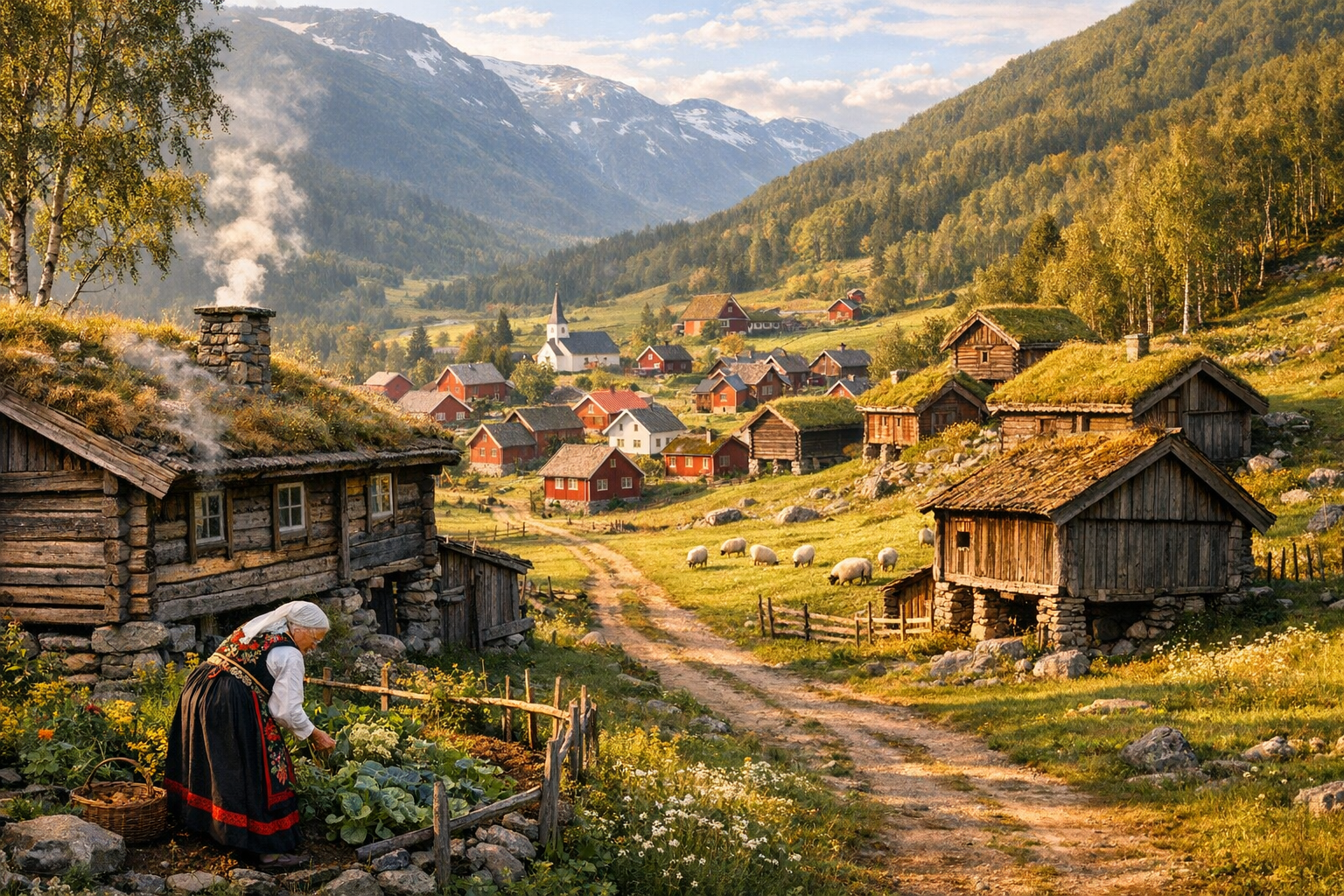
Wealthy travelers first discovered this hidden gem in the late 19th century. Aristocrats and artists flocked here from the United Kingdom. Consequently, the area transformed into a bustling cultural hub. These visitors sought fresh mountain air and dramatic scenery. Furthermore, they wished to escape the industrial smog of cities.
The influx of tourism shaped the local culture significantly. For example, English is widely spoken and understood here. Additionally, the village maintains a distinct atmosphere of old-world class. It feels less like a modern resort and more like a historic retreat. Therefore, walking the streets feels like stepping back in time.
Unique Architectural Beauty
The village is famous for its stunning Swiss-style architecture. This design trend became popular throughout the Nordic countryside. Specifically, it combines traditional timber building with elaborate details. Local builders adopted these foreign styles with enthusiasm. As a result, the structures are both rustic and incredibly ornate.
Key architectural features include:
- Dragon heads: Intricate carvings that decorate roof ridges.
- Gables and balconies: Wooden projections that offer grand views.
- Contrasting colors: Facades painted in warm reds, yellows, or whites.
Moreover, the Kviknes Hotel stands as a massive landmark. It represents the pinnacle of this wooden building tradition. The hotel has hosted royalty and dignitaries for generations. Thus, it remains the centerpiece of the waterfront.
The Majestic Sognefjord
Nature provides a breathtaking backdrop for these man-made wonders. The village sits directly on the edge of the Sognefjord. This is Norway’s longest and deepest fjord. Consequently, the water is often calm and glass-like.
The landscape offers a powerful visual contrast. Rugged, snow-capped mountains rise steeply from the shore. Meanwhile, the water reflects the sky and peaks perfectly. This creates a mirror effect that photographers adore. Additionally, the light changes constantly throughout the day.
Visitors can enjoy the fjord in several ways:
- Fjord cruises: Boats offer a closer look at the cliffs.
- Kayaking: Paddling provides a silent, intimate experience.
- Hiking: Trails offer panoramic views from above.
Ultimately, the connection between the hotel verandas and the water is seamless. One can sit with a coffee and simply watch the tide. It is a place of profound silence and beauty.
The area inspired numerous artists and writers throughout history. Several historic villas showcase dragon-style Norwegian architecture. Additionally, the village features an English church built in 1897.
Hiking trails lead to waterfalls and mountain viewpoints above the fjord. Kayaking provides peaceful exploration of nearby inlets and islands. Furthermore, local museums document the region’s cultural and natural history.
Aurland: Stegastein Viewpoint Gateway
Aurland sits at the intersection of two spectacular fjords. The village offers access to the famous Stegastein viewpoint. This architectural marvel extends 30 meters over the fjord edge.
Heritage Farming in Norwegian Valleys
The Norwegian countryside preserves centuries-old agricultural traditions through active goat farming. Furthermore, these pastoral valleys support families who have maintained their livestock practices for generations. Small-scale farms dot the landscape between towering mountains and pristine fjords. Moreover, the hardy Norwegian goat breeds thrive in this challenging terrain. These animals graze on wild herbs and grasses throughout the summer months. Consequently, their milk develops unique flavors that define regional cheese varieties.
The Art of Brunost Production
Brunost, or brown cheese, represents Norway’s most iconic dairy product. Additionally, this sweet, caramel-colored cheese differs dramatically from traditional European varieties. Local artisans create it by slowly caramelizing whey with cream and milk. The cooking process can take several hours of constant stirring. As a result, the natural sugars transform into a rich, fudge-like consistency. Traditional brunost contains goat’s milk exclusively, while variations incorporate cow’s milk. Therefore, each producer’s recipe creates distinctive flavor profiles ranging from mildly sweet to intensely tangy.
Farm Tourism Experiences
Visitors increasingly seek authentic agricultural experiences in rural Norway. For example, working farms now offer guided tours during peak tourist seasons. Guests observe the entire cheese-making process from milking to packaging. Meanwhile, farmers demonstrate traditional wooden tools and copper kettles still used today. Many farms provide hands-on opportunities to participate in daily operations. Additionally, tasting sessions allow visitors to sample various cheese ages and styles. These immersive experiences connect tourists with Norway’s living food heritage.
An Engineering Masterpiece
The journey aboard the Flåmsbana offers more than just transportation. Rather, it serves as a stunning introduction to Norway’s rugged interior. The construction of this line took nearly twenty years. During this time, laborers dug 18 of the 20 tunnels by hand. This dedication resulted in a truly spectacular route. The tracks cling precariously to the mountainside. Consequently, passengers enjoy unobstructed views of the valley floor.
The incline is incredibly sharp for a standard train. In fact, almost 80% of the journey features a 5.5% gradient. As a result, the train travels at a leisurely pace. This speed allows ample time for sightseeing. Furthermore, the vintage green carriages add a touch of nostalgic charm. Inside, the interior reflects a classic Norwegian style.
Scenic Highlights Along the Way
The landscape changes rapidly as the altitude increases. You start at the lush, green fjord level. However, you soon find yourself among rocky peaks. Rivers cut deep gorges through the terrain below. Additionally, tiny farms perch on steep slopes. These homesteads seem to defy gravity.
Key sights include:
- Rjoandefossen: A beautiful waterfall visible from the train window.
- Vibmesnosi: A massive mountain towering over the valley.
- Berekvam: A station where ascending and descending trains pass each other.
The train makes a specific, famous stop at Kjosfossen waterfall. Here, the conductor halts the train completely. Next, passengers step onto a wooden platform. The water crashes down with immense power just feet away. Sometimes, a dancer dressed as a mythical Huldra appears by the ruins. She performs a folk dance near the rushing water.
Connecting Land and Sky
The trip terminates at the high-altitude Myrdal station. This remote outpost sits 867 meters above sea level. Therefore, the air feels crisp, cool, and fresh. The environment here is starkly different from the village below. Snow often lingers on the peaks even in summer. Moreover, Myrdal connects directly to the main Bergen Line.
Many adventurous travelers do not take the train back down. Instead, they choose to cycle the return journey. They rent mountain bikes at the station. Then, they ride down the famous Rallarvegen. This old construction road winds through 21 hairpin turns. It offers a thrilling descent back to the fjord’s edge. Ultimately, this creates a perfect loop of exploration.
Planning Your Rural Norway Adventure
Successful countryside exploration requires careful planning and preparation. Transportation options vary significantly between rural and urban areas. However, proper planning ensures smooth travel between remote destinations.
Transportation Considerations
Renting a car provides maximum flexibility for countryside exploration. Mountain roads require confidence and careful driving during all seasons. Nevertheless, the freedom to stop at scenic viewpoints makes driving worthwhile.
Getting Around Rural Norway
Public transportation networks in Norway’s countryside operate on schedules quite different from urban areas. Buses connect major villages and towns throughout the day. However, you might find only three or four departures during peak times. Moreover, weekend services often run even less frequently than weekdays. Consequently, planning becomes essential for any countryside adventure.
Remote valleys may see just one or two buses daily. Some routes operate only on specific weekdays. Therefore, missing your connection could mean waiting hours for the next option. Additionally, winter schedules typically reduce service frequency even further.
Ferry Services and Coastal Travel
Ferry systems form the backbone of coastal transportation in Norway. These vessels carry both passengers and vehicles across stunning fjords. Furthermore, they connect island communities that have no bridge access. The routes offer breathtaking scenery as an added bonus.
Popular ferry crossings run multiple times per hour during summer months. In contrast, smaller routes might operate just twice daily. Meanwhile, some island ferries require advance booking for vehicles. Walk-on passengers usually don’t need reservations. However, arriving early ensures you won’t miss the boat.
Planning Your Countryside Journey
Advance preparation makes all the difference for rural Norwegian travel. Check official transportation websites before your trip. For example, the Entur app shows comprehensive schedules across the country. Additionally, many ferry operators have dedicated booking platforms.
Accommodation reservations become crucial in remote areas. Small villages often have limited lodging options. Therefore, booking several weeks ahead prevents disappointment. Moreover, confirming your arrival time with hosts helps them prepare. Many guesthouses offer pickup services from bus stops or ferry terminals.
Navigating the Seasons
Traveling through Norway’s rural landscapes varies greatly by season. During summer, the infrastructure functions at peak capacity. Consequently, you can access remote valleys easily. Ferries cross the fjords with high frequency. Additionally, local buses service even the tiniest hamlets. Thus, logistics are rarely a burden for tourists. You can focus entirely on the scenery.
In contrast, the colder months introduce significant logistical hurdles. Snow and ice transform the roads rapidly. Therefore, driving requires caution and experience. Rental agencies provide cars with studded tires. However, this does not guarantee safety on icy curves. You must drive slowly and defensively. Furthermore, daylight is scarce during mid-winter. This limits your driving hours significantly.
Essential Winter Precautions
If you choose to explore the snowy countryside, preparation is key. The weather can shift from clear to blizzard conditions instantly. As a result, you should carry emergency gear. Consider packing the following items:
- Warm clothing: Keep wool layers accessible in the vehicle.
- Food and water: Bring supplies in case you get stuck.
- Safety equipment: A reflective vest and flashlight are mandatory.
- Power: Keep your phone fully charged.
Understanding Road Closures
Most importantly, travelers must anticipate road closures. High-altitude mountain passes are particularly vulnerable. For example, the famous Trollstigen road closes annually. Authorities lock the gates when the first snow arrives. These routes often remain shut until late May. Consequently, standard routes may become impassable.
Moreover, your GPS might suggest a closed road. Technology does not always reflect real-time seasonal changes. You should verify routes using official government websites like Vegvesen. Detours can sometimes add hours to a trip. Therefore, flexible planning is essential in winter. Always have a backup plan ready.
Accommodation Options
Traditional rorbuer provide authentic experiences in fishing villages. These converted cabins offer self-catering facilities and spectacular views. Booking in advance ensures availability during peak summer season.
Family-run guesthouses offer personal hospitality and local knowledge. Hosts share insider tips about hidden trails and seasonal attractions. Additionally, these accommodations often serve traditional Norwegian breakfasts.
Camping appeals to budget-conscious travelers seeking nature immersion. Norway’s right to roam allows wild camping in most areas. However, campers must respect private property and environmental regulations.
Best Times to Visit
Summer months from June through August offer mild weather. Midnight sun illuminates northern destinations throughout these months. Consequently, summer attracts the most visitors to rural areas.
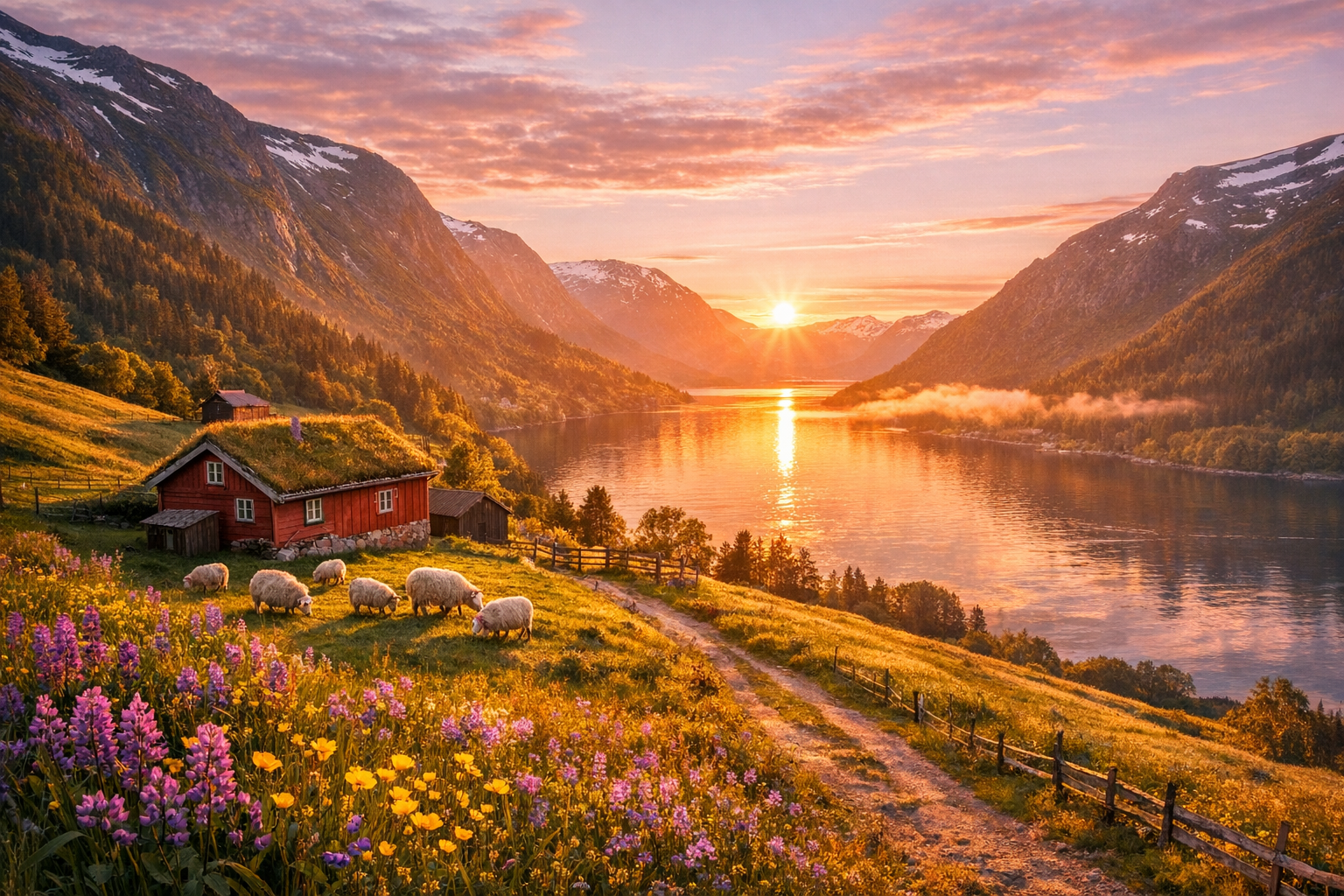
Shoulder seasons provide fewer crowds and lower accommodation prices. September brings autumn colors to mountain valleys and hillsides. Meanwhile, May offers spring blooms and awakening wildlife.
Winter transforms rural Norway into a snowy wonderland. Northern lights viewing peaks between November and March. However, limited daylight hours and cold temperatures require proper preparation.
Embracing Norway’s Rural Beauty
Venturing beyond major cities like Oslo reveals a hidden world. Quiet fjords often replace busy streets in these areas. Consequently, travelers find a deeper connection to nature here. You might stumble upon a secluded fishing hamlet. Alternatively, you could discover a farm nestled in a green valley. These places operate on a slower clock. Therefore, stress melts away almost instantly for visitors.
Architectural and Cultural Gems
Architecture in these regions tells a fascinating story. For instance, the Lofoten Islands feature iconic red fishing cabins. These structures, known as rorbuer, sit right on the water. Furthermore, inland valleys preserve ancient woodwork. You might see a stave church dating back centuries. Thus, history feels alive in every wooden beam. Locals take immense pride in these heritage sites.
Moreover, culinary traditions run deep in the countryside. Unlike standardized city menus, rural dining focuses on hyper-local ingredients.
- Coastal Villages: Serve fish caught that same morning.
- Inland Farms: Offer artisan cheeses and cured meats.
- Mountain Lodges: Prepare hearty stews with wild game.
As a result, every meal becomes a cultural lesson. You effectively taste the landscape in every bite.
Immersive Outdoor Activities
Adventure is never far away in the Norwegian countryside. Hiking trails often start right from your doorstep. Additionally, the varied terrain supports diverse activities for all skill levels.
- Kayaking: Glide silently through narrow, glass-like fjords.
- Berry Picking: Harvest rare cloudberries during late summer.
- Glacier Hiking: Walk safely on ancient ice with guides.
Consequently, active travelers never run out of options. Each season brings new ways to explore the wild.
Interaction with locals defines the rural experience. Village residents are typically warm and eager to share stories. For example, a shop owner might explain local folklore. Meanwhile, staying in family-run guesthouses creates personal connections. You are treated as a guest, not a number. Ultimately, these authentic encounters make the trip unforgettable.
Rural exploration requires more effort than visiting major cities. Nevertheless, the rewards include unforgettable scenery and genuine cultural connections. Travelers return home with stories of hidden gems and peaceful moments.
Planning ahead ensures smooth travel between remote locations. Flexibility allows for spontaneous discoveries along scenic routes. Ultimately, Norway’s rural landscapes create memories that last a lifetime.