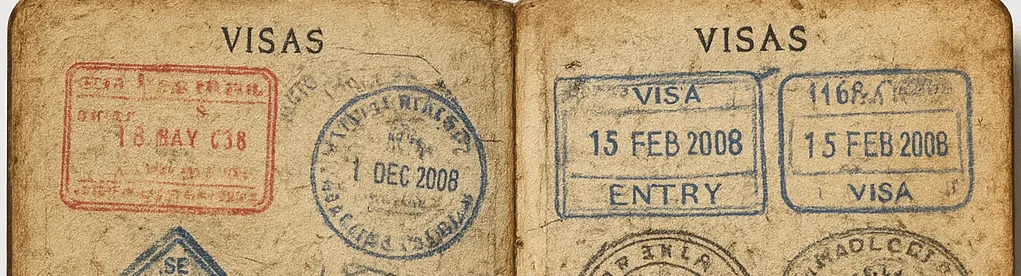
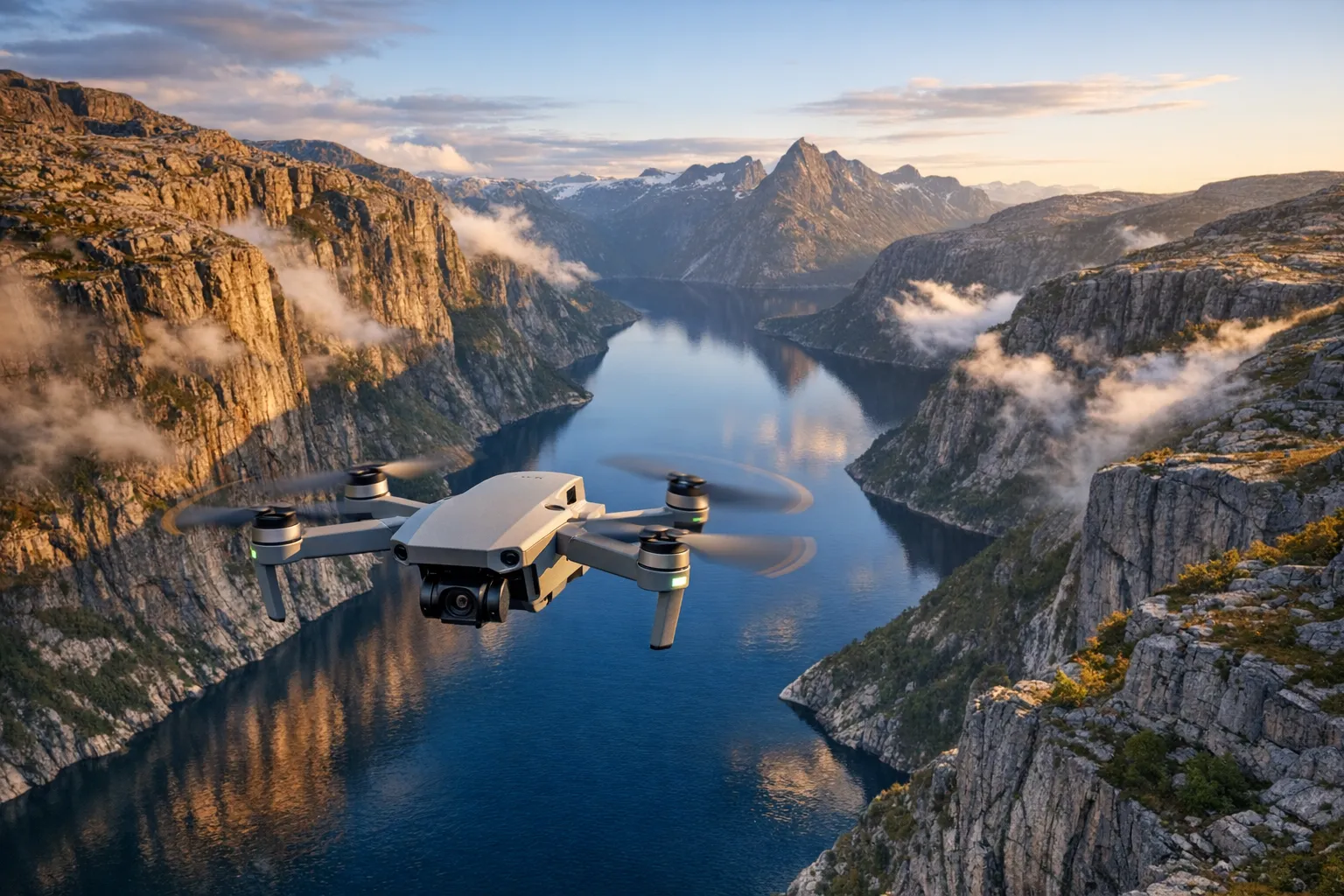
I spent fourteen months putting money into a travel fund that everyone else called frivolous. When it finally had enough zeros in it, I spent about forty-five minutes looking at destinations before I bought the ticket — because honestly, once you’ve seen footage of Norway’s fjords and jagged peaks cutting through low-hanging cloud, nowhere else really stands a chance. I packed my drone alongside everything else, already imagining the shots, but I quickly learned that launching a drone over some of the world’s most dramatic scenery isn’t as simple as finding a clearing and hitting takeoff. Norwegian airspace is tightly regulated, and the fines for getting it wrong are no joke. So before you follow me into this obsession, here’s everything you need to know to fly legally, safely, and — most importantly — memorably.
The Essential Paperwork
First, you must handle the bureaucracy. Travel Guide Norway follows European Union Aviation Safety Agency (EASA) rules. Thus, most pilots must register legally. If your drone has a camera, you likely need to register. This applies even to small drones under 250 grams. Visit the Flydrone.no website to complete this process. You will pay an annual fee for this registration.
Insurance Requirements
Additionally, you need liability insurance. This is mandatory for every drone operator in Norway. Your standard travel insurance might not cover aviation liability. Therefore, check your policy carefully before you travel. You must carry proof of insurance while flying. Authorities may ask to see it at any time. Flying without it is illegal and risky. If you crash, you pay for damages personally.
Pilot Competency
Most recreational pilots fall into the “Open” category. Consequently, you must pass an online theory exam. This exam ensures you know the basic safety rules. After passing, you receive a pilot ID. You must label your drone physically with this ID number. It connects the aircraft to you.
Respecting Airspace Restrictions
Understanding Drone Regulations in Norway
Norway offers stunning landscapes that are perfect for aerial photography. However, the country enforces rigorous safety standards. Therefore, every pilot must understand the specific regulations before takeoff. The airspace is shared with emergency helicopters and low-flying aircraft. Consequently, situational awareness is crucial for every flight. You are not just protecting your equipment; you are protecting lives.
Respecting Airport Exclusion Zones
The 5-kilometer ban around airports is absolute. Specifically, this applies to both major international hubs and smaller regional airstrips. Do not attempt to fly within this radius. Modern drones often have geofencing, but you should not rely solely on it. Instead, use official maps to verify your location.
Violating this airspace is a serious criminal offense. As a result, police can confiscate your drone immediately. Furthermore, hefty fines are common for offenders. To avoid this, download the Ninox Drone app or check the Avinor website. These tools provide real-time airspace data.
Military Zones and Sensitive Areas
Norway takes national security very seriously. Therefore, flying near military bases or training grounds is strictly prohibited. These areas are not always marked with physical signs. However, they are clearly defined on aviation maps. Ignorance of these boundaries is never a valid defense.
If you fly over a restricted military zone, the consequences are severe. For instance, authorities may arrest you on suspicion of espionage. This has happened to several tourists recently. Consequently, always err on the side of caution. If you see military personnel or vehicles, land immediately.
National Parks and Privacy Rules
Beyond airports and military bases, other restrictions apply. For example, many National Parks ban drones to protect wildlife. The noise disturbs nesting birds and grazing animals. Additionally, you must respect personal privacy. Do not film people without their consent.
Key Safety Checklist:
- Check the map: Always consult safetofly.no before takeoff.
- Watch for helicopters: Low-flying aircraft are common in fjords.
- Keep line of sight: You must always see your drone.
- Insurance: Liability insurance is mandatory for all operators.
National Parks and Protected Areas
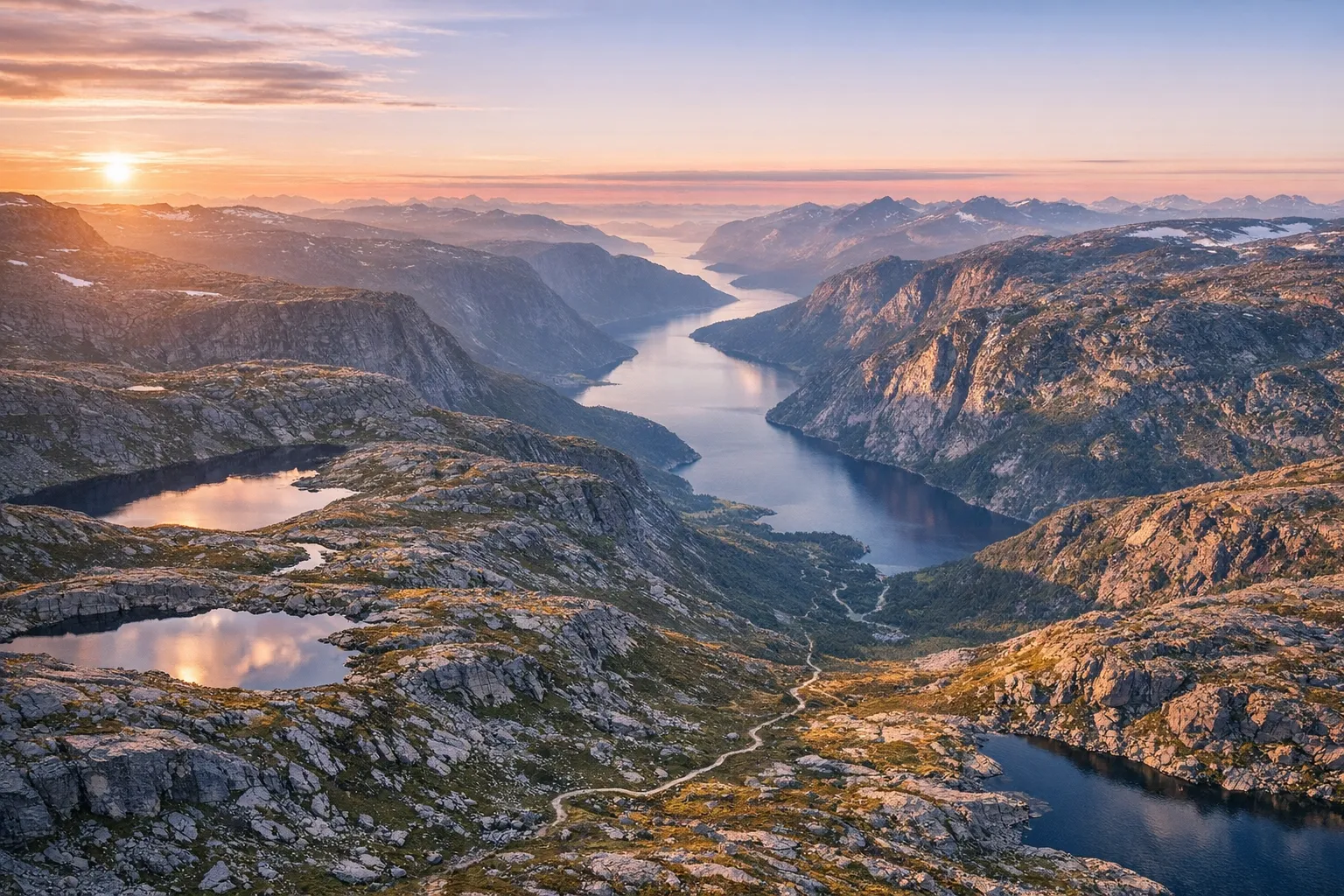
Nature conservation is vital here. Travel Guide Many National Parks ban drones entirely to protect the ecosystem. For example, you cannot fly in Hardangervidda National Park. These bans protect natural silence. Always check a detailed map before you fly. Apps like “Norge i 3D” or Safetofly.no are useful tools. They show restricted areas clearly. Ignorance of park boundaries is not a valid excuse.
Privacy and People
Norway values personal privacy highly. Therefore, you must respect others while flying. Do not fly over people. Specifically, avoid filming private homes or holiday cabins. People go to nature for peace and quiet. A buzzing drone can ruin that experience instantly.
Data Protection Laws
Furthermore, General Data Protection Regulation (GDPR) rules apply here. If you can identify faces in your footage, strict privacy laws kick in. Thus, keep a safe distance from bystanders. Fly high enough to blur individual features. If someone asks you to stop, land immediately. Being polite prevents conflict. Always prioritize the comfort of others over your footage.
Protecting Norwegian Wildlife
Understanding Wildlife Sensitivity
Norway’s rugged wilderness appears invincible. However, the local fauna is surprisingly vulnerable. Many species exist on a biological knife-edge. Consequently, any disturbance can be fatal. For example, fleeing from a drone burns vital energy reserves. This is especially true during harsh winters. Therefore, pilots must exercise extreme caution.
Reindeer herds are particularly sensitive to buzzing noises. A single drone can panic hundreds of animals instantly. As a result, pregnant females may miscarry due to stress. Furthermore, marine life requires strict protection. Whales and seals often rest near the surface. Unfortunately, low-flying drones can disrupt their natural behaviors. Thus, always maintain a respectful altitude.
The Risk of Aerial Attacks
Birds of prey pose a unique challenge for drone operators. Norway boasts a high population of White-tailed Eagles. To these powerful raptors, your device looks like a rival. Consequently, they may launch aggressive mid-air strikes. This endangers the bird and destroys your equipment. Moreover, nesting season requires absolute avoidance.
You must recognize the signs of agitation. Birds will often circle or vocalize before attacking. If you see this behavior, land immediately. Additionally, avoid cliffs during spring and early summer. These areas usually host fragile seabird colonies. Disturbance here can cause eggs to fall. Therefore, give cliffs a wide berth.
Best Practices for Ethical Flying
Responsible filming ensures nature remains pristine. In fact, ethical flying often yields better footage. Follow these essential rules:
- Use the zoom: Capture close-ups without getting physically close.
- Monitor behavior: If an animal changes its behavior, you are too close.
- Plan ahead: Check maps for protected nature reserves.
- Silence is golden: Use low-noise propellers whenever possible.
Ultimately, the shot is never worth the risk. Norway’s beauty relies on its wild inhabitants. By flying responsibly, you help preserve this ecosystem. In summary, be a guest, not a pest.
Reindeer and Livestock
Understanding Reindeer Psychology
Reindeer are incredibly sensitive creatures with strong survival instincts. In the wild, their safety depends entirely on constant vigilance. Unfortunately, drones trigger their flight response almost immediately. To a reindeer, your device sounds like a predator. Specifically, the high-pitched buzzing mimics the sound of parasitic botflies. These insects are a major source of stress for the herds. Consequently, even a small drone can cause widespread panic.
This panic has severe physical consequences. Frightened herds burn vital energy reserves while running. This is particularly dangerous during winter or calving season. Furthermore, young calves can easily become separated from their mothers. If a herd scatters, the Sami herders face a difficult task. They must spend days gathering the animals again. Therefore, disrupting them is disrespectful to local livelihoods.
Risks to Livestock and Farming Relations
Sheep farming is also central to Norwegian culture. During summer, thousands of sheep roam freely across the mountains. However, these animals are not accustomed to modern technology. A hovering drone often interprets as an impending eagle attack. Therefore, the sheep may run blindly to escape the noise. In Norway’s steep, rocky terrain, this is incredibly dangerous.
Panicked animals frequently suffer from serious injuries. For example, they may fall off cliffs or break their legs. As a result, farmers are justifiably hostile toward irresponsible pilots. Disturbing livestock can lead to hefty fines or legal action. Moreover, it damages the reputation of the drone community. You must always scan the area before launching. If you see white dots on the hills, stay grounded.
Essential Flight Guidelines for Wildlife
You must adopt strict ethical standards while filming in Norway. Animal welfare is always more important than social media likes. To ensure safety, follow these specific rules:
- Observe from a distance: Use your camera’s zoom function rather than flying closer.
- Monitor behavior: If heads turn toward your drone, you are too close.
- Stop immediately: Land the drone instantly if animals seem agitated.
- Launch cautiously: Check your surroundings thoroughly before taking off.
Additionally, never fly directly over a herd to get a “top-down” shot. The noise footprint is much larger than you might think. Instead, keep a significant buffer zone at all times. If you encounter wildlife unexpectedly, fly in the opposite direction immediately. Ultimately, respecting nature preserves Norway’s beauty for everyone.
Battling the Elements
Norwegian weather is unpredictable. It changes rapidly throughout the day. One moment is sunny; the next is stormy. You must prepare for sudden shifts.
Cold and Batteries
Battery Management in Freezing Conditions
Cold weather is one of the biggest challenges for drone pilots in Norway. Lithium polymer batteries lose their chemical efficiency rapidly when exposed to freezing temperatures. In fact, you can experience up to 50% reduced flight time in sub-zero conditions. This dramatic power loss often catches inexperienced pilots off guard.
The chemistry inside your battery slows down considerably below 15°C (59°F). Consequently, the internal resistance increases significantly. This means your battery cannot deliver power as effectively. Moreover, the voltage drops faster than usual during flight. What normally gives you 25 minutes of airtime might only provide 12-15 minutes in Norwegian winter conditions.
Pre-Flight Battery Warming Strategies
Always warm your batteries before takeoff. Store them inside your jacket or coat pockets against your body. Additionally, use chemical hand warmers wrapped around the batteries in their storage case. This simple technique can maintain optimal battery temperature. Furthermore, some pilots invest in specialized battery warming bags or heated cases.
Never insert a cold battery directly into your drone. Instead, warm it for at least 15-20 minutes beforehand. The ideal operating temperature ranges between 20-40°C (68-104°F). Therefore, touch-test your batteries before installation. They should feel comfortably warm to your hand.
In-Flight Monitoring Techniques
Voltage monitoring becomes critical in Norwegian cold. However, don’t trust the percentage indicator alone. Watch the actual voltage readings displayed in your controller app. When individual cells drop below 3.5 volts, land immediately. This happens much faster in freezing conditions.
Set conservative return-to-home thresholds. For example, if you normally return at 30% battery, change this to 50% in winter. Additionally, enable low-voltage warnings at higher levels. Most apps allow custom alert settings. Use them wisely to protect your equipment.
Emergency Landing Protocols
Plan your landing zone before takeoff. Identify multiple safe spots within close range. Consequently, you’ll have options if battery failure occurs suddenly. Never fly beyond visual line of sight in cold weather. The risk simply isn’t worth the shot.
Wind Conditions
Strong winds are common in the fjords. The geography creates powerful wind tunnels. A calm valley might have strong gusts higher up. Thus, check wind speeds at different altitudes. Do not push your drone’s limits. Losing a drone in a fjord usually means it is gone forever. The water is deep and cold.
Capturing the Best Footage
Understanding Norway’s Extreme Light Conditions
Norway’s position within the Arctic Circle creates extraordinary lighting phenomena that dramatically affect drone photography. During summer months, particularly from May through July, the sun barely sets in northern regions. Consequently, photographers enjoy nearly 24 hours of usable light. This phenomenon, known as the Midnight Sun, bathes landscapes in warm, golden tones for extended periods. Furthermore, you can shoot continuously without worrying about losing daylight.
The extended golden hours offer unprecedented creative opportunities. For example, you can capture the same fjord at different times while maintaining soft, flattering light. Additionally, the low sun angle creates long shadows that add depth to your aerial compositions. Therefore, summer becomes ideal for capturing Norway’s dramatic coastlines and mountain ranges.
Winter’s Challenging Yet Rewarding Light
In contrast, winter presents entirely different conditions that require careful planning. From November through January, northern Norway experiences polar nights with minimal daylight. However, this limited light creates magical blue hours that last for hours. Moreover, the twilight periods produce stunning pastel skies perfect for atmospheric drone footage.
Winter daylight typically spans only 3-6 hours in many regions. Consequently, you must schedule flights precisely around midday for optimal brightness. Meanwhile, the low winter sun creates dramatic side-lighting effects across snow-covered landscapes. As a result, even brief shooting windows can yield spectacular imagery.
Strategic Planning for Seasonal Success
Therefore, successful drone photography in Norway demands seasonal awareness and flexibility. Additionally, consider using ND filters during endless summer days to control exposure. Conversely, winter shoots may require higher ISO settings and wider apertures to compensate for darkness.
Using ND Filters
Understanding Light Reflection in Norwegian Landscapes
Norway’s pristine environment creates unique challenges for drone videographers. The country’s vast snowfields stretch across mountain plateaus. Meanwhile, countless fjords and lakes dot the landscape. These surfaces act as natural mirrors. They bounce sunlight directly into your camera sensor with remarkable intensity.
Overexposure becomes your primary enemy in these conditions. The reflected light overwhelms your camera’s ability to capture detail. Consequently, you lose texture in clouds and snow. Your footage appears washed out and flat. The dramatic contrasts that make Norway stunning disappear entirely.
Why ND Filters Are Essential Equipment
Neutral Density filters solve this critical problem effectively. Think of them as precisely calibrated sunglasses for your drone’s camera. However, they serve purposes beyond simple light reduction. These filters enable you to maintain optimal shutter speed settings.
For cinematic footage, filmmakers follow the 180-degree shutter rule. This means your shutter speed should double your frame rate. For example, shooting at 24fps requires 1/48 second shutter speed. Additionally, shooting at 30fps needs 1/60 second. Without ND filters, bright Norwegian conditions force faster shutter speeds. Therefore, your motion loses its natural, flowing quality.
The Impact on Motion Quality
Proper shutter speed creates natural motion blur between frames. This blur mimics how human eyes perceive movement. Furthermore, it gives footage that smooth, professional quality seen in films. When shutter speeds become too fast, each frame appears razor-sharp. Consequently, movement looks choppy and stuttery.
Moreover, this effect becomes especially noticeable during panning shots. Flying along fjord walls or tracking across glaciers reveals the problem immediately. Your breathtaking Norwegian scenery looks more like a video game. Professional productions avoid this amateur appearance entirely through proper ND filter usage.
Composition Tips
Look for contrast in the landscape. Travel Guide Blue water against grey rocks looks stunning. Use the “rule of thirds” to frame peaks. Experiment with top-down shots over patterns in the ice. These angles reveal textures you cannot see from the ground.
Seasonal Considerations
Mastering the Winter Freeze
Norway transforms dramatically during the winter months. Consequently, drone pilots encounter a stark, frozen landscape that is visually stunning yet technically demanding. The Northern Lights (Aurora Borealis) provide a spectacular subject for aerial photography. However, capturing them requires advanced skill. You must understand long-exposure settings to get clear images in low light.
Additionally, the extreme cold poses a significant threat to hardware. Lithium batteries lose charge rapidly in freezing temperatures. Therefore, you must keep spare batteries warm against your body before use. Furthermore, plastic propellers become brittle in sub-zero conditions. Always inspect your gear carefully before takeoff to prevent mid-air failures.
The Endless Summer Light
In contrast, summer offers a completely different aerial experience. The phenomenon of the Midnight Sun provides nearly 24 hours of daylight. As a result, you have unlimited time to explore and film. The “golden hour” can last for several hours, creating perfect lighting conditions.
Moreover, the snow melts to reveal vibrant green fjords and blue lakes. This allows for high-contrast imagery that isn’t possible in winter. However, this season also brings larger crowds to popular spots. Consequently, you must fly early or late to avoid disturbing tourists. Also, be mindful of local wildlife. Many birds nest during this time, so maintaining a safe distance is crucial.
Essential Seasonal Gear Tips
To succeed in Norway’s variable climate, you need the right equipment. Specifically, your gear bag should adapt to the current season.
Consider these essential adjustments:
- ND Filters: Summer sun is intense. Therefore, use strong ND filters (ND16 or ND32) to maintain cinematic shutter speeds.
- Battery Warmers: These are vital for winter flying. They ensure your power source remains reliable.
- Landing Pads: Snow and tall summer grass can damage gimbal motors. Thus, a portable landing pad is mandatory.
- Touchscreen Gloves: Your hands will freeze quickly in winter. Consequently, specialized gloves allow you to control the app without exposing skin.
Finally, always check the weather forecast immediately before flying. Conditions in Norway change rapidly, regardless of the season.
Summer Flying
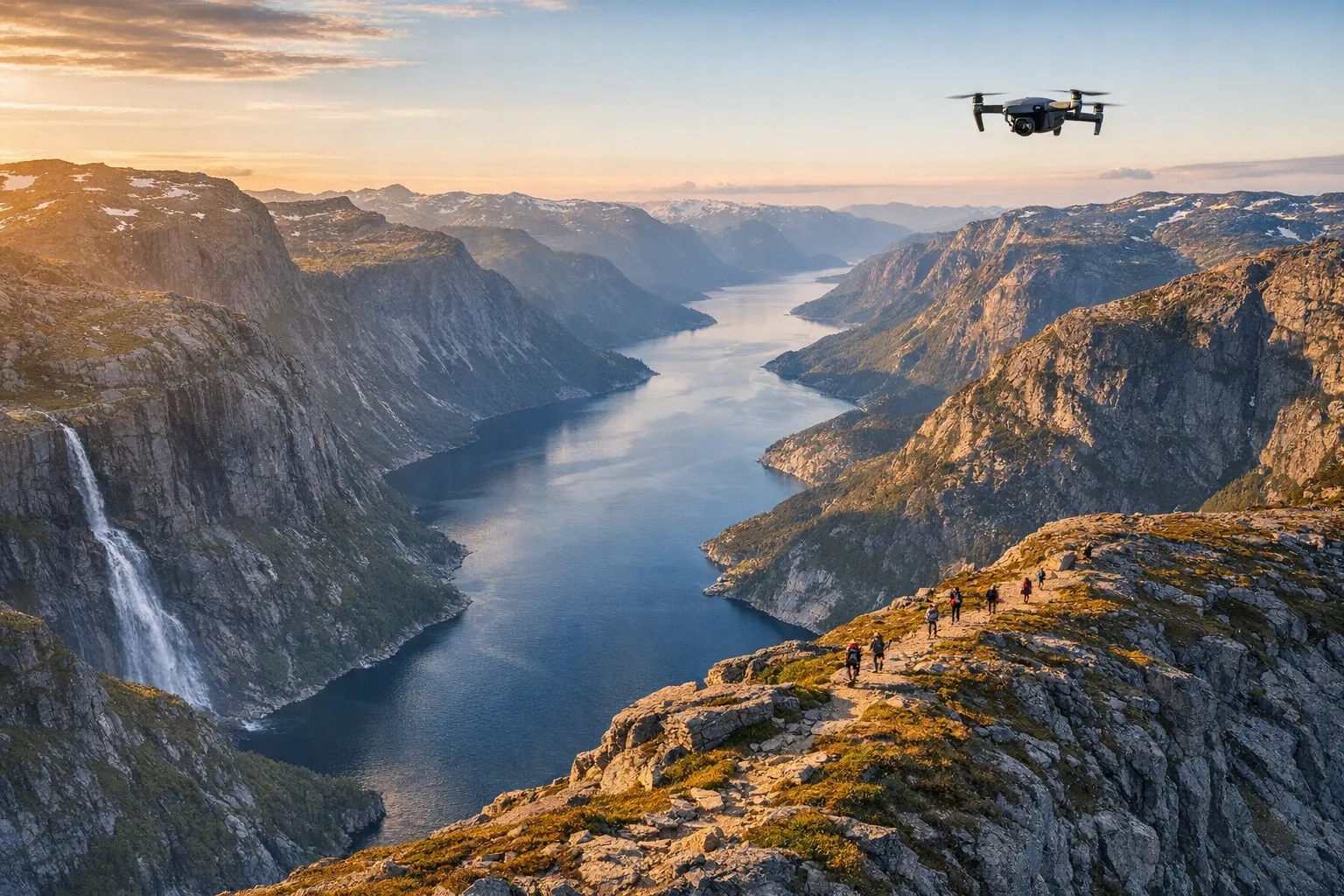
Summer brings large crowds. Famous spots like Trolltunga get very busy. You cannot fly over these crowds safely. Thus, wake up early. Fly at 5 AM when tourists are sleeping. You get better light and fewer people. This ensures you follow regulations regarding crowds.
Winter Flying
Battling the Cold: Protecting Your Hands
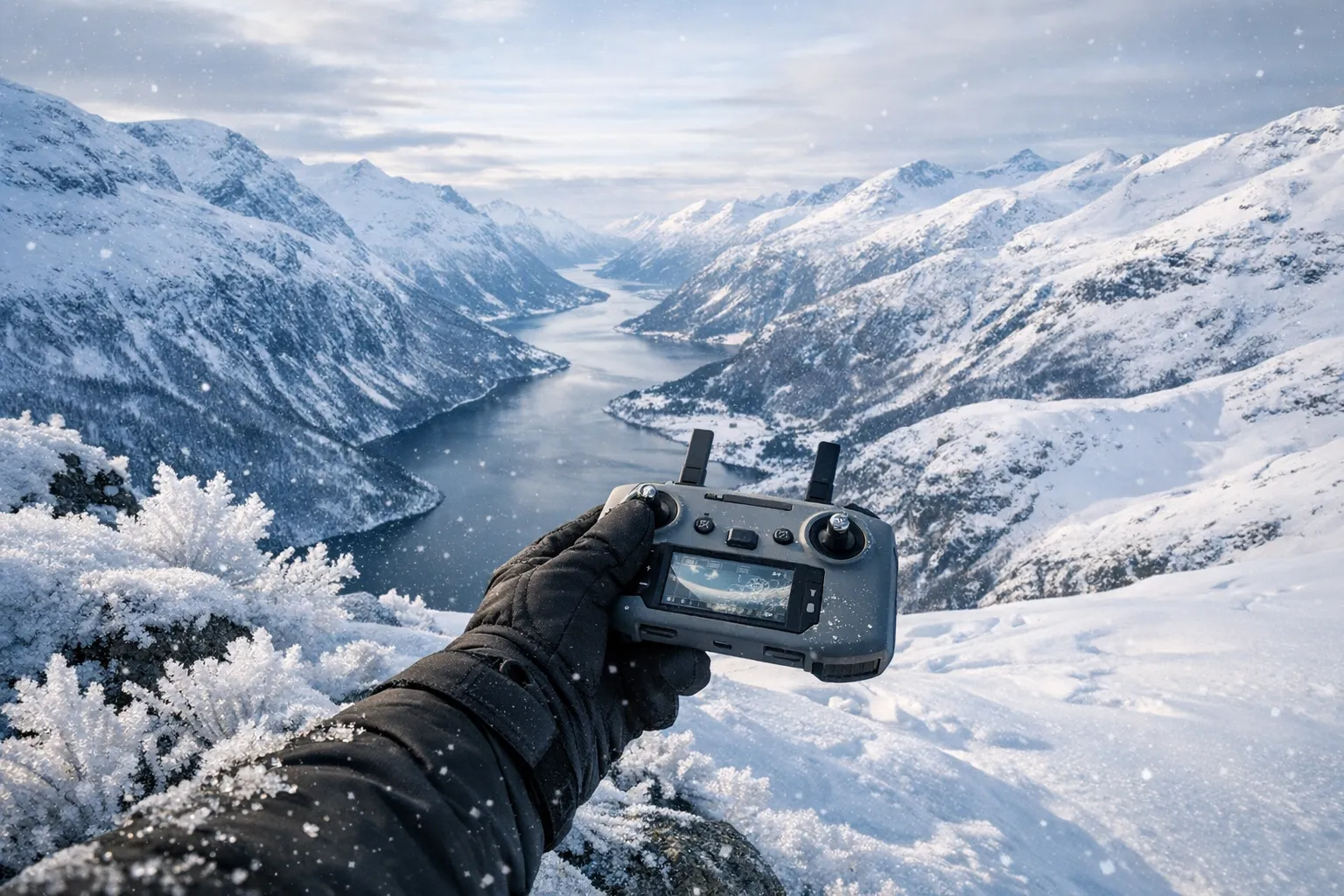
Norway’s winter landscape transforms into a pristine wonderland for drone photography. However, the extreme cold presents serious challenges for pilots. Your hands are your primary control interface. When temperatures plummet below freezing, manual dexterity disappears rapidly. Numb fingers struggle to execute precise movements on controller sticks. This loss of control can lead to dangerous flight errors.
Touch-sensitive gloves designed for electronics are essential winter gear. These specialized gloves feature conductive fingertips that work with smartphone screens and controller interfaces. Furthermore, they provide crucial insulation while maintaining tactile feedback. Look for gloves rated for sub-zero temperatures with reinforced fingertips. Additionally, consider keeping hand warmers in your pockets between flights. Your ability to pilot safely depends entirely on maintaining finger mobility.
The Hidden Danger of Propeller Icing
Winter flying introduces a critical hazard that many pilots overlook. Propeller icing occurs when airborne moisture freezes onto spinning blades. In Norway’s humid coastal regions, this happens alarmingly fast. Consequently, ice accumulation disrupts the aerodynamic profile of each propeller. The additional weight creates imbalance across the rotor system.
Meanwhile, the altered blade shape dramatically reduces lift capacity. Your drone will struggle to maintain altitude. Moreover, the flight controller compensates by increasing motor speed, draining battery power rapidly. Ice buildup of just a few millimeters can trigger catastrophic failure.
Recognizing and Responding to Ice Formation
Visual inspection during flight is crucial for winter operations. Watch your drone carefully for behavioral changes. For example, unusual tilting or difficulty hovering indicates potential icing. Therefore, conduct frequent visual checks of the propellers themselves. Ice appears as white or translucent buildup along blade edges.
Land immediately upon detecting any ice formation. Do not attempt to continue your flight. Additionally, avoid aggressive maneuvers that might destabilize the aircraft further. Descend slowly and steadily to your landing zone. As a result of prompt action, you can prevent a costly crash and potential equipment loss in Norway’s remote terrain.
Conclusion
Norway is a drone photographer’s dream destination. However, it demands respect and responsibility. Follow the rules diligently. Register your drone and buy insurance. Respect privacy and nature. By doing so, you ensure these landscapes remain open for everyone. Enjoy your flight and capture amazing memories.
What I Recommend
When you’re chasing those fjord shots in Norway, a reliable camera with excellent stabilization makes all the difference between “nice memory” and “jaw-dropping keepsake.” The right gear handles wind and movement so you can focus on composition rather than fighting technical issues in challenging Nordic conditions.
I learned the hard way that drone cameras with 4K capability let you capture those massive landscape details that make Norway’s mountains actually feel majestic when you’re editing footage back home. The difference between standard and 4K becomes painfully obvious when you’re trying to zoom in on a waterfall or glacier.
Before I started using drone label sets, I nearly lost two drones in Norway’s windy conditions and couldn’t identify which one was mine in a crowded area. Now I label everything—it’s a simple habit that’s saved me more than once when traveling internationally.
Honestly? Drone liability insurance isn’t optional for flying in Norway—it’s legally smart and ethically necessary when you’re operating expensive equipment near populated areas and protected landscapes. I never fly without it, especially in countries with strict regulations.
Those 8-piece filter sets transformed my ability to control light and exposure when shooting in Norway’s intense summer brightness and moody overcast days. Different filters for different conditions mean you’re never stuck with mediocre footage because of harsh glare.
I’ve gone through several drone bags while traveling, but a good protective carrying case is non-negotiable when you’re hiking to remote Norwegian locations and dealing with weather changes. Your drone deserves better than being stuffed in a backpack with your lunch.
The STARTRC drone landing pad might seem like overkill until you’re trying to land on rocky terrain or mossy ground in the backcountry—then it becomes your best friend for quick, safe takeoffs and landings.
Extra batteries (3.7V) are absolutely essential for drone travel in Norway, where weather changes fast and you want to maximize flying time during those rare clear windows. I always pack at least three fully charged batteries.
For the security and organization piece, a dedicated drone case keeps your equipment protected during flights between locations and gives you peace of mind in airport security lines.
If you want on-the-ground guidance alongside your drone footage, Rick Steves’ Norway guide remains one of the most practical resources for understanding where to fly, what’s protected, and how to respectfully capture the landscapes locals actually care about.
*As an Amazon Associate, I earn from qualifying purchases.