
Discover Jordan Beyond the Tourist Trail
I never took a gap year. I went straight from high school to college to a career, doing every sensible thing in the right order — and somewhere around 32 I realized I’d been meaning to see the world since I was 17. Jordan was the first place I booked on impulse, half-expecting the usual crowded tour buses and highlight reel itineraries, and instead I stumbled into hidden canyons, slept under a sky full of desert stars, and hiked ancient paths that felt like they’d been waiting there just for me. This guide is everything I wish I’d known before I went — the insider routes, the local secrets, and the small decisions that turned a standard trip into something I’m still thinking about years later.
1,500 Candles, Zero Phone Signal, and One Very Dramatic Stumble Through the Siq
Our guide, Khalid, had one rule before we entered the Siq at dusk: no flashlights, no phone screens, walk slowly, and trust the candles. What he failed to mention was that “trust the candles” becomes a significantly harder ask when you’re shuffling through a narrow sandstone canyon in near-total darkness and your depth perception is, let’s say, aspirational. About halfway through, with the towering rock walls pressing in on both sides and the smell of cool desert stone hanging in the air, I caught my foot on an uneven paver and lurched forward with the grace of a newborn giraffe. Full stumble. Arms out. Khalid caught me by the elbow without missing a beat, and — I swear — whispered “happens every night” in the most reassuring deadpan I’ve ever heard. The couple behind me stifled a laugh. I joined them. It broke the reverence just long enough to make the whole thing feel human.
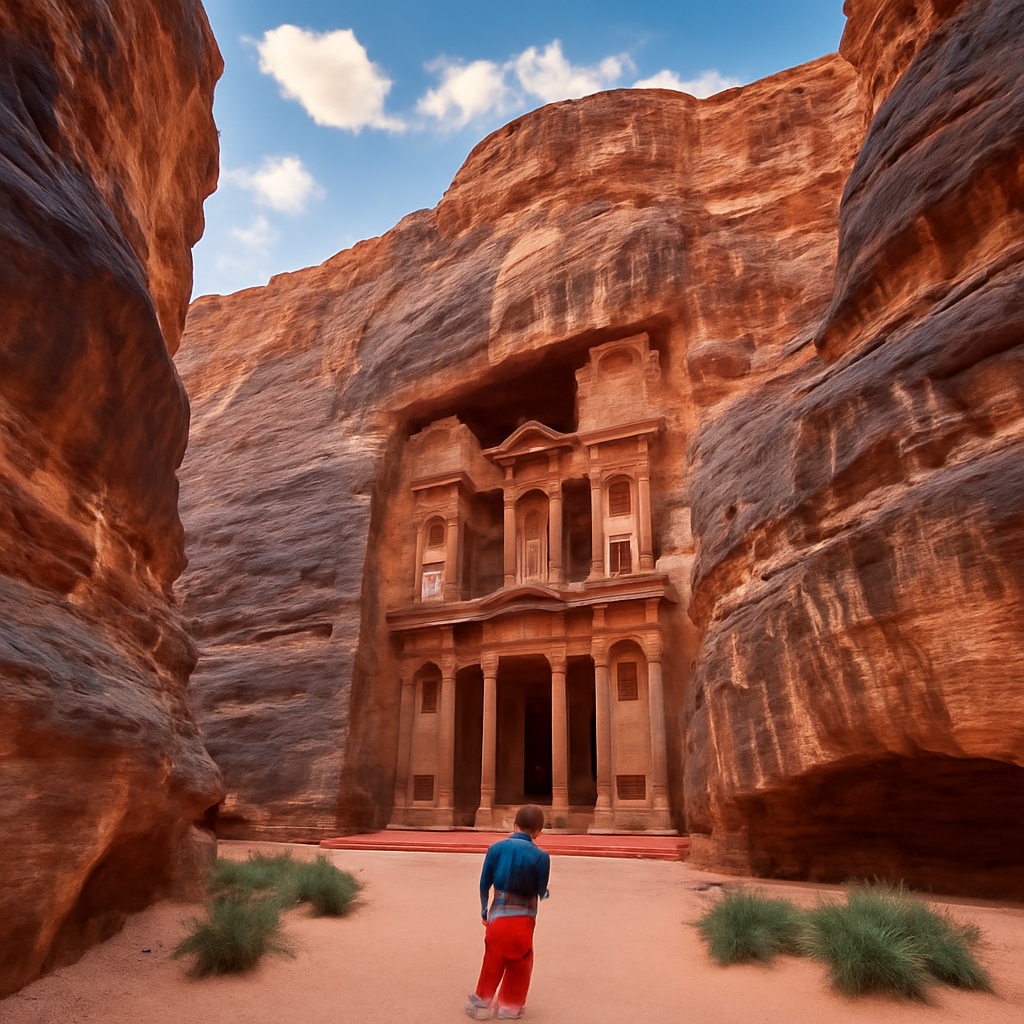
After that, though, the silence settled back in and it was genuinely stunning. Khalid had been sharing facts in quiet murmurs as we walked — that the Nabataeans carved Petra into rose-red sandstone over 2,000 years ago and were so sophisticated they engineered a complete hydraulic system to channel water across the desert. He also mentioned that the Treasury (Al-Khazneh) was never actually a treasury — the Bedouin name came from a legend that an Egyptian pharaoh hid his gold inside the stone urn at the top, which is why you can still see bullet holes in it from locals who tried to shoot it open. Then we rounded the final bend of the Siq and the Treasury appeared — framed in darkness, flickering with 1,500 candles arranged across the sand in rows. A Bedouin man sat to one side playing the rababa, a two-stringed instrument that sounded like it was pulled straight out of the desert itself. Nobody spoke. You could feel the cold night air on your face and hear absolutely nothing except that single haunting string. It was the kind of moment that makes you feel very small in the best possible way.
Petra by Night runs three times a week and books out fast — don’t make the mistake of leaving it as an afterthought. If you want to lock in this experience (or explore other Jordan tours worth your time), go ahead and browse similar Jordan tours on Viator before your trip — your future self, stumbling through the Siq in awe, will thank you.
What I Recommend
Before I set foot in any new country, I grab The Rough Guide to Jordan and actually read it—not just skim it on the plane. This guide cuts through the tourist noise and gives you the real lowdown on everything from Petra’s lesser-known entrances to which local restaurants won’t overcharge you. It’s become my travel bible for the Middle East.
The moment I started exploring Jordan’s backcountry trails, I realized my phone’s GPS wasn’t going to cut it in remote areas. A dedicated GPS navigation system has saved me from more than a few wrong turns in the desert, and the battery lasts way longer than my phone ever could. It’s peace of mind you can actually feel in your pocket.
If you’re planning to tackle the Inca Trail, Wadi Rum, or any serious hiking in Jordan, you need a solid hiking backpack with proper weight distribution. I learned this the hard way after a day trip that turned into an eight-hour adventure—good support actually makes a difference when you’re navigating uneven terrain in the heat.
For those who want a more robust navigation option, the Garmin Drive™ Navigator is my go-to for car rentals and longer road trips through Jordan. It handles offline maps beautifully, which is crucial when you’re driving from Amman to the Dead Sea or exploring roads that don’t always show up on Google Maps.
Drinking water in Jordan is generally safe, but when you’re out hiking in Wadi Rum or remote areas for hours, a water filtration system gives you the confidence to refill from local sources without worrying. I’ve used mine on every adventure trip since 2015, and it’s honestly one of those investments that pays for itself in peace of mind alone.
On my last trek through Jordan, I swore by my hydration bladder—carrying a traditional water bottle just doesn’t cut it when you’re hiking in 95-degree heat and need hands free to balance on rocky terrain. The sipping tube keeps you hydrated without breaking your stride, and you’ll actually drink more water when it’s this convenient.
Do yourself a favor and invest in proper hiking boots before you get to Jordan, not after you arrive and your feet are already protesting. The terrain here is unforgiving—rocky, sandy, and full of surprises—and broken-in boots are the difference between an amazing adventure and a miserable one. I’ve learned this lesson too many times.
A phrasebook for Arabic might seem old-school, but it’s genuinely helped me connect with locals in ways my phone translation app never could. Even just learning a few phrases opens doors—literally and figuratively—and shows respect for the culture you’re visiting.
A solid first aid kit is non-negotiable for any trip where you’re hiking remote terrain or spending time in areas far from immediate medical care. Mine has rescued everything from blistered heels to minor cuts that could’ve gotten infected in the heat, and it weighs almost nothing in your pack.
If you’re planning to camp in Wadi Rum or do any wilderness overnight trips, a quality sleeping bag rated for temperature drops is essential—desert nights get surprisingly cold, and a thin blanket from your accommodation just won’t cut it. I’ve learned to pack one on every desert adventure, and I’ve never regretted it.
Accessing Jordan’s Hidden Corners
Getting to Jordan’s remote destinations requires strategic planning and local knowledge. For example, reaching the Dana Biosphere Reserve’s secluded trails often involves hiring a local guide from Dana village. These guides know shortcuts that GPS systems miss entirely. Additionally, they understand seasonal road conditions that can make routes impassable during winter months.
Furthermore, many travelers rent 4×4 vehicles to access off-road locations like Little Petra’s back entrance. This route bypasses tourist crowds completely. The vehicle rental costs around 40-50 JOD daily but provides invaluable freedom. However, always check your insurance coverage for unpaved roads beforehand.
Transportation Secrets for Remote Areas
Local service taxis offer another practical option for budget-conscious adventurers. These shared vehicles connect smaller towns that buses don’t reach regularly. For instance, service taxis run from Karak to Tafila through stunning mountain passes. The journey costs mere dinars but delivers unforgettable scenery.
Moreover, establishing connections with Bedouin communities opens doors to truly isolated locations. Many families offer transportation services to wadis and desert camps. They charge fair rates while sharing intimate knowledge of the landscape. Consequently, you’ll discover springs and viewpoints that remain completely off tourist maps.
Beyond-the-Guidebook Natural Wonders
Jordan’s undiscovered natural treasures far exceed what mainstream travel resources mention. The Ajloun Forest Reserve, for example, features oak woodlands rarely photographed or promoted. Meanwhile, spring wildflower blooms transform the northern highlands into colorful carpets. These seasonal displays peak during March and April annually.
Additionally, the Mujib Biosphere Reserve offers adventure experiences beyond its famous canyon trail. Lesser-known routes include the Malqi Trail’s challenging scrambles and swimming sections. Therefore, experienced hikers can explore dramatic landscapes without encountering large groups.
Water-Based Hidden Gems
Secret swimming spots exist throughout Jordan’s wadis and nature reserves. Wadi Hidan near Ajloun contains crystal-clear pools surrounded by lush vegetation. Local families picnic here during summer months, creating authentic cultural exchanges. In contrast, most tourists never venture beyond Petra and Wadi Rum.
Furthermore, the Zarqa River wetlands attract birdwatchers seeking rare species sightings. Over 200 bird species migrate through this underappreciated ecosystem annually. Consequently, nature photographers capture stunning images without competing for positions.
Wisdom from Experienced Travelers
Seasoned Jordan explorers emphasize timing strategies that transform ordinary visits into extraordinary adventures. Visiting popular sites during midweek reduces crowds by approximately 60 percent. Moreover, arriving at Petra’s Treasury at dawn provides magical lighting and solitude.
These travelers also recommend homestay experiences in villages like Umm Qais and Dana. Such accommodations cost 15-25 JOD nightly while offering genuine hospitality. As a result, you’ll enjoy home-cooked meals and personal stories that hotels cannot provide.
Practical Advice from Veteran Visitors
Experienced travelers suggest downloading offline maps before venturing into remote areas. Cell coverage becomes unreliable outside major cities and highways. Additionally, carrying extra water supplies proves essential in desert environments. The recommended amount is three liters per person daily.
Furthermore, learning basic Arabic phrases significantly enhances interactions with rural communities. Simple greetings and thank-yous create immediate rapport and trust. Therefore, locals become more willing to share their favorite hidden locations. These personal recommendations consistently lead to the most memorable Jordan experiences.
Planning Your Off-the-Beaten-Path Journey
Essential Vehicle Selection for Desert Adventures
Choosing the right vehicle makes all the difference in Jordan’s rugged terrain. Four-wheel drive vehicles are absolutely necessary for desert exploration. Furthermore, manual transmission options often cost less than automatic models. The suspension system should handle rocky wadis and sandy expanses. Therefore, inspect the vehicle thoroughly before signing rental agreements.
Local rental companies in Amman and Aqaba offer competitive advantages. Family-owned agencies typically charge 30-40% less than international brands. Moreover, they understand the specific demands of Jordanian desert conditions. These operators maintain their fleets specifically for off-road challenges. As a result, their vehicles often include essential modifications like reinforced undercarriages.
Building Relationships with Local Rental Operators
Establishing rapport with rental staff provides unexpected benefits beyond transportation. Consequently, many owners share insider knowledge about seasonal weather patterns. They’ll warn you about flash flood risks in narrow canyons. Additionally, they recommend optimal times for visiting remote archaeological sites. Some agencies even provide hand-drawn maps marking hidden Bedouin camps.
Personal connections matter in Jordan’s rental business. For example, returning customers often receive upgraded vehicles at standard rates. Meanwhile, operators might include complimentary camping equipment or GPS devices. These relationships transform a simple transaction into valuable travel partnerships.
Pre-Departure Vehicle Inspection Checklist
Never skip the detailed inspection process before departing. Check the following items systematically:
- Tire condition and tread depth across all five wheels
- Spare tire inflation and jack functionality
- Engine oil levels and coolant reserves
- Brake responsiveness on test drives
- Air conditioning performance for desert heat
- Emergency toolkit including jumper cables
Document existing scratches or dents with timestamped photographs. However, most local operators appreciate this thoroughness rather than viewing it suspiciously. Therefore, this practice protects both parties from misunderstandings upon return.
Book accommodations in advance during peak season (March-May and September-November). However, leave flexibility in your schedule for spontaneous discoveries. Many of Jordan’s best experiences happen when you follow local recommendations. Pack layers for temperature variations between day and night.
Essential Gear and Preparations
Master Your Footwear Strategy
Jordan’s diverse landscapes require much more than casual sneakers. Petra alone involves walking several miles daily over uneven ancient stones. Therefore, investing in high-quality hiking boots is non-negotiable for comfort. Specifically, look for Vibram soles that grip slippery sandstone effectively. You will likely encounter loose gravel in the Dana Biosphere Reserve. Consequently, high-cut boots prevent rolled ankles on these unpredictable trails. Moreover, ensure you break them in weeks before your departure. New boots often cause painful blisters that could ruin your adventure.
Also, consider the unique desert environment of Wadi Rum. Here, fine red sand enters every crevice of low-cut shoes. Thus, higher boots keep the irritating grit out significantly better. Pair your footwear with merino wool socks. These regulate temperature and wick away sweat efficiently. Unlike cotton, they prevent friction and keep feet dry. Finally, pack blister plasters in your day bag. Even seasoned hikers suffer from foot fatigue on these rugged paths.
Smart Hydration Tactics
The Jordanian sun is intense, especially between May and September. As a result, dehydration poses a serious health risk to travelers. You must drink far more water than you normally would at home. However, buying plastic bottles constantly is expensive and harmful to the local environment. A large, insulated bottle keeps water cool for hours. This is a game-changer during long treks in the exposed heat.
Furthermore, water sources in remote areas may not be potable. While hotels usually offer filtered water, hiking trails often lack safe refill stations. Therefore, packing a personal purification system is a brilliant travel secret. Consider these reliable options:
- Purification Tablets: Lightweight and effective against most bacteria.
- UV Light Pens: Sterilize water quickly without altering the taste.
- Filter Bottles: Allow you to drink directly from streams or taps safely.
Additionally, bring electrolyte powder packets to replenish lost salts. Plain water isn’t always enough after sweating profusely on the trail to the Monastery.
Download offline maps before leaving major cities. Cell service becomes spotty in remote areas. Consider hiring local guides for challenging hikes. They know the safest routes and share fascinating historical context.
The Secret Back Route to Petra’s Monastery
Most tourists climb the 800 steps to Ad-Deir Monastery from Petra’s main trail. Instead, approach from the village of Al-Beidha. This alternative route takes about three hours but rewards you with stunning views and zero crowds.
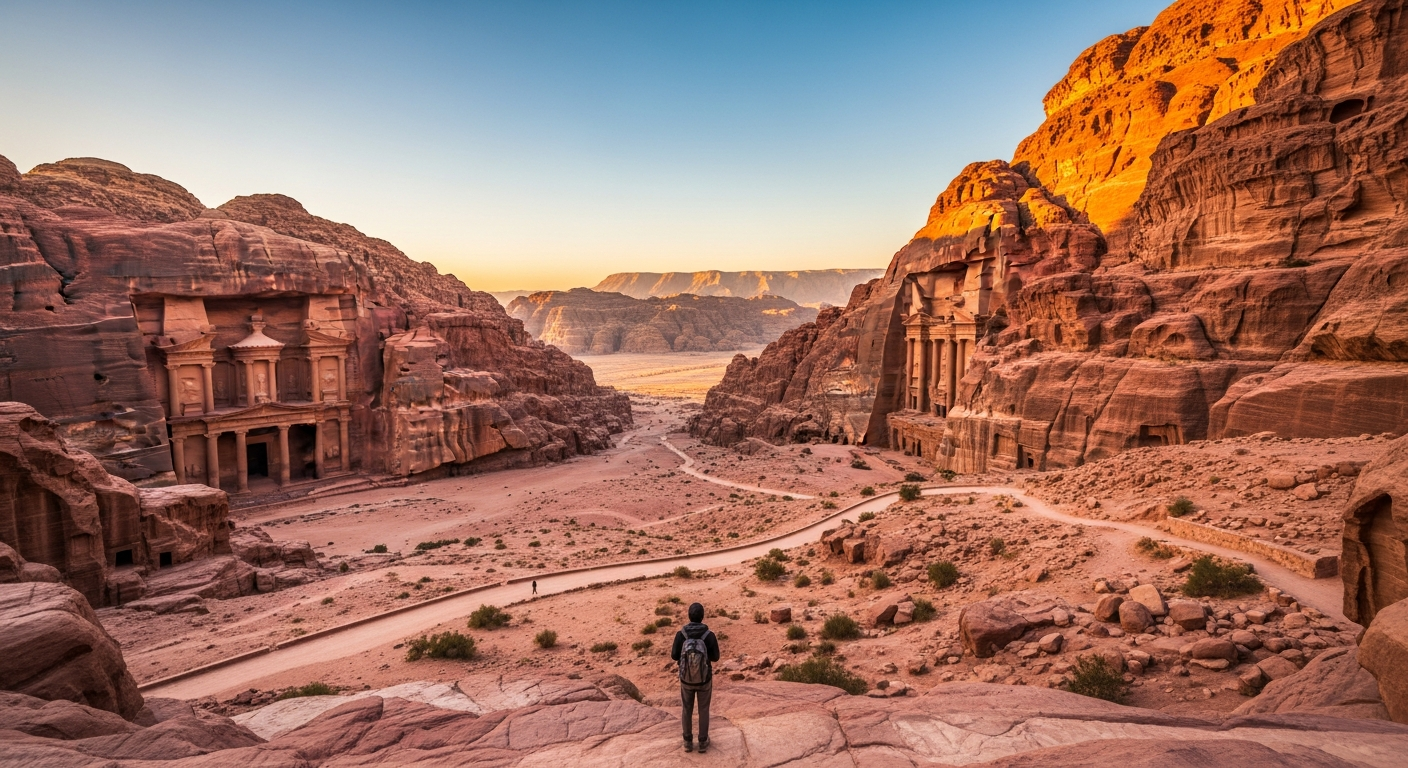
Start early in the morning to avoid midday heat. The trail winds through dramatic rock formations and ancient Nabatean ruins. Local Bedouin families sometimes offer tea along the way. Accept their hospitality and learn about their connection to this landscape.
A Rare Bird’s-Eye View of the Monastery
The traditional approach to Ad-Deir requires climbing over 800 carved stone steps. However, this alternative route flips the script entirely. Instead, you’ll emerge at the summit viewpoint overlooking the Monastery’s massive facade. This elevated position provides breathtaking panoramic perspectives that most tourists never witness. The 45-meter-high structure appears even more impressive from above. Furthermore, the surrounding sandstone cliffs create a dramatic amphitheater effect in your photographs.
Professional photographers particularly value this vantage point during golden hour. The afternoon sun illuminates the rose-red stone with extraordinary intensity. Meanwhile, the crowds gathered at ground level remain invisible in your shots. You’ll capture images that look distinctly different from standard travel photography. Additionally, the elevated platform allows for creative compositions incorporating the vast desert landscape beyond.
The Descent Advantage
After exploring the upper viewpoint, you can begin your descent. The pathway connects directly to Petra’s central monuments through ancient Nabataean trails. Consequently, you’ll experience the archaeological site in reverse chronological order. This approach means encountering fewer tourists at major landmarks like the Treasury. Moreover, descending rather than climbing conserves your energy for exploration.
The route takes approximately 90 minutes at a comfortable pace. Therefore, plan your timing to avoid midday heat exposure. Local Bedouin guides often wait at the summit to assist visitors. For example, they can point out hidden inscriptions and lesser-known carved facades along the descent.
Timing Your Visit Perfectly
Arrive at the trailhead by 6:30 AM for the best experience. Early morning light creates magical shadows across the sandstone cliffs. Plus, you’ll have the Monastery nearly to yourself for at least an hour.
Bring snacks and plenty of water for this hike. No vendors operate along the back route. Wear sun protection and comfortable clothing that covers your shoulders and knees.
Feynan Ecolodge: Sleeping Under the Stars
Feynan Ecolodge sits in the Dana Biosphere Reserve, Jordan’s largest nature reserve. This solar-powered retreat operates entirely by candlelight after sunset. You’ll disconnect from technology and reconnect with nature in profound ways.
Immersive Bedouin Culture
Staying here offers a deep dive into local culture. The staff members belong to the resident Bedouin tribes. Consequently, they possess an intimate understanding of this harsh landscape. They teach guests how to read subtle tracks in the sand. Additionally, you might learn the medicinal uses of desert plants. These are secrets usually reserved for those born in the wilderness. Therefore, a simple conversation becomes a profound cultural exchange. You leave with more than just photos; you gain wisdom.
Nocturnal Wonders
The experience changes dramatically once the sun goes down. For example, the guided night walks are a highlight for many. Guides hand out ultraviolet flashlights to keen adventurers. Then, you scan the ground for the elusive “desert glowing scorpions.” These creatures shine a bright, neon yellow under the UV beam. However, the ground isn’t the only attraction.
Meanwhile, the sky above offers a breathtaking spectacle. The lodge is located far from urban light pollution. As a result, the cosmos appears with startling clarity. You can easily trace the Milky Way with the naked eye. Furthermore, guides explain how Bedouins used stars for navigation. They share ancient folklore related to the constellations.
Authentic Local Cuisine
The culinary approach focuses on sustainability and tradition. Notably, the kitchen operates on a strict farm-to-table philosophy. Ingredients are sourced directly from the neighboring communities. Thus, the food supports the local economy while ensuring freshness. You will taste the difference in every bite.
Moreover, the menu proves that meat isn’t necessary for flavor. The vegetarian spread highlights the region’s agricultural heritage:
- Fresh Bread: Baked daily using traditional methods like shrak.
- Mezze Platters: Featuring creamy hummus and smoky baba ghanoush.
- Hot Stews: Rich tomato bases with distinct local spices.
In conclusion, these meals are a celebration of simplicity. Even carnivores rarely miss meat during their stay here.
Book at least two nights to fully appreciate the area. Day trips from Feynan include copper mine explorations and wadi hikes. Consequently, you’ll experience both cultural heritage and natural wonders.
Activities Around Feynan
Guided nature walks depart twice daily from the lodge. Spring visitors witness incredible wildflower blooms across the desert floor. Birdwatchers can spot over 200 species in the reserve.
The lodge offers traditional bread-making workshops with Bedouin women. You’ll learn ancient techniques passed down through generations. These interactive experiences provide authentic cultural connections that typical hotels cannot match.
Canyoning Adventure in Wadi Mujib
Wadi Mujib offers Jordan’s most thrilling water adventure. This canyon system flows into the Dead Sea at the lowest point on Earth. The Siq Trail requires swimming, climbing, and rappelling through narrow gorges.
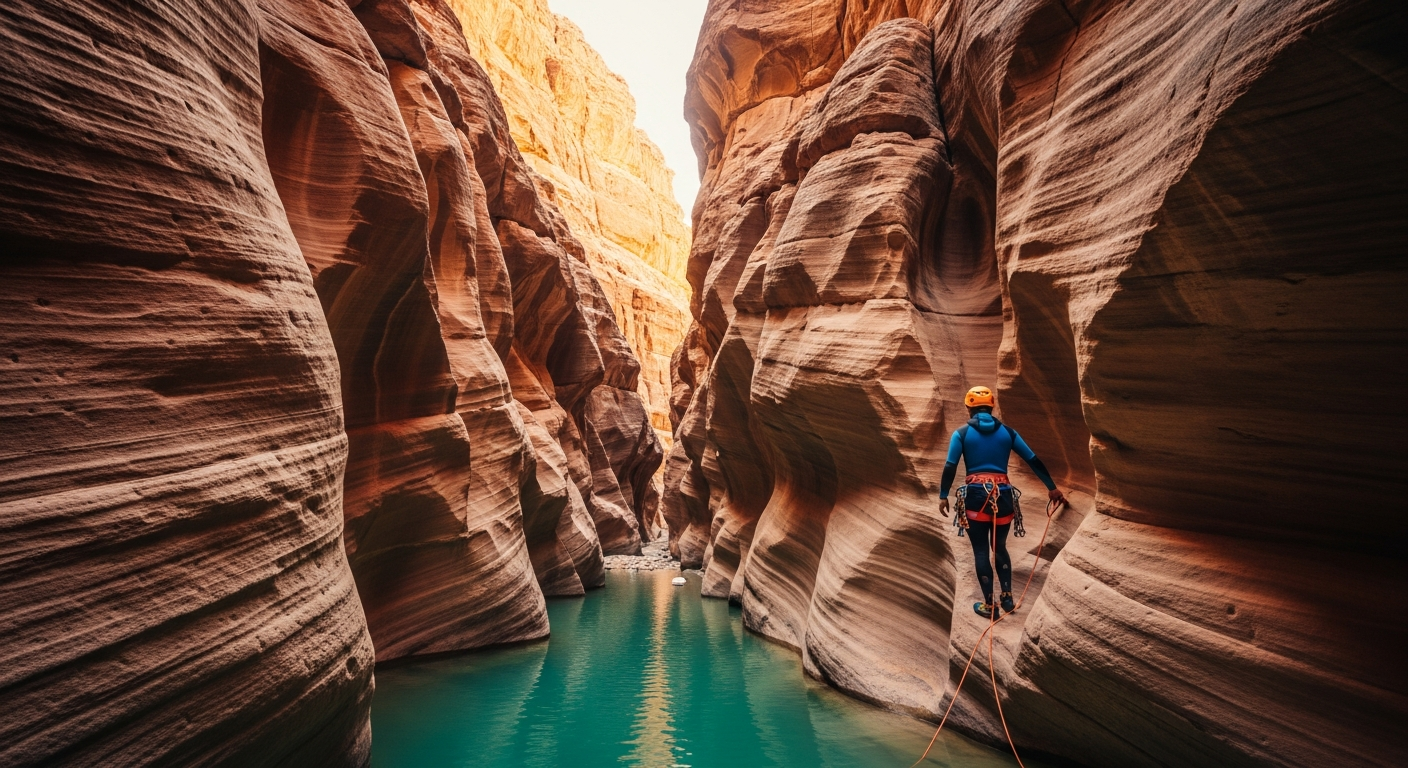
The trail opens from April through October when water levels permit safe passage. You’ll wade through chest-deep pools and scramble over boulders. Waterproof bags protect your belongings from splashes. Therefore, bring minimal gear and secure everything properly.
Guides lead all canyoning trips for safety reasons. They know the canyon’s moods and adjust routes based on conditions. Trust their expertise and follow instructions carefully. The adventure takes approximately four hours from start to finish.
What to Expect on the Trail
You’ll get completely soaked within the first ten minutes. Wear quick-dry clothing and secure water shoes with good grip. Leave cotton fabrics at your accommodation because they stay wet and uncomfortable.
Experiencing the Canyon’s Magnificent Scale
The sheer vertical walls of Wadi Mujib rise dramatically from the canyon floor. In certain sections, these towering rock formations stretch upward for 100 meters or more. Moreover, the narrow passages amplify the sensation of being dwarfed by nature’s architecture. Standing at the base feels like entering a natural cathedral carved over millennia. The compressed space between walls creates an intimate yet overwhelming atmosphere. Furthermore, echo effects bounce off the surfaces, adding an auditory dimension to your journey.
The Dance of Light and Shadow
Natural sunlight performs a spectacular show throughout the day on these ancient surfaces. Direct beams penetrate the narrow openings above, creating dramatic spotlights on specific rock features. Additionally, the sun’s changing position transforms the color palette from golden amber to deep crimson. Early morning light produces softer, cooler tones across the sandstone. By midday, however, intense rays reveal vibrant oranges and reds hidden in the mineral composition. The interplay between illuminated sections and shadowed recesses adds depth and mystery.
Photography Tips for Water Adventures
An underwater camera becomes essential equipment for this unique environment. Traditional cameras cannot withstand the combination of splashing, submersion, and humidity. Therefore, invest in a quality waterproof housing or action camera before your visit. These devices capture perspectives impossible to achieve with standard equipment. For example, shoot upward from beneath the water’s surface toward the canyon rim. This angle showcases both the aquatic environment and towering walls simultaneously.
Consider these photography approaches:
- Low-angle shots from water level emphasize the canyon’s imposing height
- Capture fellow adventurers navigating obstacles for scale reference
- Film short video clips of waterfall descents and rope sections
- Photograph reflections on calm pool surfaces during rest breaks
- Document the contrast between smooth water-worn rocks and rough dry surfaces
The Art of Mindful Presence
Despite photographic opportunities, resist the urge to experience everything through a viewfinder. Constant documentation creates a barrier between you and genuine engagement. Instead, designate specific moments for photography and others for pure immersion. Feel the cool water temperature against your skin without reaching for equipment. Listen to the rush of waterfalls without thinking about audio recording quality. Notice how your muscles work to navigate challenging sections.
Furthermore, memories formed through direct sensory experience often prove more lasting than digital files. The physical sensation of climbing slippery rocks stays with you longer than reviewing footage later. Additionally, being present allows you to respond safely to changing conditions and guide companions. Your attention remains focused on footing, water depth, and weather changes rather than camera settings.
Lesser-Known Wadis Worth Exploring
Wadi Numeira offers a quieter alternative to popular Wadi Mujib. This canyon features pools, waterfalls, and fewer crowds. Local guides from nearby villages lead small group tours. The hike takes about three hours and suits moderate fitness levels.
Deep within Jordan’s rugged landscape lies the spectacular Wadi Ibn Hammad. This hidden gem is often overlooked by typical tourists. Consequently, it remains a peaceful sanctuary for nature lovers. The ravine is famous for its vibrant hanging gardens and distinct geology. Specifically, the canyon walls display a kaleidoscope of mineral colors ranging from red to gold.
The hike itself offers a thrilling yet accessible adventure. You will navigate through warm, shallow streams throughout the journey. However, be prepared for some moderate physical exertion. The trail involves scrambling over slippery rocks and fallen palm trunks. Therefore, sturdy water shoes with good grip are absolutely essential for safety.
Timing Your Visit for Maximum Beauty
Timing is everything when planning this specific excursion. Ideally, you should schedule your visit between late March and early May. During this period, recent rainfall revitalizes the seasonal waterfalls. The increased flow creates natural jacuzzis that are perfect for relaxing. Furthermore, the lush vegetation is at its most vibrant green during the spring months.
As you venture deeper, the canyon reveals its true magic. Notably, thermal springs feed the stream, keeping the water pleasantly warm. You will discover crystal-clear pools tucked beneath towering sandstone cliffs. In addition, hanging ferns drape over the edges like emerald curtains. These secluded spots serve as refreshing rewards after your hike.
Essential Tips for the Trail
Make the most of your day by packing a hearty lunch. For instance, flatbread, hummus, and fresh fruit make a convenient trail meal. Find a flat, dry rock near a waterfall to enjoy your feast. Afterward, spend time investigating the mysterious side canyons. These narrow passages offer incredible photo opportunities away from the main path.
Remember these packing essentials:
- Waterproof bag: Protect your electronics from splashes.
- Sun protection: The sun is strong, even in the canyon.
- Extra water: Hydration is key in the desert climate.
- Towel: You will definitely get wet.
Finally, always respect the local environment. Leave no trace behind to preserve this Jordanian secret for future explorers. The natural beauty of Wadi Ibn Hammad is fragile. Thus, every visitor plays a role in its conservation.
Hidden Desert Castles
Beyond the Standard Itinerary
Many guidebooks focus heavily on the UNESCO-listed Qasr Amra. Similarly, they highlight the well-preserved Qasr Kharana. Consequently, the distinct black castle of Qasr Azraq is often overlooked. This is a significant oversight for true explorers. Located in the heart of the Azraq oasis, this site feels entirely different. It lacks the delicate frescoes of its neighbors. Instead, it offers raw, military power. Therefore, visiting here provides a more complete picture of Jordan’s history.
Walking in Legend’s Footsteps
The primary allure here is the connection to T.E. Lawrence. During the Arab Revolt of 1917, Lawrence made this his winter headquarters. You can physically walk into the room above the southern gatehouse. Reportedly, this is where he slept and planned military strategies. Furthermore, the views from his window remain largely unchanged. It is easy to imagine the Bedouin armies gathering below. Thus, the site serves as a tangible link to cinematic history.
Architectural Marvels
The visual impact of Qasr Azraq is immediate. The structure is built entirely from local black basalt rock. This creates a striking silhouette against the beige desert sand. Additionally, the engineering is remarkably clever.
Look for these specific features:
- The Stone Doors: These massive slabs weigh over a ton.
- The Hinges: Ancient builders used palm tree oil for lubrication.
- The Mosque: A small basalt mosque sits centrally in the courtyard.
Amazingly, you can still push the heavy stone doors open. They move with surprising ease despite their immense weight. Consequently, this tactile experience makes the history feel alive. Moreover, the dark stone absorbs heat, keeping the interior cool. This was vital for survival in the harsh desert climate.
Why You Should Go
Most tourists rush back to Amman after seeing the first two castles. As a result, Qasr Azraq is often empty. You might have the entire fortress to yourself. This silence amplifies the atmosphere of the ruins. Furthermore, the nearby Azraq Wetland Reserve offers a great side trip. Therefore, extending your drive east is well worth the effort. Ultimately, it is a rare chance to explore a major site in solitude.
Qasr Hallabat sits further north and receives minimal tourist traffic. Byzantine mosaics remain partially intact in several rooms. Furthermore, the surrounding landscape provides excellent opportunities for desert photography.GPT-4o Image (gpt-image-1.5)Gemini Imagen 4.0 UltraGPT-4o Mini ImageImagine.art
Authentic Bedouin Experiences
Most travelers mistakenly book the luxury “bubble hotels” clustered near Wadi Rum Village. However, true magic requires distance from civilization. By staying near the entrance, you battle light pollution and vehicle noise. Consequently, you miss the profound silence that defines this ancient landscape.
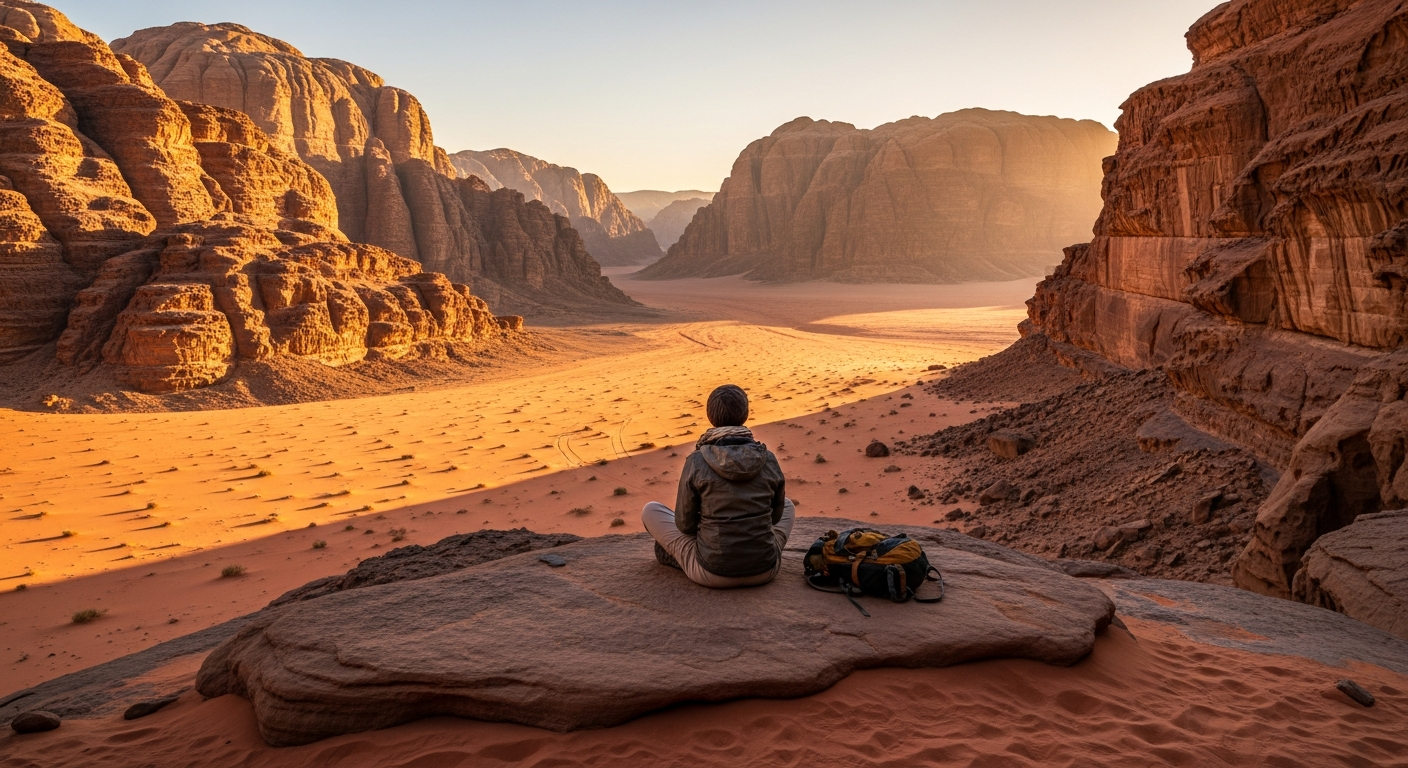
To experience the real desert, you must travel deeper into the Protected Area. Here, red sandstone mountains rise vertically from the valley floor. The further you go, the more the modern world fades away. Therefore, hiring a local guide with a 4×4 is essential for access.
Embracing Bedouin Hospitality
Family-run camps operate differently from commercial resorts. For example, hosts treat you like honored guests rather than paying customers. You will likely gather around a central fire pit at night. There, elders often share stories about their ancestors and desert survival.
Additionally, sweet sage tea flows endlessly throughout the evening. This connection offers a rare glimpse into a disappearing nomadic lifestyle. You are not just observing culture; you are participating in it.
A Culinary Adventure in the Sand
The highlight of these remote stays is undoubtedly the dinner. Specifically, you must try Zarb, a traditional Bedouin barbecue technique. Hosts cook marinated chicken, lamb, and vegetables underground in a sand oven.
As a result, the meat becomes incredibly tender and smoky after hours of slow roasting. Meanwhile, the communal dining style fosters conversation with fellow travelers. It is a stark contrast to standard, impersonal hotel buffets.
Sleeping in “Houses of Hair”
Forget air conditioning and modern drywall. Authentic camps utilize Bayt al-sha’ar, or “houses of hair.” These woven goat-hair tents are surprisingly functional engineering marvels.
During the day, the weave opens slightly to allow cooling airflow. Conversely, the fibers swell at night to trap warmth and block moisture. Therefore, you stay comfortable regardless of the desert’s extreme temperature swings.
Key benefits of traditional tents:
- Natural Insulation: Keeps you cool in heat and warm in cold.
- Waterproof: The tight weave prevents rain penetration.
- Sustainability: Made from local, biodegradable materials.
The Morning Spectacle
Waking up deep in Wadi Rum is a spiritual experience. The rising sun paints the dunes in shifting shades of deep orange and pink. Furthermore, the absolute silence is striking.
You might only hear the wind or a distant camel. Stepping outside, you are immediately immersed in vast, untouched nature. Finally, this isolation provides the perfect backdrop for meditation or photography without crowds.
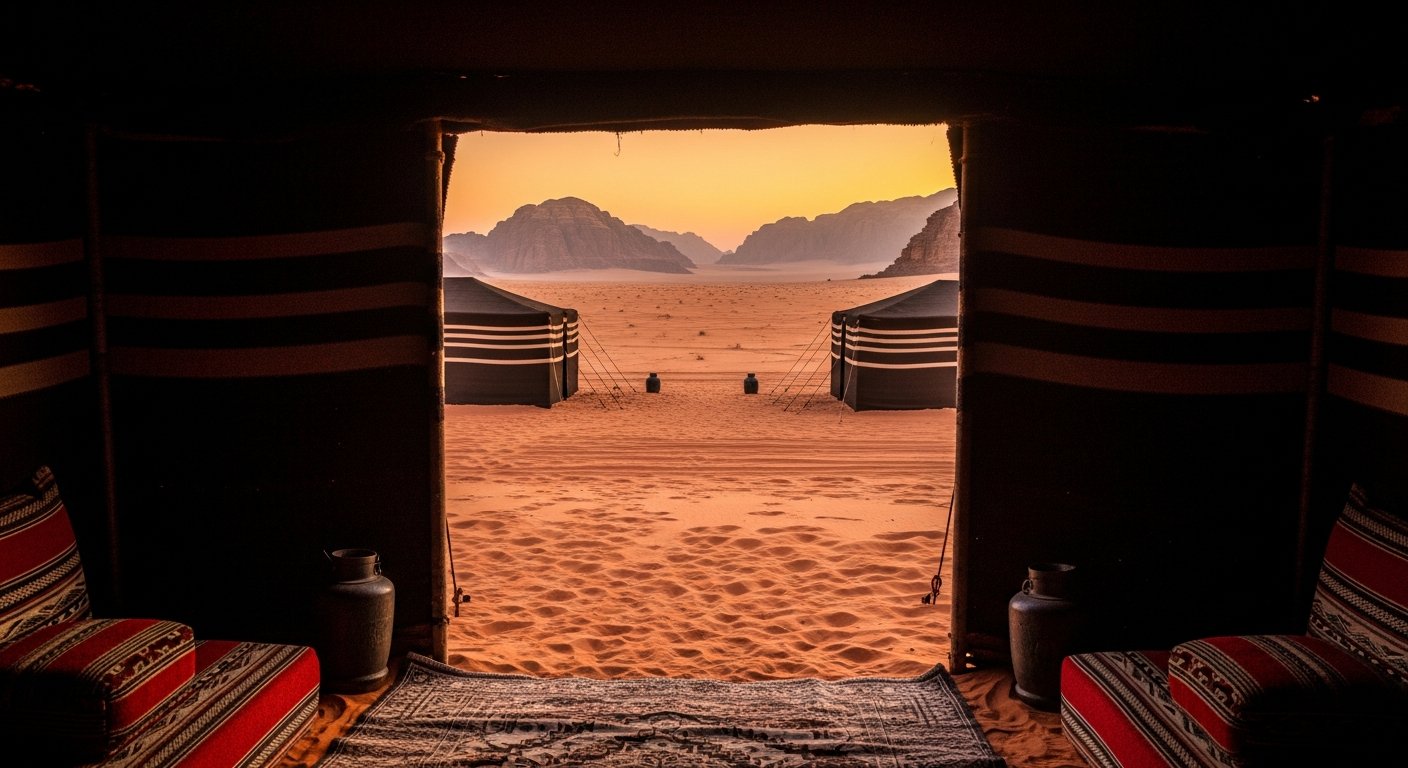
Your hosts prepare zarb, a traditional underground barbecue. They bury meat and vegetables in hot coals for several hours. The slow cooking creates incredibly tender and flavorful dishes. Afterwards, enjoy tea around the campfire while listening to stories and music.
The Economic Impact of Direct Booking
Relying on massive booking engines often results in high commission fees. Consequently, the actual service providers see significantly less of that profit. However, bypassing these third parties puts cash directly into local pockets. This practice is crucial for sustaining the local economy in rural areas.
When you pay a Bedouin guide directly, 100% of the fare supports their family. This income helps maintain their traditional vehicles, camps, and livestock. Moreover, it empowers them to set fair prices for their labor. Therefore, your travel budget becomes a tool for positive community development.
Unlocking Authentic Hospitality
Furthermore, the quality of your adventure improves significantly with direct contact. Corporate tours usually stick to rigid, overcrowded timetables. In contrast, a direct arrangement allows for flexibility and spontaneity. Your guide might show you a hidden sunset spot away from tourists.
Additionally, you build a genuine friendship rather than a transactional relationship. You might be invited to share sweet tea or a meal by the fire. These unscripted moments are often the highlight of a trip to Jordan. As a result, you gain cultural insights that guidebooks simply cannot offer.
How to Find Local Connections
Locating these independent operators requires a modern approach. Most Bedouin guides run their businesses through WhatsApp or social media. Therefore, you should use these platforms to make initial contact.
Try these steps to connect:
- Search Instagram: Look for location tags like “Wadi Rum” or “Petra.”
- Check Reviews: Read Google Maps reviews for specific camp names.
- Message Directly: Send a WhatsApp message to discuss dates and prices.
Finally, do not be afraid to negotiate or ask for custom itineraries. Local hosts appreciate the communication. Ultimately, this extra effort creates a customized and memorable journey.
Desert Activities Beyond Jeep Tours
Scaling Wadi Rum’s Ancient Sandstone Walls
The towering sandstone cliffs of Wadi Rum offer some of the Middle East’s most spectacular climbing opportunities. These rust-colored formations rise dramatically from the desert floor, creating natural walls that reach heights of over 1,750 meters. The rock quality is exceptional for climbing adventures. Moreover, the unique geological features provide varied textures and grip points. The sandstone has been shaped by millions of years of wind erosion.
Routes for Every Skill Level
Beginner-friendly climbs start at accessible heights between 15 to 30 meters. These routes feature generous handholds and gradual inclines. For example, the Jebel Rum area contains several introductory paths perfect for first-timers. Additionally, these easier ascents allow you to build confidence while enjoying stunning views. The Barrah Canyon provides another excellent starting point for novice climbers.
Intermediate climbers can tackle routes like the famous Hammad’s Route. This climb combines technical challenges with breathtaking desert panoramas. Furthermore, the Nassrani area offers multiple grade 4 and 5 routes. These paths require more strength and technique than beginner options.
Advanced climbers should attempt the challenging Pillar of Wisdom or Inferno routes. These demanding ascents can take 6 to 8 hours to complete. Consequently, they require excellent physical conditioning and technical expertise. The Jebel Khazali faces present particularly demanding overhangs and crack systems.
Professional Guidance and Safety Equipment
Local Bedouin guides bring generations of desert knowledge to your climbing experience. They provide comprehensive safety briefings before each ascent. Additionally, they supply all necessary equipment including harnesses, ropes, and helmets. Most guides are certified through international climbing organizations. Therefore, you can trust their expertise and safety protocols.
Equipment quality meets international safety standards. However, experienced climbers often bring their own specialized gear. The guides also carry first aid supplies and communication devices. Meanwhile, they monitor weather conditions throughout your climb to ensure optimal safety.
Best Climbing Seasons
The ideal climbing months run from October through April. During this period, temperatures remain comfortable for physical exertion. In contrast, summer months bring extreme heat that makes climbing dangerous. Early morning sessions offer the coolest conditions and softest light for photography.
Camel treks offer a slower-paced way to explore the desert. Multi-day journeys follow ancient trading routes between remote camps. This traditional mode of transport connects you to the landscape differently than vehicles.
Jerash After Hours
Most visitors tour Jerash during midday when heat and crowds peak. Instead, arrive when the site opens at 8 AM. You’ll have the Roman ruins nearly to yourself for the first hour. Morning light enhances the honey-colored columns beautifully.
The archaeological site hosts occasional evening concerts in the amphitheater. These special events let you experience the ruins after dark. Check the local tourism board for upcoming performances during your visit.
Exploring Beyond the Main Colonnaded Street
Venture into the residential areas behind the main attractions. These sections receive far fewer visitors yet contain fascinating details. You’ll find intact floor mosaics and partially restored homes. Take time to imagine daily life in this ancient city.
Most visitors immediately rush toward the massive South Theater upon arrival. However, the smaller North Theater offers a superior, more intimate experience. Additionally, the crowds are usually much thinner in this section. Consequently, you can capture stunning photographs without strangers walking into your frame. The restoration work here is also incredibly detailed.
Make the ascent to the very highest seating tier. From this vantage point, the panorama is truly breathtaking. You can gaze down the length of the Cardo Maximus. Furthermore, the contrast between ancient ruins and the modern city is striking. Therefore, this specific angle is perfect for landscape photography. The lighting is particularly soft during the late afternoon “golden hour.”
Uncovering Hidden Temples
Once you leave the theater, head toward the Temple of Artemis. This structure dominates the surrounding skyline. Interestingly, the massive columns are designed to sway slightly. You can actually see them move during high winds. Moreover, this area holds many smaller, overlooked ceremonial spaces. Take your time wandering through these quiet ruins.
Acoustic Secrets and Ancient Details
Don’t forget to test the acoustics while you are there. Stand on the center stone of the orchestra floor. Surprisingly, your voice will amplify naturally to the top rows. Also, look closely at the stone seats. You might spot Greek inscriptions carved into them. These were essentially ancient reserved seating assignments. Thus, the history feels incredibly personal and alive.
The Dead Sea’s Quiet Beaches
Skip the Crowded Resort Beaches
The Dead Sea hotel strips have become tourist traps in recent years. Most resorts charge between 20 to 30 Jordanian dinars just for day access. That’s roughly $30 to $45 per person simply to float. Furthermore, these beaches pack in massive tour groups between 10 AM and 3 PM. You’ll find yourself jostling for space among hundreds of visitors. The changing facilities often have long queues during peak hours. Additionally, the “complimentary” amenities usually require extra payments once you arrive.
The Southern Shore Alternative
Instead, head approximately 15 kilometers south along Highway 65. The route takes you toward the Wadi Mujib Nature Reserve area. Moreover, you’ll pass several unmarked turnoffs leading to public beach access points. These spots appear as simple dirt roads veering toward the water. However, they provide completely free entry to the Dead Sea shoreline.
What to Expect at Public Beaches
The public access areas offer identical mineral-rich waters and buoyancy. Therefore, your floating experience remains exactly the same. The main difference is the absence of commercial facilities. Consequently, you should bring your own fresh water for rinsing. Pack towels, sunscreen, and any snacks you might need. The beaches feature natural shorelines rather than manicured sand. Nevertheless, the authentic experience feels more rewarding than resort beaches.
Practical Tips for Free Beach Access
Arrive early in the morning before 9 AM for the best experience. The midday heat can be intense, especially during summer months. Additionally, morning visits mean fewer local families and day-trippers. Wear old shoes or water sandals for walking on the rocky shore. The salt crystals can be sharp underfoot near the waterline. Furthermore, bring plastic bags for your phone and valuables. The salt water destroys electronics instantly if splashed.
Don’t stay in the water longer than 15 minutes per session. The extreme salinity can irritate your skin with prolonged exposure. Meanwhile, keep the water away from your eyes and face. If salt water gets in your eyes, rinse immediately with fresh water. As a result, many visitors prefer bringing several bottles of drinking water.
Best Times to Visit
Weekdays offer the quietest experience at public beaches. Local Jordanian families typically visit on Fridays and Saturdays. Therefore, plan your visit between Sunday and Thursday if possible. Moreover, the shoulder seasons of March-April and October-November provide ideal temperatures. Summer months exceed 40°C (104°F) regularly along the Dead Sea shore.
Bring your own towels, water, and snacks. Limited facilities exist at public beaches. However, the peaceful atmosphere compensates for basic amenities. You’ll share the shoreline with local families enjoying weekend outings.
Mud and Mineral Benefits
Natural Spa Benefits at the Dead Sea
The Dead Sea mud contains an extraordinary concentration of minerals rarely found elsewhere. These include magnesium, calcium, potassium, and bromide in therapeutic quantities. Moreover, these natural compounds work together to rejuvenate tired skin. The mud also helps reduce inflammation and improve circulation beneath the surface.
Local Jordanians have used this mineral-rich treatment for generations. Furthermore, modern scientific studies confirm its remarkable benefits. The mud naturally exfoliates dead skin cells while nourishing healthy tissue. Additionally, it can help alleviate certain skin conditions like psoriasis and eczema.
How to Apply Dead Sea Mud Properly
Walk along the shoreline until you find deposits of dark, silky mud. The best spots are usually near the water’s edge. Consequently, you’ll find the freshest and most mineral-dense mud there. Scoop generous handfuls and spread it evenly across your body. Therefore, don’t be shy about coverage.
Application tips include:
- Start with your arms and legs before moving to your torso
- Apply a thicker layer on rough areas like elbows and knees
- Avoid sensitive areas around eyes and any open cuts
- Ask a friend to help with hard-to-reach spots on your back
The Drying and Rinsing Process
Let the Jordanian sun work its magic on the mud coating. The drying process typically takes 15 to 20 minutes. Meanwhile, you can relax on the shore and enjoy the unique landscape. However, avoid staying in direct sun too long without protection.
As a result of the drying, the mud will turn light gray. You’ll feel a gentle tightening sensation on your skin. This indicates the minerals are penetrating effectively. Subsequently, wade into the buoyant waters to rinse off completely. The high salt content makes floating effortless and enjoyable.
Your skin will emerge feeling remarkably smooth and refreshed. In contrast to chemical treatments, this natural therapy leaves no harsh residue.
Float effortlessly in the hypersaline water that’s nearly ten times saltier than ocean water. Avoid getting water in your eyes or mouth because it stings intensely. Bring fresh water for rinsing if needed.
Local Food Experiences
Finding Authentic Local Eateries
Hotel dining rooms rarely showcase Jordan’s true culinary heritage. Instead, venture beyond tourist zones to discover neighborhood gems. Local families frequent these spots for special occasions and weekend meals. Therefore, you’ll experience genuine hospitality alongside traditional flavors.
Look for restaurants packed with Jordanian families during lunch hours. Additionally, observe where taxi drivers stop for their meals. These indicators reveal establishments that prioritize quality over tourist appeal. Furthermore, modest storefronts often hide the most spectacular kitchens.
Understanding Mansaf: The National Treasure
Mansaf represents far more than a simple rice and meat dish. This ceremonial meal embodies Jordanian culture and Bedouin traditions. Tender lamb simmers for hours in jameed, a distinctive fermented dried yogurt sauce. The tangy, creamy jameed creates an unforgettable flavor profile.
Traditionally, cooks serve mansaf on enormous communal platters. A bed of paper-thin shrak bread forms the base layer. Next comes fluffy saffron-scented rice, followed by succulent lamb pieces. Finally, the rich jameed sauce cascades over everything. Toasted pine nuts and almonds provide the finishing touch.
Eating Mansaf Like a Local
Jordanians typically eat mansaf with their right hand. However, restaurants provide utensils for those who prefer them. Moreover, sharing from a communal platter strengthens social bonds among diners. The host often places the most tender meat pieces before honored guests.
Friday afternoons offer the best opportunity to experience authentic mansaf. Many families prepare this labor-intensive dish for their weekly gathering. Consequently, restaurants serve their freshest batches during this time. Ask your hotel staff or local contacts for family-run spots specializing in mansaf.
Beyond Mansaf: Other Hidden Specialties
Family establishments excel at regional dishes rarely found in tourist areas. Maqluba, meaning “upside down,” features layers of rice, vegetables, and meat. The cook flips the entire pot onto a serving platter dramatically. Meanwhile, musakhan showcases sumac-spiced chicken over taboon bread soaked in olive oil.
These smaller venues often prepare dishes upon request only. Therefore, calling ahead ensures availability and proper preparation time. Additionally, owners appreciate the courtesy and may offer extra hospitality.
Visit downtown Amman’s markets for street food adventures. Try falafel sandwiches, fresh juices, and kunafa dessert. Vendors prepare everything fresh throughout the day. Moreover, prices remain incredibly reasonable compared to tourist areas.
Cooking Classes and Market Tours
Several organizations offer cooking classes in local homes. You’ll shop at neighborhood markets with your host before preparing traditional dishes together. These experiences provide cultural insights beyond typical tourist interactions.
Learn to make mezze spreads, stuffed vegetables, and traditional breads. Your hosts share family recipes and cooking techniques passed through generations. Enjoy the meal together while discussing Jordanian life and customs.
Transportation Tips for Independent Travelers
Mastering the JETT Bus Network
Navigating Jordan on a budget is surprisingly easy with the official bus system. The JETT (Jordan Express Tourist Transportation) network offers a reliable way to travel. These large coaches are safe, air-conditioned, and comfortable. Consequently, they are the top choice for moving between major tourism hubs. For example, the route from Amman to Petra departs early each morning.
Furthermore, tickets are quite affordable. A one-way trip usually costs under 15 JOD. However, these popular routes sell out quickly. Therefore, you should certainly book your seat a few days in advance. This ensures you do not miss out during peak seasons. You can easily purchase tickets via their website or mobile app.
The Adventure of Local Minibuses
For a truly authentic experience, consider taking the smaller public minibuses. These white coasters do not run on a fixed schedule. Instead, they depart only when every seat is full. As a result, patience is absolutely necessary when choosing this mode of transport.
They are significantly cheaper than tourist buses, often costing just a few dinars. However, be prepared for a crowded and sometimes chaotic environment. You will find these departing from the South Bus Station in Amman. Ultimately, this option is best for flexible solo travelers who speak a little Arabic.
Why You Should Rent a Car
Renting a vehicle unlocks the country’s hidden gems. This gives you total freedom to explore at your own pace. For instance, you can drive the scenic King’s Highway. This historic route offers breathtaking views of the Wadi Mujib canyon. In contrast, the Desert Highway is faster but much less beautiful.
Additionally, driving in Jordan is generally safe outside of downtown Amman. Most road signs are clearly marked in English. Nevertheless, you must remain alert for speed bumps.
Key tips for driving in Jordan:
- GPS is essential: Download offline maps before you leave your hotel.
- Check your insurance: Ensure you have full coverage for peace of mind.
- Watch the fuel: Gas stations can be sparse in the desert.
Hiring Private Drivers and Taxis
Hiring a private driver is another excellent alternative for stress-free travel. This removes the anxiety of navigating foreign roads yourself. Moreover, local drivers often share cultural insights you might miss otherwise. You can usually negotiate daily rates for multi-stop trips to places like the Dead Sea.
Meanwhile, getting around inside the capital is simple. Uber and Careem operate widely throughout Amman. Consequently, you avoid the hassle of haggling over taxi fares. This is often the safest method for evening transport within the city.
Understanding Jordan’s Service Taxi System
Service taxis represent one of Jordan’s most authentic transportation methods. These shared vehicles connect remote villages and smaller towns throughout the country. Unlike regular taxis, they follow semi-fixed routes between specific destinations. Most service taxis are white sedans or minivans. They wait at designated stations in each town center.
The system operates on a simple principle. Drivers collect passengers until reaching capacity. Therefore, departure times remain unpredictable and flexible. A standard service taxi accommodates exactly seven passengers. Six people sit in the passenger seats. One person joins the driver up front. Consequently, your waiting time depends entirely on passenger demand.
Cost Considerations and Payment Tips
Service taxis occupy a middle ground in Jordan’s transportation hierarchy. They cost significantly more than public buses. However, they offer faster journey times and door-to-door convenience. For example, a bus ticket might cost 2 JD while the service charges 5 JD. Additionally, the price difference buys you comfort and reduced travel time.
Always negotiate your fare before entering the vehicle. This crucial step prevents disputes upon arrival. Ask locals about standard rates beforehand. Furthermore, confirm whether the price covers your luggage. Some drivers charge extra for large bags or backpacks. Moreover, clarify if the quoted price is per person or per seat.
Strategic Advantages for Travelers
Service taxis provide remarkable flexibility for exploring off-the-beaten-path destinations. They reach villages where buses rarely venture. Meanwhile, they depart more frequently than scheduled bus services. This makes them ideal for spontaneous travel plans. In contrast, buses might only run once or twice daily.
These vehicles also offer cultural immersion opportunities. You’ll share space with local Jordanians going about their daily lives. Consequently, conversations often lead to valuable travel insights. Fellow passengers frequently recommend hidden restaurants or lesser-known attractions. Therefore, consider service taxis as mobile information centers.
Driving in Jordan
Jordan’s main highways maintain good condition year-round. Desert roads vary from paved to sandy tracks. GPS navigation works reliably in most areas. Nevertheless, download offline maps as backup.
Respect local driving customs and speed limits. Police checkpoints appear regularly on major routes. Keep your passport, license, and rental documents accessible. Officers typically wave tourists through after quick document checks.
Making Your Jordan Adventure Unforgettable
Beyond the Treasury: Unlocking True Adventure
Most visitors rush to check off the famous “Golden Triangle” of Petra, Wadi Rum, and the Dead Sea. However, the true soul of Jordan thrives elsewhere. It lives in the quiet corners of the map. Authentic connection happens when you slow down. Therefore, you must look past the glossy brochures to find the real magic.
By renting a car, you gain the freedom to explore at your own pace. You can stop whenever a landscape catches your eye. Consequently, you are no longer bound by strict tour schedules. This flexibility allows for spontaneous interactions with locals. These unplanned moments often become the highlight of a trip.
Hidden Natural Wonders
Consider the dramatic landscapes of the Dana Biosphere Reserve. This area offers world-class hiking without the crushing crowds. You can traverse four different climate zones in a single day. Additionally, the Wadi Mujib canyon provides a thrilling alternative to dry hikes. Here, you trek through rushing water between towering sandstone walls.
Meanwhile, the north offers a surprisingly green contrast to the desert. The ancient ruins of Umm Qais are made of striking black basalt. From here, you can gaze out over the Sea of Galilee. Furthermore, the wildflowers in spring transform the hills into a vibrant tapestry. These locations offer solitude that popular sites cannot match.
Cultural Encounters and Flavors
Food is the universal language of Jordanian hospitality. For example, seek out a family-run restaurant in Madaba or As-Salt. You should try Mansaf, the beloved national dish of lamb and fermented yogurt. Moreover, accepting a cup of sweet tea is practically mandatory. This simple ritual often leads to hours of deep conversation.
To truly blend in, keep these insider tips in mind:
- Learn basic greetings: A simple “Salam” opens many doors.
- Dress modestly: This shows respect for local traditions.
- Carry cash: Small shops often do not accept credit cards.
Finally, embrace the unexpected detours. A wrong turn might lead to a stunning viewpoint or a friendly village. Thus, the journey becomes as memorable as the destination. You leave with stories that few other travelers possess.
Respect local customs and environmental conservation efforts throughout your journey. Support small businesses and family-run establishments when possible. Your choices impact communities and help preserve Jordan’s natural and cultural heritage for future generations.
Embrace spontaneity while maintaining safety awareness. Talk with locals, accept tea invitations, and remain open to unexpected adventures. Indeed, Jordan’s greatest treasures often reveal themselves when you step off the beaten path.
*As an Amazon Associate, I earn from qualifying purchases.